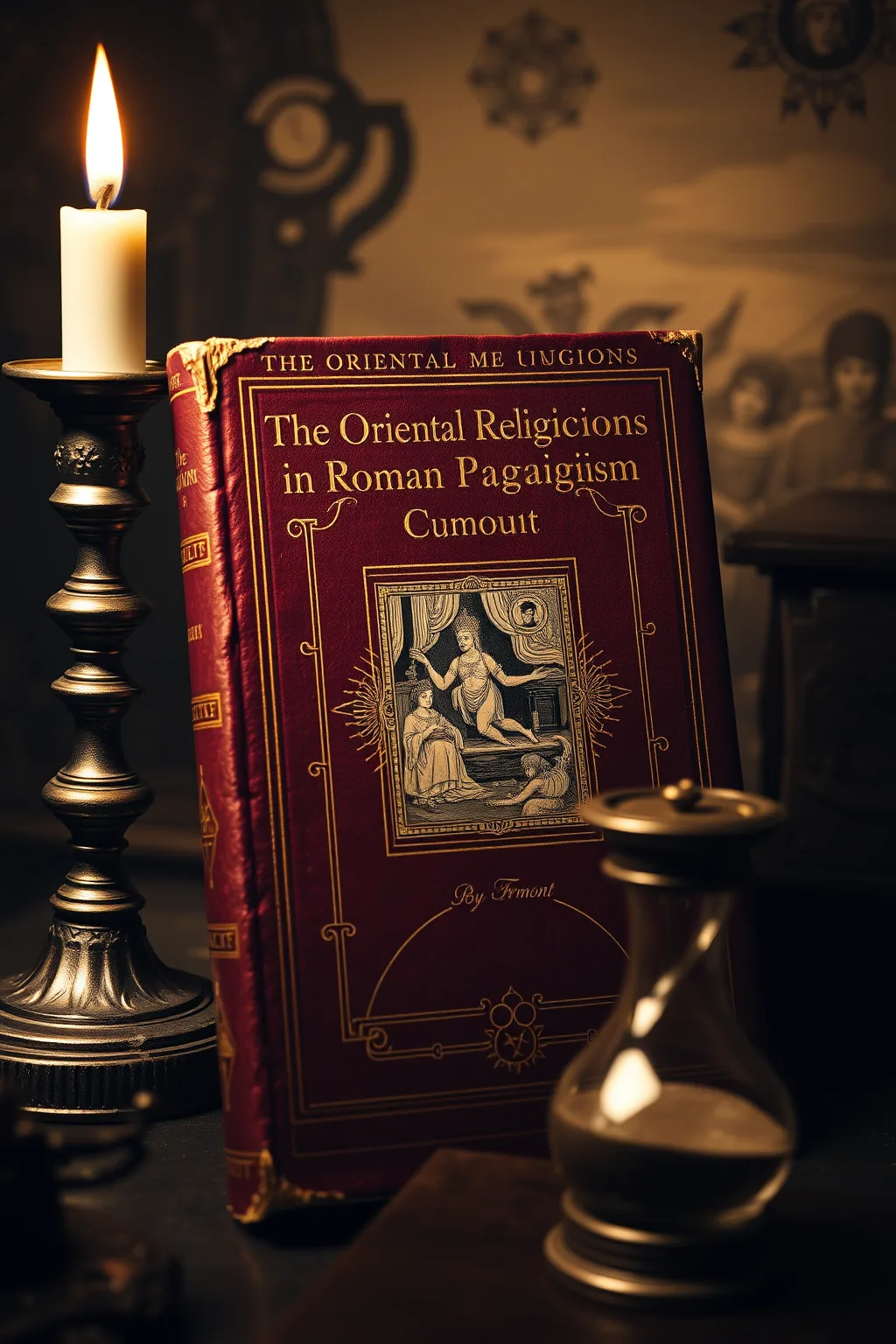
The Oriental Religions in Roman Paganism
 70
70

The Oriental Religions in Roman Paganism



Franz Cumont's 'The Oriental Religions in Roman Paganism' is a foundational text for anyone interested in the esoteric and occult dimensions of ancient Roman religion. Published in 1868, this book remains a vital resource for understanding the complex interplay between Eastern mystical traditions and Roman paganism. Cumont's scholarly approach and detailed analysis make this work an invaluable tool for modern esoteric seekers. The book's exploration of mystery cults, Eastern deities, and syncretic religious practices offers deep insights into the spiritual landscape of the Roman Empire. For contemporary readers, this text provides a bridge between ancient esoteric traditions and modern spiritual inquiry. It is a must-read for those who wish to explore the roots of occult practices and their enduring influence on contemporary spirituality.
📝 Description
70
Franz Cumont published 'The Oriental Religions in Roman Paganism' in 1911, examining Eastern cults within the Roman Empire.
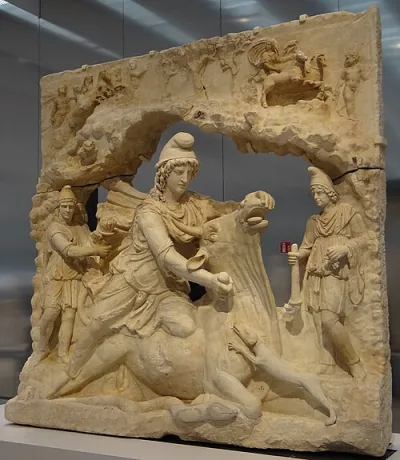
In 1911, Franz Cumont published 'The Oriental Religions in Roman Paganism.' This study examines the influence of Eastern cults, such as Mithraism and the cult of Cybele, on Roman religious life. Cumont details how these foreign traditions were adopted, adapted, and syncretized with existing Roman pagan practices. He traces the spread of mystery religions from the East and their impact on the philosophical and spiritual outlook of the Roman world.
The book focuses on the rituals, symbolism, and theological ideas associated with these Eastern cults. It explores their appeal to Roman citizens, particularly soldiers and merchants, and how they offered personal salvation and a sense of community. Cumont's work highlights the dynamic nature of religious belief in the Roman Empire, showing how it absorbed and transformed external influences.
This book is situated within the study of late antique religions, specifically the transmission of Eastern mystery cults into the Roman Empire. It looks at practices that often involved initiation rites and promised personal spiritual benefits, aspects that resonate with broader esoteric traditions. Cumont analyzes how these cults provided alternative spiritual paths and symbolic systems that differed from the state cults, appealing to individuals seeking deeper meaning and connection. The focus is on the hidden or less public dimensions of these religions.
✍️ Author
Cumont, Franz
Franz Cumont was a Belgian scholar and historian of religion, specializing in ancient Mediterranean religions and Gnosticism.
💡 Why Read This Book?
Reading 'The Oriental Religions in Roman Paganism' today offers a unique opportunity to understand the esoteric and occult foundations of ancient Roman religion. This book provides valuable insights into the mystical traditions that shaped Roman paganism, making it an essential read for anyone interested in the history of religion and esoteric practices. By delving into the syncretic religious landscape of the Roman Empire, readers can gain a deeper appreciation for the enduring influence of Eastern mystical traditions on Western spirituality. This text is particularly relevant for modern esoteric seekers who wish to explore the roots of occult practices and their relevance in contemporary spiritual inquiry.
⭐ Reader Reviews
Honest opinions from readers who have explored this book.
❓ Frequently Asked Questions
What is the main focus of 'The Oriental Religions in Roman Paganism'?
The main focus of this book is the influence of Eastern religions on Roman paganism, exploring how mystical traditions from the East transformed the religious practices of the Roman Empire.
Who should read this book?
This book is ideal for historians, scholars of religion, and anyone interested in esoteric and occult traditions. It provides a deep dive into the mystical dimensions of ancient Roman religion.
What makes this book relevant for modern readers?
This book is relevant for modern readers because it offers insights into the enduring influence of Eastern mystical traditions on Western spirituality, making it a valuable resource for contemporary esoteric seekers.
🔮 Key Themes & Symbolism
Syncretism and Mysticism
Cumont's work highlights the syncretic nature of Roman paganism, where Eastern mystical traditions were absorbed and transformed. This theme explores how esoteric practices and beliefs from the East influenced Roman religious rituals and philosophies, creating a collection of hidden knowledge and symbolism.
Esoteric Rituals and Symbols
The book looks at the esoteric rituals and symbols that emerged from the fusion of Eastern and Roman religious practices. Cumont's detailed analysis of these mystical elements provides valuable insights into the deeper, more enigmatic aspects of ancient spiritual practices, appealing to both scholars and spiritual seekers.
Philosophical Underpinnings
Cumont's exploration of the philosophical underpinnings of Roman paganism reveals the profound wisdom and esoteric insights that shaped ancient religious thought. This theme is particularly relevant for those interested in the mystical and philosophical dimensions of religious history, offering a unique perspective on the hidden knowledge that influenced Western spirituality.
💡 Key Ideas
Editorial paraphrase of the work's core concepts — not direct quotes.
The fusion of Eastern mysticism with Roman paganism created a collection of esoteric practices and beliefs.
This quote underscores the transformative power of religious syncretism, highlighting the mystical and philosophical depth that emerged from the integration of Eastern and Roman spiritual traditions.
The worship of deities like Mithras and Isis revealed the esoteric rituals and symbols that defined ancient spiritual practices.
This passage emphasizes the significance of esoteric symbolism in ancient religions, providing insights into the hidden knowledge that shaped religious rituals and beliefs.
Cumont's work offers a profound exploration of the mystical dimensions of Roman paganism, appealing to both scholars and spiritual seekers.
This quote highlights the book's relevance for those interested in the esoteric and occult dimensions of religious history, offering a rich foundation for understanding the mystical roots of Western spirituality.
The philosophical underpinnings of Roman paganism reveal the profound wisdom and esoteric insights that shaped ancient religious thought.
This passage underscores the philosophical depth of Cumont's analysis, providing valuable insights into the mystical and philosophical dimensions of religious history.
The integration of Eastern religious influences into Roman paganism transformed the spiritual range of the ancient world.
This quote emphasizes the transformative power of religious syncretism, highlighting the mystical and esoteric dimensions of this cultural exchange.
🌙 Esoteric Significance
Tradition
This book belongs to the Hermetic and Gnostic traditions, exploring the mystical and esoteric dimensions of religious syncretism. Cumont's work looks at the hidden knowledge and symbolism that defined ancient spiritual practices, providing valuable insights for modern practitioners of occult and esoteric traditions.
Symbolism
Key symbols discussed in the book include the worship of deities like Mithras and Isis, and the esoteric rituals associated with these cults. These symbols represent the deeper, more enigmatic aspects of ancient religious practices, offering a rich foundation for understanding the mystical roots of Western spirituality.
Modern Relevance
This book remains relevant today for its detailed exploration of the esoteric and occult dimensions of religious history. Modern practitioners of Hermetic and Gnostic traditions draw upon Cumont's insights to deepen their understanding of ancient mystical practices and their influence on Western spirituality.
👥 Who Should Read This Book
Beginners in the field of esoteric studies will find this book an accessible introduction to the mystical dimensions of ancient religions. Scholars of religious history will appreciate Cumont's meticulous research and clear insights. Spiritual seekers interested in the hidden knowledge of ancient spiritual practices will find this text enlightening. Practitioners of occult and esoteric traditions will benefit from the detailed analysis of esoteric symbolism and rituals, gaining a deeper understanding of the mystical roots of Western spirituality.
📜 Historical Context
Written in the early 20th century, 'The Oriental Religions in Roman Paganism' emerged during a time of heightened interest in the occult and esoteric traditions. Cumont's work was key in uncovering the hidden knowledge and mystical practices that shaped Roman paganism, providing a comprehensive analysis of the Eastern influences that transformed the spiritual range of the ancient world. This book has had a lasting impact on the study of religious history and esoteric traditions, influencing modern practitioners and scholars alike.
📔 Journal Prompts
Reflect on how the fusion of Eastern mysticism and Roman paganism has influenced modern spiritual practices.
Consider the significance of esoteric symbolism in ancient religions and its relevance today.
Explore the philosophical underpinnings of Roman paganism and their impact on Western spirituality.
Analyze the role of religious syncretism in shaping the spiritual range of the ancient world.
Reflect on the transformative power of hidden knowledge and mystical practices in ancient religious traditions.
🗂️ Glossary
Syncretism
The blending of different beliefs and practices from various religious traditions, often resulting in a new, hybrid form of spirituality.
Mysticism
The pursuit of a direct, personal experience of the divine or ultimate reality, often through esoteric practices and rituals.
Esoteric
Relating to knowledge that is hidden or understood by only a small group of people, often involving mystical or occult practices.
Hermetic
Pertaining to the teachings of Hermes Trismegistus, which emphasize the pursuit of hidden knowledge and spiritual enlightenment.
Gnostic
Relating to the ancient religious movement that emphasized the pursuit of gnosis, or hidden knowledge, as a means of spiritual salvation.
This book appears in 2 collections
🔮 Readers Also Liked
Browse all →






More by Cumont, Franz
All books →From the “Witchcraft” Collection
View all →









More Free Witchcraft & Paganism Books
View all →