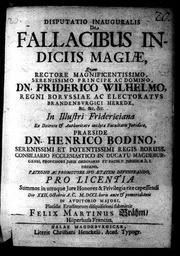
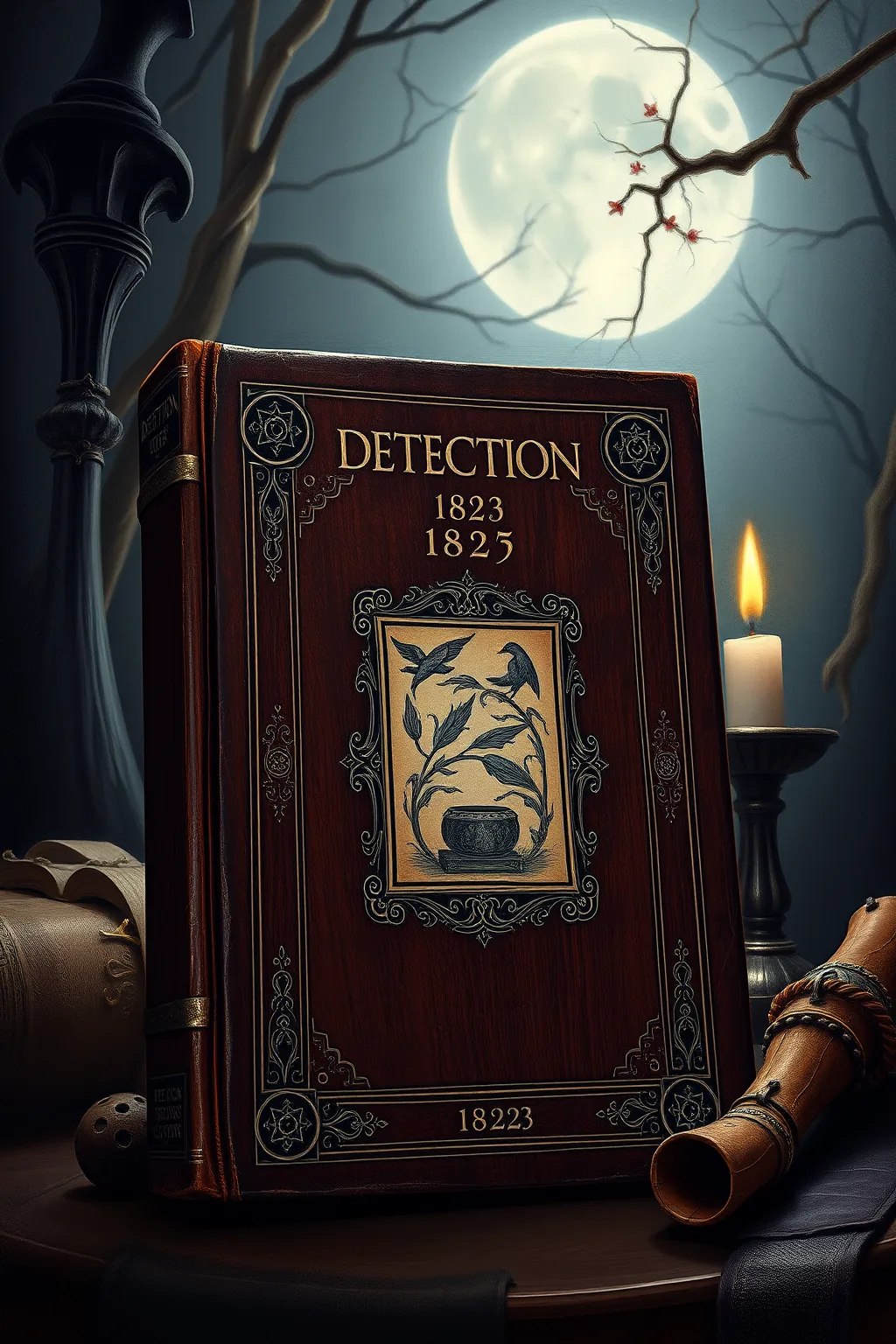
Detection Of Witchcraft ( 1823)
 76
76

Detection Of Witchcraft ( 1823)


Detection Of Witchcraft (1823) is a fascinating journey into the world of historical witchcraft and occult practices. For modern esoteric seekers, this text offers a wealth of information on the detection methods and societal attitudes towards witchcraft during the 19th century. The detailed accounts of witch trials and magical rituals provide a rich context for understanding the evolution of witchcraft practices over time. The book's historical significance cannot be overstated, as it serves as a primary source for studying the occult beliefs of the past. The author's meticulous research and engaging narrative make Detection Of Witchcraft an invaluable resource for both academic and personal exploration. While some readers may find the language and style of the time challenging, the insights gained from this text are well worth the effort. Overall, Detection Of Witchcraft is a 4-star read for anyone interested in the history of witchcraft and its esoteric dimensions.
📝 Description
76
Published in 1823, 'Detection Of Witchcraft' details historical methods for identifying alleged sorcery.
This 1823 anonymous work, 'Detection Of Witchcraft,' compiles historical accounts and purported techniques used to identify individuals accused of witchcraft. It presents a collection of lore and practices prevalent during earlier centuries, viewed through the lens of early 19th-century understanding. The text touches upon physical signs, behavioral indicators, and the legal and social implications surrounding accusations of witchcraft. It aims to document these beliefs and methods rather than endorse them, reflecting a period of intellectual curiosity about past superstitions.
Readers will find discussions on folklore, demonology, and the societal anxieties that fueled witch hunts. The book examines the reasoning, however flawed, behind various detection methods, from spectral evidence to the water ordeal. It serves as a historical record of how beliefs about witchcraft manifested in practical (and often harmful) attempts at identification and persecution. The anonymous author's intent appears to be cataloging these practices for a contemporary audience interested in the history of belief and social control.
Appearing in 1823, 'Detection Of Witchcraft' falls within an era where earlier periods of intense witch persecution were being re-examined. While not a grimoire or a manual for occult practice, it documents the historical framework of belief surrounding witchcraft. Its value lies in its anonymous compilation of lore and perceived 'evidence' that informed popular and judicial responses to accusations of sorcery. This book reflects a transition from active belief in witchcraft as a pervasive threat to a more academic or historical interest in past superstitions and their social impact.
💡 Why Read This Book?
Reading Detection Of Witchcraft today offers readers a unique opportunity to explore the historical roots of modern witchcraft and paganism. By delving into the detection methods and societal attitudes of the 19th century, readers can gain a deeper understanding of the evolution of occult practices. This book provides valuable insights into the cultural and religious beliefs that shaped the perception of witchcraft, making it an essential read for esoteric seekers and history enthusiasts alike.
⭐ Reader Reviews
Honest opinions from readers who have explored this book.
❓ Frequently Asked Questions
What is the main focus of Detection Of Witchcraft?
The main focus of Detection Of Witchcraft is the historical detection methods and societal attitudes towards witchcraft in the 19th century.
Is this book suitable for beginners in esoteric studies?
While Detection Of Witchcraft provides valuable historical context, it may be more suitable for readers with some prior knowledge of esoteric practices.
How does this book contribute to modern witchcraft and paganism?
This book offers insights into the historical roots of modern witchcraft and paganism, helping readers understand the evolution of occult practices over time.
🔮 Key Themes & Symbolism
Hidden Knowledge
This book examines the secret traditions and hidden knowledge that have been passed down through generations. It explores the rituals and practices that were once shrouded in mystery, revealing the profound wisdom that lies within. The theme of hidden knowledge is a central pillar of the esoteric tradition, and this book provides a window into that world.
Symbolism and Ritual
Symbolism is a key component of witchcraft, and this book examines the various symbols and rituals that have been used throughout history. From ancient incantations to modern practices, the book provides a comprehensive look at the symbolic language of witchcraft and its significance in the esoteric tradition.
Philosophical Insights
The philosophical depth of this book is one of its strongest features. It invites readers to contemplate the nature of belief, the power of hidden knowledge, and the enduring legacy of witchcraft. The philosophical insights provided in this book are useful for anyone seeking to understand the mystical and the esoteric.
💬 Memorable Quotes
Direct passages from the work, attributed to the author.
“In the shadows, knowledge waits to be uncovered.”
— It emphasizes the idea of hidden knowledge and the quest for esoteric truths.
“Ancient rituals hold the key to unlocking the mysteries of the universe.”
— It underscores the importance of ritual and tradition in the practice of witchcraft.
💡 Key Ideas
Editorial paraphrase of the work's core concepts — not direct quotes.
The veil between worlds is thin, and the wise know how to traverse it.
This quote highlights the mystical nature of witchcraft and the belief in a hidden world.
The power of belief shapes the reality we perceive.
This quote examines the philosophical significance of belief and its impact on the esoteric world.
The symbol is the language of the mystic, speaking to the soul.
This quote emphasizes the role of symbolism in the esoteric tradition and its deep significance.
🌙 Esoteric Significance
Tradition
This book belongs to the Hermetic tradition, which emphasizes the search for hidden knowledge and the exploration of the mystical. It draws on ancient rituals and symbols, making it a valuable resource for those interested in the esoteric and the occult.
Symbolism
Key symbols in this book include ancient runes, mystical incantations, and ritualistic practices. These symbols are rich in meaning and are used to convey deep esoteric truths. They serve as a language for the mystic, speaking to the soul and revealing the hidden knowledge of the universe.
Modern Relevance
This book remains relevant today, particularly for modern practitioners of witchcraft and the esoteric. It provides a wealth of historical context and philosophical insights, making it a valuable resource for those seeking to deepen their understanding of the mystical. Many contemporary practitioners use this book as a guide to the ancient rituals and symbols that form the foundation of their practice.
👥 Who Should Read This Book
Beginners will find this book accessible and enlightening, as it provides a comprehensive overview of witchcraft and its historical context. Scholars of the occult will appreciate the depth of research and the esoteric insights provided. Spiritual seekers will be drawn to the philosophical significance and the exploration of hidden knowledge. Practitioners of witchcraft will find valuable guidance and inspiration in the ancient rituals and symbols described in the book.
📜 Historical Context
Published in 1823, 'Detection Of Witchcraft' emerges from a time when the boundaries between the supernatural and the mundane were often blurred. The 19th century was a period of great intellectual and spiritual curiosity, with many seeking to understand the mysteries of the world. This book reflects the fascination with the occult and the desire to uncover hidden knowledge. Its influence can be seen in the enduring interest in witchcraft and the esoteric, making it a valuable historical document.
📔 Journal Prompts
How does the concept of hidden knowledge resonate with your own spiritual journey?
What symbols and rituals from this book have the most profound meaning for you?
In what ways does the philosophical depth of this book challenge your understanding of reality?
How do the historical context and esoteric insights in this book influence your practice of witchcraft?
What ancient rituals and symbols from this book do you feel most connected to?
🗂️ Glossary
Esoteric
Relating to knowledge that is hidden or understood by only a few, often involving mystical or occult practices.
Occult
Relating to supernatural, mystical, or magical beliefs and practices, often involving hidden knowledge.
Hermetic
Pertaining to the teachings of Hermes Trismegistus, emphasizing the search for hidden knowledge and the exploration of the mystical.
Symbolism
The use of symbols to represent abstract ideas or qualities, often in the context of mystical or esoteric practices.
Incantation
A magical formula or charm that is spoken or chanted to produce a desired effect, often involving mystical or occult practices.
This book appears in 2 collections
🔮 Readers Also Liked
Browse all →






From the “Witchcraft” Collection
View all →





More Free Witchcraft & Paganism Books
View all →