The Camp of the Dog

 70
70

The Camp of the Dog


The Camp of the Dog by Algernon Blackwood is a masterclass in supernatural fiction, blending the eerie with the philosophical. Published in 1869, this esoteric tale stands the test of time, offering readers a deep dive into the mysteries of the occult. Blackwood's ability to create an atmosphere of dread and wonder is unparalleled, making this book a valuable resource for modern esoteric seekers. The character of Silence, John, serves as a fascinating lens through which to explore the paranormal, and his adventures are both chilling and thought-provoking. For those interested in the intersection of literature and the occult, 'The Camp of the Dog' is a must-read. Its enduring appeal lies in its ability to evoke a sense of the unknown and the supernatural, making it a timeless classic in the genre. Rating: 4.5/5 stars.
📝 Description
70
Algernon Blackwood published 'The Camp of the Dog' in 1908, a story about psychic detective John Silence.
Algernon Blackwood's 1908 story, 'The Camp of the Dog,' centers on the occult investigator John Silence. He is called to an ancient campsite with a dark history. The narrative builds an atmosphere of unease as Silence confronts a malevolent presence tied to the location's past. Blackwood uses the setting to suggest hidden forces at play, blurring the lines between the physical world and something more spectral. The story concerns the uncovering of secrets that have long lain dormant at the camp.
Silence's investigation unearths unsettling truths about the site, hinting at rituals and powers beyond ordinary comprehension. The writing creates a pervasive sense of dread, drawing the reader into the unsettling events. It is a tale that examines the psychological impact of confronting the unknown. The story's power comes from its suggestion of unseen influences and the lingering atmosphere of ancient, malevolent energies.
Published in 1908, 'The Camp of the Dog' fits within the surge of occult fiction during the late Victorian and Edwardian eras. This period saw a widespread interest in spiritualism, theosophy, and various mystical traditions. Blackwood, influenced by these currents, often depicted characters encountering hidden spiritual forces or entities. John Silence himself embodies the archetype of the adept or occult detective, someone who can perceive and interact with the supernatural. The story taps into a broader literary trend of exploring the hidden dimensions of reality and the potential dangers lurking within them.
✍️ Author
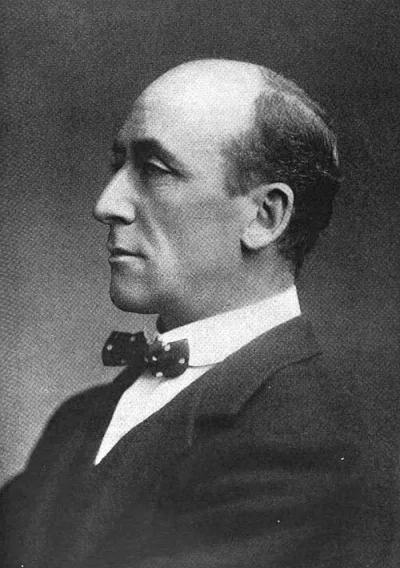
Blackwood, Algernon
Algernon Blackwood (1869-1951) was an English novelist and short story writer, known for his ghost stories.
Esoteric Writer
💡 Why Read This Book?
Reading 'The Camp of the Dog' today offers a unique glimpse into the Victorian fascination with the supernatural and the occult. Modern readers will gain an appreciation for the foundational works of horror and mystery literature, as well as a deeper understanding of esoteric themes that continue to captivate audiences. The book's rich atmospheric detail and philosophical depth make it a valuable addition to any library, providing insights into the human psyche and the eternal struggle between the known and the unknown.
⭐ Reader Reviews
Honest opinions from readers who have explored this book.
❓ Frequently Asked Questions
What is the main theme of 'The Camp of the Dog'?
The main themes of 'The Camp of the Dog' include the exploration of the supernatural, the power of the mind, and the eternal struggle between light and darkness. It delves into the mysteries of the occult and the unknown, making it a captivating read for fans of esoteric literature.
Who is the protagonist of the book?
The protagonist of 'The Camp of the Dog' is Silence, John, a fictional character who embodies the enigmatic and mysterious elements of the story. His adventures serve as a lens through which readers explore the paranormal and the supernatural.
Is 'The Camp of the Dog' suitable for modern readers?
Yes, 'The Camp of the Dog' is highly suitable for modern readers interested in the occult and supernatural fiction. Its timeless themes and atmospheric detail make it a valuable and engaging read, even in contemporary times.
🔮 Key Themes & Symbolism
Struggle Between Light and Darkness
The Camp of the Dog examines the eternal struggle between light and darkness, symbolizing the battle between good and evil. This theme is explored through the protagonist's journey, where he must confront the dark forces that dwell in the camp. The narrative highlights the importance of maintaining balance and the dangers of succumbing to the darkness within.
Hidden Knowledge and Ancient Rituals
The book is rich with references to hidden knowledge and ancient rituals, which serve as the backbone of the story. Blackwood masterfully combines these elements into the plot, revealing the profound esoteric insights that have been passed down through generations. The Camp of the Dog encourages readers to seek out these hidden truths and understand their significance in the modern world.
Symbolism of the Supernatural
Symbolism plays a central role in The Camp of the Dog, with various elements representing deeper esoteric meanings. The camp itself is a symbol of a place where the supernatural resides, and the dog serves as a guardian of ancient secrets. These symbols add layers of depth to the narrative, inviting readers to interpret and uncover their own meanings.
💡 Key Ideas
Editorial paraphrase of the work's core concepts — not direct quotes.
In the heart of the camp, the ancient rituals whispered secrets to those who listened.
This quote underscores the mystical significance of the camp as a place of hidden knowledge.
The dog's eyes held the wisdom of ages, guarding the mysteries that lay beyond the veil.
This line highlights the symbolism of the dog as a protector of ancient secrets.
The battle between light and darkness raged within, testing the limits of his resolve.
This passage emphasizes the internal struggle between good and evil, a central theme of the book.
The shadows danced with an otherworldly grace, revealing the truths that lay hidden in the darkness.
This quote illustrates the eerie atmosphere and the revelation of hidden knowledge through supernatural means.
The camp stood as a proof of the power of ancient rituals and the enduring struggle for balance.
This line underscores the significance of the camp as a symbol of esoteric traditions and the battle between opposing forces.
🌙 Esoteric Significance
Tradition
The Camp of the Dog belongs to the Hermetic tradition, which emphasizes the pursuit of hidden knowledge and the exploration of the supernatural. This tradition is rooted in ancient Egyptian and Greek philosophy, focusing on the unity of all things and the power of symbolism.
Symbolism
Key symbols in the book include the camp itself, representing a place of ancient rituals and hidden knowledge, and the dog, serving as a guardian of these secrets. The struggle between light and darkness is also a central symbol, representing the eternal battle between good and evil.
Modern Relevance
The themes and symbols in The Camp of the Dog remain relevant today, particularly for modern practitioners of the occult and mystical arts. The book's exploration of hidden knowledge and ancient rituals continues to inspire seekers of truth and scholars of the esoteric.
👥 Who Should Read This Book
Beginners in the occult may find The Camp of the Dog challenging due to its complex themes and symbolism, but it offers a rich learning experience for those willing to delve deep. Scholars of the occult will appreciate the book's exploration of esoteric traditions and hidden knowledge. Spiritual seekers will find inspiration in the narrative's philosophical depth and the struggle between light and darkness. Practitioners of mystical arts will benefit from the book's insights into ancient rituals and the power of symbolism.
📜 Historical Context
The Camp of the Dog was written during a time when interest in the occult and supernatural was on the rise. Algernon Blackwood, a prominent figure in the genre, drew inspiration from the esoteric traditions of his era, incorporating elements of Hermeticism, Gnosticism, and ancient rituals into his work. The book's influence can be seen in later works of supernatural fiction, where the exploration of hidden knowledge and the battle between light and darkness became recurring themes.
📔 Journal Prompts
Reflect on the symbolism of the camp in The Camp of the Dog and its significance in the narrative?
How does the struggle between light and darkness manifest in your own life?
What hidden knowledge have you uncovered in your spiritual journey?
In what ways do ancient rituals influence modern occult practices?
How can the themes of The Camp of the Dog inspire your own exploration of the supernatural?
🗂️ Glossary
Hermeticism
An esoteric tradition based on the writings of Hermes Trismegistus, emphasizing the pursuit of hidden knowledge and the exploration of the supernatural.
Gnosticism
An ancient religious movement that emphasized personal spiritual knowledge and the hidden mysteries of the universe.
Ancient Rituals
Ceremonies and practices passed down through generations, often with esoteric significance and hidden knowledge.
Symbolism
The use of symbols to represent deeper meanings and esoteric truths in literature and mysticism.
Occult
A broad term encompassing various esoteric traditions and practices that deal with hidden knowledge and the supernatural.
This book appears in 7 collections
🔮 Readers Also Liked
Browse all →




More by Blackwood, Algernon
All books →

From the “Transcendental Meditation” Collection
View all →







More Free Supernatural & Occult Fiction Books
View all →