The Qabalah

 62
62

The Qabalah

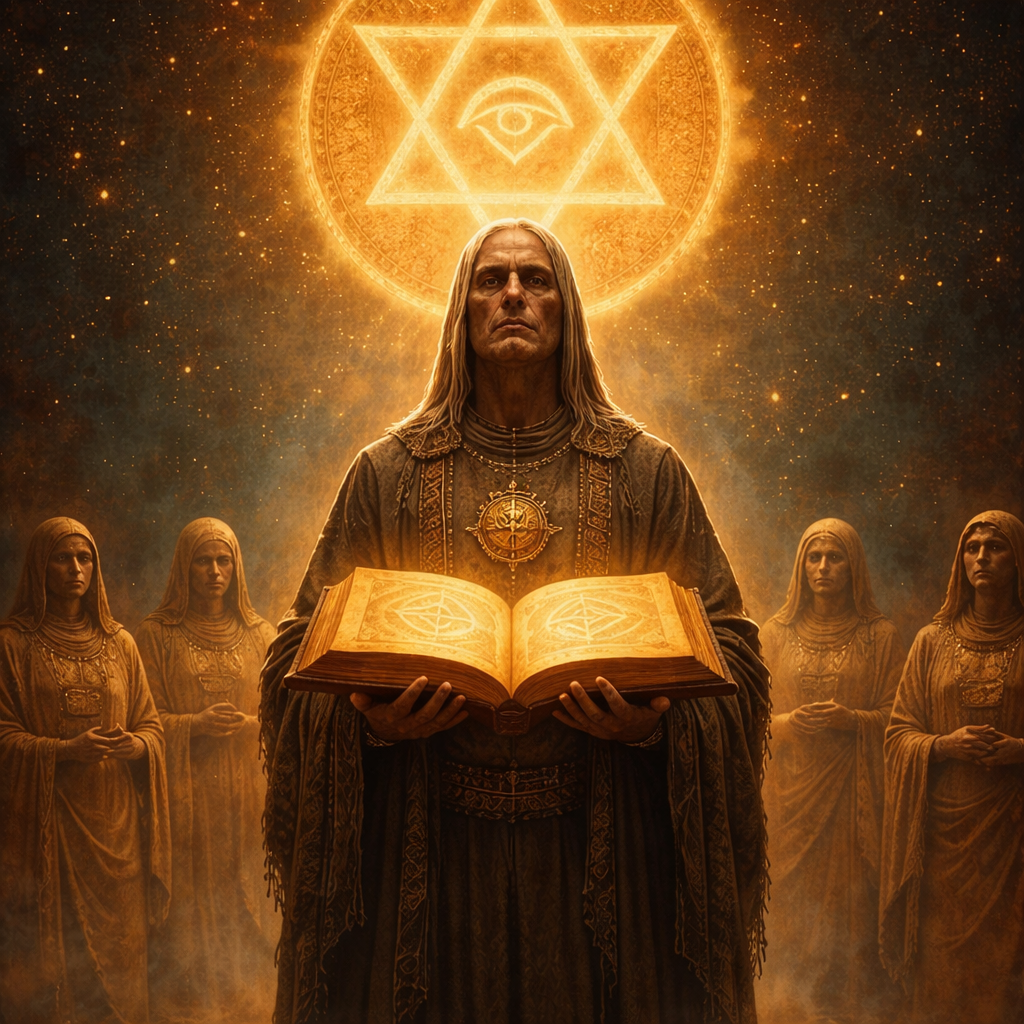

By Alaric Kestrel (Metaphysical Studies Reviewer) — Papus's 'The Qabalah' stands as a beacon for neophytes and seasoned practitioners alike, offering a lucid and authoritative introduction to the profound mysteries of Jewish esotericism. Kestrel expertly navigates the complex landscape of Kabbalistic thought, clearly delineating the core tenets and distinguishing seminal texts from allied traditions. This work excels in its ability to demystify intricate concepts without sacrificing their inherent depth. It is an essential primer for anyone serious about engaging with the Tree of Life, divine correspondences, and the spiritual cosmology that has captivated minds for centuries. Its structured approach makes it an invaluable resource for understanding the foundational principles of this ancient wisdom.
📝 Description
62
Embark on a profound journey into the heart of ancient Hebrew mysticism with Papus's seminal work, 'The Qabalah'. This meticulously crafted volume serves as an indispensable gateway for those seeking to unravel the intricate tapestry of Kabbalistic thought. Papus guides the neophyte with unparalleled clarity, illuminating the distinct pathways of esoteric wisdom, separating the foundational texts like the Sepher Yetzirah and the Zohar from tangential Hebrew traditions. Within these pages lie the keys to unlocking cosmic secrets, understanding the divine emanations, and perceiving the hidden architecture of reality. The atmosphere is one of hushed reverence, inviting contemplation and deep introspection. This book is not merely a historical account but a living conduit to timeless gnosis, designed for the earnest seeker, the budding occultist, and the scholar yearning to grasp the philosophical underpinnings of one of humanity's most enduring mystical systems. Prepare to have your perception of the universe transformed as you delve into the profound symbolism and spiritual insights that define the Qabalah.
✍️ Author
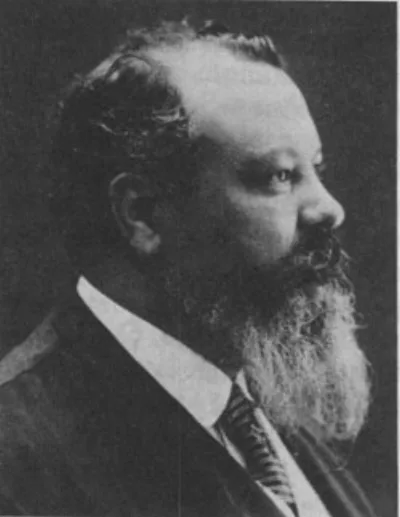
Papus
Gérard Anaclet Vincent Encausse (13 July 1865 – 25 October 1916), whose esoteric pseudonyms were Papus and Tau Vincent, was a French physician, hypnotist, and popularizer of occultism, who founded the modern Martinist Order. == Early life == Gerard Encau…
💡 Why Read This Book?
This book is essential for anyone seeking to understand the foundational principles of Kabbalah. Papus provides a clear roadmap, distinguishing core Qabalistic texts from broader Hebrew traditions. It's ideal for beginners eager to grasp the Tree of Life, scholars researching esoteric systems, and practitioners aiming to deepen their understanding of mystical symbolism and its application.
⭐ Reader Reviews
Honest opinions from readers who have explored this book.
❓ Frequently Asked Questions
What is the primary purpose of this book for a beginner?
This book serves as a foundational guide, clarifying the essential Qabalistic texts and their place within the broader context of Hebrew mystical traditions, making complex ideas accessible for the first time.
How does Papus distinguish Qabalistic works from other Hebrew traditions?
Papus meticulously separates purely Qabalistic treatises, such as the Sepher Yetzirah and the Zohar, from associated Hebrew writings, providing a clear academic and spiritual demarcation for the reader.
Is this book suitable for someone with no prior knowledge of the Qabalah?
Yes, Papus's work is specifically designed to inform and guide those undertaking their first study of the Qabalah, offering a structured and accessible entry point into this profound subject.
What are the main benefits of studying the Qabalah?
Studying the Qabalah offers insights into the nature of God, the universe, and the human soul, providing a framework for spiritual growth, self-understanding, and the perception of hidden cosmic order.
Can this book be considered a primary source for Qabalistic study?
While Papus synthesizes and explains, it serves as an excellent secondary source that directs readers towards primary texts like the Zohar and Sepher Yetzirah, offering context and interpretation.
🔮 Key Themes & Symbolism
The Tree of Life: A Cosmic Blueprint
This work delves deeply into the Sephiroth, the ten divine emanations that form the Tree of Life, presenting it not just as a symbol but as a living, dynamic map of creation and consciousness. Papus elucidates how each Sephirah represents a distinct aspect of the divine and a stage in the process of manifestation, offering a profound understanding of the interconnectedness of all things. The exploration of the paths between the Sephiroth reveals the intricate pathways of spiritual ascent and descent, providing a framework for self-discovery and cosmic realization. This section is crucial for grasping the Qabalistic cosmology and its practical applications in spiritual work.
Hebrew Alphabet and Gematria: Keys to the Divine Language
Papus illuminates the sacred nature of the Hebrew alphabet, revealing its power as more than mere letters but as carriers of cosmic force and divine intelligence. The book explores Gematria, the practice of assigning numerical values to Hebrew letters, showcasing how it unlocks hidden meanings within sacred texts and reveals divine correspondences. This profound connection between language, number, and spirit is presented as a fundamental tool for decoding the universe's underlying structure. Understanding these principles allows the reader to perceive the divine hand in creation and to engage with the Qabalah on a deeper, more analytical level.
The Zohar and Sepher Yetzirah: Pillars of Qabalistic Wisdom
This volume critically examines the foundational texts of Qabalistic thought: the Zohar, the radiant book of splendor, and the Sepher Yetzirah, the book of formation. Papus provides essential context, explaining their unique contributions to the mystical tradition and differentiating them from other Hebrew theological works. He guides readers through their core teachings, highlighting their mystical narratives, cosmological insights, and initiatory instructions. Understanding these seminal works is presented as paramount for any serious student of the Qabalah, offering direct access to the ancient wisdom that has shaped Western esotericism.
💬 Memorable Quotes
“He who wishes, for the first time, to undertake a study of the Qabalah...”
— This introductory phrase sets the stage, signaling the book's intention to be a primary guide for novices entering the esoteric world of Kabbalah.
“...must be informed of the exact place to be occupied by purely Qabalistic works...”
— Highlights the importance of accurate categorization and understanding the specific nature of Qabalistic texts versus broader Hebrew traditions.
“...such as the Sepher Yetzirah and the Zohar...”
— Names the cornerstone texts of Kabbalah, emphasizing their central role in the study and practice of this mystical tradition.
“...as distinct from other treatises related to the Hebrew tradition.”
— Underscores the need for discernment, ensuring the student focuses on the unique esoteric principles of Kabbalah itself.
“The Qabalah unveils the architecture of the cosmos and the soul.”
— A concise statement on the dual focus of Qabalistic study: understanding the external universe and the internal spiritual landscape.
🌙 Esoteric Significance
Tradition
The Qabalah is a cornerstone of Jewish mysticism, but Papus's work bridges this into the broader Western esoteric tradition. It is seen as a vital component within Hermeticism, ceremonial magic, and various occult orders, providing a framework for understanding divine emanations, cosmic correspondences, and the path of spiritual initiation.
Symbolism
Key symbols include the Tree of Life (representing the universe and spiritual evolution), the Hebrew alphabet (seen as primal creative forces), and numerical correspondences (Gematria) that unlock hidden meanings. These symbols are not mere representations but are believed to be active forces that, when understood, allow for communion with higher realms and deeper self-awareness.
Modern Relevance
In contemporary times, the Qabalah continues to be profoundly relevant for personal growth, psychological insight, and spiritual development. Its principles offer a sophisticated model for understanding consciousness, the interconnectedness of life, and the archetypal forces at play in the universe, resonating with seekers interested in mindfulness, esoteric psychology, and holistic spiritual practices.
👥 Who Should Read This Book
This book is an indispensable resource for several audiences. For the **beginner** in esoteric studies, it provides a clear, structured introduction to a complex subject, demystifying its core concepts. **Scholars** of religious studies and comparative mysticism will find it a valuable synthesis and a point of reference for understanding 19th-century interpretations of Kabbalah. **Spiritual seekers** will discover profound insights into the nature of reality, the divine, and the human soul, offering a roadmap for inner exploration. **Practitioners** of occult arts and meditation will benefit from its detailed explanations of symbolism and cosmology, enhancing their ritual and contemplative practices.
📜 Historical Context
Papus's 'The Qabalah', published in the late 19th century, emerged during a period of intense resurgence and widespread interest in occultism and esoteric traditions across Europe. This era, often referred to as the 'Occult Revival', saw scholars, mystics, and artists delving into ancient texts and philosophies, seeking alternatives to prevailing rationalism. Papus, a prominent figure in French occultism, aimed to systematize and present complex esoteric knowledge in an accessible manner. His work on the Qabalah contributed significantly to the popularization and academic study of Jewish mysticism, bridging the gap between scholarly research and practical occult application. The book reflects the era's fascination with hidden knowledge, symbolic systems, and the quest for spiritual understanding beyond conventional religious dogma.
📔 Journal Prompts
Reflect on the concept of divine emanation as described in the Qabalah. How might this apply to your own life's journey or creative processes?
Consider the Hebrew alphabet as described by Papus. How can the idea of letters as fundamental forces influence your perception of language and communication?
The Tree of Life is presented as a map. What 'paths' or connections on this tree resonate most with your current life challenges or aspirations?
How does understanding the distinction between purely Qabalistic works and related Hebrew traditions change your approach to studying esoteric texts?
Papus emphasizes the importance of 'exact place'. What does this concept of accurate positioning and understanding mean in your personal or spiritual quest?
🗂️ Glossary
Qabalah
An esoteric tradition within Judaism that explores the mystical relationship between God, humanity, and the universe, often visualized through the Tree of Life.
Sepher Yetzirah
An ancient Kabbalistic text, considered one of the earliest sources of Qabalistic thought, focusing on the creation of the universe through letters and numbers.
Zohar
A foundational work of Kabbalah, written in Aramaic, that offers mystical interpretations of the Torah and explores the nature of God and creation.
Sephiroth
The ten divine emanations or attributes of God that form the structure of the Tree of Life in Kabbalistic cosmology.
Gematria
A Kabbalistic method of interpreting the Hebrew scriptures by calculating the numerical value of words and phrases, revealing hidden connections.