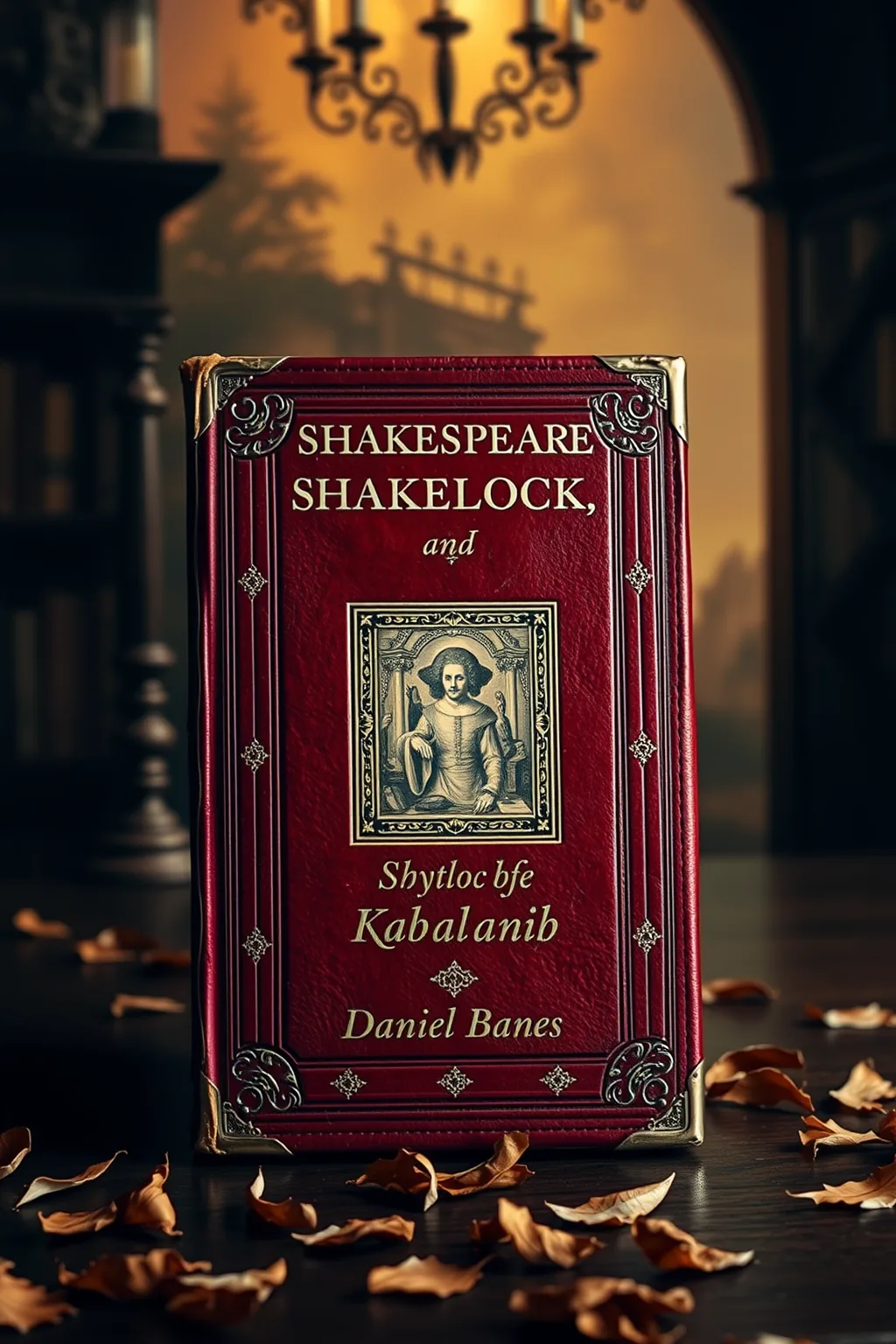
Shakespeare, Shylock, and Kabbalah
 61
61

Shakespeare, Shylock, and Kabbalah



Cassian Rothmann (Senior Critic, Ancient Wisdom) — Daniel Banes' 'Shakespeare, Shylock, and Kabbalah' is a revelation, peeling back the layers of theatrical convention to expose the profound Kabbalistic underpinnings of one of literature's most debated characters. Banes demonstrates an exceptional command of both Shakespearean scholarship and esoteric Jewish thought, forging a compelling argument for the influence of Kabbalah on Shylock's portrayal. This work offers illuminating insights into the character's spiritual and philosophical dimensions, revealing a depth previously obscured. It is an indispensable resource for scholars, students of mysticism, and anyone seeking a richer understanding of the interplay between literature, faith, and the esoteric traditions. A truly masterful exploration.
📝 Description
61
Daniel Banes connects Shakespeare's Shylock to Kabbalistic thought.
Daniel Banes' "Shakespeare, Shylock, and Kabbalah" examines the potential influence of Jewish mysticism on Shakespeare's portrayal of the character Shylock in "The Merchant of Venice." Banes argues that Shylock is not simply a villain but a figure shaped by Kabbalistic ideas, giving him deeper symbolic weight. The book looks at how concepts like the Sefirot and the Golem myth, drawn from Kabbalistic teachings, might illuminate Shylock's actions, his isolation, and his pursuit of justice or a larger cosmic balance.
This study suggests that literary characters can be understood through the cultural and spiritual traditions that inform their creation. Banes' work offers a way to see classic literature with new eyes, considering the hidden spiritual forces that shape stories and our perception of the divine. It is for readers interested in the deeper meanings within literature and the esoteric underpinnings of narrative.
This book situates itself within the study of Western esotericism by examining the historical and theological connections between Kabbalah and English Renaissance literature. It engages with the tradition of interpreting religious and mystical texts for their symbolic and philosophical content, applying these methods to a canonical work of English drama. The research considers how esoteric traditions, often operating outside mainstream religious discourse, can inform the creation and understanding of cultural artifacts, particularly how they might have subtly shaped character development and thematic resonance in Elizabethan theater.
💡 Why Read This Book?
Uncover the hidden esoteric dimensions of Shakespeare's iconic character, Shylock. Explore the profound connection between Kabbalistic philosophy and dramatic literature. Gain new perspectives on themes of justice, alienation, and hidden knowledge. Ideal for literature scholars, Kabbalah practitioners, and seekers of mystical insights within classic texts.
⭐ Reader Reviews
Honest opinions from readers who have explored this book.
❓ Frequently Asked Questions
Does the book claim Shakespeare was a practicing Kabbalist?
The book explores the *influence* of Kabbalistic ideas on Shakespeare's era and how these concepts might manifest in his characterization of Shylock, rather than asserting direct personal practice by the playwright himself. It focuses on the cultural and intellectual currents of the time.
Is prior knowledge of Kabbalah required to understand this book?
While familiarity with Kabbalistic concepts would enhance the reading experience, Daniel Banes provides clear explanations of essential terms and ideas, making the book accessible to those new to the subject, while still offering depth for seasoned practitioners.
What specific Kabbalistic texts or ideas are discussed?
The book delves into concepts such as the Sefirot, gematria, the Zohar, and the Golem mythos, examining how these esoteric frameworks can illuminate Shylock's character, motivations, and his position within the play's narrative.
How does this book change the interpretation of Shylock?
It reframes Shylock not merely as a villainous moneylender, but as a figure potentially embodying complex Kabbalistic principles related to divine justice, cosmic balance, and the hidden forces of the universe, offering a more nuanced and spiritually rich understanding.
Is this book suitable for academic study?
Absolutely. 'Shakespeare, Shylock, and Kabbalah' offers a unique interdisciplinary approach, bridging literary criticism with religious studies and the history of esoteric thought, making it a valuable resource for academic research and discourse.
🔮 Key Themes & Symbolism
Kabbalistic Symbolism in Character Archetypes
This theme explores how ancient Kabbalistic symbolism, particularly concerning divine emanations and cosmic principles, can be found mirrored in the archetypal characters of classic literature. It suggests that the character of Shylock may not be a mere invention but a vessel through which deeper esoteric truths about human nature, justice, and the divine order are expressed. Banes meticulously dissects Shylock's pronouncements and actions, aligning them with specific Kabbalistic concepts to reveal a hidden layer of meaning, transforming our perception of the character from a simple dramatic figure to a complex embodiment of spiritual forces.
The Golem and the Creation of Identity
Central to the Kabbalistic tradition is the concept of the Golem, an artificial being animated through mystical means. This book examines how the themes surrounding the Golem—creation, animation, and the potential for the created to surpass its creator or embody unintended consequences—resonate profoundly with Shylock's portrayal. Banes posits that Shylock, in his alienation and his demand for a pound of flesh, might represent a distorted echo of the Golem narrative, reflecting anxieties about identity, purpose, and the complex relationship between the created and the divine, or societal structures.
Hidden Knowledge and Esoteric Interpretation
The allure of esoteric traditions lies in their promise of hidden knowledge, accessible only to the initiated or the dedicated seeker. 'Shakespeare, Shylock, and Kabbalah' champions this very idea by demonstrating how literary masterpieces can serve as conduits for such wisdom. The book invites readers to engage in an act of esoteric interpretation, to look beyond the surface narrative and uncover the veiled meanings embedded within the text. It encourages a deeper, more contemplative reading practice, where the symbols and dialogues become keys to unlocking profound philosophical and spiritual insights that resonate with the timeless quest for understanding.
💬 Memorable Quotes
Direct passages from the work, attributed to the author.
“In Shylock's shadow, the Sefirot cast their light.”
— Implying that the character of Shylock, despite his tragic circumstances, reflects the divine emanations of Kabbalistic cosmology, revealing a hidden spiritual architecture within the play.
“The alien voiced the ancient covenant.”
— This highlights the paradox of Shylock, an outsider, articulating profound truths rooted in ancient Jewish mystical traditions, suggesting his role transcends simple dramatic conflict.
“From gilded cage to Golem's plea.”
— This evocative phrase links Shylock's societal confinement and his desperate pleas to the Kabbalistic myth of the Golem, exploring themes of creation, purpose, and the struggle for self-definition.
“The silent cipher of a mystic's art.”
— Suggests that Shylock's character functions as a coded message, a deliberate, albeit veiled, expression of esoteric knowledge and artistic intent rooted in mystical traditions.
💡 Key Ideas
Editorial paraphrase of the work's core concepts — not direct quotes.
The pound of flesh, a debt to cosmic balance.
This quote suggests Shylock's demand is not merely financial but a spiritual transaction, an echo of Kabbalistic principles of karmic return and the balancing of universal forces.
🌙 Esoteric Significance
Tradition
This book is deeply rooted in the Kabbalistic tradition, particularly the Lurianic Kabbalah and its interpretations of divine emanations (Sefirot), cosmic repair (Tikkun Olam), and the nature of creation. It explores how these complex mystical concepts, often associated with Jewish mysticism, might have been subtly woven into the fabric of Shakespeare's dramatic works, particularly in the character of Shylock, revealing him as a figure imbued with symbolic weight beyond mere dramatic function.
Symbolism
The work meticulously examines key Kabbalistic symbols and their potential manifestations within the play. This includes the Sefirot, representing divine attributes and stages of creation; gematria, the mystical interpretation of Hebrew letters and words for hidden meanings; and the concept of the Golem, an artificial being. Banes illustrates how Shylock's demands, his pronouncements, and his very existence can be interpreted through these symbolic lenses, offering a richer, more profound understanding of his role and significance within the play's overarching narrative.
Modern Relevance
In an age often characterized by secularism and fragmented identities, 'Shakespeare, Shylock, and Kabbalah' offers a compelling argument for the enduring relevance of esoteric wisdom. It demonstrates that ancient mystical traditions can provide profound frameworks for understanding human psychology, societal dynamics, and the quest for meaning. By revealing the potential for deep symbolic meaning within classic literature, the book encourages a more contemplative and insightful engagement with art, fostering a deeper appreciation for the hidden currents that shape our world and our individual journeys.
👥 Who Should Read This Book
This useful text is essential for literary scholars seeking to expand their analytical toolkit with esoteric interpretations. Kabbalah practitioners will find a unique bridge between ancient mystical texts and iconic Western literature. Seekers of hidden knowledge and philosophical depth will discover new layers of meaning in Shakespeare's masterpiece. Even readers new to Kabbalah will benefit from Banes' clear explanations, making it an accessible yet profound exploration for anyone interested in the intersection of literature, mysticism, and the human condition.
📜 Historical Context
Written during a period of burgeoning interest in ancient texts and esoteric philosophies across Europe, Daniel Banes' work situates Shakespeare's 'The Merchant of Venice' within a rich intellectual milieu. The Elizabethan and Jacobean eras saw a fascination with Neoplatonism, Hermeticism, and Kabbalah, with thinkers and artists exploring these traditions for their insights into the universe, human nature, and divine order. The presence of Jewish communities in London, though often marginalized, and the circulation of translated Kabbalistic texts meant that these ideas were not entirely unknown. Banes argues that the complex character of Shylock, a departure from more simplistic portrayals of Jews in contemporary literature, may have been shaped by these esoteric currents, offering a nuanced embodiment of themes like justice, covenant, and the hidden workings of the cosmos, reflecting a society grappling with profound spiritual and philosophical questions.
📔 Journal Prompts
How does Shylock's demand for a pound of flesh resonate with Kabbalistic concepts of balance and retribution?
In what ways can Shylock be seen as an embodiment of the Golem myth, and what does this reveal about his character and societal role?
Consider a contemporary character from literature or film; how might Kabbalistic principles offer a new interpretation of their motivations and struggles?
Explore the idea of 'hidden knowledge' in your own life or in a work of art you admire. What secrets does it hold, and how do you seek to uncover them?
Reflect on the concept of 'alienation' as portrayed by Shylock. How does this theme connect with broader Kabbalistic ideas about separation from the divine or cosmic disharmony?
🗂️ Glossary
Sefirot
In Kabbalah, ten divine emanations or attributes through which God reveals Himself and interacts with the created universe. They form a mystical tree of life, guiding understanding of divine presence and cosmic structure.
Gematria
A Kabbalistic method of interpreting Hebrew words by assigning numerical values to letters and seeking hidden meanings in words with identical numerical sums. It reveals connections between concepts and texts.
Golem
An artificial anthropomorphic being created from inanimate matter, such as clay, and brought to life through mystical means in Jewish folklore. It often symbolizes the potential for creation and the consequences of unchecked power.
Tikkun Olam
A Hebrew phrase meaning 'repair of the world.' In Kabbalah, it refers to the cosmic task of healing and restoring harmony to the universe, often seen as a human responsibility facilitated by mystical practices.
Zohar
The foundational work of Kabbalistic literature, a mystical commentary on the Torah. It is written in a form of Aramaic and explores profound theological and cosmological themes, often through allegorical narratives and symbolic interpretations.
This book appears in 1 collection
🔮 Readers Also Liked
Browse all →








From the “Kabbalah” Collection
View all →







More Free Kabbalah & Jewish Mysticism Books
View all →