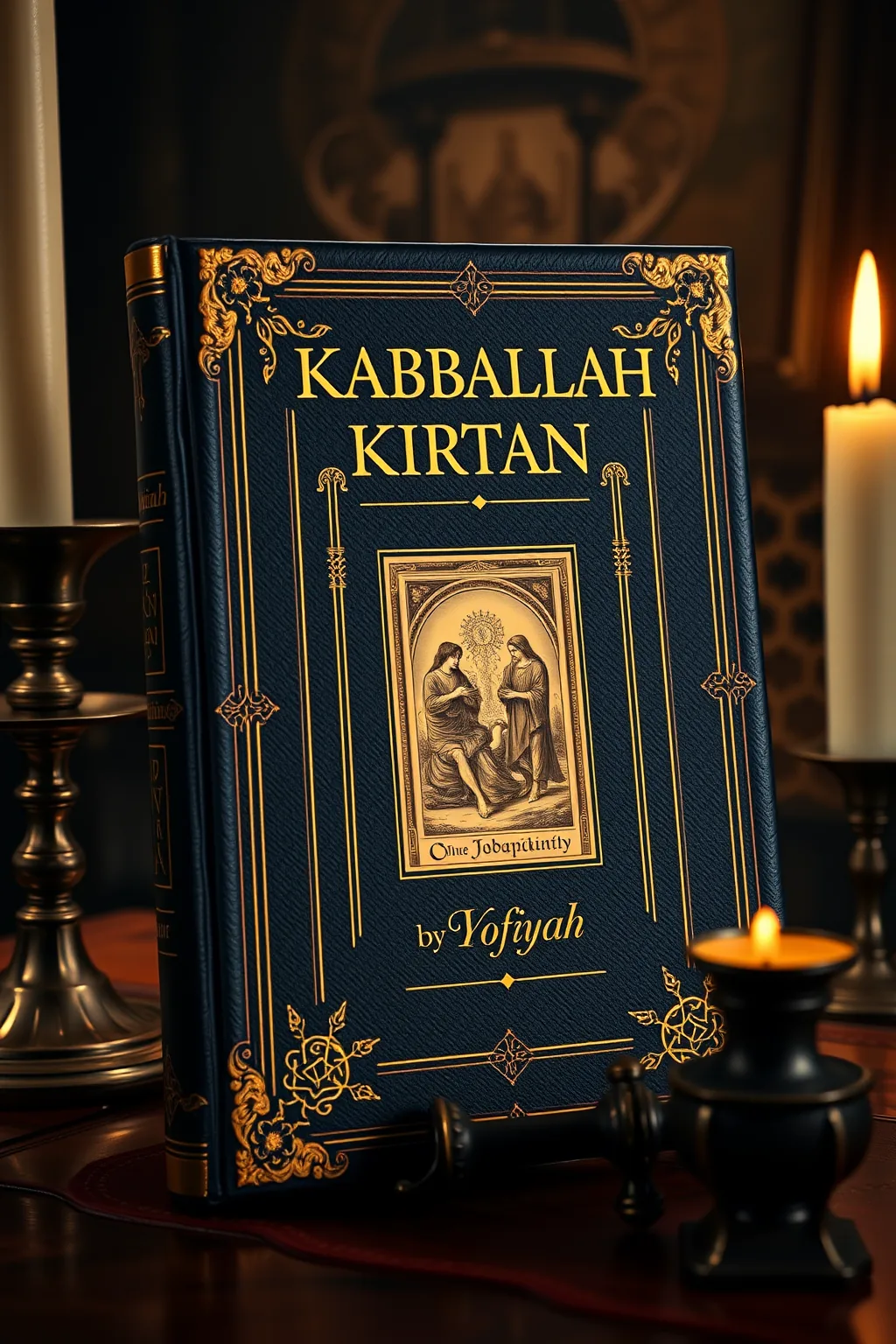
Kabbalah Kirtan
 61
61

Kabbalah Kirtan


Cassian Rothmann (Senior Critic, Ancient Wisdom) — Yofiyah's Kabbalah Kirtan is a remarkable and much-needed bridge between two potent esoteric traditions. The author demonstrates an exceptional command of Kabbalistic principles, presenting them not as dry dogma, but as living, breathing pathways to spiritual realization. The integration of kirtan is inspired, offering a unique sonic key to unlock the profound symbolism of the Sefirot and the divine name. This work is a testament to the universality of mystical experience, proving that the pursuit of the divine can resonate across cultural and linguistic divides. Highly recommended for advanced students of mysticism and anyone seeking a deeper, embodied understanding of the Kabbalah.
📝 Description
61
Yofiyah's Kabbalah Kirtan (2023) fuses Jewish mysticism with Sanskrit chants.
This book connects the Kabbalistic Sefirot, or divine emanations, with the practice of kirtan, a devotional chanting tradition. Yofiyah explains how the structure of the Sefirotic Tree can be understood and experienced through the use of sound and meditation. The text examines mystical interpretations of Hebrew letters and the cosmology presented in texts like the Zohar. It includes exercises designed to help readers develop spiritual awareness. The aim is to foster a more direct connection with the infinite, the Ein Sof, by using kirtan as a tool for contemplative practice. The book addresses both those familiar with Kabbalah and those new to its concepts.
Kabbalah Kirtan operates within the realm of Jewish mysticism, specifically drawing on Lurianic Kabbalah and its visualization of the Sefirot. It bridges this with devotional practices found in Indic traditions, particularly the use of mantra and chant (kirtan) for spiritual attainment. The book uses the Kabbalistic framework, including concepts from the Zohar, as a map for internal contemplation, enhanced by the sonic resonance of Sanskrit chants. This synthesis aims to create a unique experiential path toward understanding the divine, moving beyond purely intellectual study into embodied practice.
💡 Why Read This Book?
Delve into the esoteric heart of Kabbalah through the transformative power of sacred sound. Kabbalah Kirtan offers a unique experiential approach to Jewish mysticism, revealing hidden connections between the Sefirot and the soul's ascent. Ideal for spiritual seekers, practitioners of contemplative traditions, and scholars interested in cross-cultural mystical synthesis, this book provides practical tools for deeper self-discovery and divine communion.
⭐ Reader Reviews
Honest opinions from readers who have explored this book.
❓ Frequently Asked Questions
What is Kabbalah Kirtan?
Kabbalah Kirtan is a unique spiritual practice that harmoniously blends the ancient wisdom of Kabbalah, the Jewish mystical tradition, with the ecstatic devotional chanting known as Kirtan, originating from Indian traditions. It seeks to unite the contemplative depths of Kabbalistic concepts with the vibrational power of sacred sound for spiritual growth.
Is prior knowledge of Kabbalah or Kirtan required?
While a basic familiarity with either tradition can enhance the experience, Yofiyah carefully guides readers through the core concepts. The book is designed to be accessible to both newcomers and those with existing knowledge, offering a unique entry point into this synthesized practice.
What are the Sefirot?
The Sefirot are the ten divine emanations or attributes through which God, the Ein Sof (Infinite), reveals itself and interacts with creation in Kabbalistic cosmology. They represent various aspects of the divine, from wisdom and understanding to compassion and sovereignty, and form the structure of the Tree of Life.
How does Kirtan enhance Kabbalistic study?
Kirtan, through its repetitive chanting and melodic structure, can induce altered states of consciousness, facilitating deeper intuition and direct experience of Kabbalistic concepts. The vibrational energy of the chants can help to 'activate' the symbolic meanings of the Sefirot and Hebrew letters, moving beyond intellectual understanding to embodied realization.
What is the intended outcome of practicing Kabbalah Kirtan?
The practice aims to foster spiritual connection, enhance self-awareness, and promote a deeper understanding of the divine presence within oneself and the universe. It offers a pathway to greater harmony, insight, and ultimately, spiritual liberation through the integrated application of Kabbalistic wisdom and devotional sound.
🔮 Key Themes & Symbolism
The Sefirotic Symphony
This theme explores the profound resonance between the ten Sefirot, the divine emanations of Kabbalah, and the vibrational frequencies of sacred chants. Yofiyah illuminates how specific sonic patterns and devotional practices can serve as keys to unlocking the archetypal energies of each Sefirah, from Keter's crown of wisdom to Malkuth's earthly kingdom. It looks at the idea that the Tree of Life is not merely a static diagram but a dynamic energetic matrix that can be activated and experienced through the focused intention and ecstatic release inherent in Kirtan, fostering a holistic approach to spiritual ascent.
Elements of the Divine Name
This central theme investigates the power of Hebrew letters and sacred names within Kabbalistic tradition, and how their inherent spiritual vibrations can be amplified and experienced through the practice of Kirtan. Yofiyah posits that the pronunciation and chanting of divine names, imbued with centuries of mystical intent, can resonate with the very fabric of creation. The book explores how the rhythmic repetition in Kirtan acts as a vehicle for purification, concentration, and the invocation of divine presence, allowing the practitioner to move beyond intellectual comprehension to a direct, felt apprehension of the divine essence.
The Union of East and West
Kabbalah Kirtan represents a masterful confluence of two ancient spiritual streams: the esoteric wisdom of Jewish mysticism and the devotional yoga of Indian traditions. This theme highlights the universality of mystical aspirations and the powerful synergies that emerge when seemingly disparate paths are brought into dialogue. Yofiyah demonstrates how the contemplative depth of Kabbalah finds a powerful, expressive outlet in the ecstatic surrender of Kirtan, creating a potent practice that transcends cultural boundaries and speaks to the timeless human quest for connection with the divine, offering a unified path to spiritual realization.
💬 Memorable Quotes
Direct passages from the work, attributed to the author.
“In the echo of the chant, the silent letters of Torah find their voice.”
— This speaks to how the vibrational energy of Kirtan can animate and bring to life the hidden meanings within the sacred Hebrew texts, transforming static symbols into palpable spiritual experiences.
“To chant is to tie oneself into the divine collection, thread by luminous thread.”
— This metaphor highlights the act of devotional chanting as a participatory process, a way of actively engaging with and becoming a part of the divine order and creation itself.
“Seek the Infinite not in distant heavens, but in the reverberations of your own awakened heart.”
— This underscores the immanent nature of the divine, suggesting that the profound experience of the Infinite is accessible within the practitioner's own inner being, particularly through the emotional and vibrational release of devotional practice.
💡 Key Ideas
Editorial paraphrase of the work's core concepts — not direct quotes.
The Sefirot are not mere concepts, but living currents of divine energy waiting to be sung into being.
This quote emphasizes the dynamic and experiential nature of Kabbalistic principles, suggesting that true understanding comes not just from intellectual study but from active invocation and engagement, particularly through the resonant power of sacred sound.
The Tree of Life blossoms not in silence, but in the symphony of the soul's devotion.
This quote suggests that the full realization and manifestation of the Kabbalistic Tree of Life are achieved through the active expression of spiritual fervor and heartfelt devotion, embodied in practices like Kirtan.
🌙 Esoteric Significance
Tradition
This work is firmly rooted in the esoteric tradition of Kabbalah, specifically the Lurianic Kabbalah and its later developments, which focus on Tikkun (rectification) and the ascent of the soul. It also draws heavily from the esoteric practices of Bhakti yoga and the use of mantra and sound as vehicles for spiritual transformation. The integration offers a unique approach to accessing hidden divine realms and achieving spiritual union.
Symbolism
Key symbols include the Sefirot (divine emanations), the Hebrew alphabet (as carriers of divine energy), and the Tree of Life (as a map of consciousness and creation). The Kirtan element introduces the symbolism of sound, vibration, and repetition as tools to activate these Kabbalistic symbols, transforming them from abstract concepts into palpable, experiential realities within the practitioner.
Modern Relevance
In a world often characterized by fragmentation and disconnection, Kabbalah Kirtan offers a powerful path toward inner coherence and spiritual integration. Its relevance lies in providing accessible, experiential tools for reading through the complexities of modern life, fostering a deeper connection to the self, the divine, and the interconnectedness of all things, bridging ancient wisdom with contemporary spiritual seeking.
👥 Who Should Read This Book
This book is a profound treasure for a diverse audience. For the dedicated **Kabbalist**, it offers a novel and experiential dimension to their studies, revealing the energetic and sonic keys to unlocking the Sefirot. **Seekers** of spiritual truth, regardless of their background, will find an inviting pathway to explore the profound mysteries of existence through accessible language and devotional practice. **Practitioners** of meditation and yoga will discover how Kirtan can be synergistically combined with Kabbalistic principles for enhanced spiritual growth. **Scholars** of comparative religion and mysticism will find a unique case study in cross-cultural spiritual synthesis, offering fresh insights into the universal nature of divine longing and expression.
📜 Historical Context
Kabbalah Kirtan emerges from a collection of mystical traditions that have sought to bridge the sacred and the mundane through symbolic language, contemplative practice, and ecstatic expression. The Kabbalistic tradition itself, which flourished in medieval Spain and the Ottoman Empire, developed intricate systems of cosmology and spiritual ascent, heavily influenced by earlier Gnostic and Neoplatonic thought, as well as Jewish philosophical traditions. Simultaneously, the practice of Kirtan, rooted in the Bhakti yoga movement of India, emphasizes devotion through the repetitive chanting of divine names and mantras. The synthesis presented by Yofiyah is a evidence of the universal human drive for spiritual connection, echoing historical instances where cross-cultural mystical dialogues have occurred, leading to innovative forms of spiritual exploration and practice. This work appeals to the modern esoteric revival, which often seeks to find common threads and integrate diverse spiritual technologies.
📔 Journal Prompts
Reflect on a time you felt a profound connection through sound or music. How did it resonate with the concepts of divine presence?
Meditate on one of the Sefirot. How can a specific chant or mantra amplify your understanding and experience of its essence?
Consider the Hebrew letters as energetic forms. Which letter's form or sound do you feel most drawn to, and why?
How does the concept of 'Ein Sof' (the Infinite) relate to the boundless nature of sound and vibration in Kirtan?
Explore the personal 'Tikkun' (rectification) you feel called to undertake. How can the practice of Kabbalah Kirtan support this journey?
🗂️ Glossary
Ein Sof
The Kabbalistic term for the Infinite, the unknowable, primordial essence of God that is beyond all conception or description. It represents the ultimate divine source from which all existence emanates.
Sefirot
The ten divine emanations or attributes through which the Ein Sof reveals itself and interacts with creation. They are conceptualized as a dynamic structure, the Tree of Life, representing various aspects of divine consciousness and energy.
Kirtan
A devotional practice originating from India, involving the call-and-response chanting of sacred names, mantras, or divine attributes. It is considered a powerful yoga of devotion (Bhakti yoga) that aims to induce ecstatic states and facilitate divine connection.
Tikkun
A central concept in Kabbalah, meaning 'rectification' or 'repair.' It refers to the cosmic process of restoring harmony and wholeness to creation, often involving the elevation of divine sparks and the healing of spiritual divisions.
Zohar
The foundational work of Kabbalistic literature, presented as a commentary on the Torah. It is written primarily in Aramaic and contains mystical interpretations, cosmological narratives, and discussions on the nature of God, the soul, and the universe.
This book appears in 1 collection
🔮 Readers Also Liked
Browse all →








From the “Kabbalah” Collection
View all →







More Free Kabbalah & Jewish Mysticism Books
View all →