Poetry of Kabbalah
 61
61

Poetry of Kabbalah


Celeste Moreau (Divination & Symbolism Reviewer) — Peter Cole's "Poetry of Kabbalah" is a luminous achievement, brilliantly translating the intricate tapestry of Jewish mysticism into evocative verse. Cole doesn't just recount Kabbalistic doctrines; he breathes life into them, revealing the profound, often ecstatic, journeys of the soul seeking union with the Divine. His poems capture the essence of hidden knowledge, the symbolic language of creation, and the profound interconnectedness of all things with remarkable clarity and grace. This collection is indispensable for anyone drawn to the esoteric traditions, offering both intellectual illumination and deep spiritual resonance. It is a testament to the power of poetry to access and convey truths that often elude direct articulation, making it a treasured addition for students and practitioners alike.
📝 Description
61
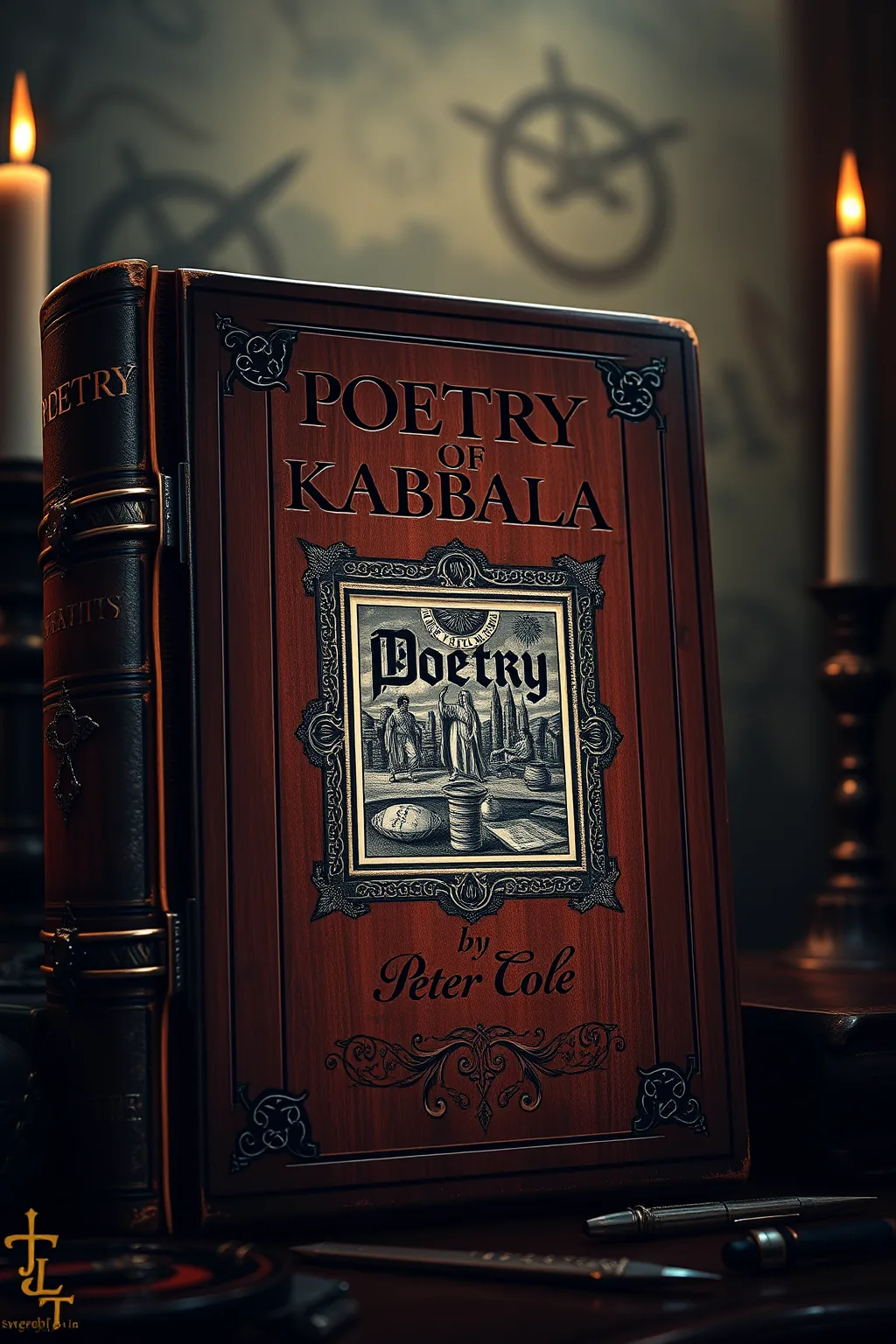
Peter Cole translated and presented these poems of Kabbalah in 2005.
This collection presents selected Kabbalistic texts, rendered into English verse by Peter Cole. The poems draw on traditional Jewish mystical concepts, including the Sephirot and divine emanations. Cole's translations aim to make these abstract ideas accessible, transforming theological notions into experiences that resonate with the reader. The work uses potent symbolism to suggest the structure of the cosmos and the connection between the everyday and the spiritual.
The poems evoke a sense of reverence and contemplative awe. They are suited for readers interested in understanding the universe through intuition and spiritual insight, not solely through intellect. The collection appeals to those seeking a lyrical introduction to esoteric Jewish thought and those aiming to deepen their spiritual practice. It offers a perspective on mystical currents that influence reality and highlights the poetic aspects of creation.
This book engages with Kabbalah, the esoteric tradition within Judaism. Kabbalah seeks to understand the divine nature and the relationship between God and the created world through mystical contemplation and interpretation of scripture. Key concepts often include the ten Sefirot, which are divine attributes or emanations through which God interacts with creation, and the complex symbolism used to describe the structure of the universe and the human soul's ascent. Cole's work places these mystical ideas within a poetic framework, aiming to convey their experiential and spiritual dimensions.
💡 Why Read This Book?
Embark on a profound journey into the heart of Jewish mysticism. "Poetry of Kabbalah" offers a unique, lyrical access to the complex symbolism and hidden wisdom of this ancient tradition. Ideal for seekers of spiritual knowledge, scholars of esoteric philosophy, and practitioners looking to deepen their understanding and connection to the divine through evocative and insightful verse.
⭐ Reader Reviews
Honest opinions from readers who have explored this book.
❓ Frequently Asked Questions
What is Kabbalah?
Kabbalah is a mystical tradition within Judaism that seeks to understand the nature of God and the universe through esoteric interpretation of scripture and symbolic contemplation. It explores divine emanations, the structure of reality, and the path to spiritual enlightenment.
What are the Sephirot?
The Sephirot are the ten divine attributes or emanations of God as described in Kabbalah. They form a complex schema representing the stages of creation and the different aspects of the divine presence accessible to humanity.
Is this book suitable for beginners?
Yes, while it delves deeply into esoteric concepts, Cole's poetic approach makes the 'Poetry of Kabbalah' accessible and engaging for those new to Kabbalistic studies, offering an intuitive entry point.
What is the role of symbolism in Kabbalah?
Symbolism is central to Kabbalah, used to represent abstract divine concepts, cosmic structures, and spiritual processes. The Tree of Life, Hebrew letters, and divine names are key examples of this rich symbolic language.
Can this poetry be used for meditation?
Absolutely. The contemplative nature of the verses, rich with spiritual imagery and profound concepts, lends itself beautifully to meditative practice, fostering inner reflection and connection.
🔮 Key Themes & Symbolism
Divine Emanation and Cosmic Architecture
This collection masterfully articulates the Kabbalistic concept of divine emanation, tracing the flow of God's energy from the Ein Sof (the Infinite) through the ten Sephirot. The poems explore the intricate 'architecture' of the cosmos, revealing how the divine manifests and structures reality. Readers will gain insight into the interconnectedness of all existence, from the highest spiritual realms to the material world, presented through evocative metaphors and symbolic language that illuminate the divine blueprint of creation.
The Ascent of the Soul and Mystical Union
Central to 'Poetry of Kabbalah' is the journey of the human soul striving for union with the Divine. Cole's verses depict the arduous yet ultimately ecstatic ascent through the spiritual planes, a process of purification and self-realization. The poems offer a profound exploration of the mystical path, touching upon themes of divine longing, the overcoming of egoic limitations, and the ecstatic experience of Gnosis. This theme speaks directly to the spiritual seeker's quest for transcendence and deeper connection.
Symbolic Language and Hidden Meanings
The very essence of Kabbalah lies in its rich and layered symbolism, and this collection serves as a conduit to its profound depths. Peter Cole expertly ties Hebrew letters, gematria, and archetypal imagery into his poetry, unlocking layers of hidden meaning. The reader is invited to decipher these symbols, understanding them not just as linguistic or numerical constructs, but as keys to the hidden workings of the universe and the divine mysteries. This theme encourages a deeper engagement with the esoteric language of spirituality.
💬 Memorable Quotes
Direct passages from the work, attributed to the author.
“The Tree of Life, a ladder to the stars.”
— This poetic metaphor illustrates the Sephirot's structure as a pathway or ascent, connecting the earthly realm to the divine heavens, symbolizing spiritual progression and divine knowledge.
“Each letter a spark of the boundless One.”
— This speaks to the Kabbalistic reverence for the Hebrew alphabet, viewing each character as a vessel containing divine energy and a fundamental building block of creation itself.
“The soul, a mirror reflecting the sacred fire.”
— This evocative image portrays the human soul's potential to reflect the divine essence, emphasizing its inherent connection to the sacred and its capacity for spiritual illumination.
💡 Key Ideas
Editorial paraphrase of the work's core concepts — not direct quotes.
Light streams from the void, a silent song.
This line captures the Kabbalistic concept of creation emerging from the infinite and unknowable God (the void), emphasizing the divine origin of all existence as a luminous, unspoken revelation.
Whispers of Gnosis in the heart's deep well.
This quote highlights the intuitive and experiential nature of mystical knowledge (Gnosis), suggesting it is found not through external seeking but through inner contemplation and spiritual awakening.
🌙 Esoteric Significance
Tradition
This work is deeply rooted in the Kabbalistic tradition, a core part of Jewish mysticism. It explores the Sephirot, the Tree of Life, divine emanations, and the esoteric interpretation of sacred texts. Kabbalah offers a framework for understanding the relationship between the divine and the created universe, and the path of the soul's journey towards spiritual perfection and union with God.
Symbolism
The poetry is saturated with potent Kabbalistic symbols such as the Tree of Life, the Hebrew letters, the divine names, and the concepts of light and void. These symbols are not merely decorative but serve as intricate keys to unlocking layers of spiritual meaning, representing cosmic structures, divine attributes, and the processes of creation and redemption. Understanding these symbols is crucial for grasping the profound esoteric insights offered.
Modern Relevance
In a world often characterized by disconnection and material focus, "Poetry of Kabbalah" offers a vital reminder of the transcendent and the interconnectedness of all things. Its exploration of inner journeys, symbolic language, and the search for meaning resonates deeply with contemporary seekers. The book provides tools for contemplation, spiritual growth, and a deeper appreciation for the hidden mystical currents that continue to shape our existence and understanding of the divine.
👥 Who Should Read This Book
This collection is a treasure for a diverse audience. **Beginners** to Kabbalah will find an intuitive and beautiful entry point, making complex ideas accessible through poetic imagery. **Scholars** of mysticism and religious studies will appreciate the nuanced interpretation and lyrical re-imagining of core Kabbalistic themes. **Spiritual seekers** yearning for deeper understanding of the divine and their place in the cosmos will find profound inspiration and guidance. **Practitioners** of contemplative traditions, regardless of background, can utilize the poems for meditation, reflection, and deepening their connection to the sacred.
📜 Historical Context
The "Poetry of Kabbalah" draws from centuries of rich Jewish mystical thought, primarily flourishing from the medieval period onwards. Originating in the esoteric circles of Provence and Spain, Kabbalah developed profound texts like the Zohar, which explored the mystical dimensions of Torah. This tradition sought to understand the divine nature, the creation of the universe, and the path to spiritual communion. Its influence extended beyond Jewish communities, subtly impacting various Western esoteric movements. Peter Cole's contemporary rendition bridges this ancient wisdom with modern sensibilities, making the profound, often abstract, concepts of Kabbalah accessible and relevant to a contemporary audience, preserving its core spiritual and philosophical tenets.
📔 Journal Prompts
Reflect on a moment when you felt a profound connection to something larger than yourself. How might this relate to the concept of divine emanation?
Consider a personal challenge you are facing. How could the structure of the Tree of Life offer a new perspective on navigating this difficulty?
Choose a poem from this collection that particularly appeals to you. What specific symbols or phrases stand out, and what deeper meanings might they hold for you?
Explore the idea of 'hidden knowledge.' How does the pursuit of esoteric understanding differ from conventional learning, and what is its value?
Meditate on the concept of the 'soul's ascent.' What steps can you take in your daily life to foster spiritual growth and a deeper connection to the divine?
🗂️ Glossary
Ein Sof
The Kabbalistic term for the Infinite, the utterly transcendent and unknowable aspect of God before manifestation or creation. It represents the absolute divine mystery beyond all conception or description.
Sephirot
The ten divine emanations or attributes of God described in Kabbalah, forming the 'Tree of Life.' They represent the stages of creation and the pathways through which divine energy flows into the world.
Tree of Life (Etz Chaim)
The central symbolic diagram in Kabbalah, depicting the interconnectedness of the ten Sephirot and the paths between them. It serves as a map of creation, consciousness, and the divine realms.
Gnosis
A Greek term referring to intuitive spiritual knowledge or insight. In mystical traditions, it signifies a direct, experiential understanding of the divine, often attained through contemplation and spiritual practice.
Malkuth
The tenth Sephirah, often translated as 'Kingdom.' It represents the material world, the physical manifestation of the divine, and the endpoint of divine emanation, as well as the point of return for the soul.
This book appears in 1 collection
🔮 Readers Also Liked
Browse all →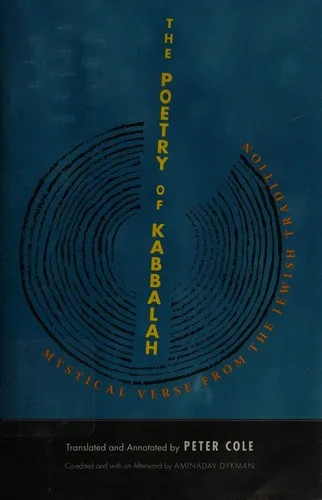





More by Peter Cole
All books →From the “Kabbalah” Collection
View all →







More Free Kabbalah & Jewish Mysticism Books
View all →