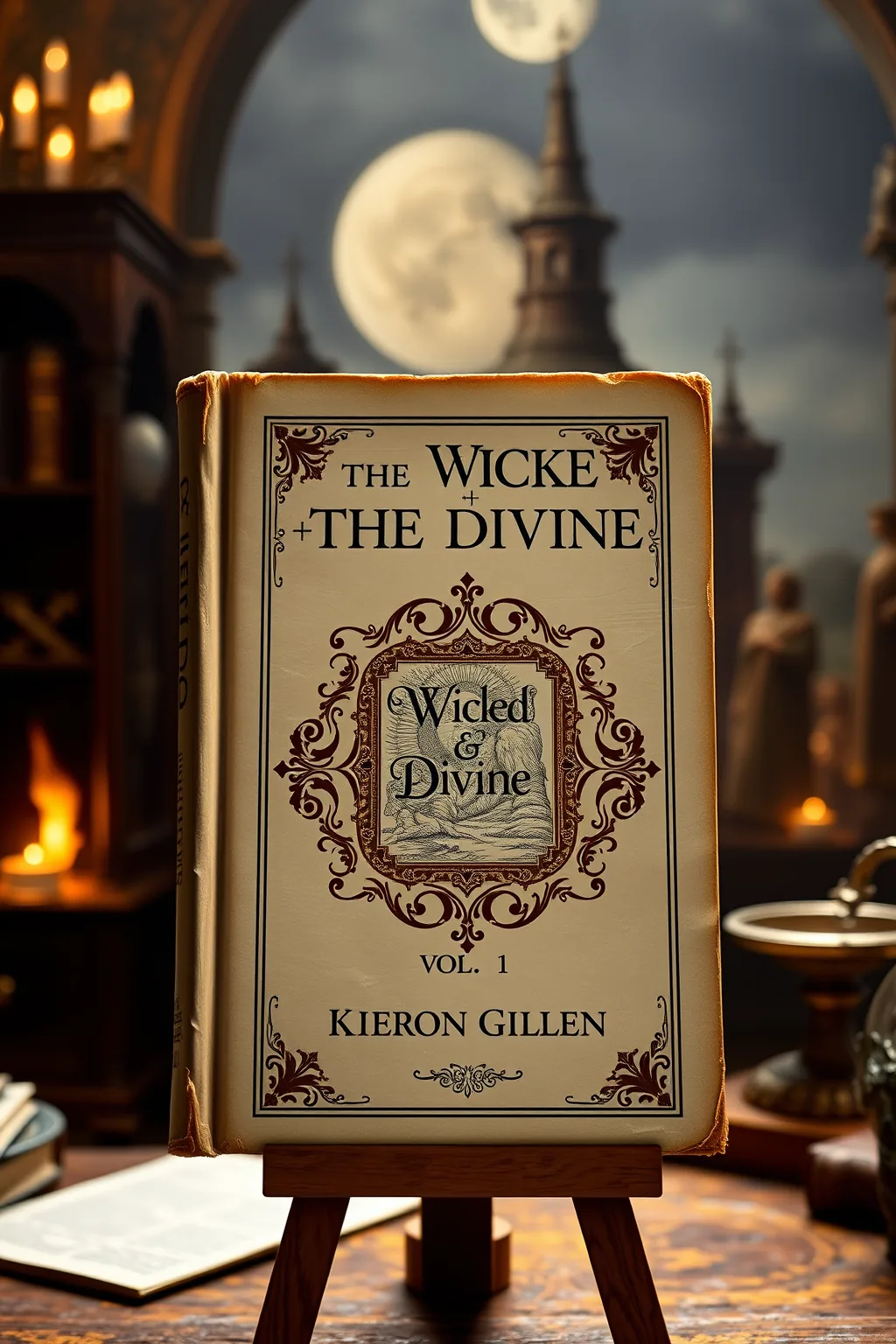
The Wicked + The Divine, Vol. 1
 79
79

The Wicked + The Divine, Vol. 1
The initial volume of The Wicked + The Divine immediately establishes a potent, if somewhat familiar, premise: gods walk the Earth as pop stars. Gillen’s dialogue crackles with a sharp, often cynical wit, particularly in the interactions between the various divine personalities. The series' strength lies in its audacious fusion of ancient myth with the brutal realities of modern celebrity culture, presenting a compelling, if frequently grim, vision. The central mystery surrounding the fate of the gods and the motivations of the shadowy "Infernals" is introduced effectively, pulling the reader into its orbit. However, the sheer density of characters and plot threads introduced in this first volume can feel overwhelming at times, occasionally sacrificing emotional depth for narrative momentum. The visual storytelling by McKelvie and Matt Wilson is undeniably striking, capturing both the divine grandeur and the grimy underbelly of this world. Ultimately, The Wicked + The Divine, Vol. 1 is a bold and stylish opening act that promises a dramatic exploration of divinity and mortality.
📝 Description
79
The Wicked + The Divine, Vol. 1, published in 2014, presents gods reincarnated as pop stars.
This first volume of Kieron Gillen and Jamie McKelvie's Image Comics series, released in 2014, establishes a world where twelve deities return every 90 years as young people. For a two-year period, they experience intense adoration and animosity before their destined deaths. The story begins with these figures appearing as modern celebrities, immediately creating tension and conflict. Readers who enjoy mythologically inspired narratives, social observation, and high drama will find this appealing. It is suited for those interested in how ancient archetypes clash with contemporary fame and its demands. The series also rewards fans of character focused stories that feature a striking visual style and a somber, often tragic, tone.
The narrative introduces the core conflict between the Pantheon and the Infernals. The Pantheon comprises twelve gods chosen to live among humans, wielding their power briefly before their end. This cycle drives the plot, touching on themes of mortality, renown, and the recurring nature of authority. The Infernals stand as a more destructive element, often in opposition to the Pantheon, introducing a cosmic struggle into the story.
The series draws from classical pantheons and the concept of divine incarnations, but places them within a modern framework of celebrity culture. It engages with the idea of gods as transient phenomena, much like pop stars whose fame flares and fades. This approach echoes traditions that view divine figures as potent but temporary forces, subject to cycles of appearance and disappearance. The narrative explores how such powerful entities might operate within a society obsessed with fleeting trends and intense public scrutiny.
💡 Why Read This Book?
• You will learn how classical pantheons are reinterpreted through the lens of 21st-century celebrity culture, observing how figures like Lucifer are depicted as modern idols. • You will feel the visceral tension of a world where divine beings are mortal, experiencing the high-stakes drama surrounding the "90-year cycle" of godhood. • You will gain a new perspective on the cyclical nature of power and destruction, as the series introduces the concept of "Infernals" and their antagonism towards the established gods.
⭐ Reader Reviews
Honest opinions from readers who have explored this book.
❓ Frequently Asked Questions
What is the significance of the "90-year cycle" in The Wicked + The Divine?
The "90-year cycle" refers to the period when twelve gods are reincarnated as human beings. For two years, they live among us, experiencing fame and adoration before their inevitable deaths, a central theme of the series' narrative.
Who are the "Infernals" in The Wicked + The Divine, Vol. 1?
The "Infernals" are a mysterious, often antagonistic force within the series' mythology. Their precise nature and goals are a significant plot element, representing a darker aspect that contrasts with the reborn Pantheon.
What is the relationship between the gods and celebrity in this comic?
In The Wicked + The Divine, the reincarnated gods are treated as pop stars and cultural icons. Their divine powers and personas are amplified by modern media and fan culture, blurring the lines between worship and celebrity fandom.
What is the visual style of The Wicked + The Divine, Vol. 1?
The art, by Jamie McKelvie and Matt Wilson, is characterized by a slick, modern aesthetic that blends superhero dynamism with fashion-forward designs. It effectively captures the energy of pop performances and the drama of the divine.
When was The Wicked + The Divine first published?
The first volume of The Wicked + The Divine was first published in 2014 by Image Comics, marking the beginning of Kieron Gillen and Jamie McKelvie's collaboration on the series.
Does the series explore specific mythological figures?
Yes, the series reinterprets numerous figures from various mythologies, including Lucifer, Baal, and Minerva, reimagining them as contemporary idols with divine powers and human flaws.
🔮 Key Themes & Symbolism
Divinity and Modernity
The series interrogates the concept of divinity by placing twelve gods into the context of 21st-century celebrity culture. These deities, reincarnated every 90 years, are treated as pop idols, complete with adoring fans, media scrutiny, and the pressures of maintaining an image. This juxtaposition highlights how ancient archetypes might fare in an era saturated by mass media and instant fame, questioning the nature of worship when it aligns so closely with fan culture. The work explores the inherent conflict between the immortal nature of gods and the fleeting, often brutal, lifespan of human fame.
Mortality and Immortality
A central tenet of The Wicked + The Divine is the enforced mortality of its divine characters. Despite possessing godlike powers, they are bound by a strict two-year lifespan before their inevitable end. This creates a profound tension, as their divine essence is juxtaposed with their human-like struggles and the ultimate finality of death. The series uses this concept to explore themes of legacy, purpose, and the human condition, even within figures of immense power. The cyclical nature of the 90-year reincarnation further emphasizes this, suggesting a recurring drama of life, death, and rebirth.
Fame and Idolatry
The book critiques the modern phenomenon of celebrity worship by framing the reincarnated gods as pop stars. Their return is met with the fervor usually reserved for musical artists or movie stars, complete with merchandise, fan clubs, and intense media coverage. This creates a commentary on how society elevates certain figures to near-divine status, blurring the lines between genuine reverence and superficial adoration. The series examines the psychological toll of such intense public attention, both on the "gods" and their followers, revealing the dark side of manufactured stardom.
The Nature of Power
The Wicked + The Divine examines power in multiple forms: divine, personal, and cultural. The gods wield immense supernatural abilities, but their influence is also shaped by their popularity and public perception. The introduction of the "Infernals" suggests a counter-force, representing a different kind of power, perhaps more chaotic or destructive. The series questions how power corrupts, how it is maintained, and what happens when divine authority clashes with human systems of control and celebrity. It examines the intoxicating and dangerous allure of absolute power.
💬 Memorable Quotes
Direct passages from the work, attributed to the author.
“We're going to be famous. We're going to be gods. And then we're going to die.”
— This statement captures the ambition and fatalism of the characters. It acknowledges the allure of power and fame while accepting the inevitable demise that defines their brief existence as gods.
“The Pantheon is a collection of the most famous people in the world.”
— This interpretation emphasizes how the series equates divinity with modern celebrity status. It suggests that in this world, being a god means achieving peak fame, akin to a global pop star or icon.
💡 Key Ideas
Editorial paraphrase of the work's core concepts — not direct quotes.
Everyone knows that when you're a god, you're gonna die.
This line captures the core tragic premise of the series: divinity is temporary and ultimately leads to death. It highlights the paradox of being godlike yet bound by human mortality, setting a somber tone for the characters' existence.
This is the story of the end of the world. It's a story about gods.
This quote frames the narrative as an apocalyptic event centered around divine beings. It suggests the story will explore grand, world-altering stakes and the role of these powerful figures in humanity's ultimate fate.
The gods are here. And they're going to die.
A stark and direct statement, this quote serves as a blunt introduction to the series' central conflict and thematic core. It immediately establishes the stakes: divine beings are present, but their time is critically limited.
🌙 Esoteric Significance
Tradition
While not explicitly tied to a single esoteric tradition like Hermeticism or Gnosticism, The Wicked + The Divine draws heavily on a syncretic understanding of mythology and divine archetypes, common in modern occultism. It engages with the idea of immanent divinity – gods walking among humans – which echoes themes found in various mystical paths that seek direct experience of the sacred in the mundane. The cyclical nature of the gods' return also aligns with concepts of reincarnation and cosmic cycles found in traditions like Theosophy or certain Dharmic philosophies, recontextualized within a pop culture framework.
Symbolism
The primary symbols revolve around the concept of the "Pantheon" and its members, who are reimagined divine figures from various mythologies (e.g., Lucifer, Baal). Their transformation into pop stars imbues them with symbols of modern fame: microphones, stages, flashing lights, and elaborate costumes. The recurring motif of the "90-year cycle" itself acts as a potent symbol of fate, inevitability, and the recurring patterns of history and power. The "Infernals" represent a more abstract, perhaps chaotic, symbolic force opposing the established order.
Modern Relevance
Contemporary thinkers and practitioners interested in Jungian archetypes, the psychology of fame, and the spiritual dimensions of popular culture find significant relevance in this work. The series' exploration of how ancient myths are reinterpreted and consumed through modern media appeals to discussions on digital spirituality and the evolution of belief systems. Schools of thought that examine the impact of media on consciousness and the construction of identity often cite The Wicked + The Divine as a prime example of how cultural narratives shape our understanding of power, divinity, and self.
👥 Who Should Read This Book
• Fans of mythological retellings who are interested in seeing ancient figures reimagined within a contemporary, high-stakes narrative. • Readers fascinated by the intersection of celebrity culture, media, and the concept of divinity, seeking commentary on modern idolatry. • Individuals interested in character-driven comics with a dark, dramatic edge, exploring themes of power, mortality, and destiny.
📜 Historical Context
The Wicked + The Divine, Vol. 1, released in 2014, arrived at a central moment for creator-owned comics, particularly within the landscape shaped by Image Comics. This era saw a surge in ambitious, genre-defying narratives that offered alternatives to traditional superhero fare. Kieron Gillen and Jamie McKelvie's work tapped into a contemporary zeitgeist, exploring themes of celebrity, fandom, and the commodification of culture that were gaining traction in broader cultural discourse. It emerged in a similar vein to other works that played with mythology and modern life, though its specific focus on the brutal intersection of divinity and pop stardom felt distinct. While not directly engaging with philosophical movements like Structuralism or Post-structuralism in an academic sense, the series’ deconstruction of archetypes and its commentary on media consumption implicitly touched upon ideas explored by thinkers concerned with representation and cultural myth-making. The reception was largely positive, with critics praising its innovative concept and artistic execution, solidifying its place among the notable comics of the mid-2010s.
📔 Journal Prompts
The concept of the "90-year cycle" and its impact on divine existence.
Lucifer's role as a pop star and a symbol of rebellion.
The visual representation of divine power versus mortal fame.
The cyclical nature of godhood and death in the narrative.
The interpretation of classical deities within modern celebrity culture.
🗂️ Glossary
Pantheon
In The Wicked + The Divine, this refers to the specific group of twelve gods who are reincarnated every 90 years to live amongst humanity for a brief period.
90-Year Cycle
The recurring period during which twelve gods are reborn into human form. They gain immense popularity but are destined to die within two years, forming the central premise of the series.
Infernals
A mysterious and often antagonistic faction within the series' mythology that opposes the established Pantheon, representing a darker or more chaotic force.
Deification
The process by which the reincarnated gods are elevated to cult-like status by their human followers, mirroring modern celebrity worship and idolatry.
The Recurrence
The event or phenomenon that marks the return of the gods to Earth every 90 years, triggering the narrative's central conflict and drama.
The Great Darkness
A concept or entity that represents an existential threat within the series' lore, often associated with the Infernals and the potential end of the world.
Immanence
The quality of divinity being present within the world and human experience, as opposed to being transcendent or distant, a key theme explored through the gods' presence.
🔮 Readers Also Liked
Browse all →









More by Kieron Gillen
All books →




More Free Occult Philosophy Books
View all →