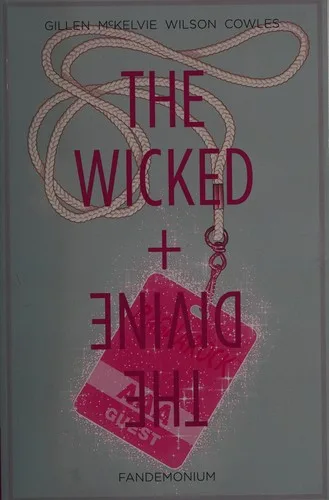
The Wicked + The Divine, Vol. 2
 68
68

The Wicked + The Divine, Vol. 2



Celeste Moreau, Divination & Symbolism Reviewer: Kieron Gillen’s "The Wicked + The Divine, Vol. 2" plunges deeper into the esoteric heart of its divine cast, offering a potent blend of ancient myth and modern spectacle. The narrative deftly navigates themes of usurpation and the corrupting influence of power, mirroring timeless occult struggles. Gillen’s portrayal of Inanna, a pivotal figure in Mesopotamian lore, is particularly compelling, highlighting her complex nature and formidable influence. This volume is a must-read for those intrigued by the intersection of mythology, pop culture, and the hidden machinations of spiritual authority. It’s an incisive examination of divinity’s fragility and the enduring human desire to control the uncontrollable.
📝 Description
68
In 2015, Kieron Gillen's 'The Wicked + The Divine, Vol. 2' continues the story after Lucifer's death.
Following Lucifer's death, the goddess Inanna reveals herself to Laura, drawing her back into the world of divine beings. This volume details a plot to seize and corrupt divine power. Gillen's writing connects concepts of worship, fame, and the symbolism within a divine pantheon. The story balances divine spectacle with human fear, appealing to those interested in modern takes on old myths and the philosophy behind belief.
It examines what it means to be a god, a follower, and a person caught in large-scale ambitions. The comic looks at power, betrayal, and the search for genuine meaning in a world full of false images. It is a direct continuation of the series' exploration of these themes.
This volume touches on themes of divine cycles and the nature of belief, echoing Gnostic ideas about hidden knowledge and the corruption of spiritual power. The personification of deities as transient, pop-star figures relates to modern interpretations of ancient cults and the ways societies project their desires onto figures of authority or inspiration. It questions the authenticity of worship when the object of devotion is fleeting or manufactured, a concept explored in various traditions that examine the relationship between the divine and the human.
💡 Why Read This Book?
Uncover the veiled machinations behind divine power and the intoxicating allure of superstardom. This volume offers a compelling narrative for seekers of hidden knowledge, fans of modern mythological retellings, and scholars of esoteric symbolism. It’s an essential read for anyone drawn to the complex interplay of faith, fame, and the eternal struggle for control within the pantheon.
⭐ Reader Reviews
Honest opinions from readers who have explored this book.
❓ Frequently Asked Questions
What is the central conflict in Vol. 2?
The core conflict revolves around a conspiracy to subvert and control divinity following Lucifer's death, with Laura drawn into uncovering the truth.
Who is Inanna and why is she significant?
Inanna is an ancient Mesopotamian goddess of love, beauty, sex, war, justice, and political power. Her presence signifies a deep dive into foundational mythological narratives and cosmic influences.
What esoteric themes are explored?
The volume delves into themes of cyclical power, the nature of worship, the corrupting influence of fame, and the symbolism of ancient deities in a modern context.
Is this book suitable for newcomers to the series?
While it builds on Vol. 1, the narrative is engaging enough to draw in new readers, though prior knowledge enhances the appreciation of character arcs and established lore.
What is the artistic style like?
The art is renowned for its vibrant, dynamic, and often surreal visual storytelling, perfectly complementing the high-stakes, mythologically-infused narrative.
🔮 Key Themes & Symbolism
The Perils of Divinity and Fame
This volume intensely scrutinizes the double-edged sword of divinity, portraying gods not as infallible beings but as volatile entities consumed by fame, adoration, and the corrupting influence of constant worship. It explores how the pursuit of eternal youth and adoration can lead to moral compromise and existential dread, mirroring the ephemeral nature of pop stardom. The narrative questions whether divinity is a blessing or a curse, and how the intoxicating spotlight can distort one’s true nature, leading to self-destruction and the exploitation of others. It’s a profound commentary on the sacrifices demanded by godhood and celebrity.
Conspiracy and the Subversion of Power
Fundamentally, Vol. 2 is a gripping tale of conspiracy, where ancient powers seek to manipulate and control the very fabric of divinity. The narrative looks at the hidden structures and secret machinations that underpin the pantheon, suggesting that even the most powerful beings are subject to unseen forces and insidious plots. This theme speaks to occult traditions that explore secret societies and veiled hierarchies. The struggle to uncover the truth behind these conspiracies highlights the importance of vigilance, critical thinking, and the enduring human desire to expose deception, even when the stakes involve the fate of gods themselves.
Mythological Echoes and Modern Reinterpretation
Gillen masterfully ties in deep cuts from ancient mythologies, particularly drawing on Mesopotamian lore with the character of Inanna. This volume acts as a conduit, reinterpreting timeless archetypes and divine narratives for a contemporary audience. It demonstrates how ancient stories and their symbolic meanings remain relevant, offering clear insights into human nature, power dynamics, and spiritual struggles. The juxtaposition of these ancient figures with modern pop-culture phenomena creates a unique range, suggesting that the fundamental questions about humanity and the divine have persisted across millennia, merely manifesting in new forms.
💬 Memorable Quotes
Direct passages from the work, attributed to the author.
“You are gods. You are going to die.”
— This stark statement shatters the illusion of divine invincibility, highlighting the inherent mortality and fragility that lies beneath the gods' power, a central tension in the series.
“The world is full of people who want to believe.”
— This speaks to the fundamental human need for faith and the power of collective belief in shaping the reality and influence of deities.
“Truth is a weapon. And it is sharp.”
— This emphasizes the dangerous yet necessary pursuit of truth, especially in a world rife with deception and hidden agendas, as seen in the ongoing conspiracies.
💡 Key Ideas
Editorial paraphrase of the work's core concepts — not direct quotes.
We are the children of the gods. We are their worshippers. And we are their doom.
This quote captures the complex, often adversarial relationship between humanity and divinity, suggesting humans possess the power to both elevate and destroy their gods.
Superstardom is a form of divinity.
A key thesis of the series, this quote draws a direct parallel between the adoration of celebrities and the worship of gods, exploring the shared dynamics of fame and power.
🌙 Esoteric Significance
Tradition
The series draws heavily from a syncretic approach to esotericism, combining threads from ancient polytheistic traditions, particularly Mesopotamian deities like Inanna, with modern occult concepts. It explores the alchemical notion of transformation, the cyclical nature of power akin to tarot archetypes, and the Gnostic idea of hidden knowledge and the corruption of divine sparks. The concept of the divine as accessible and mortal speaks to certain modern pagan and chaos magic philosophies that democratize spiritual experience.
Symbolism
Symbolism is paramount, with each god embodying a specific archetype and set of divine attributes, often paralleled by their chosen form of worship and their pop-culture persona. The recurring motifs of light and shadow, masks, and the cyclical nature of the 9000-year divine recurrence are potent symbols. The Tarot itself serves as a foundational symbolic language, with each deity's power and fate often reflecting specific Major Arcana cards, offering a rich layer of interpretive depth for those familiar with divinatory systems.
Modern Relevance
In an age dominated by celebrity worship and the curated realities of social media, "The Wicked + The Divine" offers a chillingly relevant commentary. It dissects how the modern world mirrors ancient patterns of deification, exploring the seductive power of fame and the potential for spiritual corruption. The series prompts readers to question the nature of belief, the authenticity of idols, and the hidden forces that shape our cultural obsessions, making its esoteric themes resonate powerfully with contemporary anxieties and aspirations.
👥 Who Should Read This Book
This volume is a wide range for diverse readers. **Seekers** of spiritual and philosophical depth will find profound meditations on belief, power, and the human condition. **Scholars** of mythology and comparative religion will appreciate the intricate reinterpretation of ancient pantheons. **Practitioners** of esoteric arts, particularly those interested in divination and archetypal symbolism, will find fertile ground for reflection. **Fans of mature, narrative-driven comics** seeking intelligent, thought-provoking stories that push boundaries will be enthralled by the series' mix of glamour, grit, and existential inquiry.
📜 Historical Context
"The Wicked + The Divine" emerged during a creative surge in the independent comic book scene of the 2010s, a period characterized by genre-bending narratives and a willingness to explore complex, mature themes. The series arrived in 2015, a time when discussions around celebrity culture, social media's impact, and the nature of belief were increasingly prominent. Kieron Gillen, already a respected voice in comics, tapped into this zeitgeist, offering a modern, often satirical, yet deeply philosophical take on ancient mythology. The book's success, including its New York Times bestseller status, reflects a growing audience hungry for sophisticated storytelling that merges the fantastical with the deeply human, challenging traditional superhero tropes and exploring the esoteric underpinnings of power and worship. It stands as a significant contribution to the evolution of the graphic novel as a medium for serious artistic and philosophical exploration.
📔 Journal Prompts
Reflect on a time you felt a strong connection to a public figure or celebrity. How did that admiration function like worship?
Consider the concept of 'divinity' in your own life. What qualities or entities do you hold in high regard, and why?
In what ways can fame and adoration become corrupting forces? Provide examples from history, pop culture, or personal observation.
If you could devise a modern 'god' based on a current cultural phenomenon, what would their powers and domain be, and what would be their fatal flaw?
Explore the idea of hidden conspiracies. How do you discern truth from deception in your daily life, and what role does skepticism play?
🗂️ Glossary
Pantheon
A collective of all the gods of a particular mythology or religion. In this series, it refers to the cyclical return of divine beings who embody legendary figures.
Archetype
A recurring symbol or motif in literature, art, or mythology that represents universal patterns of human nature or experience. The gods in the series often embody powerful archetypes.
Syncretism
The merging of different religions, cultures, or schools of thought. The series exhibits syncretism by blending ancient myths with modern pop culture and esoteric concepts.
Divinity
The state or quality of being divine; godhood. In the series, divinity is portrayed as a powerful but often temporary and volatile state.
Esotericism
Beliefs, studies, or practices that are concerned with or understood by only a small number of people with a specialized knowledge or interest. The series looks at esoteric themes of hidden knowledge and spiritual power.
This book appears in 3 collections
🔮 Readers Also Liked
Browse all →





More by Kieron Gillen
All books →




From the “Tarot” Collection
View all →







More Free Divination & Tarot Books
View all →