The New Female Archetypes
 73
73

The New Female Archetypes
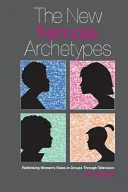
Jen Letherer's "The New Female Archetypes" offers a refreshing deconstruction of tired female tropes. By zeroing in on television series like "The Golden Girls," she effectively demonstrates how popular culture has, at times, outpaced academic discourse in portraying a richer spectrum of female roles. The strength lies in her grounded analysis of show dynamics, moving beyond abstract theory to concrete character interactions. However, the book occasionally feels constrained by its reliance on television examples; a broader cultural or historical analysis could have further solidified its claims. The discussion around the "Lead" archetype, representing initiative and responsibility, feels particularly pertinent for understanding modern female leadership, even if it’s presented as one of several emerging patterns. This work provides a valuable framework for dissecting contemporary womanhood as depicted in media, though it could benefit from a wider array of case studies. It serves as a solid, if narrowly focused, examination of evolving feminine archetypes.
📝 Description
73
Jen Letherer's 2014 book challenges the binary view of female archetypes in media.
Jen Letherer's "The New Female Archetypes" examines how popular culture often simplifies female representation into limited categories. The author argues that these common portrayals, such as the 'goddess' or 'temptress,' fail to capture the full spectrum of women's experiences and roles. Instead, Letherer analyzes television series like "The Golden Girls" and "Sex and the City" to show how these shows present more complex characters who embody distinct, functional positions within their social circles.
The book is written for individuals interested in the connections between media studies, feminist thought, and Jungian psychology. It will appeal to those who want to understand how archetypal patterns appear in modern female identity and relationships. Readers who engage with character analysis, media critique, or who are exploring personal growth through the framework of archetypal roles will find this work valuable. It is especially relevant for students and academics studying popular culture.
Published in 2014, "The New Female Archetypes" engages with Carl Jung's theories on archetypes, extending them to a more contemporary understanding of female experience. It emerged during a time of heightened discourse on gender in media, building on earlier feminist critiques. The book implicitly contrasts with older feminist analyses by focusing on the functional roles women adopt, moving beyond simple narratives of victimhood or empowerment. It draws examples from television that became prominent from the 1980s onward, offering a new perspective on archetypal patterns in modern society.
💡 Why Read This Book?
• Understand how specific TV shows like "The Golden Girls" and "Sex and the City" presented four distinct female archetypes, moving beyond simplistic "goddess" or "temptress" labels. • Gain insight into the "Lead" archetype, as detailed by Jen Letherer, and recognize its manifestation in group dynamics and personal life beyond traditional media portrayals. • Explore the idea that women naturally fill different roles in working groups, a concept Letherer identifies as key to understanding contemporary female identity and relationships.
⭐ Reader Reviews
Honest opinions from readers who have explored this book.
❓ Frequently Asked Questions
What are the traditional female archetypes Jen Letherer discusses and challenges?
Jen Letherer challenges the long-standing media archetypes of the "goddess" (like a princess) and the "temptress" (like a femme fatale), arguing they are insufficient to describe the full range of female roles.
Which TV shows are used as examples in 'The New Female Archetypes'?
The book prominently features examples from television series such as 'The Golden Girls,' 'Designing Women,' 'The Facts of Life,' and 'Sex and the City' to illustrate its points.
What is the 'Lead' archetype as described by Jen Letherer?
The 'Lead' archetype, as explored in the book, represents a woman who takes initiative and demonstrates responsibility within a group or social dynamic, a role distinct from the traditional goddess or temptress.
When was 'The New Female Archetypes' first published?
Jen Letherer's 'The New Female Archetypes' was first published on May 22, 2014.
Does the book suggest these archetypes are only found in media?
No, the book posits that the archetypes observed in media, such as the 'Lead' or the roles seen in 'The Golden Girls,' may also reflect natural tendencies and roles women fill in their own real-life working groups and relationships.
What is the core argument about female roles in working groups?
The core argument is that popular television displays a natural tendency for women to fill different, distinct roles within working groups, and these archetypes can be identified and analyzed.
🔮 Key Themes & Symbolism
Beyond Goddess and Temptress
This theme dissects the cultural and media-driven limitations of the "goddess" and "temptress" archetypes, which have historically framed female representation. Letherer argues these binaries are insufficient for understanding the complexity of women's roles. By examining shows like "Designing Women," the work illustrates how popular culture has begun to present a broader spectrum of feminine identities and functions, suggesting these archetypes are socially constructed and can be expanded.
The Functional Archetype in Groups
Central to the book is the idea that women naturally adopt distinct, functional roles within collaborative settings, mirroring dynamics seen in ensemble television casts. The "Lead" archetype is a key example, representing proactive engagement and responsibility. This theme explores how these functional roles contribute to group cohesion and individual identity, moving beyond static characterizations to dynamic interactions.
Media as a Mirror for Archetypes
The work posits that popular media, particularly television series, serves as a significant mirror reflecting and shaping our understanding of female archetypes. By analyzing characters from shows like "The Facts of Life," Letherer demonstrates how these portrayals can both reflect existing societal tendencies and influence our perception of the roles women play in real life. It highlights the power of narrative in defining these patterns.
Emergent Female Roles
"The New Female Archetypes" focuses on identifying and validating roles that extend beyond traditional narratives. It suggests that contemporary society is witnessing the emergence and recognition of new archetypal expressions for women. This theme encourages readers to look for these evolving patterns in both media and their personal interactions, acknowledging the dynamic nature of feminine identity.
💬 Memorable Quotes
Direct passages from the work, attributed to the author.
“Shows like The Golden Girls display groups of four women with distinct roles.”
— This observation highlights how specific media narratives have already presented a more nuanced view of female dynamics than the common "goddess" or "temptress" binary allows. It serves as a foundational example for the book's central argument about diverse, functional archetypes.
“Maybe what these shows display is a natural tendency toward different roles that women fill as they function in working groups.”
— This is a core hypothesis of the book, linking fictional portrayals to real-world behavior. It suggests that the archetypes observed on screen are not just creative inventions but reflections of inherent social dynamics among women.
“The archetypes exist on TV, and they may also appear in our own lives.”
— This statement bridges the gap between media analysis and personal relevance. It encourages readers to see the archetypal patterns discussed not just as fictional constructs but as observable elements in their own social circles and relationships.
“Are we Lead?”
— Posed as a question, this phrase points to the "Lead" archetype, one of the key emergent roles discussed. It prompts self-reflection on individual tendencies towards taking initiative and responsibility within group settings.
“Traditional depictions of women in media have designated only two archetypes: the goddess and the temptress.”
— This sets up the central problem the book aims to address. By identifying these limited traditional roles, Letherer establishes the need for a more expansive and accurate framework for understanding female archetypes.
🌙 Esoteric Significance
Tradition
While not explicitly tied to a single esoteric lineage like Hermeticism or Gnosticism, "The New Female Archetypes" draws heavily on Jungian psychology, which itself has esoteric underpinnings and influences. Jung's exploration of the collective unconscious and archetypes provides a framework that appeals to many mystical traditions that posit universal patterns of consciousness. The book's focus on identifying and understanding these patterns in contemporary life aligns with the esoteric goal of self-knowledge and understanding the deeper structures of the psyche.
Symbolism
The book's primary symbolic focus is on the archetypes themselves, which function as symbolic representations of fundamental human experiences and energies. The "goddess" and "temptress" are traditional archetypal symbols. The emergent "Lead" archetype, while less overtly symbolic, represents the active, directing principle within a group. The very structure of analyzing female groups in shows like "The Golden Girls" can be seen as symbolic of the interconnectedness and varied functions within the broader "collective feminine."
Modern Relevance
This work is highly relevant to contemporary discussions in modern Jungian analysis, feminist psychology, and even self-help literature that utilizes archetypal frameworks. Thinkers and practitioners exploring the evolution of feminine identity, the dynamics of female friendships, and the role of media in shaping psychological patterns can find valuable insights. Its focus on functional roles within groups also speaks to modern leadership studies and organizational psychology seeking to understand team dynamics.
👥 Who Should Read This Book
• Students of Jungian psychology and archetypal theory: Gain a contemporary application of archetypal concepts specifically to female identity and group dynamics, moving beyond classical interpretations. • Media studies scholars and critics: Understand how popular television series have depicted a more complex range of female roles, offering a framework for analyzing representation beyond simplistic binaries. • Individuals interested in self-discovery and interpersonal dynamics: Recognize and analyze the functional roles you and others play in working groups and relationships, fostering greater self-awareness.
📜 Historical Context
Jen Letherer's "The New Female Archetypes," published in 2014, arrived during a period of burgeoning conversations about gender in popular culture, fueled by the rise of social media and renewed feminist activism. The work engaged with established psychological frameworks, notably Carl Jung's concept of archetypes, which had previously seen more focus on male figures. Unlike earlier, more polemical feminist critiques of media that often focused on patriarchal oppression, Letherer's approach centered on identifying functional roles within female groups, drawing heavily on ensemble sitcoms from the late 20th century. This nuanced perspective offered a counterpoint to simpler analyses and implicitly engaged with discussions happening in media studies and sociology, fields grappling with how representation was evolving. The book's analysis implicitly contrasted with the often-reductive portrayals still prevalent in much of the media field of the early 2010s.
📔 Journal Prompts
The "Lead" archetype's function within a group.
Recognizing the "goddess" and "temptress" in contemporary media.
The interplay of archetypes in "The Golden Girls."
Identifying personal roles within your own working groups.
How media narratives shape understanding of female archetypes.
🗂️ Glossary
Archetype
In Jungian psychology, a universal, archaic pattern and image that derives from the collective unconscious and is the psychic counterpart of an inherited structure. They manifest in myths, fairy tales, dreams, and art.
Goddess Archetype
A traditional feminine archetype often associated with nurturing, power, beauty, and divinity, frequently depicted in media as princesses or idealized maternal figures.
Temptress Archetype
A traditional feminine archetype characterized by allure, seduction, and often manipulation, frequently portrayed as a femme fatale or enchantress.
Lead Archetype
An emergent feminine archetype identified in the book, representing initiative, responsibility, and proactive leadership within social or working groups.
Working Group
A collection of individuals who collaborate to achieve a common goal, where distinct roles and dynamics often emerge organically among members.
Collective Unconscious
A concept proposed by Carl Jung, referring to the part of the unconscious mind that is common to all human beings, containing inherited archetypes and universal patterns.
Media Representation
The ways in which people, groups, and subjects are portrayed in mass media, influencing public perception and understanding of those entities.
This book appears in 1 collection
🔮 Readers Also Liked
Browse all →








From the “Archetypes” Collection
View all →





More Free Occult Philosophy Books
View all →