The Wicked + The Divine, Vol. 4

 69
69

The Wicked + The Divine, Vol. 4



Sophia Crane (Associate Editor) — 'The Wicked + The Divine, Vol. 4' is a masterclass in mythological deconstruction, pushing the boundaries of the superhero genre into profound esoteric territory. Gillen masterfully interrogates the concept of divinity through the lens of modern celebrity, revealing the inherent flaws and vulnerabilities that lie beneath even the most godlike exteriors. The narrative pulsates with an electric energy, drawing parallels between ancient pantheons and contemporary idol worship. This volume offers a potent critique of power structures and the cyclical nature of adoration and disillusionment, making it essential reading for fans of intelligent, thought-provoking graphic narratives and those fascinated by the intersection of myth, power, and popular culture.
📝 Description
69
In 2016, 'The Wicked + The Divine, Vol. 4' showed gods as pop stars, facing mortality.
This volume of Kieron Gillen's series focuses on the consequences when the pantheon, reborn as young celebrities every 90 years, faces their inevitable end. The narrative examines the corrupting influence of fame and power on beings who are both divine and mortal. It details the struggles for control and the betrayals that occur as their limited time runs out.
The story delves into the relationship between worship, idolization, and the destructive nature of unchecked power. It incorporates esoteric symbols and hints at ancient agreements that govern the gods' existence. The plot forces readers to consider the price of immortality and how old myths manifest in a contemporary, interconnected society.
The visual style complements the thematic concerns, depicting a clash between the sacred and the profane. It aims to resonate with readers interested in the complexities of human and superhuman existence and the search for deeper meaning within dramatic events.
The series draws on a broad spectrum of mythological archetypes and esoteric concepts, presenting them through the lens of modern pop culture. It touches upon themes of cyclical existence, ancient pacts, and the nature of divinity as a finite, potent force. The narrative suggests that the human need for worship and the divine need for adoration create a volatile dynamic, echoing older traditions where gods and mortals are inextricably linked, often with tragic results.
💡 Why Read This Book?
Dive into a cosmic drama where gods walk among us as pop stars. 'The Wicked + The Divine, Vol. 4' offers a unique blend of high-stakes action and profound philosophical inquiry into power, worship, and the fleeting nature of fame. Ideal for seekers of esoteric wisdom disguised as a comic, and for scholars of mythology and modern culture.
⭐ Reader Reviews
Honest opinions from readers who have explored this book.
❓ Frequently Asked Questions
What is the core premise of 'The Wicked + The Divine'?
Every 90 years, twelve gods are reincarnated as young people, gaining immense popularity and power. Their divinity is a fleeting phenomenon, leading to intense rivalries and conflicts.
What makes this volume stand out?
Volume 4 escalates the divine conflicts to an explosive peak, delving deeper into the psychological and societal implications of godhood in a modern celebrity culture.
Are there mythological references?
Yes, the series draws heavily on global mythologies, reinterpreting ancient deities and their stories through a contemporary lens.
Who are the main creators?
The acclaimed team includes writer Kieron Gillen and artist Jamie McKelvie, with Matt Wilson on colors.
Is prior knowledge of the series required?
While the story builds, Volume 4 offers a compelling entry point for new readers, though understanding previous volumes enhances the experience.
🔮 Key Themes & Symbolism
The Divine as Celebrity
This volume relentlessly probes the uncomfortable parallels between ancient divine figures and modern-day celebrities. It questions the nature of adoration, the cult of personality, and how fleeting fame can become a dangerous form of worship. The gods, stripped of their traditional temples and rituals, are forced to read through the treacherous range of social media, public opinion, and manufactured personas. This theme explores the inherent vulnerability of divine beings when their power is directly tied to mortal perception and the destructive consequences when this idolization turns sour, mirroring the cyclical rise and fall of pop culture icons.
Reincarnation and Cyclical Existence
At the heart of the series lies the cyclical nature of divine existence. Every ninety years, the gods are reborn, suggesting a cosmic rhythm and the inescapable influence of past lives and archetypes. This volume studies the psychological toll of repeated incarnations, the weight of ancient betrayals, and the struggle to break free from destiny's grip. It invites contemplation on the nature of self, memory, and whether true change is possible when bound by an eternal, repeating pattern. The narrative uses this concept to explore themes of karma, renewal, and the persistent elements of history.
Power, Corruption, and The Price of Divinity
The intoxicating allure of divinity inevitably corrupts. 'The Wicked + The Divine, Vol. 4' showcases the destructive potential of absolute power, particularly when wielded by beings who are also subject to human frailties and desires. The narrative examines how power, amplified by celebrity, leads to hubris, cruelty, and ultimately, conflict. It serves as a potent allegory for the corrupting influence of unchecked authority in any sphere, from politics to entertainment. The volume meticulously dissects the moral compromises made by the gods and the devastating impact their 'superstar wars' have on the mortal world, questioning if the divine is worth the sacrifice.
💬 Memorable Quotes
Direct passages from the work, attributed to the author.
“The cycle must continue.”
— This signifies the inescapable nature of reincarnation and the predetermined path of the gods, hinting at a grander, cosmic design that few can escape.
“Fame is a fickle god.”
— A sharp observation on the ephemeral nature of celebrity, directly linking it to the divine, suggesting that even gods are subject to the whims of public opinion.
“Their love is our power.”
— This reveals the symbiotic, albeit often exploitative, relationship between the gods and their worshippers, underscoring how mortal adoration fuels their very existence.
💡 Key Ideas
Editorial paraphrase of the work's core concepts — not direct quotes.
We're gods. We're meant to be loved.
This quote captures the central tension of the series: the gods' need for worship versus their often-destructive actions, highlighting their humanized desire for validation.
The show must go on.
This line speaks to the performative aspect of divinity and celebrity, implying a constant need to maintain an image and continue the 'act' regardless of personal cost.
🌙 Esoteric Significance
Tradition
While not adhering strictly to one tradition, 'The Wicked + The Divine' draws heavily from archetypal psychology, Jungian concepts of the collective unconscious, and Gnostic ideas of divine sparks trapped in material forms. It echoes Neoplatonic thought regarding emanation and the descent of divinity into the mundane. The cyclical nature of the gods' return also appeals to concepts of reincarnation found in Eastern philosophies and Hermeticism's emphasis on correspondence between the macrocosm and microcosm.
Symbolism
The series is rich with symbolism, often utilizing modern icons and imagery to represent ancient divine attributes. The number twelve (for the gods) is a potent mystical number, appearing in astrological zodiacs, the twelve labors of Hercules, and the twelve apostles, signifying completeness and cosmic order. The interplay of light and shadow, the use of blood as a source of power, and the transformation of the gods' appearances all serve as powerful visual metaphors for their internal states and the spiritual forces at play. The visual design itself often incorporates occult geometries and sigils.
Modern Relevance
The book's exploration of divinity through the lens of celebrity and social media provides clear insights into contemporary society's relationship with power, influence, and adoration. It questions the nature of authenticity in an age of curated online identities and the dangers of blind faith, whether in political leaders, pop stars, or abstract ideologies. The series serves as a modern-day parable, urging readers to critically examine their own forms of worship and the sources of their perceived power, making its esoteric themes highly relevant to working through the complexities of the 21st century.
👥 Who Should Read This Book
This volume is a must-read for discerning readers across various paths. **Beginners** seeking an accessible yet profound introduction to esoteric themes will find the vibrant artwork and engaging narrative captivating. **Scholars** of mythology, religious studies, and cultural criticism will appreciate the sophisticated deconstruction of divine archetypes and their manifestation in contemporary society. **Seekers** of hidden knowledge will find fertile ground for contemplation on power, worship, and the cyclical nature of existence. **Practitioners** of occult arts may find resonance in the symbolic representations of divine forces and the exploration of charismatic influence. Ultimately, anyone fascinated by the intersection of myth, magic, and the human condition will be drawn to its compelling narrative.
📜 Historical Context
Released in the mid-2010s, 'The Wicked + Divine' emerged during a period of intense cultural fascination with celebrity, social media influence, and the blurring lines between reality and constructed personas. The rise of influencer culture and the democratized nature of fame provided fertile ground for Gillen's narrative. The series also tapped into a resurgence of interest in mythology and occultism within popular media, offering a modern, edgy interpretation of ancient archetypes. This era's digital landscape, where fame can be instantaneous and fleeting, directly informs the gods' struggles with their public image and the volatile nature of their worship. The book reflects the anxieties and fascinations of a generation grappling with hyper-connectivity and the commodification of identity.
📔 Journal Prompts
Reflect on a modern-day 'god' or idol you admire. What qualities do they possess that evoke worship, and what are the potential downsides of such fervent adoration?
Consider the concept of reincarnation. If you believed you would live again, what lessons would you strive to learn and carry forward?
Analyze the relationship between power and corruption. How can the pursuit or possession of power, even in a non-divine context, lead to negative consequences?
Explore the idea of 'divinity' in everyday life. In what ways do ordinary people exhibit 'godlike' qualities or inspire intense devotion?
Write a short story about a fallen deity attempting to read through the modern world without their powers, focusing on their inner turmoil and adaptation.
🗂️ Glossary
Pantheon
A collective of all the gods of a particular mythology or religion. In this context, it refers to the twelve reincarnated gods who appear every ninety years.
Archetype
A recurring symbol, character type, or narrative pattern found in myths and literature across cultures, often considered to be part of the collective unconscious.
Gnosis
Spiritual knowledge or insight, particularly in Gnostic traditions, often implying a direct, intuitive understanding of divine truths.
Esoteric
Intended for or likely to be understood by only a small number of people with a specialized knowledge or interest; mystical or secret.
Hermeticism
A religious, philosophical, and esoteric tradition based primarily upon the writings attributed to Hermes Trismegistus, emphasizing principles like 'as above, so below'.
This book appears in 3 collections
🔮 Readers Also Liked
Browse all →









More by Kieron Gillen
All books →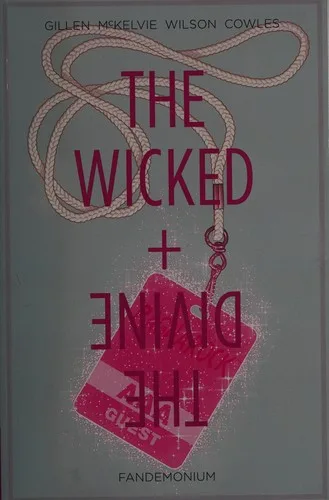


From the “Tarot” Collection
View all →








More Free Divination & Tarot Books
View all →