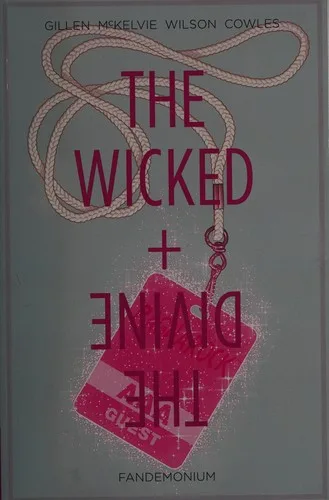
The Wicked + The Divine, Vol. 1

 69
69

The Wicked + The Divine, Vol. 1



Ophelia Vance, Mystical Literature Reviewer — Gillen masterfully channels the raw energy of pop culture into an ancient framework, creating a potent alchemical brew of the divine and the mundane. 'The Wicked + The Divine' is a profound exploration of archetypal manifestation in the modern age, where gods are the ultimate influencers and their power is as fleeting as fame. The artwork is a visual incantation, drawing the reader into a world saturated with hidden knowledge and symbolic resonance. This volume is essential for anyone interested in the cyclical nature of power, the embodiment of myth, and the inherent tragedy of immortal beings trapped in mortal cycles. It’s a compelling, thought-provoking read that resonates with the deepest currents of human aspiration and existential dread.
📝 Description
69
Every 90 years, twelve gods are reborn as humans who die within two years.
Kieron Gillen's The Wicked + The Divine, Vol. 1 begins with a striking premise: every nine decades, the Pantheon reappears on Earth. These aren't remote deities, but young, charismatic individuals embodying divine power. They are adored and condemned, their brilliance lasting only two years before they must burn out. The story centers on Laura, a fan obsessed with the current Pantheon, who gets drawn into their dangerous world. She witnesses the conflicts and betrayals that arise when immense power is held by mortals.
The narrative examines what it means to be a god when you are also human. It questions the nature of worship, fame, and the destructive aspects of divinity. The art combines occult imagery with contemporary aesthetics, creating a unique visual style. This volume sets up a complex mythology filled with personal drama and existential questions about mortality and eternal life.
This work intersects with occult traditions by reimagining pantheons as cyclical phenomena, echoing concepts of divine incarnation and recurring cycles found in various mythologies. It treats divine archetypes not as static figures but as transient, embodied forces, similar to how some esoteric traditions view the manifestation of spiritual energies in the material world. The book uses the framework of modern celebrity culture to explore the intoxicating and corrosive nature of power, a theme present in discussions of spiritual attainment and its potential pitfalls across different mystical paths.
💡 Why Read This Book?
Uncover the esoteric secrets of divine manifestation in the modern era. This graphic novel offers a unique lens through which to view the interplay of power, belief, and mortality. Ideal for seekers of hidden knowledge, students of comparative mythology, and practitioners interested in archetypal symbolism. It’s a compelling, visually stunning journey into the heart of what it means to be divine, and ultimately, human.
⭐ Reader Reviews
Honest opinions from readers who have explored this book.
❓ Frequently Asked Questions
What is the core concept of 'The Wicked + The Divine'?
The series imagines that every ninety years, twelve gods are reborn as young people. They achieve immense fame and adoration, but are destined to die within two years, exploring the fleeting nature of divinity and celebrity.
What esoteric themes are explored in this volume?
It delves into themes of archetypal manifestation, the cyclical nature of power and worship, the allure and danger of godhood, and the human condition within a divine context.
Who are the 'gods' in this story?
They are reimagined pantheons from various mythologies, presented as modern-day pop stars and cultural icons. Their divine essence is tied to their ability to inspire and captivate humanity.
Is prior knowledge of mythology required to enjoy this book?
While an appreciation for mythology enriches the experience, the story is accessible to newcomers. The narrative artfully introduces the gods and their powers, making it engaging for all readers.
What makes this graphic novel stand out from other fantasy comics?
Its unique premise of divine beings as ephemeral pop stars, combined with Gillen's sharp writing and the stunning, expressive artwork, creates a fresh and compelling take on godhood and mortality.
🔮 Key Themes & Symbolism
The Ephemeral Nature of Divinity
This volume interrogates the very concept of godhood, presenting it not as eternal but as a cyclical, fleeting phenomenon. The gods are lauded as immortal, yet their reign is tragically short, mirroring the transient nature of fame, influence, and even life itself. It prompts contemplation on what truly constitutes divinity when it is subject to the same decay and eventual demise as mortal existence. The narrative explores the pressure and burden of embodying ultimate power for a limited time, forcing both the gods and the reader to confront the existential implications of such a brief, brilliant existence.
Archetypal Manifestation in the Modern Age
Gillen brilliantly revitalizes ancient archetypes by transplanting them into the contemporary field of celebrity culture. The gods are not distant figures but relatable, often flawed, individuals who wield immense power through their charisma and influence, much like modern pop icons. This recontextualization invites a deeper understanding of how primal human desires and beliefs find expression in new forms. It suggests that the essence of the divine persists, adapting to the societal structures and obsessions of each era, highlighting the enduring power of myth and symbol in shaping human consciousness.
The Price of Worship and Adoration
The narrative critically examines the symbiotic, yet often destructive, relationship between worshippers and the worshipped. The gods' power is intrinsically linked to human adoration, yet this devotion comes at a steep cost, both for the divine and their followers. It examines the intoxicating nature of being loved and hated on a massive scale, exploring how this constant validation and scrutiny can warp personalities and lead to self-destruction. The book serves as a cautionary tale about the dangers of deification and the often-unseen sacrifices demanded by those who stand at the apex of cultural worship.
💬 Memorable Quotes
Direct passages from the work, attributed to the author.
“You are all going to die.”
— A stark reminder of mortality, even for beings of immense power, underscoring the central theme of fleeting divinity.
“We're gods. We're meant to be worshipped.”
— This highlights the inherent drive for adoration and the entitlement that accompanies divine status, a key aspect of their modern personas.
“It's so easy to be loved when you're dead.”
— A poignant observation on how posthumous reverence often eclipses the complexities and flaws experienced during life, a commentary on legacy.
“The universe is an engine of change.”
— A philosophical statement about cosmic flux, suggesting that even divine order is subject to constant transformation and evolution.
“We're just here for the ride.”
— An expression of fatalism and surrender, acknowledging the predetermined path of the gods and their acceptance of an inevitable fate.
🌙 Esoteric Significance
Tradition
The work draws heavily from Jungian archetypes and comparative mythology, reimagining universal divine figures through a modern lens. It touches upon concepts found in Hermeticism regarding the microcosm (humanity) reflecting the macrocosm (divinity) and the cyclical nature of existence, echoing Gnostic ideas of divine descent and return. The exploration of power, influence, and the human desire for transcendence aligns with perennial philosophies that seek to understand the underlying spiritual truths across various traditions.
Symbolism
Symbolism is rife, from the visual representation of each god, often hinting at their mythological origins, to the recurring motifs of light, shadow, and decay. The concept of 'The Pantheon' itself can be seen as a symbol of collective human aspiration and the fragmented nature of modern belief systems. The ephemeral nature of their existence symbolizes the transience of all worldly power and the cyclical death-rebirth processes fundamental to many esoteric traditions.
Modern Relevance
In an age saturated with celebrity culture and digital personas, the book's exploration of gods as pop stars is profoundly relevant. It highlights how modern society often deifies figures of fame, projecting divine attributes onto them. This offers a critical perspective on the worship of superficiality and the inherent emptiness of adulation divorced from genuine spiritual depth, urging readers to question the nature of the icons they follow and the sources of their own spiritual fulfillment.
👥 Who Should Read This Book
This volume is an essential acquisition for seekers of alternative spiritual narratives and those intrigued by the intersection of myth and modern culture. Scholars of comparative mythology and cultural studies will find a rich text for analysis. For practitioners of esoteric arts, it offers a potent contemplation on archetypal forces and the manifestation of divine energy in contemporary society. Beginners curious about graphic novels with depth will be captivated by its accessible yet complex storytelling, while seasoned readers will appreciate its sophisticated deconstruction of divinity and fame.
📜 Historical Context
Released in 2014, 'The Wicked + The Divine' emerged during a period of intense fascination with superhero narratives and the meta-commentary on their cultural impact. The rise of social media and influencer culture provided fertile ground for exploring themes of celebrity, worship, and the manufactured personas of modern idols. This era saw a resurgence of interest in deconstructing traditional mythologies and archetypes, making Gillen's re-imagining of pantheons as pop stars a timely and resonant exploration. The graphic novel format itself was experiencing a golden age, with creators pushing boundaries in storytelling and artistic expression, further amplifying the book's impact. It reflects a broader cultural conversation about where divinity resides in a secularized, hyper-connected world.
📔 Journal Prompts
If you were a god reborn today, what would be your domain and how would you manifest your power?
Reflect on the concept of 'fame' as a form of worship. What parallels can you draw between worshipping celebrities and worshipping deities?
Consider the idea that 'all gods must die'. How does this concept of mortality affect your understanding of power, legacy, and divinity?
What archetypal figures from mythology resonate most strongly with you, and how do you see their essence reflected in modern culture?
Explore the relationship between adoration and destruction. How can the act of being worshipped lead to downfall, both for the worshipped and the worshipper?
🗂️ Glossary
Pantheon
A collective of gods or deities from a particular mythology or belief system. In this context, it refers to the twelve divine beings who return to Earth every ninety years.
Archetype
A universal, archaic pattern of thought, image, or symbol that is part of the collective unconscious. In the book, the gods embody various archetypes of divine power and human desire.
Manifestation
The act of a deity or divine force appearing or making itself known in a tangible form. Here, it refers to the gods being reborn as human youths.
Ephemeral
Lasting for a very short time; fleeting. This term describes the gods' mortal existence and their reign of power.
Deification
The act of treating or worshiping someone or something as a god. The book explores the process and consequences of deifying individuals in a modern context.
This book appears in 3 collections
🔮 Readers Also Liked
Browse all →







More by Kieron Gillen
All books →



From the “Tarot” Collection
View all →





More Free Divination & Tarot Books
View all →