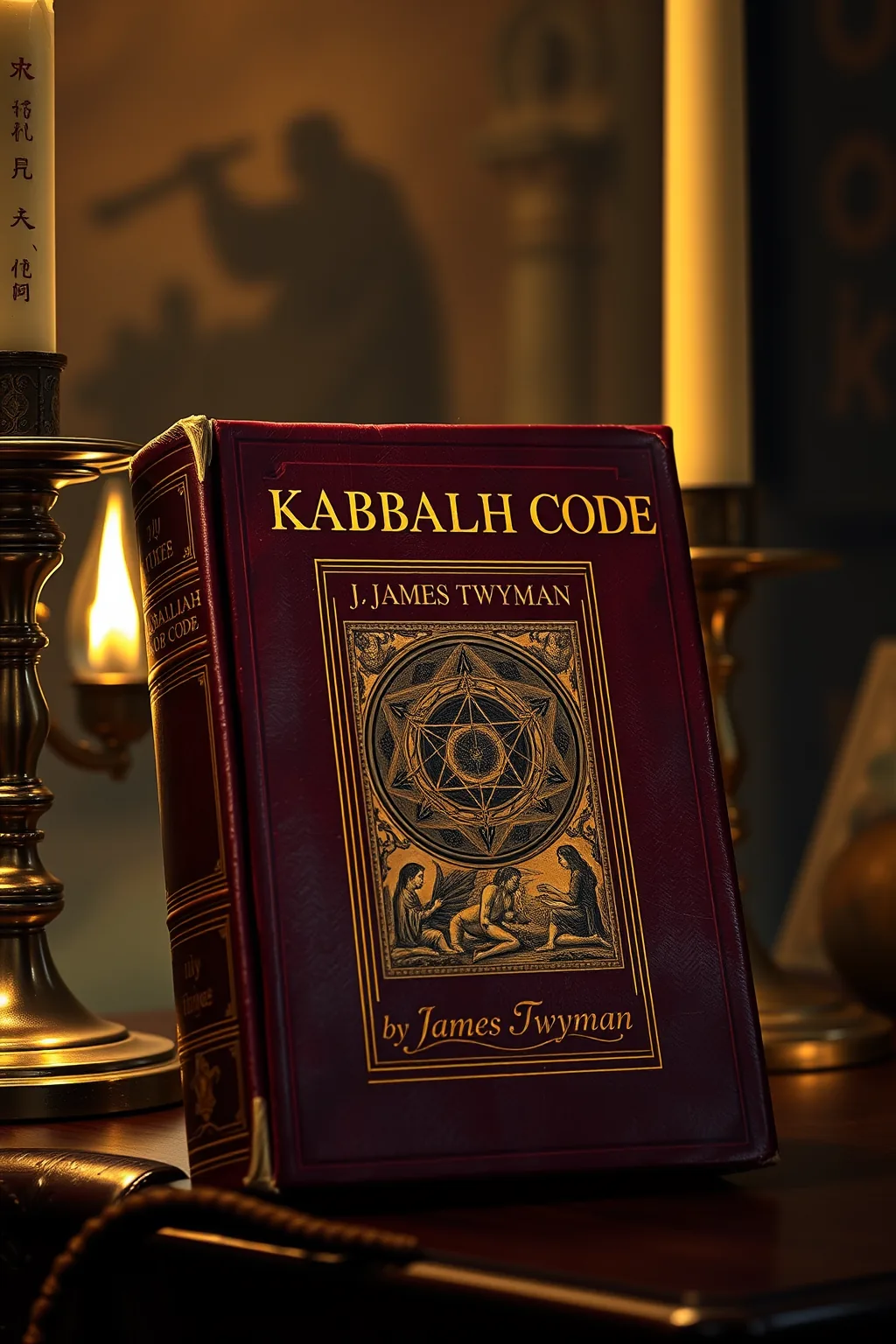
Kabbalah Code
 61
61

Kabbalah Code

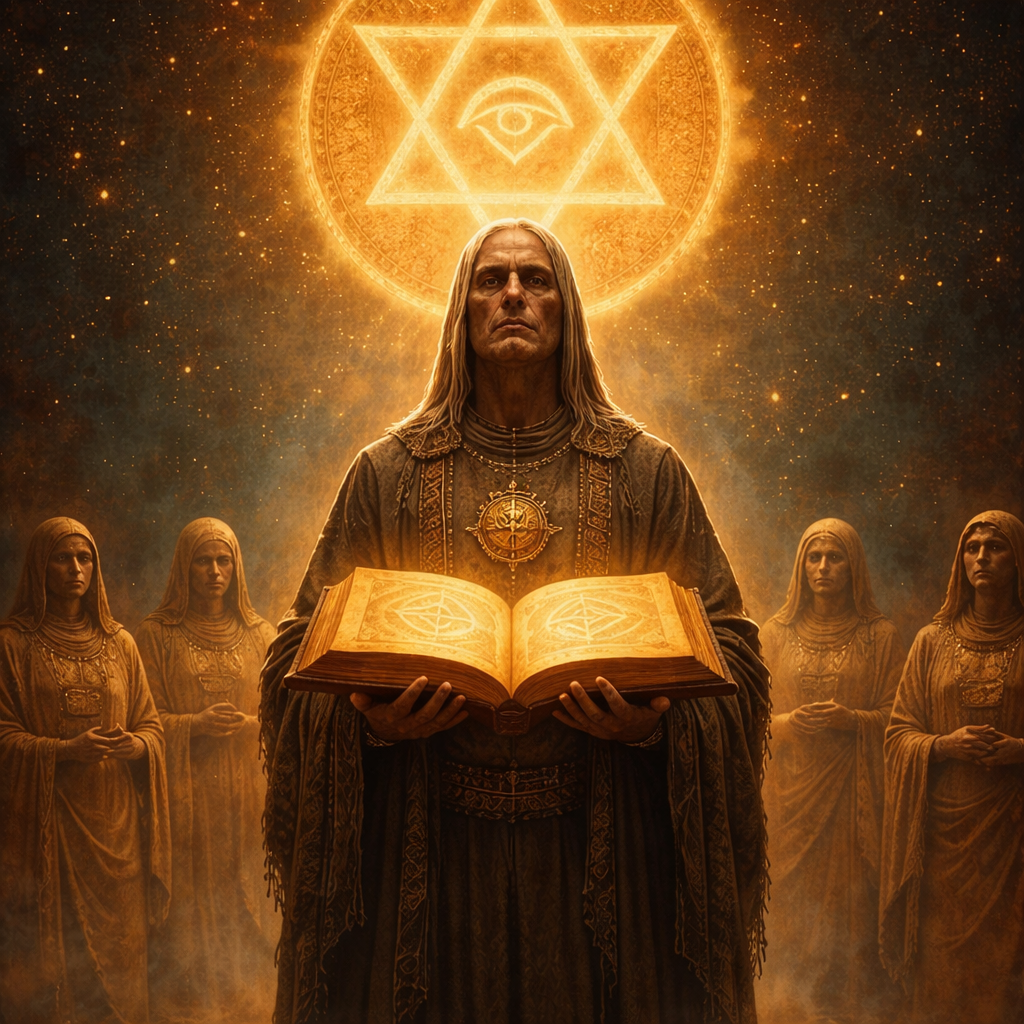

Alaric Kestrel, Metaphysical Studies Reviewer: James Twyman's 'Kabbalah Code' is a beacon for serious students of Kabbalah. Twyman's accessible yet profound approach demystifies complex concepts, making the esoteric accessible without sacrificing depth. He skillfully navigates the labyrinthine symbolism of the Sephirot and the Tree of Life, offering practical insights for spiritual seekers. The book excels in bridging ancient wisdom with contemporary relevance, providing tools for personal transformation. This is an essential read for anyone drawn to the mystical currents of Jewish tradition and the universal quest for divine knowledge.
📝 Description
61
James Twyman's 'Kabbalah Code' deciphers the Tree of Life in 2006.
Published in 2006, James Twyman's 'Kabbalah Code' examines the core tenets of Kabbalistic thought. The book focuses on the symbolic language and hidden meanings within Jewish mysticism, particularly through the lens of the Tree of Life. Twyman presents this structure not just as a diagram but as a map of consciousness and a model for personal spiritual growth.
The work details the divine emanations, known as the Sephirot, and their sacred geometry. It also discusses methods of Kabbalistic meditation as a means of personal transformation. The author aims to guide readers toward a deeper connection with a Universal Source, encouraging the realization of inner potential.
This book engages with the tradition of Kabbalah, a mystical interpretation of the Hebrew Bible. Kabbalah seeks to understand the divine nature and the relationship between God and creation. Its symbolic systems, like the Tree of Life, are often seen as maps of consciousness and pathways to spiritual enlightenment. Twyman's work situates itself within this lineage, aiming to make its complex ideas accessible to a wider audience interested in esoteric spiritual practices.
💡 Why Read This Book?
Uncover the ancient secrets of the Tree of Life and its profound implications for consciousness. 'Kabbalah Code' offers a clear, evocative pathway into Kabbalistic principles, ideal for spiritual seekers, meditation practitioners, and anyone fascinated by the mystical underpinnings of existence. Discover practical applications for personal growth and spiritual illumination.
⭐ Reader Reviews
Honest opinions from readers who have explored this book.
❓ Frequently Asked Questions
What is Kabbalah?
Kabbalah is an ancient mystical tradition within Judaism that explores the divine nature of God and the universe through symbolic interpretation of scripture and esoteric practices.
What is the Tree of Life?
The Tree of Life is a central symbol in Kabbalah, representing the divine emanations (Sephirot) and the structure of creation, serving as a map of consciousness and spiritual ascent.
Is this book for beginners?
Yes, James Twyman's 'Kabbalah Code' is written with clarity and depth, making it accessible to those new to Kabbalah while offering valuable insights for experienced practitioners.
What are the Sephirot?
The Sephirot are the ten divine attributes or emanations through which God creates and sustains the universe, forming the structure of the Tree of Life.
How can Kabbalah help me?
Kabbalah offers tools for self-understanding, spiritual growth, and a deeper connection to the divine. It can foster wisdom, compassion, and a profound sense of purpose.
🔮 Key Themes & Symbolism
The Tree of Life as a Cosmic Blueprint
The central theme revolves around the profound symbolism of the Kabbalistic Tree of Life. This ancient diagram is presented not merely as a mystical chart, but as a living, dynamic map of creation, consciousness, and the divine. Twyman explores each of the ten Sephirot, elucidating their unique energies, correspondences, and roles in the unfolding of existence. The book explores how understanding this sacred geometry can provide a framework for comprehending the universe and our place within it, offering a path to spiritual integration and holistic understanding.
Decoding the Language of the Soul
This work emphasizes Kabbalah's role as a language of the soul, a symbolic system designed to unlock hidden truths and facilitate direct experience of the divine. Twyman illuminates the esoteric significance of Hebrew letters, divine names, and mystical concepts, revealing them as keys to accessing higher areas of consciousness. The book encourages a meditative engagement with these elements, fostering an inner dialogue that transcends intellectual comprehension, leading to profound personal revelation and a deeper connection to the Universal Intelligence.
The Path of Spiritual Transformation
Beyond mere theoretical exploration, 'Kabbalah Code' is a practical guide for personal spiritual evolution. Twyman outlines how the principles of Kabbalah can be applied to everyday life, facilitating healing, growth, and the realization of one's highest potential. The book inspires readers to begin an inner journey, transforming challenges into opportunities for wisdom and awakening the dormant divine spark within. It presents Kabbalah as a living tradition that empowers individuals to actively participate in their own spiritual unfolding and to contribute to the cosmic harmony.
💬 Memorable Quotes
Direct passages from the work, attributed to the author.
“Wisdom is found not in knowing, but in being.”
— Emphasizes the experiential nature of true wisdom in Kabbalah, suggesting that understanding comes through living and embodying principles, not just intellectual grasp.
“Each letter is a divine breath.”
— This speaks to the sacred power and creative potential inherent in the Hebrew alphabet within Kabbalistic thought, viewing each character as a vital spark of divine energy.
“The universe whispers its secrets to the quiet heart.”
— Encourages introspection and inner stillness as the primary means of receiving divine knowledge and understanding the hidden truths of existence.
💡 Key Ideas
Editorial paraphrase of the work's core concepts — not direct quotes.
The Tree of Life is the map of the soul's journey.
This quote highlights the Tree of Life as a guide for inner exploration and spiritual development, charting the path from earthly existence to divine unity.
To know God is to know yourself.
A core tenet of mystical traditions, this quote posits that self-discovery and the realization of the divine are intrinsically linked, with true self-knowledge leading to divine awareness.
🌙 Esoteric Significance
Tradition
This work is deeply rooted in the Kabbalistic tradition, a profound esoteric branch of Jewish mysticism. It explores the intricate cosmology, divine emanations, and symbolic language that have been passed down through generations. Kabbalah offers a framework for understanding the hidden architecture of reality, the nature of the divine, and the path of human spiritual evolution towards unity with the Source.
Symbolism
The book intricately deciphers the detailed symbolism of Kabbalah, with the Tree of Life serving as the central icon. Other key symbols include the Sephirot (divine attributes), Hebrew letters as cosmic building blocks, divine names, and the interplay of light and darkness. These symbols are not mere representations but are seen as conduits for divine energy and keys to unlocking deeper layers of consciousness and understanding.
Modern Relevance
In an age often characterized by disconnection and spiritual searching, 'Kabbalah Code' offers timeless wisdom that resonates deeply. It provides a structured yet expansive approach to understanding consciousness, purpose, and the interconnectedness of all things. The book empowers individuals with tools for self-reflection, personal growth, and a more profound engagement with the spiritual dimensions of life, making ancient Kabbalistic insights accessible and applicable today.
👥 Who Should Read This Book
This book is a profound resource for a diverse range of readers. For beginners, 'Kabbalah Code' offers a clear and inspiring introduction to the foundational concepts of Jewish mysticism. Scholars will appreciate the depth and scholarly approach to esoteric symbolism. Spiritual seekers will find a practical guide for personal transformation and a deeper connection to the divine. Practitioners of meditation and contemplative arts will discover new techniques and clear insights to enhance their practice and expand their consciousness.
📜 Historical Context
Kabbalah emerged from the rich intellectual and spiritual milieu of medieval Judaism, particularly in 12th and 13th-century Provence and Spain. It built upon earlier mystical currents, seeking to understand the esoteric dimensions of the Torah and the nature of God's relationship with the created world. The Zohar, the foundational text of Kabbalah, emerged in the late 13th century, solidifying many core concepts. Over centuries, Kabbalistic thought evolved, influencing Jewish philosophy, ethics, and ultimately, broader Western esoteric traditions. James Twyman's 'Kabbalah Code' engages with this lineage, presenting these ancient teachings in a format relevant to contemporary seekers, bridging the gap between historical tradition and modern spiritual inquiry.
📔 Journal Prompts
Reflect on a time you felt a profound connection to something larger than yourself. How does the concept of divine emanations resonate with this experience?
Meditate on the Sephirot. Which one calls to you most strongly today, and why? What message might it hold for your current path?
Consider the Hebrew alphabet as a 'divine breath.' How can you imbue your own words and intentions with greater sacredness?
Explore the idea of the Tree of Life as a map of your own consciousness. What areas feel vibrant, and which might need more attention?
How can the principles of Kabbalah be integrated into your daily life to foster greater wisdom, compassion, or spiritual growth?
🗂️ Glossary
Sephirot
The ten divine emanations or attributes of God, forming the structure of the Kabbalistic Tree of Life, through which the divine manifests in creation.
Tree of Life
A central symbolic diagram in Kabbalah representing the structure of the universe, the divine emanations, and the path of spiritual ascent for humanity.
Ein Sof
The Kabbalistic concept of the 'Infinite' or 'Without End,' referring to God in His absolute, unknowable, and transcendent state before any manifestation.
Keter
The first Sephirah on the Tree of Life, representing the Crown, the ultimate source of divine will and the highest point of emanation from Ein Sof.
Chokhmah
The second Sephirah, meaning 'Wisdom.' It represents the primal spark of divine intelligence and the beginning of creative thought, flowing from Keter.
This book appears in 1 collection
🔮 Readers Also Liked
Browse all →








From the “Kabbalah” Collection
View all →






More Free Kabbalah & Jewish Mysticism Books
View all →