Elements of the Qabalah
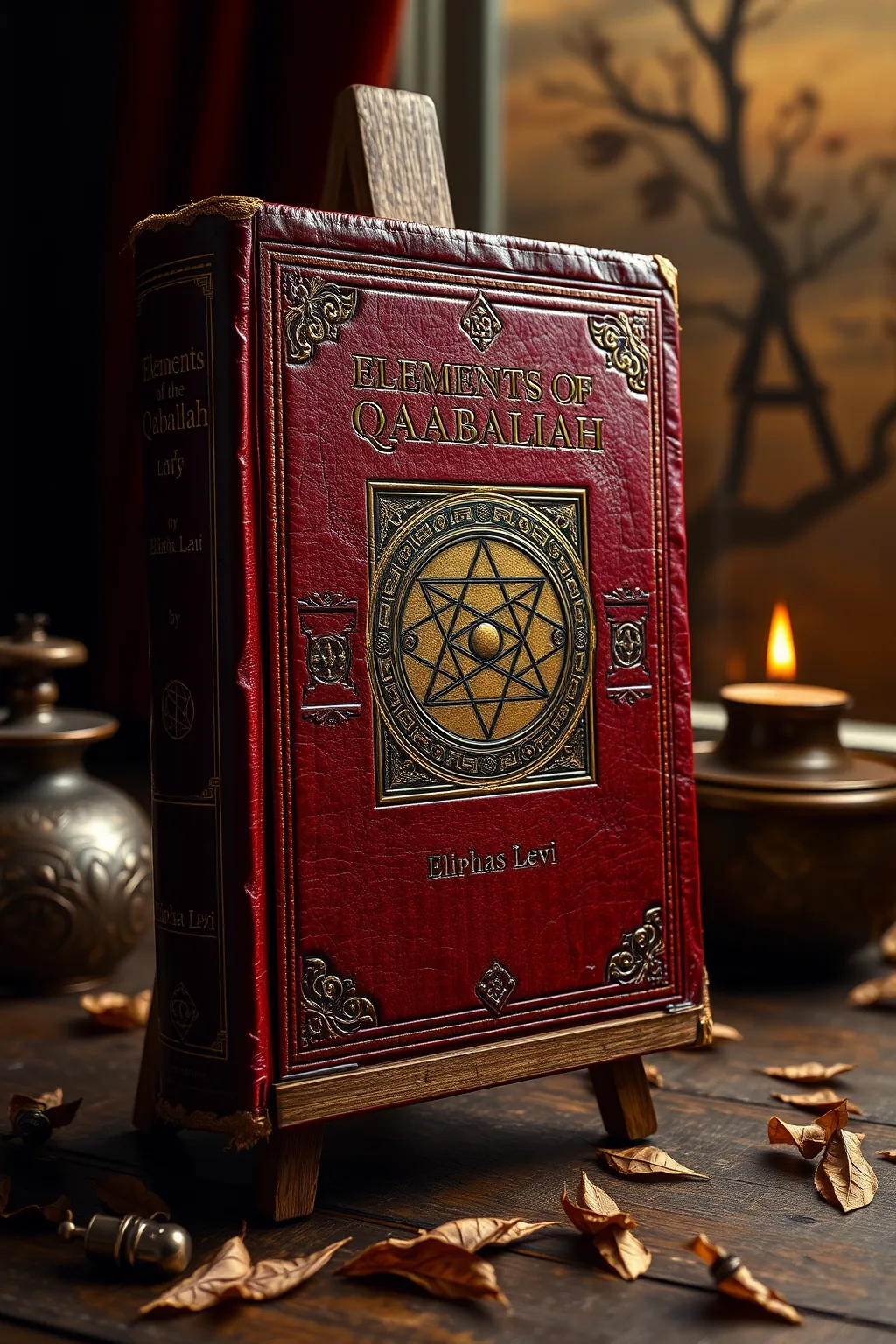
 61
61

Elements of the Qabalah

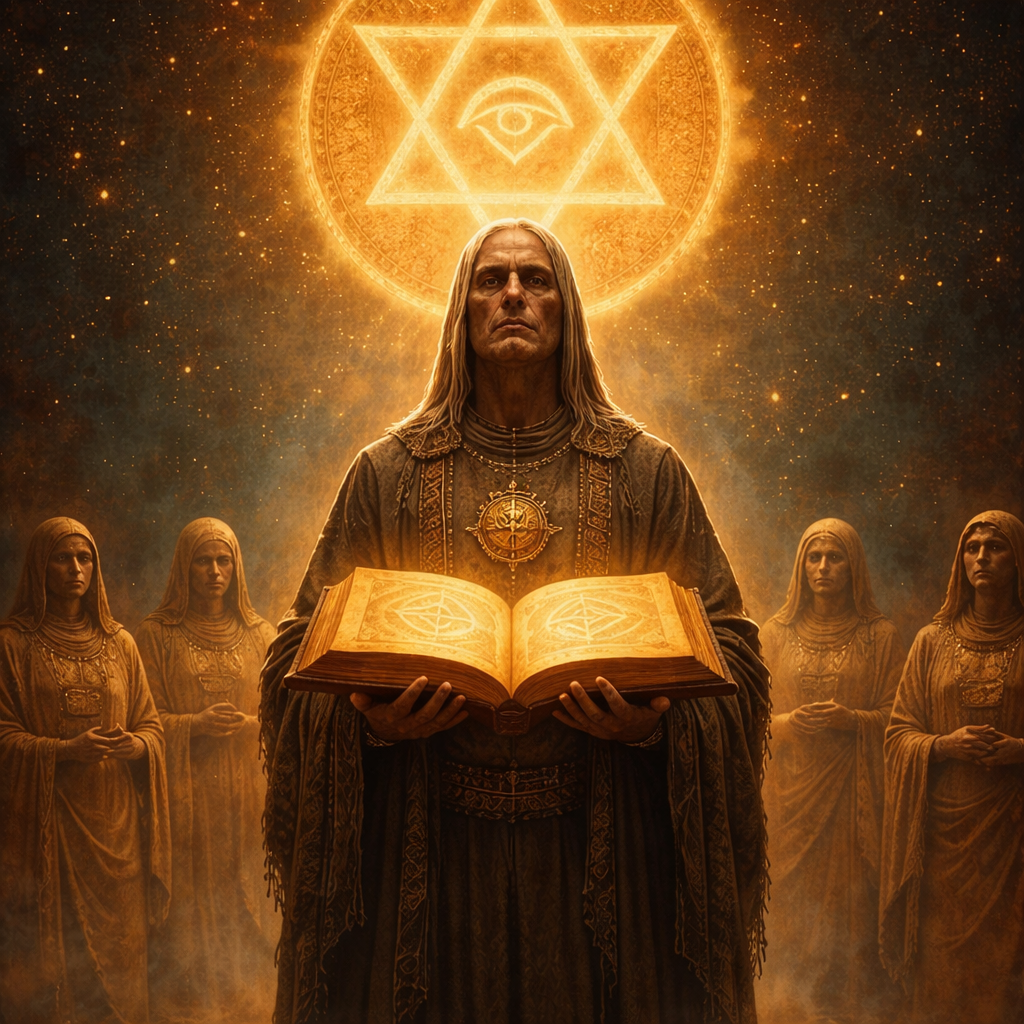

Aurelia Blackwood (Occult Philosophy Critic) — Eliphas Levi's 'Elements of the Qabalah' remains an unparalleled cornerstone for understanding Western esotericism. Levi masterfully deciphers the complex symbology of the Sephiroth, rendering them accessible without sacrificing their profound depth. He weaves together Kabbalistic principles with Hermeticism and Tarot, creating a cohesive tapestry of hidden knowledge. This work is not for the casual reader but for the dedicated student seeking to grasp the foundational architecture of mystical thought. Its strength lies in Levi's authoritative yet evocative prose, making intricate concepts resonate with spiritual urgency. A truly essential text for anyone serious about the Qabalistic path.
📝 Description
61
Eliphas Levi's 'Elements of the Qabalah', published in 1861, deciphers the Tree of Life.
Eliphas Levi's 'Elements of the Qabalah' (1861) presents a structured approach to understanding Qabalistic concepts. Levi, a significant figure in 19th-century occultism, uses the Hebrew Tree of Life as a central framework. He details its ten Sephiroth and twenty-two paths, connecting them to divine emanations and the structure of the cosmos. The book also examines correspondences between the Qabalah, Tarot, and alchemical symbolism.
Levi's work aims to provide a coherent system for students of mysticism. He discusses hidden meanings within arcane symbols and allegorical language. The text is intended to bridge the gap between material experience and spiritual understanding, suggesting an inherent divine presence. It serves as a guide for those seeking deeper knowledge of esoteric philosophy and its application to personal transformation.
This book belongs to the Western esoteric tradition, specifically the revival and reinterpretation of Qabalistic studies in the 19th century. Levi synthesized various esoteric currents, including Hermeticism, Kabbalah, and alchemy, to create a system accessible to his contemporaries. His work was influential in shaping modern occult thought, moving Qabalistic concepts from purely religious or mystical texts into a broader framework of symbolic and philosophical inquiry.
💡 Why Read This Book?
Uncover the foundational principles of Kabbalah, understand the symbolic language of the universe, and explore a potent framework for spiritual growth. Ideal for seekers of hidden wisdom, students of comparative religion, and practitioners of esoteric arts who wish to deepen their comprehension of cosmic order and personal evolution. This book offers a gateway to profound insights.
⭐ Reader Reviews
Honest opinions from readers who have explored this book.
❓ Frequently Asked Questions
What is the Qabalah?
The Qabalah is an esoteric tradition of mystical Judaism that explores the divine nature and the creation of the universe through a system of symbolism, most notably the Tree of Life. It seeks to understand God's relationship with the created world and the path of spiritual ascent.
Who was Eliphas Levi?
Eliphas Levi (Alphonse Louis Constant) was a highly influential French occultist and author of the 19th century, renowned for his reinterpretation and synthesis of various esoteric traditions, including Kabbalah, Hermeticism, and Freemasonry. His works are considered foundational to modern occultism.
Is this book suitable for beginners?
While comprehensive, Levi's writing can be dense. Beginners may benefit from supplementary resources or a guided study group to fully grasp the intricate concepts presented in 'Elements of the Qabalah'.
What is the Tree of Life?
The Tree of Life is a central symbolic diagram in Kabbalah, depicting ten interconnected spheres (Sephiroth) representing divine attributes and stages of creation. It serves as a map of consciousness and a framework for understanding the universe and humanity's place within it.
What is the relationship between Kabbalah and occultism?
Kabbalah has profoundly influenced Western occultism, providing a rich symbolic system and metaphysical framework. Many occult traditions integrate Qabalistic concepts, symbols, and practices into their teachings and rituals, viewing it as a key to understanding hidden spiritual laws.
🔮 Key Themes & Symbolism
The Tree of Life as Cosmic Blueprint
Levi presents the Tree of Life not merely as a diagram, but as the fundamental architecture of the cosmos and the human soul. He meticulously details the ten Sephiroth and their interconnections, revealing them as dynamic forces of divine emanation. This section explores how each Sephirah represents a distinct aspect of God and consciousness, forming a sacred map that guides the seeker through the stages of creation and spiritual evolution. Understanding this blueprint is key to grasping the interconnectedness of all things and the potential for divine realization within oneself.
Symbolic Language of the Universe
Central to Levi's approach is the deciphering of the symbolic language inherent in the Qabalah. He argues that the universe speaks through symbols, and these symbols, particularly those found in Hebrew letters, numbers, and ancient texts, hold profound metaphysical truths. This theme examines how Levi interprets these symbols to reveal hidden meanings, drawing parallels between Qabalistic concepts and other esoteric traditions. It emphasizes that true understanding comes not from literal interpretation, but from intuitive grasping of the underlying archetypal forces they represent.
The Path of Spiritual Ascent and Alchemy
Levi masterfully connects Qabalistic principles to the alchemical quest for transformation. The journey up the Tree of Life is depicted as a spiritual alchemy, a process of refining the soul and reuniting with the divine source. This theme explores how the Qabalah provides a practical methodology for self-transformation, urging the reader to integrate its teachings into their lives. It highlights the concept of the 'Great Work' – the spiritual realization and attainment of higher consciousness – as achievable through diligent study and application of Qabalistic wisdom.
💬 Memorable Quotes
Direct passages from the work, attributed to the author.
“The Tree of Life is the divine plan.”
— This emphasizes the Qabalah's view of the Tree of Life as the fundamental blueprint for creation, reflecting God's intention and the ordered structure of the universe, from the highest spiritual realms to the material plane.
“Symbolism is the language of the gods.”
— This highlights the belief that divine truths are often conveyed through symbolic imagery and archetypes, which transcend ordinary language and speak directly to the soul, revealing deeper realities.
“Magic is the science of the wise.”
— This points to Levi's understanding of magic not as mere illusion, but as a profound understanding and application of natural and supernatural laws, a path for the wise to interact with and influence the forces of the universe.
“To know, to dare, to will, to keep silent.”
— A foundational maxim of esoteric practice, encapsulating the stages of spiritual endeavor: acquiring knowledge, bravely facing challenges, asserting one's will towards a goal, and maintaining discretion about one's inner work.
💡 Key Ideas
Editorial paraphrase of the work's core concepts — not direct quotes.
The Qabalah is the key to science.
This quote suggests that the Qabalistic system, with its intricate symbolic structure and metaphysical principles, offers a profound and universal framework for understanding the underlying laws and secrets of all scientific and spiritual disciplines.
🌙 Esoteric Significance
Tradition
This work is a core part of Western Esotericism, specifically drawing heavily from the Lurianic Kabbalah and synthesizing it with Hermetic philosophy, Tarot symbolism, and alchemical principles. Levi presents Kabbalah not as a purely religious doctrine, but as a universal science of the divine, accessible through symbolic interpretation and spiritual practice, making it a foundational text for modern occult orders and mystical traditions.
Symbolism
The book meticulously deciphers the detailed symbolism of the Qabalistic Tree of Life, its ten Sephiroth, and twenty-two paths. Levi connects these to Hebrew letters, astrological correspondences, alchemical elements, and Tarot cards, revealing a complex web of interconnected meanings. This symbolic language acts as a divine grammar, explaining the structure of creation, the nature of consciousness, and the potential for human spiritual evolution.
Modern Relevance
Levi's 'Elements of the Qabalah' remains profoundly relevant for contemporary spiritual seekers and occult practitioners. It provides a timeless framework for understanding consciousness, the universe, and the human condition. Its emphasis on the interconnectedness of all things, the power of symbolism, and the path of personal transformation continues to inspire those exploring mysticism, meditation, and the deeper questions of existence.
👥 Who Should Read This Book
This foundational text is essential for aspiring Kabbalists and students of Western Esotericism seeking a comprehensive introduction to the Qabalistic system. Scholars of comparative religion and mysticism will find its historical context and analytical depth invaluable. Spiritual seekers interested in the architecture of the cosmos, the nature of consciousness, and the path to inner transformation will discover useful insights. Practitioners of magic, Tarot, or alchemy will benefit from understanding the Qabalistic underpinnings of their chosen disciplines, gaining a richer appreciation for the symbolic language and energies at play.
📜 Historical Context
Written during the mid-19th century, a period of intense occult revival and intellectual curiosity in Europe, Eliphas Levi's 'Elements of the Qabalah' emerged as an important work. This era saw a burgeoning interest in ancient mysteries, Hermeticism, and esoteric philosophies, often as a reaction to the perceived materialism of the age. Levi, a charismatic and prolific writer, synthesized diverse traditions, including Kabbalah, Freemasonry, and ceremonial magic, into a coherent and accessible system. His work resonated with secret societies and individual seekers alike, influencing generations of occultists, mystics, and thinkers. 'Elements of the Qabalah' was instrumental in popularizing Qabalistic concepts beyond scholarly Jewish circles and establishing them as a core part of Western esotericism, bridging the gap between ancient wisdom and modern spiritual aspirations.
📔 Journal Prompts
Reflect on the concept of divine emanation as described by Levi. How does this relate to your understanding of creation and your own existence?
Choose one Sephirah from the Tree of Life and meditate on its attributes. How do these qualities manifest in your personal life and in the world around you?
Consider the symbolic language Levi discusses. What everyday symbols have you encountered, and what deeper meanings might they hold?
How does the idea of 'The Great Work' as presented by Levi resonate with your personal goals for spiritual growth and self-improvement?
Explore the connection between Qabalah and alchemy as described in the text. What parallels can you draw between spiritual transformation and the alchemical process?
🗂️ Glossary
Sephiroth
The ten divine emanations or attributes of God, represented as spheres on the Qabalistic Tree of Life, each symbolizing a stage of creation and a facet of divine consciousness.
Tree of Life
A central symbolic diagram in Kabbalah, depicting the ten Sephiroth and their interconnected paths, serving as a map of the universe, divine revelation, and the human psyche.
Ein Sof
The Kabbalistic concept of the infinite, unknowable, and absolute Godhead, the primordial essence from which all creation emanates.
Kether
The first Sephirah on the Tree of Life, representing the supreme crown, the ultimate source of divine will, and the point of origin of all existence.
Da'at
Often considered the eleventh Sephirah, 'Knowledge,' representing the union of Wisdom and Understanding, a point of clear insights and spiritual awareness rather than a distinct emanation.
This book appears in 1 collection
🔮 Readers Also Liked
Browse all →









More by Eliphas Levi
All books →



From the “Kabbalah” Collection
View all →







More Free Kabbalah & Jewish Mysticism Books
View all →