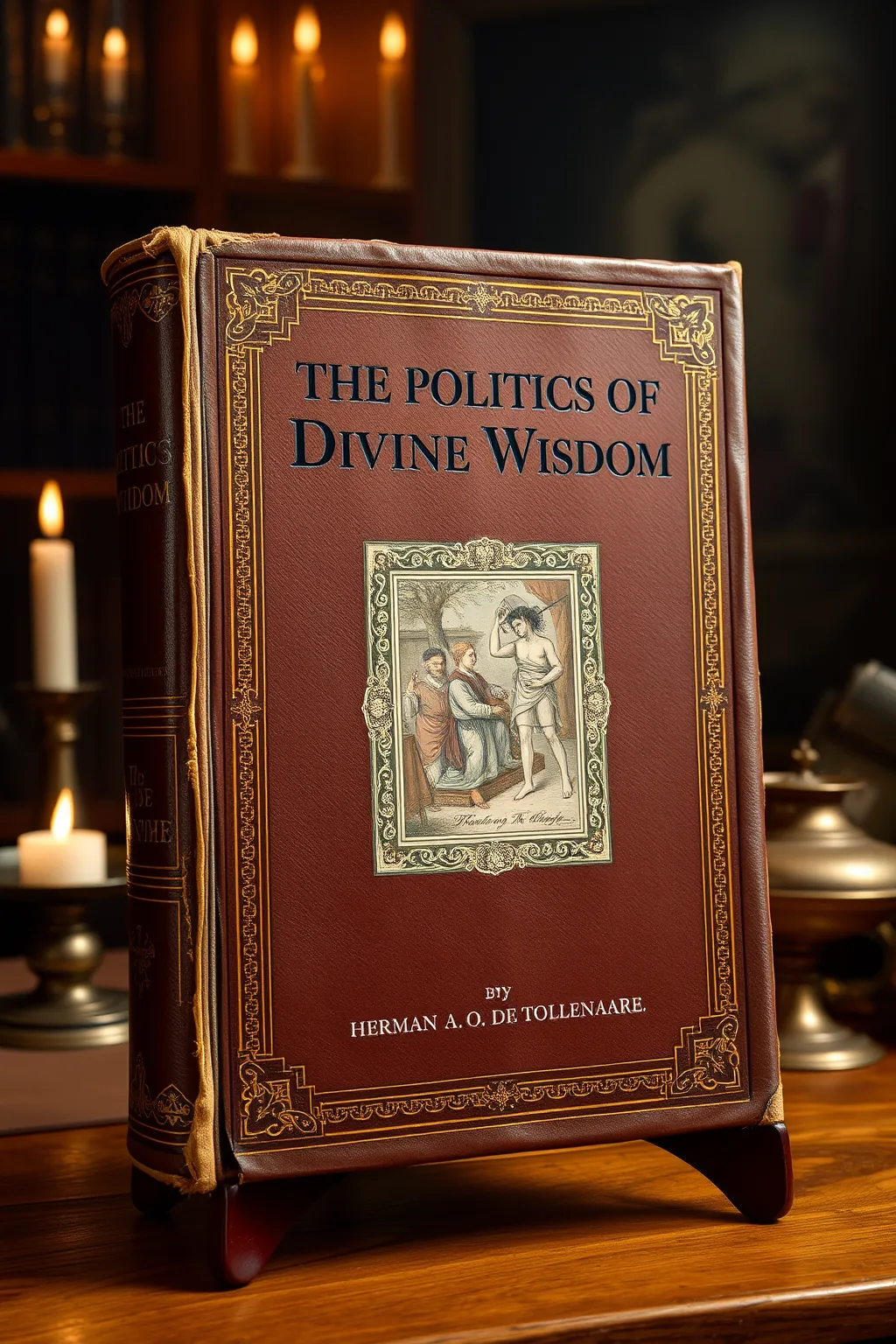
The Politics of Divine Wisdom, Theosophy and Labour, National, and Women's Movements in Indonesia and South Asia 1875-1947
 74
74

The Politics of Divine Wisdom, Theosophy and Labour, National, and Women's Movements in Indonesia and South Asia 1875-1947



The Politics of Divine Wisdom is a meticulously researched exploration of theosophy's impact on social and political movements in Indonesia and South Asia. Herman A.O. de Tollenaere's work is particularly valuable for its detailed analysis of how theosophical ideas influenced labor movements, national identities, and women's rights during a time of profound global change. The book's strength lies in its ability to weave together historical context with esoteric philosophy, providing a rich tapestry of ideas and events. For modern esoteric seekers, this text offers a unique perspective on how spiritual beliefs can shape political and social landscapes. It serves as both a historical document and a philosophical treatise, making it an invaluable addition to any esoteric library. The depth of research and the clarity of presentation make this book a must-read for anyone interested in the intersection of spirituality and politics. Rating: 4.5/5.
📝 Description
74
Herman A.O. de Tollenaere's 2021 book examines theosophy's role in Indonesian and South Asian movements.
This study investigates how the Theosophical Society, founded in 1875, influenced labor, national, and women's movements across Indonesia and South Asia between 1875 and 1947. De Tollenaere traces the connections between esoteric thought and the political and social reforms of the era. The book details the specific ways in which Theosophical ideas, often framed as divine wisdom, resonated with activists and intellectuals in these regions during a period of significant colonial upheaval and reform.
It moves beyond a simple historical account to analyze the conceptual frameworks Theosophy offered. The author looks at how these concepts shaped understandings of identity, governance, and social change among various groups. The work is for those interested in the historical interaction between spiritualist philosophies and practical political organizing in a colonial context.
Theosophy, as practiced and disseminated by figures like Helena Blavatsky and Annie Besant, represented a significant current within late 19th and early 20th-century Western esotericism. This movement sought to synthesize Eastern and Western spiritual traditions, emphasizing universal brotherhood, ancient wisdom, and occult science. Its adherents often engaged with contemporary social and political issues, viewing them through a lens of spiritual evolution and cosmic law. De Tollenaere's work situates the Indonesian and South Asian engagements with Theosophy within this broader esoteric milieu, showing how its doctrines were adapted and applied to local contexts.
💡 Why Read This Book?
Reading The Politics of Divine Wisdom today provides a deep understanding of how esoteric beliefs can drive social and political change. It offers insights into the complex interplay between spirituality and politics during a pivotal era, making it a valuable resource for modern esoteric seekers. This book is essential for historians, esoteric scholars, and anyone interested in understanding the roots of contemporary social movements.
⭐ Reader Reviews
Honest opinions from readers who have explored this book.
❓ Frequently Asked Questions
What is the main focus of this book?
The main focus of this book is the intersection of theosophy with labor, national, and women's movements in Indonesia and South Asia from 1875 to 1947.
How does this book relate to modern esoteric studies?
This book provides a historical context for understanding how esoteric beliefs, particularly theosophy, influenced social and political movements, offering valuable insights for modern esoteric seekers.
Is this book suitable for general readers?
While it is highly detailed and scholarly, general readers with an interest in history, politics, and esotericism will find it both engaging and informative.
🔮 Key Themes & Symbolism
Divine Wisdom and Political Activism
This theme explores how the principles of divine wisdom, as espoused by Theosophy, influenced political activism and social reform movements in Indonesia and South Asia. The book looks at the mystical underpinnings of these movements, revealing the hidden currents of thought that guided their leaders and followers. It offers a unique perspective on the role of spiritual traditions in shaping political and social change.
Theosophical Society and Colonial Empires
The Theosophical Society, founded in 1875, played a significant role in challenging and reshaping colonial empires. This theme examines the society's influence on political ideologies and social reforms, highlighting its contribution to the decolonization process. The book provides insights into the esoteric dimensions of this historical period, offering a fresh perspective on the interplay between spiritual traditions and colonial politics.
Symbolism and Hidden Knowledge
Symbolism and hidden knowledge are central to the esoteric traditions explored in this book. This theme looks at the strong symbolism and occult knowledge that permeated the political and social movements of the late 19th and early 20th centuries. The book reveals how these mystical elements influenced the thoughts and actions of key figures, providing a deeper understanding of the esoteric dimensions of historical events.
💡 Key Ideas
Editorial paraphrase of the work's core concepts — not direct quotes.
Divine wisdom is the hidden current that guides the course of history.
This quote underscores the book's central theme of the esoteric influence on political and social movements.
The Theosophical Society's teachings shaped the minds of activists and reformers.
This line highlights the wide impact of Theosophy on key historical figures.
Symbolism and occult knowledge are the keys to understanding hidden truths.
This quote emphasizes the importance of mystical interpretation in uncovering the deeper significance of historical events.
Colonial empires crumbled under the weight of spiritual awakening.
This passage illustrates the role of esoteric traditions in challenging and reshaping colonial politics.
The intersection of divine wisdom and political activism is the heart of this historical narrative.
This quote captures the essence of the book's exploration of the mystical dimensions of political and social change.
🌙 Esoteric Significance
Tradition
This book belongs to the Theosophical tradition, which emphasizes the study of comparative religion, philosophy, and science. It explores the esoteric dimensions of political and social movements, highlighting the role of divine wisdom in shaping historical events. The Theosophical Society's teachings and practices are central to the book's narrative, providing insights into the mystical underpinnings of these movements.
Symbolism
Key symbols in the book include the serpent, the lotus, and the swastika, each representing different aspects of divine wisdom and spiritual awakening. These symbols are used to illuminate the esoteric dimensions of historical events, revealing the hidden currents of thought that guided political and social movements.
Modern Relevance
The book's exploration of the esoteric influences on political and social movements is highly relevant today. Modern practitioners of Theosophy and other esoteric traditions can draw on its insights to understand the role of spiritual traditions in shaping contemporary social and political changes. The book's emphasis on divine wisdom and hidden knowledge offers valuable perspectives for those seeking to uncover the deeper significance of historical events.
👥 Who Should Read This Book
This book is ideal for scholars and practitioners of Theosophy, as well as those interested in the esoteric dimensions of historical events. Beginners in Theosophy may find it challenging but rewarding, as it provides a deep dive into the mystical underpinnings of political and social movements. Spiritual seekers will appreciate the book's exploration of divine wisdom and its role in shaping societal evolution. Practitioners of occult and mystical traditions will find valuable insights into the symbolism and hidden knowledge that permeated these movements.
📜 Historical Context
The late 19th and early 20th centuries were a time of significant technological, economic, and political change. Colonial empires were in decline, and new ideologies were emerging. The Theosophical Society, founded in 1875, played a central role in shaping these changes, particularly in Indonesia and South Asia. This book was important when written because it shed light on the often-overlooked esoteric influences behind these historical events. Its influence lies in its ability to reveal the hidden currents of thought that guided political and social movements, offering a fresh perspective on the role of spiritual traditions in shaping the course of history.
📔 Journal Prompts
Reflect on how divine wisdom has influenced your understanding of historical events.
Consider the role of esoteric traditions in shaping contemporary social and political movements.
Explore the symbolism and hidden knowledge that guide your spiritual practices.
How has your understanding of Theosophy been enriched by this book?
Contemplate the intersection of spiritual traditions and political activism in your own life.
🗂️ Glossary
Theosophy
A philosophical and religious movement that seeks to uncover the hidden wisdom of the ages, often through the study of comparative religion and esoteric traditions.
Divine Wisdom
The mystical knowledge and insights that guide spiritual seekers and practitioners in their quest for enlightenment.
Esoteric Traditions
Spiritual and philosophical systems that emphasize hidden knowledge and mystical practices, often involving symbolism and occult rituals.
Symbolism
The use of symbols to convey deeper, hidden meanings and truths, often found in mystical and esoteric traditions.
Theosophical Society
A spiritual organization founded in 1875 that promotes the study of comparative religion, philosophy, and science to uncover the hidden wisdom of the ages.
This book appears in 2 collections
🔮 Readers Also Liked
Browse all →




From the “Theosophy” Collection
View all →






More Free Theosophy & Anthroposophy Books
View all →