The Key to Theosophy: Being a Clear Exposition, in the Form of Question and Answer, of the Ethics, Science and Philosophy for the Study of Which the Theosophical Society Has Been Founded
 70
70

The Key to Theosophy: Being a Clear Exposition, in the Form of Question and Answer, of the Ethics, Science and Philosophy for the Study of Which the Theosophical Society Has Been Founded

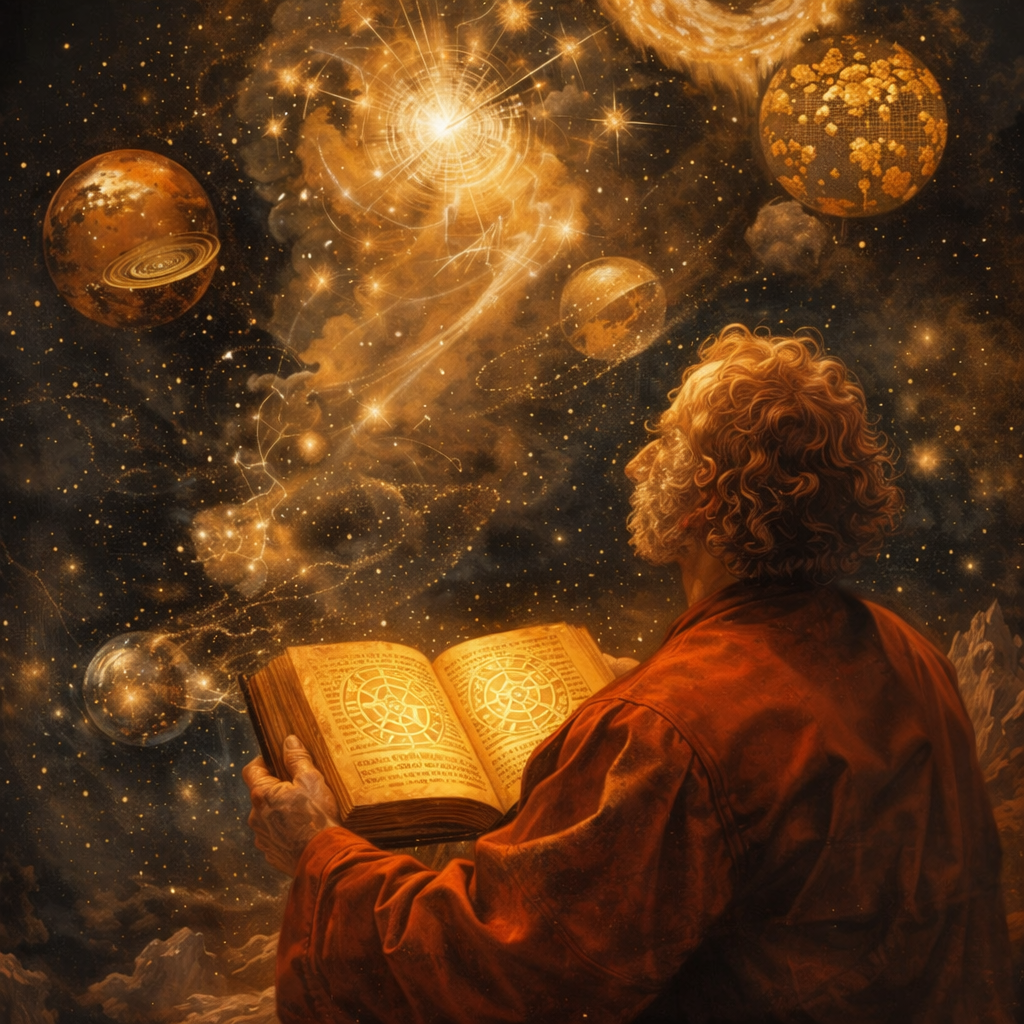

The Key to Theosophy by H.P. Blavatsky remains a cornerstone of esoteric literature, offering a clear and concise introduction to the profound teachings of Theosophy. Written in a question-and-answer format, the book demystifies complex spiritual concepts, making them accessible to both novice and experienced seekers. Blavatsky's insights into karma, reincarnation, and the nature of the soul are as relevant today as they were in the 19th century. For modern esoteric seekers, this text provides a solid foundation for understanding the interconnectedness of all life and the potential for spiritual evolution. The book's enduring value lies in its ability to bridge Eastern and Western philosophies, offering a holistic view of the universe. Despite its age, The Key to Theosophy remains a timeless guide for those on the spiritual path.
📝 Description
70
Helena Petrovna Blavatsky published The Key to Theosophy in 1889, aiming to clarify the Society's core tenets.
This 1889 work by Helena Petrovna Blavatsky is structured as a dialogue to explain the fundamental ethics, science, and philosophy behind the Theosophical Society. Blavatsky addresses common questions about her system, aiming to demystify its principles for a wider audience. The book covers concepts such as karma, reincarnation, the nature of spirit and matter, and the relationship between humanity and the cosmos.
It presents Theosophy not as a religion, but as a system of thought intended to foster spiritual understanding. Blavatsky draws upon various ancient traditions and philosophical ideas to support her explanations. The text attempts to reconcile spiritual teachings with scientific and philosophical inquiry of the late 19th century. It is intended as a clear introduction for students of Theosophy.
Published in the late 19th century, The Key to Theosophy emerged during a period of renewed interest in spiritualism and Eastern philosophies in the West. Blavatsky's work draws heavily on concepts found in Hinduism and Buddhism, such as karma and reincarnation, reinterpreting them within a Western esoteric framework. It positions itself as a modern exposition of ancient wisdom, seeking to bridge the perceived gap between materialism and spirituality. The book is a primary source for understanding the foundational doctrines Blavatsky and the Theosophical Society promoted.
✍️ Author
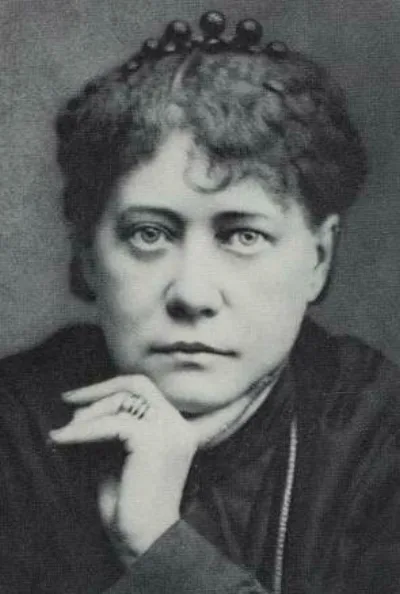
Blavatsky, H. P. (Helena Petrovna)
Helena Petrovna Blavatsky (née Hahn von Rottenstern; 12 August [O.S. 31 July] 1831 – 8 May 1891), often known as Madame Blavatsky, was a Russian and American mystic and writer who co-founded the Theosophical Society in 1875.
💡 Why Read This Book?
Reading The Key to Theosophy today offers readers a profound exploration of esoteric wisdom that remains relevant in the 21st century. Blavatsky's work provides a comprehensive overview of Theosophical principles, helping readers understand the interconnectedness of all life and the potential for spiritual growth. It serves as a foundational text for those interested in exploring deeper spiritual truths and the mystical dimensions of existence. By delving into this book, readers will gain insights into karma, reincarnation, and the universal brotherhood of humanity, enriching their spiritual journey.
⭐ Reader Reviews
Honest opinions from readers who have explored this book.
❓ Frequently Asked Questions
What is the main focus of The Key to Theosophy?
The main focus of The Key to Theosophy is to provide a clear and accessible introduction to the esoteric teachings of Theosophy, including concepts like karma, reincarnation, and the universal brotherhood of humanity.
Who should read this book?
This book is ideal for anyone interested in exploring esoteric and spiritual philosophies, particularly those new to Theosophical studies or seeking a deeper understanding of spiritual evolution.
How does The Key to Theosophy differ from other works by H.P. Blavatsky?
Unlike some of Blavatsky's more technical works, The Key to Theosophy is written in a question-and-answer format, making it more accessible for beginners while still covering profound spiritual concepts.
🔮 Key Themes & Symbolism
The Nature of the Divine
Blavatsky explores the esoteric understanding of the divine, exploring the mystical concepts of the Absolute, the Logos, and the spiritual hierarchy that governs the universe. This theme is central to Theosophy's teachings on the interconnectedness of all things and the path to spiritual enlightenment.
Ethical Principles in Spiritual Practice
The book emphasizes the importance of ethical behavior in the pursuit of spiritual knowledge. Blavatsky discusses the ethical principles that guide Theosophical practice, highlighting the moral and ethical dimensions of mystical traditions.
Scientific Principles of Theosophy
Blavatsky presents the scientific principles that underlie Theosophy, including the laws of karma, reincarnation, and the evolution of consciousness. This theme explores the intersection of science and spirituality, offering a holistic view of the universe.
💬 Memorable Quotes
Direct passages from the work, attributed to the author.
“There is no religion higher than Truth.”
— Blavatsky emphasizes the primacy of truth in spiritual pursuits, suggesting that genuine spiritual knowledge is rooted in the search for objective reality.
“The key to the mysteries of the universe lies within ourselves.”
— Blavatsky suggests that the answers to life's deepest questions are found through self-exploration and inner reflection.
“The universe is a symphony of interconnected energies.”
— Blavatsky's view of the universe as a harmonious interplay of energies underscores the interconnectedness of all things, a central theme in Theosophy.
💡 Key Ideas
Editorial paraphrase of the work's core concepts — not direct quotes.
The voice of the heart can never be silenced.
This quote highlights the importance of intuition and inner guidance in the mystical journey, urging readers to trust their spiritual instincts.
The path to enlightenment is paved with ethical living.
This quote underscores the importance of ethical behavior in the pursuit of spiritual enlightenment, emphasizing the moral dimensions of Theosophical practice.
🌙 Esoteric Significance
Tradition
The Key to Theosophy belongs to the Hermetic and Theosophical traditions, drawing on ancient wisdom and mystical teachings to explore the nature of reality and the path to spiritual enlightenment. Blavatsky's work is deeply rooted in the esoteric traditions of the West and East, offering a synthesis of various mystical and occult philosophies.
Symbolism
Key symbols in the book include the Tree of Life, the serpent, and the concept of the divine feminine. These symbols are rich in esoteric meaning, representing the interconnectedness of all things, the path to spiritual enlightenment, and the role of the divine in the universe.
Modern Relevance
The Key to Theosophy remains relevant today, providing modern practitioners with a roadmap to spiritual enlightenment and a deeper understanding of the interconnectedness of all things. It continues to influence contemporary esoteric studies and the New Age movement, offering timeless insights into the mysteries of the universe.
👥 Who Should Read This Book
Beginners interested in Theosophy will find this book an invaluable introduction to its core principles. Scholars of esoteric traditions will appreciate Blavatsky's deep knowledge and insightful analysis. Spiritual seekers will benefit from the ethical and philosophical guidance offered in the text, while practitioners of the occult will find strong symbolism and hidden knowledge to enrich their spiritual journey.
📜 Historical Context
The Key to Theosophy was written in the late 19th century, a time of great intellectual and spiritual ferment. The era was marked by a renewed interest in esoteric traditions and the search for hidden knowledge. Blavatsky's work was instrumental in popularizing Theosophy, a movement that sought to reconcile ancient wisdom with modern thought. The book's influence can be seen in the subsequent development of New Age spirituality and the resurgence of interest in mystical and occult traditions. It remains a foundational text for those exploring the depths of esoteric knowledge.
📔 Journal Prompts
Reflect on the concept of the divine as presented in The Key to Theosophy. How does this view differ from your own understanding of the divine?
Consider the ethical principles discussed in the book. How do these principles apply to your own spiritual practice?
Explore the scientific principles of Theosophy. How do these principles intersect with your understanding of the universe?
What role does symbolism play in your spiritual journey? How do the symbols in The Key to Theosophy resonate with you?
How does the idea of the interconnectedness of all things influence your view of the world and your place in it?
🗂️ Glossary
Theosophy
Theosophy is a philosophical and mystical movement that seeks to explore the nature of reality, the divine, and the path to spiritual enlightenment through the synthesis of ancient wisdom and modern thought.
Karma
Karma is the law of cause and effect, where actions in one's past life influence the present and future. It is a central concept in Theosophy and many Eastern philosophies.
Reincarnation
Reincarnation is the belief in the rebirth of the soul in a new body after death, a process that continues until spiritual enlightenment is achieved.
Logos
The Logos is the divine principle or reason that governs the universe, often associated with the creative and ordering force of the cosmos.
Absolute
The Absolute is the ultimate, unconditioned reality that underlies all existence, often referred to as the divine or the source of all things.
This book appears in 2 collections
🔮 Readers Also Liked
Browse all →



More by Blavatsky, H. P. (Helena Petrovna)
All books →
From the “Theosophy” Collection
View all →





More Free Theosophy & Anthroposophy Books
View all →