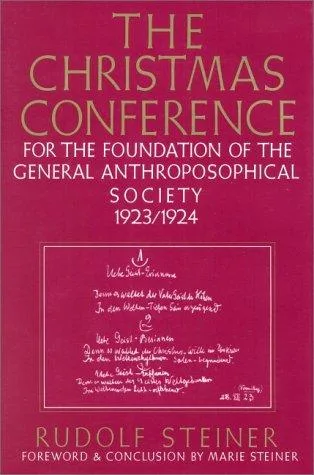
Hermetica

 62
62

Hermetica



Review by Cassian Rothmann (Senior Critic, Ancient Wisdom) — 'Hermetica' by Brian P. Copenhaver is a monumental achievement in the realm of esoteric literature. This meticulous translation of the Corpus Hermeticum, coupled with Copenhaver's insightful introduction, offers an unparalleled resource for scholars and seekers of hidden knowledge. The Hermetica's esoteric insights are beautifully rendered, providing a clear and accessible entry into the mystical world of Hermes Trismegistus. Copenhaver's work is not just a translation but a scholarly exploration that illuminates the profound philosophical significance of these ancient texts. This book is essential for anyone interested in Hermeticism, occultism, and the deeper mysteries of the human experience.
📝 Description
62
Brian P. Copenhaver's 1992 translation renders the Corpus Hermeticum accessible to modern readers.
Copenhaver's edition presents the Corpus Hermeticum, a collection of Greek philosophical and religious writings attributed to Hermes Trismegistus. These texts, written in late antiquity, discuss a hidden theology and present esoteric symbolism that has influenced spiritual thought for centuries. The Hermetica weaves together Neoplatonic ideas with occult concepts, fostering a deep spiritual inquiry.
This work is suited for academics, practitioners of esoteric traditions, and anyone interested in the occult. Copenhaver's extensive introduction and annotations offer crucial background information. The translation aims to clarify the complex ideas within Hermetic philosophy, making it a valuable resource for understanding fundamental aspects of human existence and the divine.
The Corpus Hermeticum stands as a central text in Western esotericism, originating in the Hellenistic period. These writings, falsely attributed to the ancient Egyptian god Thoth as Hermes Trismegistus, blend Greek philosophy, particularly Platonism and Stoicism, with Egyptian religious ideas. They articulate a complex cosmology, a divine revelation, and a path to spiritual ascent. The Hermetica's influence is seen in Neoplatonism, Gnosticism, Renaissance Hermeticism, and later magical and alchemical traditions, shaping concepts of divine knowledge and humanity's place in the cosmos.
💡 Why Read This Book?
Read 'Hermetica' to unlock the secrets of ancient wisdom and esoteric knowledge. This book is ideal for scholars, spiritual seekers, and practitioners of the occult who wish to delve into the rich symbolism and profound philosophical insights of the Corpus Hermeticum. Whether you are a seasoned scholar or a curious beginner, 'Hermetica' offers a transformative journey into the mystical world of Hermetic thought.
⭐ Reader Reviews
Honest opinions from readers who have explored this book.
❓ Frequently Asked Questions
What is the Hermetica?
The Hermetica is a collection of ancient theological and philosophical texts attributed to Hermes Trismegistus, believed to contain profound esoteric knowledge.
Who is Brian P. Copenhaver?
Brian P. Copenhaver is a renowned scholar of ancient philosophy and the translator of the Hermetica, providing a reliable and comprehensive translation of these mystical texts.
What is Hermeticism?
Hermeticism is an esoteric tradition that draws from the teachings of Hermes Trismegistus, emphasizing the search for spiritual enlightenment and hidden knowledge.
What is the Corpus Hermeticum?
The Corpus Hermeticum is a collection of Hermetic writings that form the core of Hermetic philosophy, containing texts that explore mystical and occult themes.
Why is the Hermetica important?
The Hermetica is important because it offers a unique perspective on ancient theology and philosophy, providing insights into the mystical traditions of late antiquity.
🔮 Key Themes & Symbolism
Ancient Theology
The Hermetica presents an ancient theology that parallels the wisdom of the Bible, offering a unique perspective on divine knowledge and spiritual enlightenment. This theme emphasizes the timeless nature of esoteric wisdom and its enduring relevance in the modern world.
Esoteric Knowledge
At the heart of the Hermetica lies the pursuit of hidden knowledge, a central theme in Hermetic philosophy. This theme studies the mysteries of the universe and the human experience, providing seekers with a path to deeper understanding and spiritual growth.
Neoplatonic Influences
The Hermetica is deeply influenced by Neoplatonic thought, tying together mystical and philosophical ideas to create a wide range of esoteric wisdom. This theme explores the intersections of Neoplatonism and Hermeticism, highlighting their shared quest for divine truth.
💬 Memorable Quotes
Direct passages from the work, attributed to the author.
“As above, so below.”
— This famous Hermetic maxim reflects the interconnectedness of the cosmos and the microcosm, emphasizing the unity of all things.
“God is a circle whose center is everywhere and circumference nowhere.”
— This enigmatic statement highlights the omnipresence and infinity of the divine, a central theme in Hermetic thought.
“Man, know thyself.”
— This ancient adage, central to Hermetic philosophy, encourages self-inquiry and the pursuit of inner wisdom.
💡 Key Ideas
Editorial paraphrase of the work's core concepts — not direct quotes.
The All is Mind; the Universe is Mental.
This quote underscores the Hermetic belief in the primacy of consciousness and the mental nature of reality.
The path to enlightenment is through the purification of the soul.
This quote emphasizes the Hermetic focus on spiritual purification and the journey towards divine union.
🌙 Esoteric Significance
Tradition
The Hermetica belongs to the Hermetic tradition, which emphasizes the search for spiritual enlightenment and hidden knowledge. This esoteric path draws from ancient wisdom and mystical symbolism to guide seekers on their journey to divine union.
Symbolism
Key symbols in the Hermetica include the serpent, representing wisdom and transformation, and the caduceus, symbolizing the union of opposites and the healing of the soul. These symbols are rich in meaning and serve as powerful tools for spiritual growth and self-inquiry.
Modern Relevance
The Hermetica remains relevant today, inspiring modern practitioners of the occult and seekers of spiritual enlightenment. Its timeless wisdom offers insights into the nature of reality and the human experience, making it an essential resource for those reading through the complexities of modern life.
👥 Who Should Read This Book
Beginners interested in Hermeticism will find 'Hermetica' to be an accessible and enlightening introduction to ancient wisdom. Scholars of esoteric traditions will appreciate the comprehensive translation and scholarly insights provided by Brian P. Copenhaver. Spiritual seekers will be drawn to the profound philosophical and mystical themes that permeate these texts. Practitioners of the occult will find valuable resources and symbolic guidance for their spiritual journeys.
📜 Historical Context
The Hermetica was written in late antiquity, a time of great spiritual and philosophical ferment. These texts were believed to contain ancient wisdom, attributed to the legendary Hermes Trismegistus, and were seen as parallel to the received wisdom of the Bible. The Hermetica played a significant role in the development of Western esotericism, influencing thinkers from the Renaissance to the present day. Its ideas have shaped various mystical and occult traditions, making it a foundational text for those seeking to understand the deeper mysteries of human existence.
📔 Journal Prompts
Reflect on the concept of ancient theology as presented in the Hermetica. How does this perspective challenge or enhance your understanding of divine wisdom?
Consider the idea of esoteric knowledge and its significance in your spiritual journey. What hidden truths have you discovered, and how have they shaped your path?
Explore the influence of Neoplatonic thought on Hermetic philosophy. How do these philosophical ideas intersect with your own beliefs and experiences?
Meditate on the symbol of the serpent in the Hermetica. What insights does this symbol offer about transformation and wisdom in your life?
Reflect on the idea of spiritual purification as described in the Hermetica. What steps can you take to purify your soul and move closer to divine union?
🗂️ Glossary
Hermes Trismegistus
A legendary figure in Hermeticism, believed to be the author of the Hermetica and a contemporary of Moses, embodying ancient wisdom and divine knowledge.
Corpus Hermeticum
A collection of ancient Hermetic writings that form the core of Hermetic philosophy, exploring mystical and occult themes.
Neoplatonism
A philosophical tradition that emphasizes the pursuit of divine truth and the unity of all things, heavily influencing Hermetic thought.
Esoteric Knowledge
Hidden wisdom and spiritual insights that are revealed to seekers through inner inquiry and mystical experiences.
Ancient Theology
The study of divine wisdom and spiritual enlightenment as presented in ancient texts, often seen as parallel to biblical wisdom.
This book appears in 1 collection
🔮 Readers Also Liked
Browse all →








More by Brian P. Copenhaver
All books →

From the “Hermeticism” Collection
View all →







More Free Alchemy & Hermeticism Books
View all →