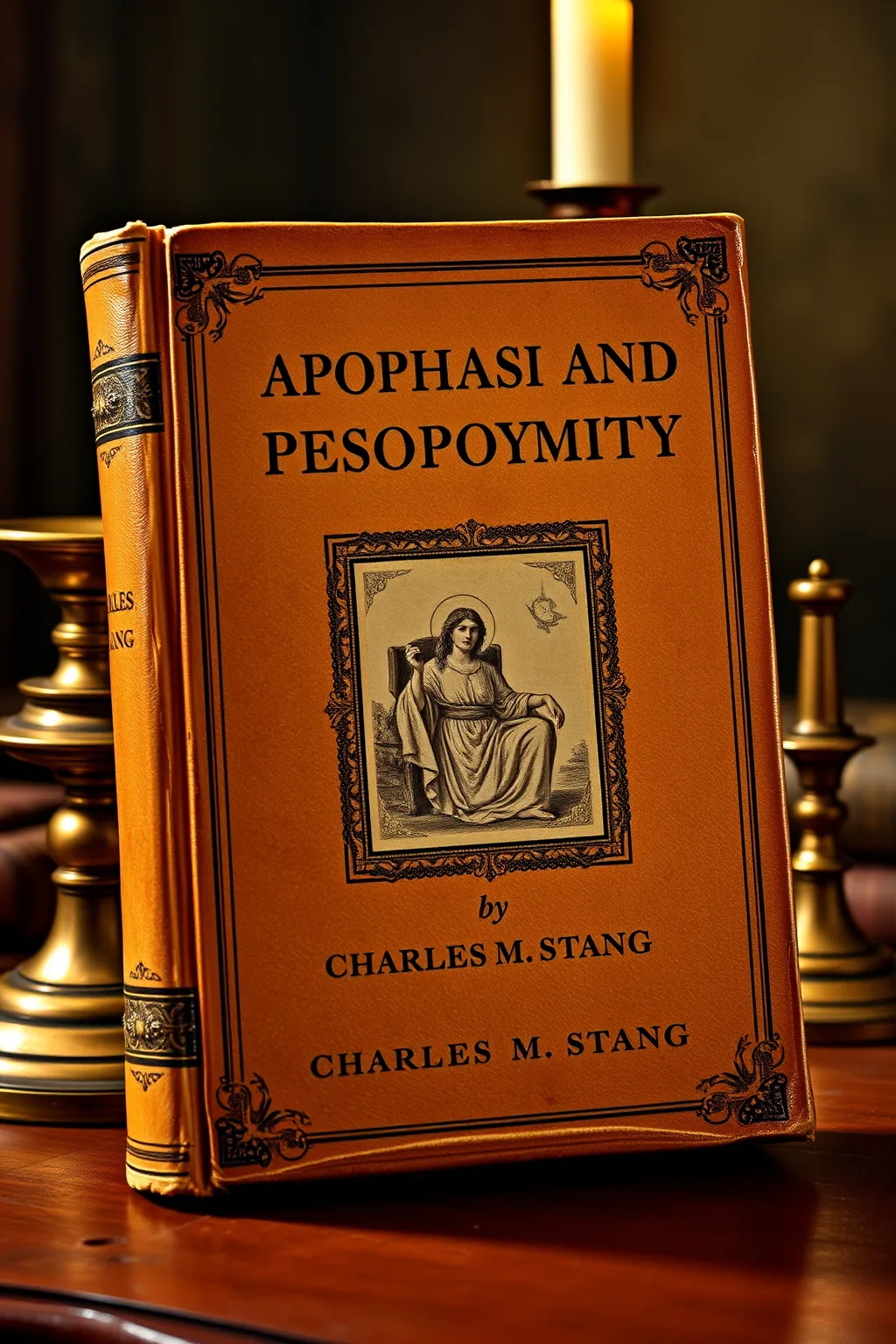
Apophasis and pseudonymity in Dionysius the Areopagite
 62
62

Apophasis and pseudonymity in Dionysius the Areopagite



Review by Lorelei Sage (Contemplative Literature Editor) — Charles M. Stang's 'Apophasis and Pseudonymity in Dionysius the Areopagite' is a masterful exploration of the mystical and esoteric dimensions of early Christian thought. Stang's work is a treasure trove of insights for those interested in the philosophical and theological depths of Christian mysticism. His analysis of apophasis and pseudonymity sheds light on the hidden knowledge and symbolism embedded in the writings of Dionysius the Areopagite. This book is an invaluable resource for scholars and seekers alike, offering a profound understanding of the spiritual practices and metaphysical underpinnings of the early Church. Stang's scholarly rigor and evocative prose make this a must-read for anyone delving into the esoteric traditions of Christianity.
📝 Description
62
Charles M. Stang's 2017 book examines apophasis and pseudonymity in Dionysius the Areopagite's work.
Charles M. Stang's study focuses on two central concepts in the writings attributed to Dionysius the Areopagite: apophasis, or negative theology, and pseudonymity. The book investigates how Dionysius employed these methods to articulate his mystical theology within the context of the early Christian church.
Stang's analysis unpacks the symbolic and metaphysical structures underlying Dionysius' teachings. He shows how the use of negative theology, which describes God by what God is not, and the adoption of a respected historical persona, contributed to the transmission and reception of these complex ideas. The book details the spiritual practices and mystical experiences that Dionysius' writings aimed to illuminate for his readers.
This book is situated within the esoteric tradition of Christian mysticism that draws heavily on Neoplatonic philosophy. Dionysius the Areopagite, a figure whose writings became highly influential in late antiquity and the Middle Ages, represents a key gateway for Neoplatonic thought into Christian theology. His approach, characterized by its ascent through negation and its symbolic language, provided a framework for understanding the divine that resonated with mystical practitioners seeking direct experience of God. Stang's work examines how Dionysius' specific use of apophasis and pseudonymity shaped this influential lineage.
💡 Why Read This Book?
Read 'Apophasis and Pseudonymity in Dionysius the Areopagite' to gain a deep understanding of the mystical and philosophical foundations of early Christian thought. Ideal for scholars, spiritual seekers, and practitioners of Christian mysticism, this book offers rich insights into the symbolic and metaphysical dimensions of Dionysius' teachings. Discover the hidden knowledge and spiritual practices that have shaped Christian mysticism for centuries.
⭐ Reader Reviews
Honest opinions from readers who have explored this book.
❓ Frequently Asked Questions
What is the main focus of 'Apophasis and Pseudonymity in Dionysius the Areopagite'?
The book focuses on the themes of apophasis (negative theology) and pseudonymity within the writings of Dionysius the Areopagite.
Who is the intended audience for this book?
This book is intended for scholars, spiritual seekers, and practitioners of Christian mysticism.
What makes this book significant in the study of Christian mysticism?
The book provides deep insights into the mystical experiences and spiritual practices of the early Church, revealing the symbolic and metaphysical underpinnings of Dionysius' teachings.
How does Charles M. Stang's analysis contribute to the understanding of early Christian thought?
Stang's meticulous analysis sheds light on the hidden knowledge and symbolism embedded in the writings of Dionysius the Areopagite, offering a profound understanding of the spiritual practices and metaphysical dimensions of the early Church.
Can beginners in Christian mysticism benefit from this book?
While the book is highly scholarly, beginners with a keen interest in esoteric traditions can benefit from the foundational insights it provides.
🔮 Key Themes & Symbolism
Apophasis (Negative Theology)
Apophasis, or negative theology, is the practice of describing God by negation, emphasizing what God is not rather than what God is. This theme is central to Dionysius' teachings and is explored in depth by Charles M. Stang, revealing the mystical and esoteric dimensions of early Christian thought.
Pseudonymity
The use of pseudonyms in Dionysius' writings adds a layer of mystery and symbolism to his teachings. Stang's analysis explores the significance of pseudonymity, uncovering the hidden knowledge and spiritual practices embedded within these enigmatic texts.
Symbolism and Metaphysics
Dionysius' writings are rich in symbolism and metaphysical insights. Stang's work unravels these symbolic and metaphysical threads, providing a deep understanding of the spiritual experiences and practices of the early Church.
💡 Key Ideas
Editorial paraphrase of the work's core concepts — not direct quotes.
The mystical path is one of silence and negation, where words fail and only the heart understands.
This quote underscores the essence of apophasis, emphasizing the ineffable nature of divine experience.
In the shadow of pseudonymity, truth shines brighter.
This line highlights the significance of pseudonymity in revealing hidden spiritual truths.
The early Church fathers wove a collection of symbolism and metaphysics.
This passage illustrates the rich symbolic and metaphysical underpinnings of early Christian mysticism.
The journey of the soul is one of continual ascent and descent.
This quote reflects the mystical experiences described in Dionysius' teachings, emphasizing the dynamic nature of spiritual growth.
Hidden knowledge is the treasure of the mystical seeker.
This line underscores the value of esoteric insights in the pursuit of spiritual enlightenment.
🌙 Esoteric Significance
Tradition
This book belongs to the esoteric tradition of Christian mysticism, focusing on the hidden knowledge and symbolic practices embedded within the writings of Dionysius the Areopagite. It explores the mystical and philosophical depths of early Christian thought, revealing the esoteric underpinnings of spiritual experiences.
Symbolism
Key symbols in this book include the use of pseudonymity and the practice of apophasis, both of which reveal deeper spiritual truths. These symbols are central to understanding the mystical experiences and practices of the early Church.
Modern Relevance
Today, this book remains relevant for modern practitioners of Christian mysticism and scholars of esoteric traditions. It provides insights into the hidden knowledge and spiritual practices that continue to influence contemporary spiritual seekers and theologians.
👥 Who Should Read This Book
Beginners interested in the esoteric traditions of Christianity will find foundational insights, while scholars will appreciate the depth of analysis. Spiritual seekers will be drawn to the mystical experiences and practices described, and practitioners of Christian mysticism will benefit from the rich symbolic and metaphysical underpinnings. This book is ideal for anyone seeking to understand the hidden dimensions of early Christian thought.
📜 Historical Context
Written during a time of theological and spiritual ferment, 'Apophasis and Pseudonymity in Dionysius the Areopagite' sheds light on the mystical and esoteric dimensions of early Christian thought. Dionysius the Areopagite's writings, shrouded in mystery and pseudonymity, influenced the development of Christian mysticism and provided a foundation for future theological explorations. Stang's work is important because it uncovers the hidden knowledge and symbolic practices that have shaped Christian spirituality for centuries, offering a deeper understanding of the early Church's mystical experiences.
📔 Journal Prompts
How does the practice of apophasis deepen your understanding of divine experience?
What significance does pseudonymity hold in the pursuit of spiritual truth?
Reflect on the symbolic and metaphysical dimensions of Dionysius' teachings.
How do the mystical experiences of the early Church influence your spiritual journey?
What hidden knowledge have you uncovered in your exploration of Christian mysticism?
🗂️ Glossary
Apophasis
The practice of describing God by negation, emphasizing what God is not rather than what God is.
Pseudonymity
The use of pseudonyms to add a layer of mystery and symbolism to spiritual teachings.
Neoplatonism
A philosophical system that combines elements of Platonism with other philosophical and theological traditions.
Christian Mysticism
The practice of seeking direct, personal experience of the divine within the Christian tradition.
Symbolism
The use of symbols to convey deeper spiritual truths and metaphysical insights.
This book appears in 5 collections
🔮 Readers Also Liked
Browse all →









From the “Christian Mysticism” Collection
View all →








More Free Alchemy & Hermeticism Books
View all →