The Phoenix and the Carpet
 80
80

The Phoenix and the Carpet

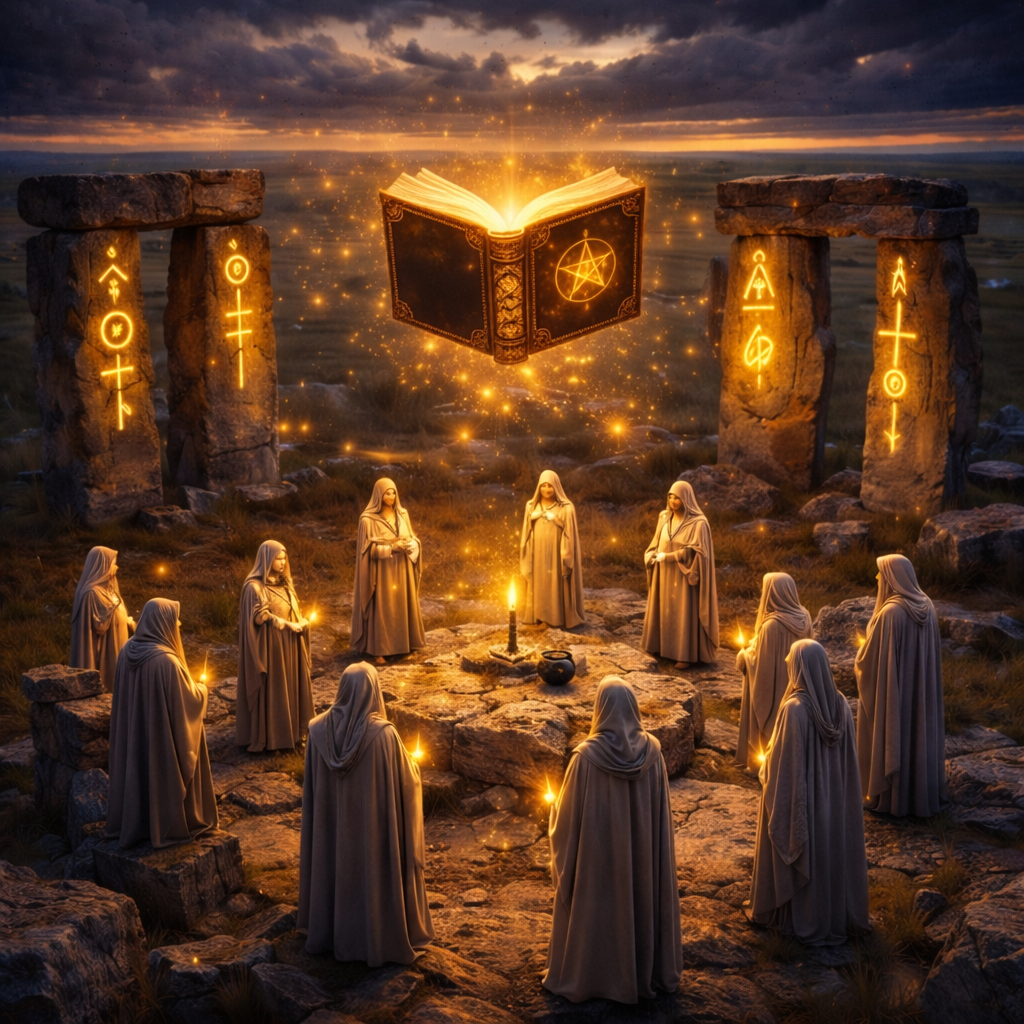

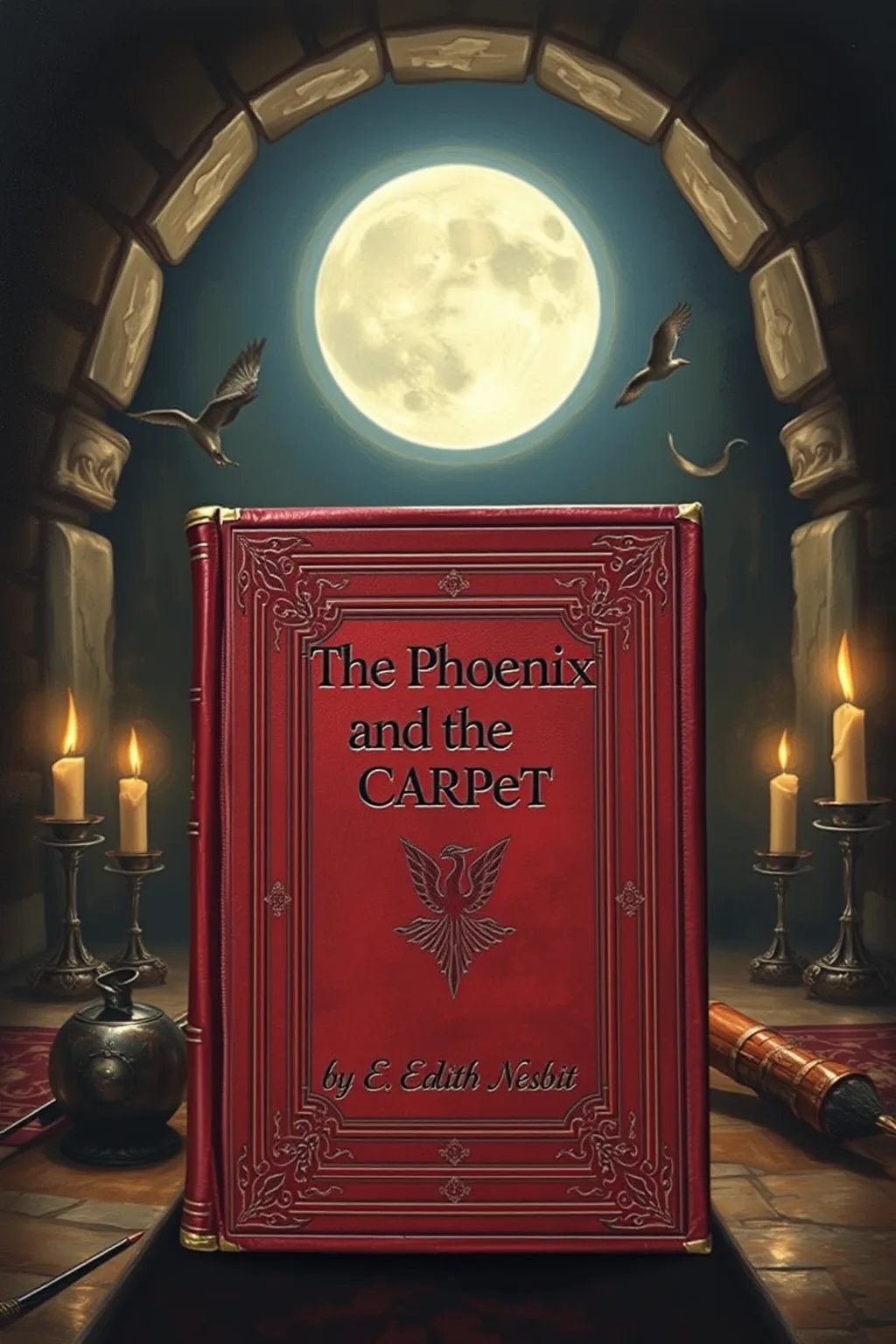
The Phoenix and the Carpet by E. Nesbit is a delightful foray into the world of children's literature with a strong undercurrent of esoteric and occult themes. Published over a century ago, the book remains relevant and intriguing for modern readers interested in magic and ritual. Nesbit's ability to weave enchanting tales around ordinary children makes the story relatable and captivating. The phoenix, a symbol of rebirth and transformation, serves as a powerful metaphor for the spiritual journeys undertaken by the characters. For those seeking to understand the esoteric dimensions of literature, this book offers a rich tapestry of symbols and rituals that can be explored and interpreted. The narrative's blend of fantasy and reality provides a compelling framework for discussing the role of magic in everyday life. Overall, The Phoenix and the Carpet is a must-read for anyone interested in the intersection of children's literature and the occult.
📝 Description
80
E. Nesbit's 1904 novel 'The Phoenix and the Carpet' begins with a nursery mishap involving a magical artifact.
The story follows the four Crabtree children after they discover a mysterious egg in a London dust heap. This egg hatches into a phoenix, a creature of myth and legend. The phoenix, along with a magical flying carpet, becomes the catalyst for a series of extraordinary adventures. These adventures take the children to distant lands and into contact with ancient magic.
Nesbit uses these fantastical elements to explore themes of responsibility and the consequences of unchecked desires. The children must learn to manage the powers they have inadvertently unleashed, often finding themselves in predicatments that test their character. The narrative blends the mundane reality of Edwardian England with the wonder of the enchanted, suggesting that magic can be found even in the most ordinary places. It is a tale that appeals to a sense of wonder while subtly encouraging thoughtful engagement with the characters' choices.
Published in 1904, 'The Phoenix and the Carpet' engages with the turn of the century's fascination with spiritualism and occultism, particularly as filtered through children's literature. While not overtly a treatise on magical systems, the book incorporates elements like magical artifacts, mythical creatures, and journeys beyond the mundane. It reflects a broader cultural interest in hidden worlds and the potential for transcendent experiences, framing these concepts within a narrative accessible to younger readers. The phoenix itself, a symbol of cyclic rebirth, aligns with esoteric concepts of renewal and spiritual evolution.
✍️ Author
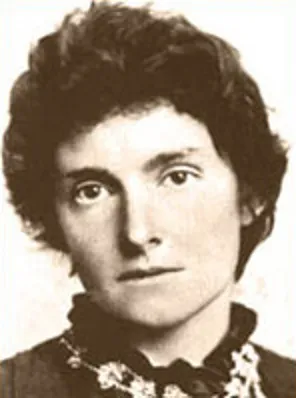
E. (Edith) Nesbit
Edith Nesbit (married name Edith Bland; 15 August 1858 – 4 May 1924) was an English writer and poet, who published her books for children and others as E. Nesbit.
💡 Why Read This Book?
Reading The Phoenix and the Carpet today offers a unique blend of nostalgia and esoteric exploration. The book's timeless themes of imagination, transformation, and the power of magic make it a valuable addition to any reader's library. For those interested in the occult, the story provides a fascinating glimpse into the magical rituals and symbols that have captivated readers for generations. The book's whimsical narrative style also makes it an enjoyable read for children and adults alike, offering a delightful escape into a world of wonder and possibility.
⭐ Reader Reviews
Honest opinions from readers who have explored this book.
❓ Frequently Asked Questions
Is The Phoenix and the Carpet suitable for all ages?
Yes, the book is primarily a children's story but its esoteric themes make it appealing to readers of all ages.
What makes this book unique in the genre of children's literature?
The Phoenix and the Carpet stands out for its blend of fantasy and everyday life, along with its rich esoteric and occult themes.
Where can I find a free copy of The Phoenix and the Carpet?
The book is available for free download in various formats from Esoteric Library.
🔮 Key Themes & Symbolism
Transformation and Inner Growth
The story explores the idea of transformation and inner growth through the adventures of the siblings, who learn to embrace the magical possibilities within themselves. The phoenix, as a symbol of rebirth, plays a central role in guiding them through their journey of self-discovery.
Hidden Knowledge and Ancient Wisdom
The book studies the concept of hidden knowledge and ancient wisdom, with the siblings discovering magical artifacts and mystical powers. This theme encourages readers to look beyond the surface of reality and explore the deeper meanings of life.
The Power of Belief
The narrative emphasizes the power of belief and the importance of embracing the magical possibilities that lie within. Through their adventures, the siblings learn to harness the transformative power of belief, making this a key theme in the story.
💡 Key Ideas
Editorial paraphrase of the work's core concepts — not direct quotes.
The phoenix is a symbol of rebirth and transcendence.
This quote underscores the phoenix's role as a guide and protector, leading the siblings through their journey of self-discovery and spiritual growth.
Magic is all around us, if only we know where to look.
This line highlights the book's exploration of hidden knowledge and the magical possibilities that lie within the ordinary world.
Belief is the key that unlocks the door to the magical.
This quote emphasizes the power of belief and the importance of embracing the transformative potential within oneself.
The carpet is a portal to a world of enchantment and wonder.
This passage underscores the magical and mystical elements of the story, inviting readers to explore the deeper meanings hidden within.
The journey of self-discovery is a path of transformation and growth.
This line highlights the themes of inner growth and transformation, encouraging readers to begin their own journeys of self-discovery.
🌙 Esoteric Significance
Tradition
The Phoenix and the Carpet belongs to the Hermetic tradition, which emphasizes the interconnectedness of all things and the power of belief. The story's exploration of hidden knowledge and ancient wisdom aligns with Hermetic principles, making it a valuable read for those interested in esoteric and occult studies.
Symbolism
Key symbols in the book include the phoenix, representing rebirth and transcendence, and the magical carpet, serving as a portal to a world of enchantment and wonder. These symbols are central to the narrative's esoteric themes, inviting readers to explore the deeper meanings hidden within the story.
Modern Relevance
The book's themes of transformation and inner growth remain relevant today, resonating with modern practitioners and seekers of the occult. Its exploration of hidden knowledge and the power of belief continues to inspire those who are drawn to the mysteries of the supernatural, making it a timeless classic in esoteric literature.
👥 Who Should Read This Book
Beginners in the occult will find 'The Phoenix and the Carpet' an accessible and enchanting introduction to esoteric themes. Scholars of esoteric and occult studies will appreciate the book's strong symbolism and exploration of hidden knowledge. Spiritual seekers will be drawn to the narrative's themes of transformation and inner growth, while practitioners of the occult will find valuable insights into the power of belief and the magical possibilities that lie within the ordinary world.
📜 Historical Context
The Phoenix and the Carpet was written during the Edwardian era, a time of significant social and cultural change in Great Britain. This period, marked by the reign of King Edward VII from 1901 to 1910, saw advancements in technology, arts, and literature. Nesbit's work reflects the era's fascination with the supernatural and the occult, tapping into the collective curiosity and desire for escape from the mundane. The book's enduring appeal lies in its ability to blend fantasy with esoteric wisdom, making it a timeless classic that continues to inspire readers today.
📔 Journal Prompts
Reflect on a moment in your life when you experienced a sense of rebirth or transformation.
Consider the idea of hidden knowledge and how it might manifest in your own life.
Explore the power of belief and how it can shape your reality.
Imagine a magical artifact that holds ancient wisdom and mystical powers.
Reflect on the journey of self-discovery and the steps you can take to embrace your own inner growth.
🗂️ Glossary
Phoenix
A mythical bird symbolizing rebirth and transcendence, often associated with the Hermetic tradition.
Hidden Knowledge
Ancient wisdom and esoteric insights that are not readily apparent and require a deeper understanding to uncover.
Transformation
The process of change and growth, often involving a journey of self-discovery and spiritual enlightenment.
Inner Growth
The development of one's inner self, involving the exploration of hidden potential and the embrace of magical possibilities.
Magical Possibilities
The idea that the ordinary world holds hidden magical elements, waiting to be discovered and harnessed.
This book appears in 4 collections
🔮 Readers Also Liked
Browse all →

More by E. (Edith) Nesbit
All books →
From the “Transcendental Meditation” Collection
View all →





More Free Magic & Ritual Books
View all →