The Grimoire of St. Cyprian - Clavis Inferni

 71
71

The Grimoire of St. Cyprian - Clavis Inferni
Stephen Skinner and David Rankine’s edition of The Grimoire of St. Cyprian - Clavis Inferni offers a rare glimpse into a specific branch of operative magic. The meticulous presentation of the four Archangels and their adversarial Demon Kings, complete with their sigils and varied forms, is a significant strength. The inclusion of the Demon Kings’ animal and human visages, a feature not always present in grimoiric traditions, adds a layer of practical visualization for the practitioner. However, the text’s inherent density means it demands considerable prior knowledge of magical theory and ritual structure; beginners may find themselves adrift without extensive supplementary study. A particularly striking element is the detailed instruction for invoking these entities, which, while complex, demonstrates a sophisticated understanding of spirit-work within its historical milieu. This edition functions as a valuable, albeit challenging, resource for those deeply invested in the practical study of medieval and Renaissance grimoires.
📝 Description
71
The Grimoire of St. Cyprian, Clavis Inferni, details operations with archangels and their demon king counterparts.
This text, attributed to Saint Cyprian of Antioch, focuses on magical operations involving the four Archangels—Michael, Raphael, Gabriel, and Uriel—and their infernal counterparts, the four Demon Kings: Paymon, Maimon, Egyn, and Oriens. The manuscript lays out specific methods for summoning and controlling both celestial and infernal spirits. It includes correspondences, divine names, and visual representations of the Demon Kings, along with their unique sigils. The work stresses the importance of a precise ritualistic framework for these operations to achieve desired outcomes.
This grimoire is for serious students of ceremonial magic, grimoire traditions, and the history of Western esotericism. It suits those interested in the practical application of angelic and demonic hierarchies, sigil magic, and the specific invocations found within the text. It is not an introductory manual but a source for dedicated practitioners and scholars seeking to understand and enact these complex rituals.
The attribution to St. Cyprian links this grimoire to a lineage of magical texts prominent in the late medieval and Renaissance periods. Grimoires were crucial in preserving and transmitting magical knowledge, influencing figures like Agrippa and Dee. The 'Clavis Inferni' emerges within a context where the classification and control of spirits were central to magical practice. This work contributes to understanding the practical application of angelic and demonic hierarchies in Western esotericism.
💡 Why Read This Book?
• Gain direct insight into a specific 17th-century grimoire tradition, understanding the invocation of Archangels like Michael and Demon Kings such as Paymon as detailed in the "Clavis Inferni" manuscript. • Learn practical applications of spirit evocation, including the use of sigils and correspondences for entities depicted in both human and animal forms, as presented in this unique text. • Explore the historical context of ceremonial magic, understanding how texts like this informed magical practice and beliefs during the period of their circulation, first published in 2010-09.
⭐ Reader Reviews
Honest opinions from readers who have explored this book.
❓ Frequently Asked Questions
What historical figure is this grimoire attributed to?
The Grimoire of St. Cyprian is attributed to Saint Cyprian of Antioch, a historical figure known for his magical abilities prior to his conversion to Christianity.
Which celestial beings and infernal entities are featured in this grimoire?
The grimoire details the summoning and use of the four Archangels—Michael, Raphael, Gabriel, and Uriel—alongside their infernal counterparts, the four Demon Kings: Paymon, Maimon, Egyn, and Oriens.
What unique visual information does the book provide about the Demon Kings?
The book provides depictions of the four Demon Kings in both their animal and human forms, a distinctive feature that aids in their visualization during magical operations.
Who are the translators and editors of this specific edition?
This edition was translated and edited by Stephen Skinner and David Rankine, with its first publication in September 2010.
What kind of magical practices does this grimoire focus on?
It focuses on ceremonial magic, specifically the invocation and command of angelic and demonic forces, including the use of sigils and divine names.
Is this grimoire suitable for beginners in magic?
The Grimoire of St. Cyprian is generally considered advanced material, requiring a solid foundation in magical theory and ritual practice due to its specific and complex instructions.
🔮 Key Themes & Symbolism
Angelic and Demonic Hierarchy
The grimoire systematically outlines a hierarchy of celestial and infernal powers, focusing on the interplay between the four Archangels and the four principal Demon Kings. It presents these entities not merely as abstract forces but as distinct intelligences with specific attributes, forms, and spheres of influence. This structured approach reflects a common feature in Western esotericism, particularly from the late medieval period onwards, aiming to categorize and command spiritual forces for magical ends. The text provides the necessary divine names and correspondences to facilitate interaction with these beings.
Sigil Magic and Visualization
A core component of the grimoire's practice involves the use of sigils, which are symbolic representations of spiritual entities. The text furnishes specific sigils for the Demon Kings, Maimon, Egyn, Oriens, and Paymon, and implicitly for their angelic counterparts. These sigils are crucial tools for focusing intent and establishing a connection with the invoked spirit. The grimoire also emphasizes visualization, detailing the animal and human forms of the Demon Kings, providing practitioners with concrete mental images to work with during ritual, thereby enhancing the efficacy of the evocation.
Operative Ceremonial Magic
This manuscript is a prime example of operative ceremonial magic, a branch of esotericism focused on practical ritual work rather than purely theoretical study. It provides detailed instructions for performing complex magical operations, including the precise wording of invocations, the use of divine names, and the necessary preparations. The focus on the "Clavis Inferni" or "Key of Hell" suggests a system designed to unlock or control infernal powers, underscoring the grimoire's role as a practical manual for magicians seeking to engage with these forces.
The Legacy of St. Cyprian
The attribution to St. Cyprian of Antioch imbues the text with a historical and spiritual weight, linking it to a figure who famously transitioned from pagan sorcery to Christian sainthood. This narrative adds a layer of complexity to the grimoire, suggesting a potential for redemption or a complex relationship between Christian faith and pre-Christian magical traditions. The work explores how such figures became archetypes for magicians, representing the mastery of occult arts and the possibility of spiritual transformation.
💬 Memorable Quotes
Direct passages from the work, attributed to the author.
“The four Archangels: Michael, Raphael, Gabriel and Uriel, and their opposite numbers, the four Demon Kings: Paymon, Maimon, Egyn and Oriens.”
— This sentence directly names the central spiritual players of the grimoire, establishing the dualistic framework of celestial and infernal powers that the text instructs practitioners to engage with.
“The latter are shown in their animal and human forms along with their sigils.”
— This highlights a key feature of the manuscript: the visual representation of demonic entities, offering tangible forms for magical visualization and identification, alongside their unique sigils for invocation.
“Attributed to St. Cyprian of Antioch due to his reputation as a consummate magician before his conversion.”
— This points to the historical and legendary basis for the grimoire's title, linking it to a figure whose life story embodies the intersection of powerful magic and spiritual transformation.
“The Grimoire of St. Cyprian - Clavis Inferni”
— The title itself signifies a key text within the tradition of St. Cyprian's magical writings, with 'Clavis Inferni' (Key of Hell) suggesting a direct method for accessing or controlling infernal powers.
💡 Key Ideas
Editorial paraphrase of the work's core concepts — not direct quotes.
A unique grimoire addresses the summoning and use of the four Archangels... as well as their opposite numbers, the four Demon Kings...
This paraphrase emphasizes the grimoire's specific focus on the practical application and command of both angelic and demonic forces, positioning it as a manual for operative magic.
🌙 Esoteric Significance
Tradition
This grimoire fits within the Western Esoteric tradition, specifically the lineage of ceremonial magic and grimoire lore that gained prominence from the late medieval period. It draws upon a Christianized framework, as evidenced by the invocation of Archangels, yet engages directly with infernal hierarchies, a common syncretic practice in European occultism. It shares characteristics with texts like the Key of Solomon, focusing on the practical evocation and control of spirits, though its specific emphasis on the four Archangels and their demonic counterparts offers a distinct operational system.
Symbolism
Key symbols include the four Archangels (Michael, Raphael, Gabriel, Uriel) representing divine order and power, and their infernal counterparts (Paymon, Maimon, Egyn, Oriens) representing primal, chaotic forces. The sigils provided for these entities are potent symbolic keys, acting as focal points for magical intent and channels for communication. Furthermore, the depiction of the Demon Kings in both animal and human forms symbolizes their many-sided nature and their ability to manifest in the material world through different guises.
Modern Relevance
Contemporary practitioners of ceremonial magic, particularly those interested in the Goetia and related grimoiric traditions, find value in this text. Modern occultists exploring angelology and demonology, or seeking to understand the historical development of spirit evocation techniques, draw upon its contents. Schools focusing on historical magical practices and comparative esoteric studies often reference works like this to understand the evolution of magical systems and the practical application of occult theory across centuries.
👥 Who Should Read This Book
['• Advanced practitioners of ceremonial magic seeking to expand their repertoire with a specific 17th-century grimoire tradition focused on angelic and demonic hierarchies.', '• Scholars of Western Esotericism and the history of magic interested in primary source materials detailing spirit evocation and sigil usage.', '• Individuals with a background in occult studies who wish to explore the practical applications of texts attributed to figures like St. Cyprian of Antioch.']
📜 Historical Context
The Grimoire of St. Cyprian - Clavis Inferni emerges from the rich tradition of European grimoires that flourished from the late medieval period through the Renaissance and beyond. Attributed to Saint Cyprian of Antioch, a figure whose legend intertwines magic and sainthood, this text reflects the era's fascination with classifying and commanding spiritual entities. The 17th century, when many such manuscripts were being compiled or circulated, saw a complex intellectual landscape where Kabbalah, Hermeticism, and Christian demonology often intersected. While figures like Heinrich Cornelius Agrippa were systematizing occult knowledge in the preceding century, grimoires like this offered more direct, operative instructions. The reception of such texts was varied; while some scholars engaged with them, authorities often viewed them with suspicion, leading to periods of censorship. This specific work, first published in 2010-09 by Skinner and Rankine, brings a previously less accessible manuscript into modern scholarly and practical view.
📔 Journal Prompts
Reflect on the dualistic structure of Archangels and Demon Kings presented in the Clavis Inferni.
Analyze the visual symbolism of the animal and human forms of the Demon Kings, such as Maimon or Paymon.
Consider the practical implications of using specific sigils for invoking entities like Egyn or Oriens.
Explore the historical context of attributing magical texts to figures like St. Cyprian of Antioch.
Document your understanding of the ritualistic framework required for commanding spiritual forces as outlined in the grimoire.
🗂️ Glossary
Grimoire
A textbook of magic, typically containing instructions on how to create magical tools, cast spells, and summon spirits. Grimoires were particularly prevalent in late medieval and Renaissance Europe.
Archangel
In Abrahamic religions, a high-ranking angel. This grimoire focuses on Michael, Raphael, Gabriel, and Uriel, often associated with specific divine functions or elements.
Demon King
A high-ranking demonic entity, often depicted as a ruler or commander within infernal hierarchies. This text names Paymon, Maimon, Egyn, and Oriens as key figures.
Sigil
A symbolic representation, often a unique design or glyph, used in magic to represent a spirit, deity, or intention. Sigils are employed to focus magical energy and facilitate communication.
Evocation
The act of calling forth or summoning a spirit or entity, typically through ritualistic means, with the intention of commanding or communicating with it.
Clavis Inferni
Latin for 'Key of Hell'. This title suggests the grimoire provides methods or knowledge to unlock, control, or gain access to infernal powers or realms.
Operative Magic
A branch of magic focused on practical ritualistic work and the direct manipulation of spiritual forces, as opposed to purely theoretical or philosophical study.
This book appears in 1 collection
🔮 Readers Also Liked
Browse all →









From the “Grimoires” Collection
View all →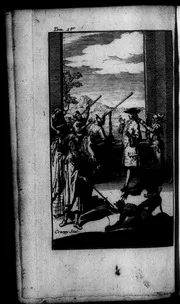

More Free Magic & Ritual Books
View all →