Santa Teresa: An Appreciation
 81
81

Santa Teresa: An Appreciation



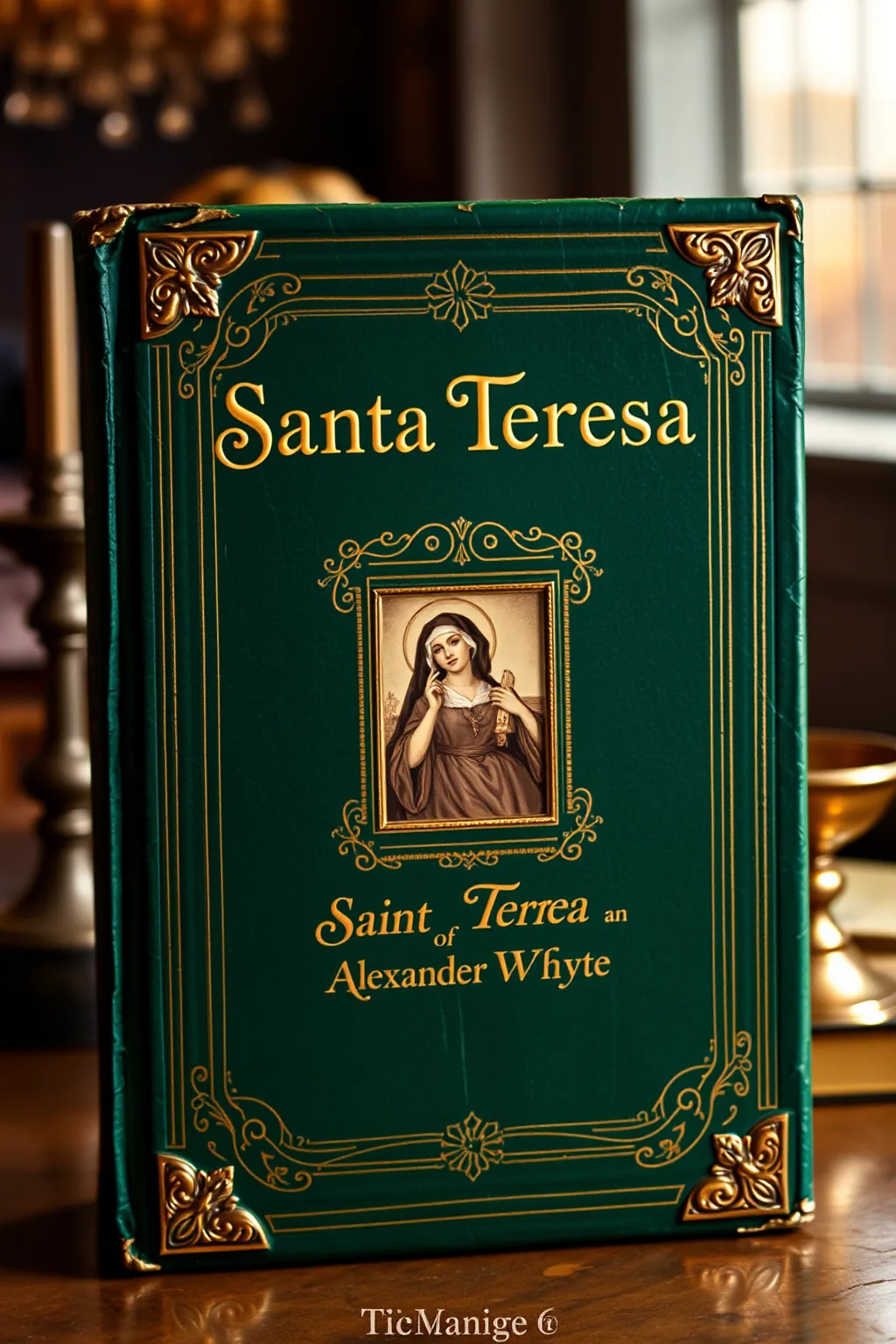
Alexander Whyte's 'Santa Teresa: An Appreciation' offers a profound glimpse into the heart of Spanish mysticism. Whyte masterfully distills the essence of St. Teresa of Avila's teachings, presenting her insights with clarity and reverence. This work is a treasure for serious students of the contemplative life, highlighting Teresa's profound understanding of the soul's journey toward union with the Divine. Whyte's scholarly yet accessible approach unlocks the esoteric dimensions of her writings, making them relevant for contemporary spiritual seekers. It is an indispensable resource for those wishing to explore the depths of Christian esotericism and the transformative power of divine love.
📝 Description
81
Alexander Whyte curated this appreciation of Saint Teresa of Avila's mystical writings in 1901.
Alexander Whyte selected writings from Saint Teresa of Avila, a Spanish Carmelite nun from the sixteenth century, for this volume. Published in 1901, Whyte, a student of spiritual traditions, aimed to present Teresa's work as more than historical texts. He saw them as direct channels for experiencing the divine. The book focuses on Teresa's descriptions of the soul's structure and its progression through various stages of prayer. It highlights the strength found in steadfast faith and its capacity to change a person.
This collection invites readers interested in moving beyond everyday concerns toward a spiritual understanding. It touches on the process of inner change and the heart's capacity for divine love. Whyte's selection is for those who pursue a more direct connection with spiritual realities and seek profound inner knowledge. The work addresses the contemplative individual longing for deeper spiritual union and esoteric insight.
This appreciation of Teresa of Avila situates her within the Christian mystical tradition. Her writings on the soul's journey through prayerful states, particularly the concept of the 'mansions of the soul,' are central to contemplative spirituality. Whyte's selection emphasizes these aspects, aligning with a lineage that seeks direct experience of the divine through disciplined inner work. This approach connects to broader esoteric currents that explore the inner life as a path to higher consciousness, often employing allegorical language to describe stages of spiritual development.
✍️ Author
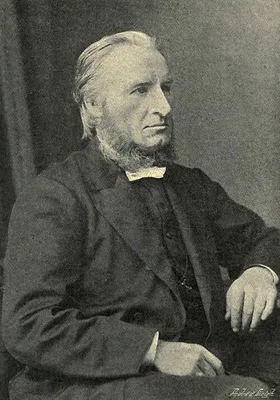
Alexander Whyte
For the British colonial administrator, see Alexander Frederick Whyte Rev Alexander Whyte D. D.
💡 Why Read This Book?
Uncover the timeless wisdom of one of history's most revered mystics. 'Santa Teresa: An Appreciation' offers a profound exploration of the soul's journey towards divine union, presented with scholarly depth and spiritual sensitivity. Ideal for seekers of inner peace, scholars of mysticism, and practitioners of contemplative prayer, this book provides direct access to the luminous teachings of St. Teresa of Avila, illuminating the path to profound spiritual transformation.
⭐ Reader Reviews
Honest opinions from readers who have explored this book.
❓ Frequently Asked Questions
Who was St. Teresa of Avila?
St. Teresa of Avila was a highly influential 16th-century Spanish Carmelite nun, a central figure in the Catholic Counter-Reformation, and a profound mystic whose writings on prayer and spiritual life remain vital.
What is Alexander Whyte's connection to mysticism?
Alexander Whyte was an esteemed educator and prolific writer who deeply engaged with various figures of Christian spirituality, including John Bunyan and Jacob Boehme, demonstrating a lifelong dedication to exploring profound theological and mystical themes.
What makes this book 'esoteric'?
The book delves into the inner, often hidden, spiritual experiences and teachings of St. Teresa, focusing on the soul's direct communion with the Divine, which is characteristic of esoteric spiritual traditions.
Is this book suitable for beginners in mysticism?
While Whyte's appreciation is scholarly, the selection of Teresa's writings and Whyte's guidance make it accessible for earnest beginners eager to explore profound mystical concepts.
What is the historical significance of St. Teresa's work?
St. Teresa's reforms within the Carmelite Order and her writings on prayer were instrumental in a significant spiritual and monastic renewal movement during the Catholic Revival.
🔮 Key Themes & Symbolism
The Ascent of the Soul
This theme explores the intricate, often arduous, journey of the soul towards divine union, as articulated by St. Teresa. It maps out the stages of prayer, from initial contemplation to the transformative experiences of spiritual marriage. Whyte highlights Teresa's understanding of the soul as a dwelling place of God, with various 'mansions' representing different levels of spiritual attainment and intimacy with the Divine. This is not a passive waiting, but an active, alchemical process of purification and surrender, guided by divine grace.
The Nature of Divine Love
At the core of Teresa's mystical theology lies the transformative power of divine love. Whyte emphasizes how Teresa describes this love not as an abstract concept, but as a living, dynamic force that purifies, strengthens, and ultimately unites the soul with its Creator. This theme studies the experiential aspect of love, its ecstatic manifestations, and its role in overcoming spiritual dryness and doubt. It speaks to the passionate longing of the soul for its Beloved, and the reciprocal nature of this divine affection.
The Practice of Prayer and Contemplation
This theme focuses on Teresa's practical guidance for cultivating a deep and meaningful prayer life. Whyte draws attention to her distinctions between different forms of prayer, from vocal prayer to the highest states of contemplative union. The emphasis is on the interior disposition of the soul, the importance of detachment, and the role of spiritual discipline in fostering deeper communion. It offers timeless wisdom for anyone seeking to deepen their spiritual practice and experience the profound peace found in quiet contemplation.
💬 Memorable Quotes
Direct passages from the work, attributed to the author.
“The soul is a castle with many mansions.”
— This metaphor illustrates the complex inner range of the human soul, with different levels or chambers representing varying degrees of spiritual awareness and union with God.
“Prayer is not asking, it is not bargaining, it is not asking for anything. It is the quiet communion of the soul with God.”
— This profound statement redefines prayer as a state of being and intimate connection, rather than a transactional exchange, emphasizing its passive yet deeply active nature.
“Let nothing disturb you, let nothing frighten you, all things pass, God alone is unchanging.”
— This offers solace and perspective, reminding the reader of the ephemeral nature of worldly troubles and the eternal constancy of the Divine as a source of peace.
“It is not the greatness of our thoughts, but the love with which we offer them, that pleases God.”
— This highlights the paramount importance of sincere intention and pure love in spiritual devotion, suggesting that the quality of our heart's offering is more significant than intellectual complexity.
💡 Key Ideas
Editorial paraphrase of the work's core concepts — not direct quotes.
God is found in the middle of the road.
This quote signifies that divine presence is not confined to isolated moments of intense spiritual practice, but is accessible within the ordinary activities and challenges of daily life.
🌙 Esoteric Significance
Tradition
This work is deeply rooted in the Christian contemplative and mystical tradition, specifically the Carmelite school of spirituality. It explores the 'inner castle' metaphor and the stages of prayer, which are central to this tradition's understanding of the soul's journey towards union with the Divine. The focus on direct experience, divine indwelling, and transformative love aligns with broader esoteric principles of spiritual alchemy and the pursuit of gnosis within a devotional context.
Symbolism
St. Teresa's writings, as presented by Whyte, are rich with symbolism. The 'castle' represents the soul, its 'mansions' the stages of spiritual development, and the 'water of life' symbolizes divine grace. The imagery of the 'spiritual marriage' is a potent symbol of ultimate union. Whyte's appreciation illuminates these symbols, revealing them as keys to unlocking deeper layers of spiritual meaning and understanding the transformative processes of the inner life.
Modern Relevance
In an age often characterized by external distractions and superficial connections, St. Teresa's teachings, as curated by Whyte, offer a profound antidote. The emphasis on inner stillness, direct experience of the Divine, and the cultivation of authentic love resonates deeply with contemporary seekers looking for meaning and grounded spirituality. The timeless principles of self-knowledge, surrender, and unwavering faith provide a powerful framework for reading through the complexities of modern life with grace and purpose.
👥 Who Should Read This Book
This profound appreciation of St. Teresa of Avila is a valuable resource for a diverse range of readers. **Beginners** seeking an introduction to Christian mysticism will find Whyte's exposition clear and inspiring. **Scholars of theology and spirituality** will appreciate the depth of analysis and historical context. **Practitioners of contemplative prayer and meditation** will discover practical guidance and clear insights to deepen their practice. **Seekers of spiritual transformation** will find in Teresa's words and Whyte's interpretation a luminous path towards inner peace and divine communion.
📜 Historical Context
Published in 1897, Alexander Whyte's 'Santa Teresa: An Appreciation' emerged during a period of renewed interest in spiritual and mystical traditions across Europe. The late 19th century saw a confluence of religious revivals and intellectual currents that encouraged a deeper examination of historical spiritual figures and their teachings. Whyte, an educator with a penchant for figures like Bunyan and Boehme, was part of a scholarly milieu that sought to understand and disseminate the clear insights of mystics. St. Teresa of Avila, a central figure of the Spanish Golden Age and the Catholic Counter-Reformation, represented a powerful example of spiritual renewal and profound inner experience, making her writings particularly relevant for an era seeking authentic spiritual paths amidst rapid societal change. The book tapped into a desire for timeless wisdom and profound connection in a world undergoing significant transformation.
📔 Journal Prompts
Reflect on a time you felt God's presence in an unexpected place or during an ordinary activity. How can you cultivate more awareness of this presence?
What does the metaphor of the soul as a 'castle with many mansions' mean to you? Identify one 'mansion' you feel you are currently inhabiting and describe its characteristics.
Consider the concept of 'divine love' as described by St. Teresa. How does this concept challenge or affirm your current understanding of love?
Explore the idea of 'prayer as quiet communion.' What are the obstacles to achieving this state, and what practices might help you cultivate it?
Imagine you are beginning St. Teresa's 'ascent.' What are the first steps you would take, and what inner resources would you draw upon?
🗂️ Glossary
Mysticism
The pursuit of spiritual truth through direct, intuitive experience of the divine or ultimate reality, often involving altered states of consciousness and profound inner transformation.
Carmelite
A member of the Order of Our Lady of Mount Carmel, a Catholic religious order known for its contemplative spirituality and emphasis on prayer and devotion to the Virgin Mary.
Catholic Revival
A period, particularly in the 19th century, marked by a resurgence of Catholic piety, intellectual inquiry, and artistic expression, often seeking to reclaim and revitalize traditional Catholic doctrines and practices.
Contemplation
A form of prayer or meditation that involves a deep, wordless, and loving gaze upon God or divine truths, aiming for direct union and spiritual insight.
Spiritual Marriage
In Christian mysticism, the highest stage of union between the soul and God, characterized by profound, permanent, and ecstatic communion, often described metaphorically.
This book appears in 1 collection
🔮 Readers Also Liked
Browse all →




From the “Christian Mysticism” Collection
View all →







More Free Mysticism & Contemplation Books
View all →