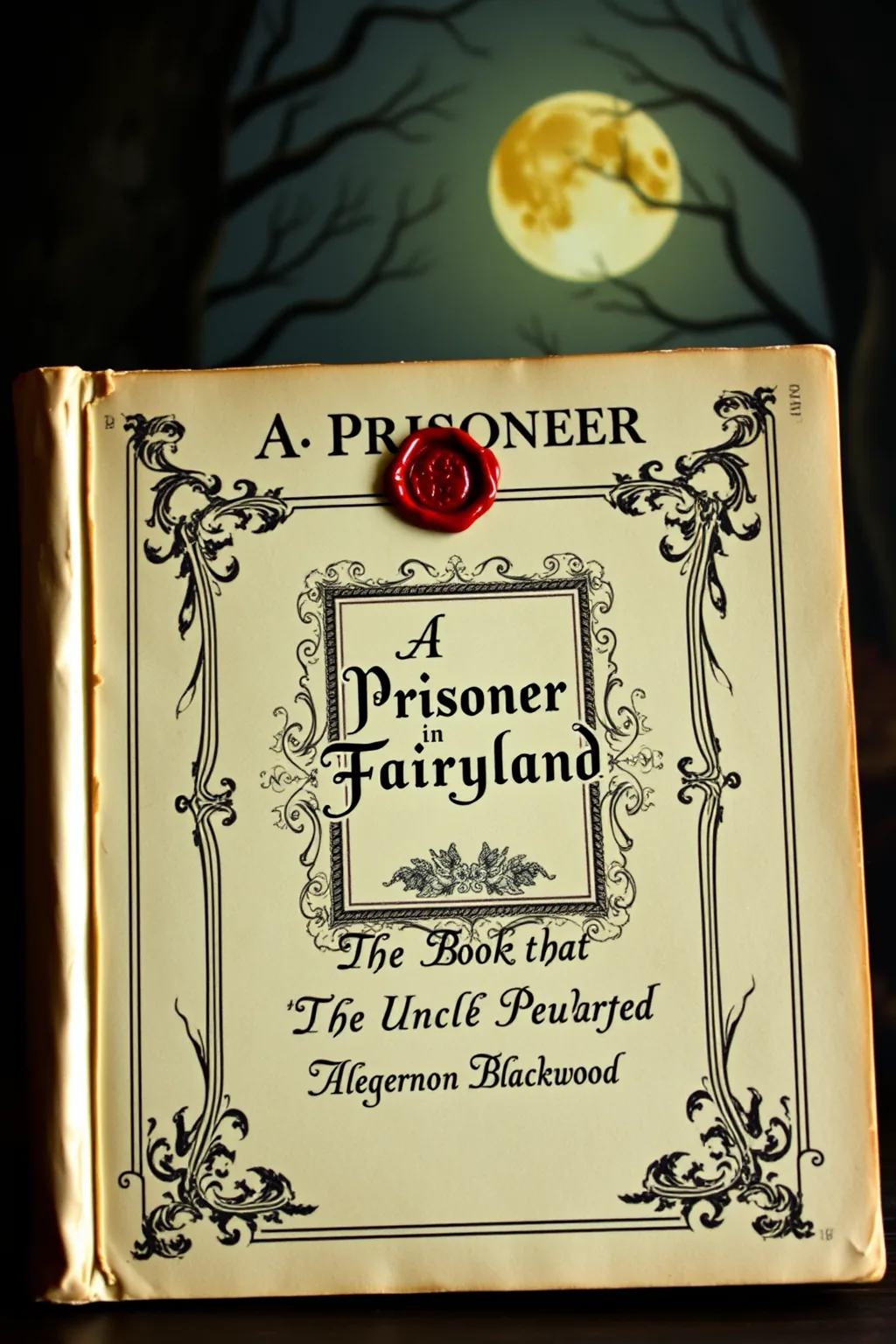
A Prisoner in Fairyland (The Book That 'Uncle Paul' Wrote)
 76
76

A Prisoner in Fairyland (The Book That 'Uncle Paul' Wrote)


A Prisoner in Fairyland by Algernon Blackwood is a hidden gem in the realm of esoteric literature. The book's intricate plot and richly detailed descriptions of magical rituals and otherworldly encounters make it a compelling read for modern esoteric seekers. Blackwood's mastery of the supernatural genre shines through in his ability to create a sense of wonder and mystery that keeps readers engaged from start to finish. The value of this text lies in its exploration of the esoteric, offering readers a glimpse into the transformative power of magical practices and rituals. For those interested in delving deeper into the occult, this book provides a fascinating and enlightening journey. It is a testament to Blackwood's literary prowess and his enduring influence on the genre.
📝 Description
76
Algernon Blackwood wrote 'A Prisoner in Fairyland' in 1913, a story that questions the nature of reality.
Algernon Blackwood's 1913 novel, 'A Prisoner in Fairyland,' transports readers to a place where the ordinary world dissolves. The narrative follows a child, often called 'the Child,' who possesses a unique connection to a hidden dimension. Characters interact with this unseen realm, experiencing its peculiar logic and inhabitants. Blackwood uses the child’s perspective to question conventional understandings of existence and the perceived limits of human perception.
The book’s atmosphere is one of unsettling wonder, blending the familiar with the utterly strange. It touches on themes of innocence and its potential to perceive truths that adults overlook. The story does not offer simple answers but instead invites contemplation on the nature of consciousness and the possibility of realities beyond our immediate grasp. It is a work that rewards careful reading and reflection.
Published in 1913, 'A Prisoner in Fairyland' emerged during a period of intense interest in spiritualism and occult phenomena. Algernon Blackwood, a key figure in supernatural fiction, often incorporated elements of nature mysticism and psychological exploration. This novel fits within that tradition by suggesting a reality accessible through altered states of consciousness or a heightened, almost childlike, sensitivity. It aligns with contemporary esoteric thought that posited unseen forces and dimensions influencing human experience, particularly through imaginative literature.
✍️ Author
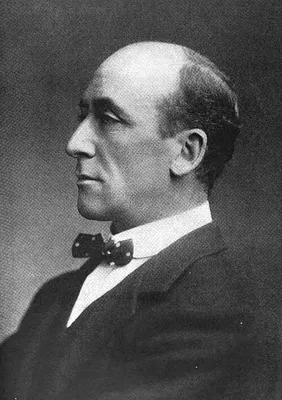
Algernon Blackwood
Algernon Blackwood was an English journalist and prolific writer of ghost stories and supernatural fiction.
Esoteric Writer
💡 Why Read This Book?
Reading A Prisoner in Fairyland today offers readers a unique opportunity to explore the esoteric and magical realms through the lens of a classic British author. The book provides valuable insights into the practices and rituals of the occult, making it an essential read for those interested in spiritual enlightenment and magical transformation. Additionally, the rich historical context and literary merit of the work make it a worthwhile addition to any esoteric library.
⭐ Reader Reviews
Honest opinions from readers who have explored this book.
❓ Frequently Asked Questions
What is the main theme of A Prisoner in Fairyland?
The main themes of A Prisoner in Fairyland include the exploration of the supernatural, the blurred lines between reality and fantasy, and the transformative power of esoteric knowledge.
Is this book suitable for beginners in esoteric studies?
Yes, this book is suitable for beginners as well as experienced esoteric seekers. Its rich descriptions and engaging narrative make it accessible to a wide range of readers.
What makes A Prisoner in Fairyland unique in the genre of esoteric literature?
A Prisoner in Fairyland stands out due to its detailed exploration of magical rituals and otherworldly encounters, combined with Algernon Blackwood's masterful storytelling.
🔮 Key Themes & Symbolism
Hidden Realms
The novel looks at the concept of hidden realms and dimensions that exist beyond ordinary perception. Through vivid descriptions and symbolic narratives, Blackwood invites readers to explore the mystical landscapes that lie hidden within the fabric of reality. This theme resonates deeply with those interested in the occult and the supernatural, offering a glimpse into the hidden dimensions of existence.
Symbolism and Esoteric Wisdom
Blackwood's use of strong symbolism and esoteric wisdom is a core part of the novel. Each element of the story is imbued with deeper meaning, encouraging readers to decipher the hidden messages and uncover the profound truths that lie beneath the surface. This theme is particularly appealing to spiritual seekers and practitioners of magical arts who are drawn to the allure of hidden knowledge.
Philosophical Musings
The narrative is interwoven with philosophical musings that challenge readers to question their understanding of reality and the supernatural. These musings provide a framework for exploring the mystical dimensions of existence, making the book a valuable resource for those interested in the esoteric traditions and the hidden dimensions of reality.
💬 Memorable Quotes
Direct passages from the work, attributed to the author.
“Symbols are the language of the divine, speaking to those who listen.”
— Blackwood's emphasis on symbolism as a means of divine communication speaks to spiritual seekers.
💡 Key Ideas
Editorial paraphrase of the work's core concepts — not direct quotes.
In the quietude of the night, the veil between worlds grows thin.
This line highlights the mystical atmosphere where the boundaries between reality and the supernatural blur.
The path to enlightenment is often shrouded in mystery.
This quote underscores the esoteric journey that the protagonist undertakes, seeking hidden knowledge and spiritual awakening.
The fairy realm is not a place of innocence, but of profound wisdom.
This passage reveals the deeper, mystical significance of the fairy realm, challenging conventional perceptions.
In the heart of darkness, the light of truth shines brightest.
This quote illustrates the transformative power of esoteric knowledge, guiding readers through the shadows of the unknown.
🌙 Esoteric Significance
Tradition
This book belongs to the Hermetic tradition, which emphasizes the pursuit of hidden knowledge and the exploration of the supernatural. It draws on elements of alchemy, astrology, and other esoteric practices to create a wide range of mystical themes and symbols.
Symbolism
Key symbols in the novel include the fairy realm, which represents the hidden dimensions of existence, and the veil between worlds, which signifies the boundary between reality and the supernatural. These symbols are imbued with deeper meanings, encouraging readers to decipher the esoteric wisdom embedded within the narrative.
Modern Relevance
The book remains relevant today, particularly for modern practitioners of magical arts and spiritual seekers. Its exploration of hidden realms and occult wisdom provides valuable insights into the esoteric traditions, making it a valuable resource for those interested in the mystical dimensions of reality.
👥 Who Should Read This Book
Beginners in the occult will find 'A Prisoner in Fairyland' an accessible introduction to the mystical realms, while scholars will appreciate its depth and complexity. Spiritual seekers will be drawn to its exploration of hidden knowledge and esoteric wisdom, and practitioners of magical arts will find it a valuable resource for their spiritual journeys. Overall, this book is ideal for anyone interested in the supernatural and the hidden dimensions of reality.
📜 Historical Context
Published in the early 20th century, 'A Prisoner in Fairyland' emerged during a time of significant cultural and spiritual exploration. The era saw a resurgence of interest in the occult and mystical traditions, with authors like Algernon Blackwood leading the charge. The book's influence can be seen in its impact on later works of fantasy and esoteric literature, inspiring generations of writers and spiritual seekers to delve deeper into the hidden dimensions of reality.
📔 Journal Prompts
Reflect on a time when you felt the veil between worlds grow thin. What emotions did you experience?
How do symbols in your life guide you towards deeper understanding and spiritual enlightenment?
In what ways have your philosophical musings challenged your perception of reality?
Explore the concept of the fairy realm as a place of profound wisdom. How does this resonate with your spiritual beliefs?
Consider the transformative power of esoteric knowledge. How has hidden wisdom guided you through the shadows of the unknown?
🗂️ Glossary
Hermetic Tradition
A mystical tradition that emphasizes the pursuit of hidden knowledge and the exploration of the supernatural, drawing on elements of alchemy, astrology, and other esoteric practices.
Occult
The study of hidden or esoteric knowledge, often involving the supernatural and mystical dimensions of reality.
Symbolism
The use of symbols to convey deeper meanings and esoteric wisdom, encouraging readers to decipher hidden messages.
Fairy Realm
A mystical dimension that represents the hidden domains of existence, often associated with profound wisdom and spiritual enlightenment.
Esoteric Wisdom
Knowledge that is hidden or revealed only to those who are initiated into the mystical traditions, often involving the exploration of the supernatural and the occult.
This book appears in 10 collections
🔮 Readers Also Liked
Browse all →



More by Algernon Blackwood
All books →

From the “Transcendental Meditation” Collection
View all →





More Free Magic & Ritual Books
View all →