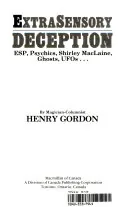
The Patient's Guide to Homeopathic Medicine
 71
71

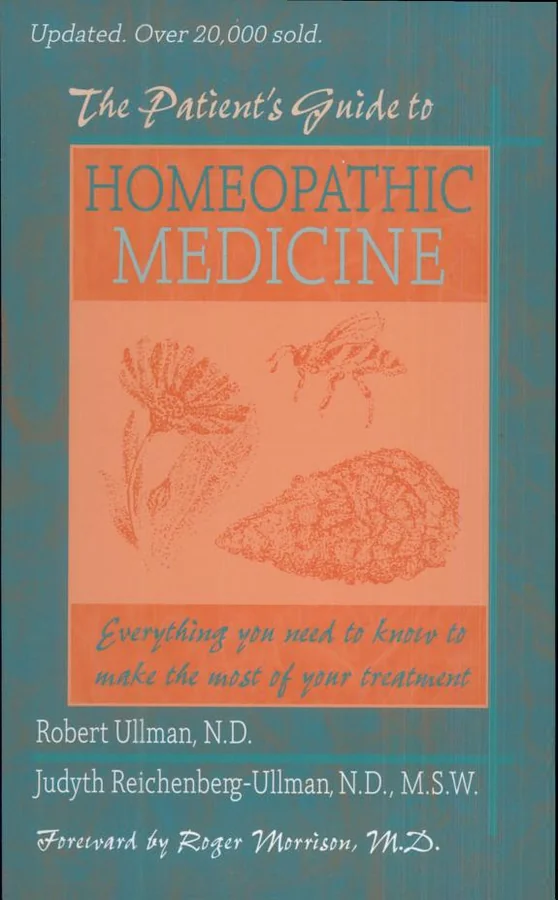
The Patient's Guide to Homeopathic Medicine
Robert W. Ullman and Judyth Reichenberg-Ullman offer a refreshingly straightforward account of homeopathy, prioritizing the patient's understanding above all else. The strength of this work lies in its accessible language and its detailed breakdown of the patient's role in the healing process. It commendably addresses the common questions and anxieties individuals might have when embarking on homeopathic treatment. However, the book occasionally leans towards an uncritical presentation of homeopathic efficacy, which may not satisfy skeptics or those seeking a more balanced scientific perspective. A particularly illuminating section details the homeopathic interview, highlighting its depth and personal nature. Ultimately, this guide serves as a competent and patient-centered introduction to the practice.
📝 Description
71
Published in 1991, this guide explains homeopathic medicine from the patient's viewpoint.
This book breaks down homeopathic medicine for those undergoing treatment. It covers the basic idea that "like cures like," a concept developed by Samuel Hahnemann. The authors explain the preparation of remedies through dilution and succussion, noting the aim is to help the body heal itself, not just mask symptoms.
Patients who want to understand their treatment better will find this useful. It helps individuals take a more active role in their health, grasp why certain remedies are chosen, and communicate their experiences clearly to a practitioner. Both newcomers and those familiar with homeopathy can benefit from the clear explanations provided. The book also discusses Hahnemann's 18th century theories, which contrasted with the medical practices of his time, such as bloodletting. It details core principles like the "Law of Similars," the "Law of the Single Remedy," and the "Minimum Dose," along with the significance of the detailed patient interview in selecting a remedy.
Homeopathy is part of a broader tradition of vitalistic and energetic healing systems that emerged in the West during the Enlightenment and afterward. These systems often posit an unseen vital force or life energy that animates the body and that can be influenced by specific remedies. Unlike purely materialistic or reductionist approaches, homeopathy works with the idea that substances can affect this vital force, and that highly diluted substances, energetic signatures, can stimulate the body's own healing responses. This places it alongside other historical approaches like traditional Chinese medicine or Ayurvedic medicine in its focus on animating principles and holistic balance.
💡 Why Read This Book?
• Understand the core 'like cures like' principle and the preparation of remedies, gaining insight into the specific process of homeopathic dilutions and succussions as explained in the early sections. • Learn how to prepare for and engage effectively in a homeopathic interview, a crucial step detailed in the book that empowers patients to articulate their symptoms for accurate remedy selection. • Discover the practicalities of a homeopathic course of treatment, including how to manage remedies and observe the body's responses, providing actionable knowledge beyond general health advice.
⭐ Reader Reviews
Honest opinions from readers who have explored this book.
❓ Frequently Asked Questions
What is the primary philosophy behind homeopathic medicine?
Homeopathy operates on the principle that 'like cures like.' This means a substance that causes symptoms in a healthy person can be used in a highly diluted form to treat similar symptoms in a sick person, stimulating the body's own healing mechanisms.
How are homeopathic remedies prepared?
Remedies are prepared through a process of serial dilution and succussion (vigorous shaking). Each step increases the potency while decreasing the concentration of the original substance, a method central to homeopathic pharmacology.
What is a homeopathic interview like?
The homeopathic interview is a thorough consultation where the practitioner gathers detailed information about your physical, mental, and emotional state. This comprehensive approach aims to understand the individual's unique symptom picture to select the most fitting remedy.
What should I expect during a homeopathic treatment course?
A homeopathic treatment course involves taking prescribed remedies and observing your body's responses. The book explains that healing may occur in stages, with improvements in mental, emotional, and then physical symptoms, and advises on how to track progress.
Can patients self-prescribe homeopathic remedies?
While this guide empowers patients with knowledge, it emphasizes consulting a qualified homeopath for accurate diagnosis and remedy selection. Self-prescription can be complex due to the individualized nature of homeopathic treatment.
Who first developed the principles of homeopathy?
The foundational principles of homeopathy were developed by the German physician Samuel Hahnemann in the late 18th century. His work, 'Organon of the Art of Healing,' is considered a seminal text in the field.
🔮 Key Themes & Symbolism
Patient Empowerment in Healing
This guide champions a patient-centered approach to health. It empowers individuals by explaining the complex world of homeopathy, transforming it from an opaque practice into an understandable process. By explaining the 'why' behind treatments and the importance of detailed self-reporting, the book encourages active participation in one's own healing journey, fostering a collaborative relationship between patient and practitioner.
The Art of the Homeopathic Interview
Central to effective homeopathic treatment is the detailed interview. This book meticulously outlines the process, emphasizing the holistic nature of assessment. It guides patients on how to articulate their physical, emotional, and mental states comprehensively, ensuring practitioners can identify the unique symptom picture necessary for selecting the correct 'simillimum'—the most similar remedy.
Understanding Potentization
The book provides clarity on the preparation of homeopathic remedies through potentization, involving serial dilution and succussion. It explains how this process, believed by proponents to imbue the remedy with vital energy rather than just chemical properties, forms the basis of homeopathic medicine and distinguishes it from conventional pharmacology.
Holistic Symptom Picture
Homeopathy treats the whole person, not just isolated symptoms. This guide illustrates how a complete 'symptom picture'—encompassing physical ailments, emotional states, mental characteristics, and even lifestyle factors—is crucial for selecting the appropriate remedy. It encourages patients to recognize the interconnectedness of their well-being.
💬 Memorable Quotes
Direct passages from the work, attributed to the author.
“Homeopathy is a system of healing that works with the body's own energy.”
— This statement expresses the fundamental premise of homeopathy: that it acts as a catalyst for the body's inherent vital force, promoting self-healing rather than imposing external chemical interventions.
“The homeopathic interview is where the patient becomes an active participant in their diagnosis.”
— This highlights the collaborative nature of homeopathic consultations. It emphasizes that the patient's detailed self-observation and communication are as vital as the practitioner's expertise in achieving an accurate remedy selection.
“Like cures like is the guiding principle of homeopathic prescribing.”
— This succinctly states the core doctrine of homeopathy, often referred to as the Law of Similars, which informs the selection of remedies based on their ability to produce symptoms similar to those being treated.
“Understanding the process helps you make the most of your homeopathic treatment.”
— This reflects the book's intent to explain homeopathy for the patient, suggesting that knowledge of its principles and procedures enhances the effectiveness and patient engagement with the therapeutic process.
“Remedy selection depends on a complete picture of the individual's state.”
— This emphasizes the holistic approach of homeopathy, where treatment is highly individualized. It underscores that a comprehensive understanding of a patient's unique physical, mental, and emotional symptoms is paramount for choosing the correct medicine.
🌙 Esoteric Significance
Tradition
While homeopathy is primarily considered a medical system, its foundational principles align with vitalist philosophies prevalent in esoteric traditions. The concept of a 'vital force' or 'life energy' that can be stimulated by subtle remedies echoes themes found in Hermeticism and certain branches of Western esotericism, which posit unseen forces governing health and disease. The meticulous preparation of remedies through potentization can be seen as a form of energetic medicine, a concept explored in various mystical practices.
Symbolism
The core symbol in homeopathy is the 'simillimum' – the remedy that perfectly matches the patient's unique symptom picture, representing the homeopathic ideal of cure. The process of dilution and succussion itself can be viewed symbolically, representing a refinement or purification of essence. The patient's detailed self-description during the interview acts as a form of personal cartography, mapping the individual's energetic and symptomatic landscape for precise intervention.
Modern Relevance
Contemporary practitioners and researchers in energy medicine, mind-body healing, and holistic health often draw upon or are influenced by homeopathic principles, particularly the emphasis on individualization and the body's innate healing capacity. Thinkers exploring psychosomatic connections and the energetic basis of well-being may find resonance in the homeopathic model, even if they don't adhere strictly to its materia medica. The focus on patient education and empowerment also remains a significant contribution to modern wellness discourse.
👥 Who Should Read This Book
• Patients new to homeopathic treatment seeking a clear, patient-focused explanation of what homeopathy is, how it works, and what to expect during consultations and treatment. • Individuals interested in exploring alternative or complementary healing modalities who want to understand the foundational principles and practical application of homeopathy from a patient's perspective. • Long-term homeopathic patients desiring a deeper understanding of their treatment process, wishing to become more informed participants and articulate their experiences more effectively to their practitioners.
📜 Historical Context
Published in 2005, 'The Patient's Guide to Homeopathic Medicine' entered a landscape where homeopathy, while having a history stretching back to Samuel Hahnemann in the late 18th century, faced ongoing debate. The early 21st century saw a resurgence of interest in complementary and alternative medicine (CAM) alongside persistent skepticism from the scientific establishment, particularly regarding the plausibility of potentized remedies. Homeopathy's principles, particularly its reliance on 'like cures like' and the concept of potentization through dilution and succussion, stood in stark contrast to the mechanistic pharmacology of conventional Western medicine. While the book itself doesn't delve deeply into specific reception events, it emerged in an era where works like Dana Ullman's 'Homeopathy: A Patient's Guide' (published earlier) were already popularizing the practice. The intellectual climate was characterized by a growing public demand for patient autonomy in healthcare decisions, a trend this book directly addresses by empowering individuals with knowledge.
📔 Journal Prompts
The patient's role in the homeopathic interview.
Understanding the 'like cures like' principle.
Observing subtle changes during homeopathic treatment.
The concept of potentization and its implications.
Articulating one's complete symptom picture.
🗂️ Glossary
Homeopathy
A system of alternative medicine based on the principle of 'like cures like,' using highly diluted substances to stimulate the body's healing response.
Simillimum
The homeopathic remedy that most closely matches the totality of the patient's symptoms, considered the most appropriate prescription.
Potentization
The process of preparing homeopathic remedies through serial dilution and succussion (vigorous shaking), believed to increase their therapeutic energy.
Dilution
The process of reducing the concentration of a substance, a key step in preparing homeopathic remedies.
Succussion
The vigorous shaking or striking of a homeopathic dilution during its preparation, considered essential for activating its medicinal properties.
Materia Medica
A comprehensive reference work detailing the properties, effects, and uses of medicinal substances, including homeopathic remedies.
Vital Force
A concept in vitalist philosophy and homeopathy referring to the inherent life energy or animating principle of an organism.
This book appears in 1 collection
🔮 Readers Also Liked
Browse all →









From the “Homeopathy” Collection
View all →






More Free Occult Philosophy Books
View all →