What is Homeopathy?
Homeopathy is a system of alternative medicine based on the principle of 'like cures like' (similia similibus curentur). It uses highly diluted substances, believed to stimulate the body's self-healing mechanisms. These preparations, known as remedies, are derived from plants, minerals, and animals and are administered in specific potencies.
Best Books for Complete Beginners
For those new to homeopathy, accessible introductions are crucial. 'Homeopathic self-care' by Robert Ullman and 'The Patient's Guide to Homeopathic Medicine' by Robert W. Ullman, Judyth Reichenberg-Ullman offer practical advice for managing common ailments. 'Household Homeopathy' by Vinton McCabe provides straightforward guidance for home use. 'Illustrated Guide to Homoeopathic Treatment' by H.S. Khaneja presents a clear overview of remedies and their applications. These texts clarify the core concepts and empower initial self-study.
Intermediate Reading
Building on foundational knowledge, intermediate texts delve deeper into materia medica and case analysis. 'Allen’s Keynotes: Rearranged & Classified' by H. C. Allen and 'Allen's Keynotes & Characteristics' by Henry C. Allen are important for understanding characteristic symptoms of remedies. 'Dictionary of Practical Materia Medica' by John Henry Clarke offers extensive descriptions. 'The Science of Homeopathy' by George Vithoulkas provides a comprehensive theoretical framework, while 'Synthesis' by Frederik Schroyens serves as a robust repertory for symptom matching.
Classical / Advanced Texts
Serious students and practitioners engage with primary sources and detailed repertories. Samuel Hahnemann's important work, 'The Healing Art of Homeopathy', is essential for understanding the origins and philosophy. 'Boenninghausen's Characteristics Materia Medica & Repertory' by C. M. Boger is a reference for detailed symptom correlation. Constantine Hering's 'Analytical Repertory of the Symptoms of the Mind' offers clear insights into mental and emotional states. These texts require diligent study and are crucial for advanced practice.
Reading Order — Step by Step
Begin with accessible guides like 'Homeopathic self-care' and 'The Patient's Guide to Homeopathic Medicine' for the first two weeks. In Month 2, transition to 'Allen’s Keynotes' and 'Dictionary of Practical Materia Medica' to build materia medica knowledge. Simultaneously, consult 'The Science of Homeopathy' for theoretical grounding. By Month 3, begin working with repertories like 'Synthesis' and explore primary texts such as Hahnemann's 'The Healing Art of Homeopathy' and Boger's 'Boenninghausen's Characteristics Materia Medica & Repertory' for deeper understanding and clinical application.
Frequently Asked Questions
Which homeopathy book should I read first?
For a gentle introduction, start with 'Homeopathic self-care' by Robert Ullman or 'The Patient's Guide to Homeopathic Medicine' by Robert W. Ullman and Judyth Reichenberg-Ullman. These books explain core concepts clearly and offer practical advice.
What is the difference between materia medica and a repertory?
A materia medica describes the effects of individual remedies, while a repertory lists symptoms and the remedies associated with them, acting as a cross-reference tool for case analysis.
Are books like 'Trick or Treatment?' important for understanding homeopathy?
'Trick or Treatment?' by Simon Singh and Edzard Ernst offers a critical perspective on complementary and alternative medicine, including homeopathy. Reading it alongside pro-homeopathy texts provides a balanced view of the scientific and public discourse surrounding the practice.
Where can I find Hahnemann's original works?
Samuel Hahnemann's foundational writings, such as 'The Healing Art of Homeopathy' (also known as the Organon of the Healing Art), are available through specialized publishers and often found in comprehensive homeopathic libraries.
How do I choose the right potency?
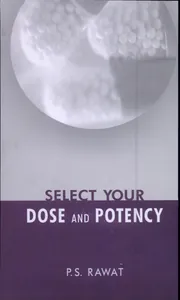
Choosing the correct potency is a complex aspect of homeopathic prescribing. Books like 'Select Your Doses and Potency' by P. S. Rawat offer guidance, but understanding potency selection often requires study of advanced materia medica and clinical experience.
What are Bach Flower Remedies?
Developed by Edward Bach, these remedies are a system separate from classical homeopathy, using floral essences to address emotional and mental states. Books like 'Bach Flower Remedies' by D. S. Vohra explore this system.
Is 'Alternative Medicine' by R. Babic a good overview?
'Alternative Medicine' by R. Babic can serve as a broad introduction to various alternative therapies, potentially including a section on homeopathy. It's useful for understanding homeopathy within a wider context of non-conventional treatments.
What is the significance of 'The Mentals' by Philip M. Bailey?
'The Mentals' by Philip M. Bailey is a specialized text focusing on the mental and emotional symptoms of homeopathic remedies, a crucial aspect for accurate classical prescribing.