Homeopathy
 78
78

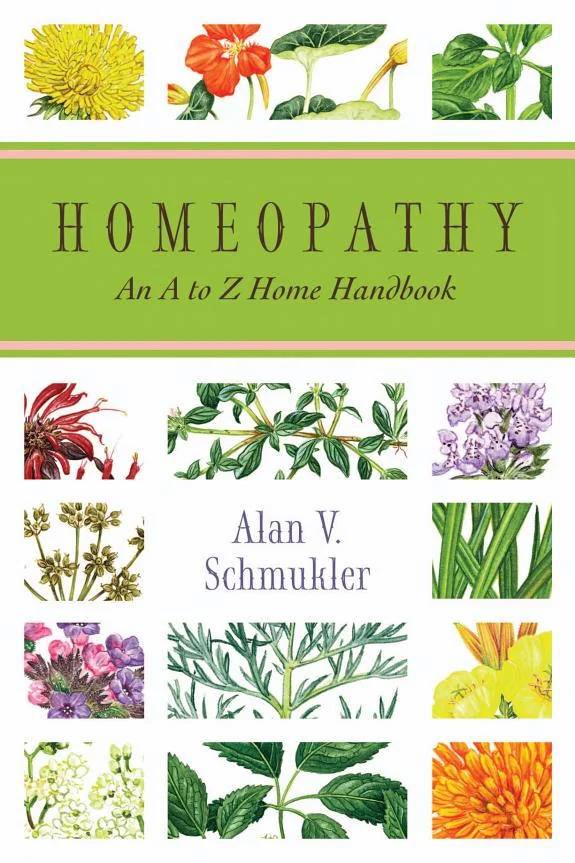
Homeopathy
Alan Schmukler's "Homeopathy" offers a clear and accessible exposition of a system often shrouded in misunderstanding. The book's strength lies in its comprehensive approach, covering historical origins, foundational principles, and practical applications with commendable detail. Schmukler effectively demystifies the potentization process, a point of contention for many critics, by explaining the methodology without resorting to overly technical jargon. A particularly well-handled section likely discusses the historical reception of homeopathy, charting its rise and the ongoing debates surrounding its efficacy. However, a limitation might be the book's inherent advocacy; while presenting the benefits, it could benefit from a more robust engagement with the scientific criticisms and placebo effect discussions that dominate modern discourse on homeopathy. The discussion of remedies for animals, for instance, is a concrete positive, offering practical value. Ultimately, Schmukler provides a solid primer for those seeking to understand homeopathy from a sympathetic perspective.
📝 Description
78
Alan Schmukler's 2006 book explains homeopathy, a system where 'like cures like.'
Homeopathy, as presented in Alan Schmukler's 2006 work, is an alternative medical system based on the principle of 'like cures like.' This approach posits that substances which cause symptoms in healthy individuals can, when highly diluted, be used to treat similar symptoms in ill individuals. The text explains this practice as a safe, affordable, and effective option free from chemical side effects.
Schmukler situates homeopathy within a lineage of natural healing that gained traction in the 19th century. Developed by German physician Samuel Hahnemann in the late 18th century, homeopathy emerged as a response to the harsh medical treatments of the era. The work details how this system found its way into public health systems and garnered a substantial global following.
This book is for readers interested in healing modalities beyond conventional Western medicine. It appeals to individuals seeking natural, gentle, and cost-effective health solutions, including for pets. Those curious about the scientific underpinnings and historical development of alternative therapies will find Schmukler's overview valuable. It serves as an introduction for beginners and a reference for those already familiar with homeopathic principles.
Homeopathy, as described by Schmukler, is part of a broader movement in natural healing that developed alongside spiritual and vitalistic philosophies in the 19th century. It emerged as an alternative to the increasingly mechanistic and reductionist approach of allopathic medicine. The practice's emphasis on subtle energy, dilutions beyond Avogadro's number, and the body's innate healing capacity aligns with esoteric traditions that view health as a balance of vital forces and energetic fields, rather than solely a material phenomenon.
💡 Why Read This Book?
• Learn about the foundational principles of homeopathy, including the Law of Similars and potentization, directly referencing the historical development initiated by Samuel Hahnemann in the late 18th century. • Discover practical applications and a comprehensive list of remedies detailed within Schmukler's work, offering safe and affordable options for both human and animal health. • Understand homeopathy's place in global health care, noting its establishment in national systems like England's and its adoption by over 500 million people worldwide.
⭐ Reader Reviews
Honest opinions from readers who have explored this book.
❓ Frequently Asked Questions
What is the core principle behind homeopathic treatment as explained by Alan Schmukler?
The core principle, as detailed in Schmukler's "Homeopathy," is "like cures like." This means a substance that causes certain symptoms in a healthy person can be used in a highly diluted form to treat similar symptoms in a sick person.
When was homeopathy first developed and by whom?
Homeopathy was first developed in the late 18th century by the German physician Samuel Hahnemann, as explored within Schmukler's historical context.
How does homeopathy differ from conventional medicine?
Homeopathy utilizes highly diluted natural substances based on the principle of "like cures like," aiming for gentle stimulation of the body's healing response. Conventional medicine often uses synthesized drugs in higher concentrations to directly counteract disease symptoms.
Are homeopathic remedies safe for animals?
Yes, Schmukler's "Homeopathy" presents homeopathic remedies as safe for both people and animals, highlighting their gentle nature and lack of chemical side effects.
What does 'potentization' mean in homeopathy?
Potentization, a key concept discussed in the book, refers to the process of diluting a substance and vigorously shaking it repeatedly. Proponents believe this process increases the remedy's therapeutic energy.
How widely is homeopathy practiced globally?
According to Schmukler's "Homeopathy," over five hundred million people worldwide use homeopathic treatments, and it is established in the national health care systems of several countries, including England, France, and the Netherlands.
🔮 Key Themes & Symbolism
The Law of Similars
This foundational tenet of homeopathy, "like cures like," is central to Schmukler's explanation. It posits that a substance capable of producing symptoms in a healthy individual can be used to treat similar symptoms in a diseased individual. The book likely details numerous examples of this principle in action, illustrating how specific natural substances are matched to particular symptom pictures, forming the basis for remedy selection in the homeopathic system.
Potentization and Dilution
Schmukler addresses the controversial process of potentization, which involves serial dilution and succussion (vigorous shaking) of a substance. This procedure is believed by homeopaths to not only dilute the original substance but also to imprint its energetic signature onto the diluent, thereby increasing its therapeutic efficacy. The work likely clarifies the different scales of dilution (e.g., X, C, LM) and the philosophical underpinnings of this energetic medicine.
Holistic Health and Vital Force
The book frames homeopathy as a holistic approach to healing, emphasizing the interconnectedness of mind, body, and spirit. It likely touches upon the concept of the 'vital force' or 'life energy,' a principle often found in vitalistic philosophies, suggesting that illness arises from an imbalance in this force. Homeopathic treatment, therefore, aims to restore harmony and stimulate the body's innate capacity for self-healing.
Accessibility and Safety
A significant theme is homeopathy's purported safety and affordability. Schmukler highlights the absence of harsh chemical side effects common in conventional pharmaceuticals, making it an attractive option for sensitive individuals, children, and animals. The book likely presents homeopathy as an accessible healthcare choice, integrated into various national health systems, and utilized by millions worldwide.
💬 Memorable Quotes
Direct passages from the work, attributed to the author.
“Homeopathic treatments are used by over five hundred million people worldwide.”
— This statistic underscores the global reach and acceptance of homeopathy, suggesting its significant impact on healthcare beyond Western medical paradigms and its practical application by a vast population.
“Effective, safe, affordable, and free of chemical side effects—the benefits of homeopathy are endless!”
— This statement expresses the core marketing and philosophical claims of homeopathy presented in the book, emphasizing its perceived advantages over conventional treatments in terms of safety, cost, and efficacy.
“Already established in the national health care systems of England, France, and the Netherlands...”
— This highlights homeopathy's institutional validation in certain countries, positioning it not merely as a fringe practice but as a recognized component of public healthcare infrastructure in specific regions.
“Alan Schmukler's Homeopathy discusses the history and science of this alternative medicine...”
— This phrase indicates the book's dual focus on both the historical development and the theoretical framework of homeopathy, promising a comprehensive overview for the reader interested in understanding its origins and rationale.
“...and provides a comprehensive list of proven remedies—safe for people and animals.”
— This suggests the practical utility of the book, offering readers actionable information on specific homeopathic remedies and reassuring them of their safety across different species.
🌙 Esoteric Significance
Tradition
Homeopathy, particularly in its vitalistic interpretations, draws heavily from Neoplatonic and Hermetic concepts of an animating life force (the 'vital force') and the idea that like influences like. This aligns with esoteric traditions that view the universe as interconnected and governed by subtle energies. Schmukler's work likely explores how homeopathy seeks to restore balance to this vital force, departing from purely materialistic or mechanistic views of health and disease prevalent in conventional science.
Symbolism
The core symbolism in homeopathy lies in the principle of "like cures like" and the process of potentization. The "like" acts as a symbolic representation of the disease state, while the dilution and succussion process imbues the remedy with an energetic 'essence' or 'information' that symbolically mirrors and corrects the imbalance. The highly diluted remedies themselves can be seen as symbols of energetic potential rather than material substance.
Modern Relevance
Contemporary interest in holistic health, natural remedies, and personalized medicine reflects the principles championed by homeopathy. Thinkers and practitioners in fields like energy medicine, mind-body therapies, and even certain branches of functional medicine, while not necessarily adhering strictly to homeopathic protocols, engage with similar concepts of vital energy and the body's inherent healing capabilities. The work's emphasis on safety and affordability also speaks to current healthcare debates.
👥 Who Should Read This Book
• Individuals exploring natural and holistic healing modalities seeking safe and non-toxic alternatives to conventional medicine. • Students of alternative health sciences or comparative medicine interested in the historical development and principles of homeopathy, as outlined by Samuel Hahnemann. • Pet owners and caregivers looking for gentle, effective remedies for common ailments in both humans and animals, as detailed in Schmukler's practical guide.
📜 Historical Context
Published in 2006, Alan Schmukler's "Homeopathy" entered a discourse where alternative medicine was increasingly gaining visibility, yet often faced staunch opposition from the scientific establishment. The book situates homeopathy within a tradition dating back to Samuel Hahnemann's experiments in the late 18th century, a period marked by aggressive and often harmful medical practices like bloodletting. By the 19th century, homeopathy had established numerous clinics and hospitals, presenting a direct challenge to the burgeoning allopathic medicine focused on chemical interventions. While mainstream medicine, particularly through figures like the American Medical Association, sought to discredit homeopathy throughout the 20th century, the work likely acknowledges its persistent popularity and integration into healthcare systems in Europe, such as England, France, and the Netherlands, as noted in its blurb. Schmukler's text appears to champion this enduring alternative, presenting its principles and benefits to a contemporary audience.
📔 Journal Prompts
The principle of 'like cures like' as a healing paradigm.
Potentization: understanding the energetic transfer in diluted remedies.
Homeopathy's historical context against 19th-century medical practices.
The concept of the 'vital force' in health and illness.
Assessing the safety and affordability of homeopathic treatments.
🗂️ Glossary
Homeopathy
An alternative medicine system based on the principle of "like cures like," using highly diluted substances that cause symptoms in healthy people to treat similar symptoms in the sick.
Law of Similars
The fundamental principle of homeopathy stating that a substance which causes symptoms in a healthy person can, in a highly diluted form, cure similar symptoms in a sick person.
Potentization
The process of preparing homeopathic remedies through serial dilution and succussion (vigorous shaking), believed to increase the remedy's energetic power.
Dilution
The process of reducing the concentration of a substance, a key step in preparing homeopathic remedies, often to levels where no original molecules may remain.
Succussion
The vigorous shaking or striking of a diluted solution during the preparation of a homeopathic remedy, considered essential for activating its therapeutic properties.
Vital Force
A concept in vitalistic philosophy, often associated with homeopathy, referring to an animating energy or life principle that sustains living organisms.
Allopathic Medicine
Conventional Western medicine, which typically treats diseases by using remedies that produce effects different from or opposite to those produced by the disease.
This book appears in 1 collection
🔮 Readers Also Liked
Browse all →








From the “Homeopathy” Collection
View all →







More Free Occult Philosophy Books
View all →