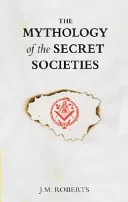
The Mythology of the Secret Societies
 76
76

The Mythology of the Secret Societies
J. M. Roberts’s examination of secret societies offers a sober counterpoint to sensationalist accounts, grounding the discussion in the socio-historical realities of 18th and 19th-century Europe. The book’s strength lies in its methodical approach, systematically charting the rise and perception of groups like the Rosicrucians and tracing their influence on public discourse. Roberts is particularly effective when detailing how the very obscurity of these organizations allowed them to become potent symbols in the collective imagination, a concept clearly articulated when discussing their role in interpreting political events. However, the work occasionally suffers from a dryness that might deter readers seeking the more arcane or speculative aspects. While the analysis of the Enlightenment’s impact on society formation is robust, the chapter on the perceived influence of Freemasonry, though informative, could benefit from a deeper engagement with the esoteric doctrines claimed by some of its adherents. Ultimately, Roberts provides a valuable, if sometimes understated, historical dissection of how secrecy breeds myth.
📝 Description
76
J. M. Roberts's 2008 book examines the historical trajectory and cultural impact of clandestine organizations.
Published in 2008, J. M. Roberts's The Mythology of the Secret Societies analyzes the historical development and cultural effects of hidden groups. The study concentrates on the 18th and 19th centuries in Europe, a period when such societies reportedly flourished and wielded significant influence. Roberts moves beyond simple historical accounts to investigate how these organizations affected public understanding and the interpretation of events during their time.
This work appeals to those interested in the veiled aspects of history and the persistent power of myth. It is suitable for readers engaged with the sociology of belief, the evolution of symbolic systems, and the historical origins of conspiracy theories. Scholars of European history, cultural studies, and comparative religion will find it a useful resource for grasping the enduring appeal of secrecy. The book considers how the very notion of secrecy functions as a mechanism of power, how myths surrounding these groups are constructed, and the psychological desire for order and hidden knowledge during times of societal unrest.
This book emerges from a scholarly interest in Freemasonry and other fraternal orders, particularly as explored in the late 20th century. It situates itself within a tradition that analyzes the social and cultural impact of groups operating outside mainstream visibility. The study touches upon the historical tendency to ascribe significant agency to these societies, often fueled by periods of social upheaval and intellectual ferment like the Enlightenment. It addresses how rumor and speculation shaped perceptions of these organizations, contributing to a broader discourse on hidden knowledge and perceived plots.
💡 Why Read This Book?
• Understand how the perceived power of secret societies in 18th-century Europe, particularly the Rosicrucians, was constructed through public interpretation rather than direct action. • Gain insight into the historical context of Augustin Barruel's theories, appreciating how contemporary events fueled speculation about clandestine groups. • Analyze the role of secrecy itself as a mechanism for influence, recognizing how its absence in historical records amplifies myth-making.
⭐ Reader Reviews
Honest opinions from readers who have explored this book.
❓ Frequently Asked Questions
What historical periods does J. M. Roberts focus on in 'The Mythology of the Secret Societies'?
The book primarily concentrates on the 18th and 19th centuries in Europe, a period marked by significant social and political change and the proliferation of various clandestine organizations.
What is the main argument concerning the influence of secret societies?
Roberts argues that their influence was often more about how they were perceived and interpreted by the public, rather than solely through direct actions, shaping the understanding of historical events.
Are specific secret societies discussed in detail?
Yes, the work examines several, including the Rosicrucians and Freemasonry, exploring their historical presence and the myths that grew around them.
Does the book explore the esoteric beliefs of these societies?
While it acknowledges the existence of esoteric doctrines, the focus is more on their historical manifestation and public perception rather than an in-depth theological or philosophical analysis of their beliefs.
What is the publication date of 'The Mythology of the Secret Societies'?
The book was first published in 2008, placing its analysis within a contemporary academic framework.
How does Roberts differentiate between historical reality and societal myth regarding secret groups?
He meticulously separates documented historical facts from the speculative narratives and attributed powers that became associated with these societies over time.
🔮 Key Themes & Symbolism
The Power of Perception
Roberts elucidates how the perceived influence of secret societies often transcended their actual historical agency. The deliberate obscurity surrounding groups like the Rosicrucians in the 18th century allowed them to become potent symbols, readily integrated into popular interpretations of political and social shifts. This theme highlights how societal anxieties and a desire for hidden knowledge can inflate the perceived reach and power of clandestine organizations, transforming them into potent myths that shape collective understanding of events.
Myth-Making in Historical Narratives
The book critically examines the construction of mythologies around secret societies. It investigates how historical accounts, particularly those emerging from periods of upheaval like the late 18th century, often attributed grand designs and secret knowledge to these groups. Roberts demonstrates how the lack of concrete evidence, coupled with sensationalist writings, allowed for elaborate narratives to flourish, influencing how subsequent generations understood historical movements and secret cabals.
Enlightenment and Clandestine Structures
Roberts explores the complex relationship between the Age of Enlightenment and the rise of secret societies. While the Enlightenment championed reason and transparency, it paradoxically coincided with a surge in clandestine groups, some of which adopted Enlightenment ideals in their own secretive frameworks. The work analyzes how these societies both reflected and reacted to the intellectual currents of the era, often becoming focal points for anxieties about hidden control during periods of revolutionary change.
Secrecy as a Tool
This theme studies how the very act of maintaining secrecy served as a strategic element for these organizations. It wasn't merely about protecting information but about cultivating an aura of mystery, exclusivity, and potent influence. Roberts shows how this cultivated mystique allowed societies to exert a psychological impact, becoming convenient explanations for complex or unsettling historical developments, thereby solidifying their mythological status.
💬 Memorable Quotes
Direct passages from the work, attributed to the author.
“The influence attributed to secret societies was often a projection of public anxieties.”
— This interpretation highlights Roberts's central argument that the perceived power of groups like the Rosicrucians stemmed less from their demonstrable actions and more from how they were viewed through the lens of societal fears and desires.
“Historical events were frequently explained by recourse to hidden hands.”
— This points to the tendency, particularly in the 18th and 19th centuries, to attribute significant historical shifts and political machinations to the secret machinations of clandestine organizations, a phenomenon Roberts meticulously dissects.
“The mythologies surrounding these groups often outpaced their historical reality.”
— This expresses the book's focus on the disparity between the legendary status secret societies acquired and their actual historical footprint, emphasizing the role of narrative over documented fact.
“Obscurity bred speculation, and speculation fostered influence.”
— This concisely explains the mechanism by which secret societies gained perceived power: their very lack of transparency created fertile ground for rumors and theories, which in turn amplified their influence in the public imagination.
“The Enlightenment era saw a complex interplay between reason and clandestine organization.”
— This highlights a key paradox explored in the book: how a period celebrating rationality also witnessed a proliferation of secret groups, suggesting a complex societal response to change and the unknown.
🌙 Esoteric Significance
Tradition
While not strictly adhering to a single esoteric lineage, Roberts's work engages with the historical manifestations of Hermetic, Gnostic, and Kabbalistic traditions as they were adapted and perceived within 18th and 19th-century secret societies. It fits within the broader study of Western Esotericism by examining how these traditions were mythologized and integrated into cultural narratives, often divorced from their original philosophical contexts. The book departs by prioritizing historical and sociological analysis over an exploration of the internal doctrines or practices of these groups.
Symbolism
The book implicitly touches upon symbols associated with secret societies, such as the Rosicrucian rose and cross, or Masonic architectural tools. These symbols, when detached from their original initiatory contexts, become potent signifiers of hidden knowledge, power, and ancient wisdom in the public imagination. Roberts analyzes how these visual motifs contributed to the mystique, allowing societies to project an image of profound, ancient origins and hidden purpose, thereby fueling their mythological status.
Modern Relevance
Contemporary thinkers and practitioners in fields ranging from cultural studies to conspiracy theory analysis draw upon Roberts's work. His analysis of how secrecy and myth-making function remains relevant for understanding modern online communities, political discourse, and the enduring appeal of conspiracy narratives. Scholars examining the evolution of Western Esotericism also use this book to contextualize the historical perception and popularization of esoteric ideas, even when the focus is on the sociological rather than the spiritual dimension.
👥 Who Should Read This Book
• Students of European history, particularly the 18th and 19th centuries, who wish to understand the socio-cultural impact of clandestine organizations beyond sensationalism. • Researchers in cultural studies and comparative religion seeking to analyze the role of myth and secrecy in shaping public perception and historical narratives. • Enthusiasts of esoteric history interested in the popularization and mythologization of groups like the Rosicrucians and Freemasonry, understanding their place in collective imagination.
📜 Historical Context
J. M. Roberts's "The Mythology of the Secret Societies" was published in 2008, emerging in an academic landscape that continued to explore the historical impact of clandestine organizations. The book's primary focus on the 18th and 19th centuries places it within a rich historiographical tradition. This era, particularly the late 18th century, was a crucible of change, marked by the Enlightenment’s intellectual ferment and revolutionary upheavals. It was a period ripe for speculation about hidden powers, exemplified by figures like Augustin Barruel, whose writings on the alleged Masonic conspiracy against monarchy and religion gained significant traction. Competing schools of thought included nationalist histories that either demonized or celebrated secret societies as agents of foreign influence or revolutionary ideals. The work engages with the persistent cultural fascination that saw groups like Freemasonry and the Rosicrucians become archetypes of hidden influence, shaping public perception and historical interpretation long after their peak periods of activity.
📔 Journal Prompts
The perceived agency of clandestine groups in 18th-century Europe: how did public interpretation shape this?
The Rosicrucian rose and cross as symbols: what historical narratives did they evoke?
Augustin Barruel's theories on secret societies: what societal anxieties did they reflect?
The concept of secrecy as a tool: how did it amplify the influence of 19th-century organizations?
The interplay between Enlightenment ideals and clandestine structures: what paradoxes emerge?
🗂️ Glossary
Rosicrucians
A legendary secret order, purportedly founded in the early 17th century, associated with esoteric knowledge, alchemy, and spiritual enlightenment. Their historical existence and specific doctrines remain subjects of debate and mythologization.
Freemasonry
A fraternal organization that emerged in the late 16th to early 17th century, known for its use of symbolic rituals and allegorical teachings derived from stonemasonry, influencing popular perceptions of secret societies.
Enlightenment
An 18th-century intellectual and philosophical movement emphasizing reason, individualism, and skepticism towards traditional authority, which paradoxically coexisted with the rise of many secret societies.
Augustin Barruel
A French Jesuit priest and writer, famous for his 1797 work 'Memoirs Illustrating the History of Jacobinism', which posited a conspiracy involving Freemasons and other secret societies behind the French Revolution.
Clandestine Organizations
Groups that operate in secrecy, often with a hierarchical structure and shared objectives, whose activities and membership are not publicly disclosed.
Mythology
In this context, refers to the body of stories, beliefs, and legends that surround secret societies, often amplifying their perceived power and influence beyond historical documentation.
Societal Anxiety
Widespread feelings of unease, fear, or apprehension within a population, often related to political instability, social change, or perceived threats, which can fuel belief in secret conspiracies.