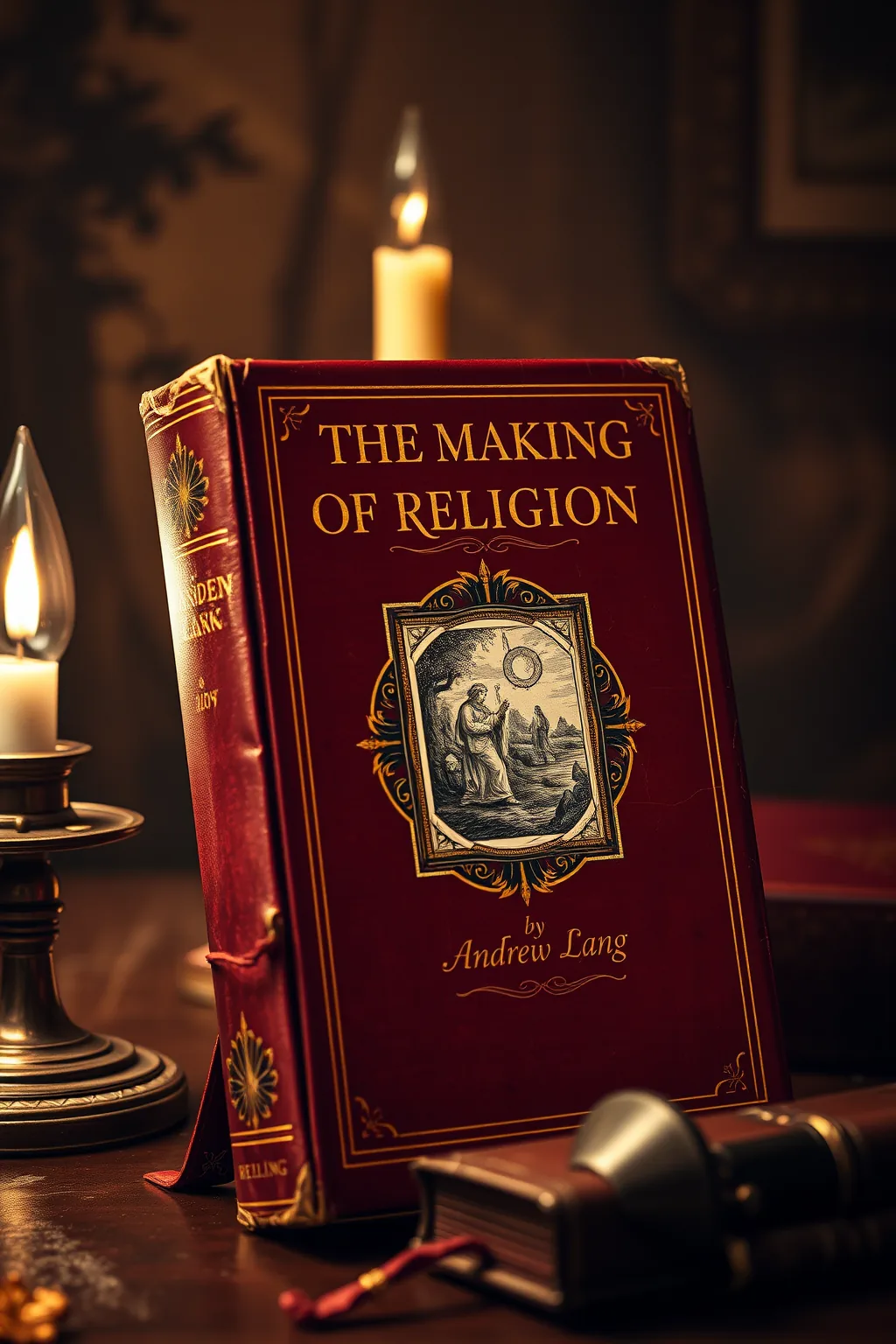
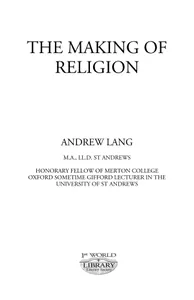
The Making of Religion
 83
83

The Making of Religion



The Making of Religion by Andrew Lang is a seminal work that bridges the gap between academic rigor and esoteric curiosity. For modern esoteric seekers, this book offers a treasure trove of insights into the development of religious thought and the enduring fascination with the afterlife. Lang's meticulous research and engaging prose make this text a timeless classic. The book's exploration of spiritualism and the afterlife is particularly enlightening, as it provides a historical context that enriches contemporary understandings of these phenomena. The Making of Religion is not just a historical document; it is a living testament to the enduring quest for spiritual knowledge. It challenges readers to think critically about their beliefs and to explore the mystical dimensions of human experience. For anyone interested in the occult, this book is a must-read.
📝 Description
83
Andrew Lang's 1900 book, The Making of Religion, examines the historical development of religious ideas.
In The Making of Religion, Andrew Lang approached the study of religious beliefs from a comparative and historical perspective. He sought to understand the origins of what he termed 'primitive religion,' drawing on anthropological accounts and mythological studies available at the turn of the 20th century. Lang was particularly interested in ideas of a supreme being and the evolution of religious thought across different cultures.
He questioned prevailing theories of the time, suggesting that early human conceptions of the divine might have been more sophisticated than often assumed. The book discusses shamanism, ancestor worship, and various forms of early ritual. Lang's work reflects the scholarly discussions of his era concerning animism, totemism, and the psychological underpinnings of faith.
His prose, while scholarly, aims to convey the wonder and mystery inherent in religious experience. The book is an attempt to trace the common threads that connect diverse spiritual expressions throughout human history. Lang’s goal was to shed light on how these fundamental religious concepts came to be.
Andrew Lang, writing at the cusp of the 20th century, engaged with the burgeoning field of comparative religion and anthropology. His work on the origins of religious belief fits within a broader intellectual current that sought to understand spiritual phenomena through historical and cross-cultural analysis. While not strictly occult, his focus on the 'making' of religion and the underlying psychological and cultural forces touched upon themes that resonated with esoteric interests in hidden knowledge and the deeper structures of consciousness.
✍️ Author
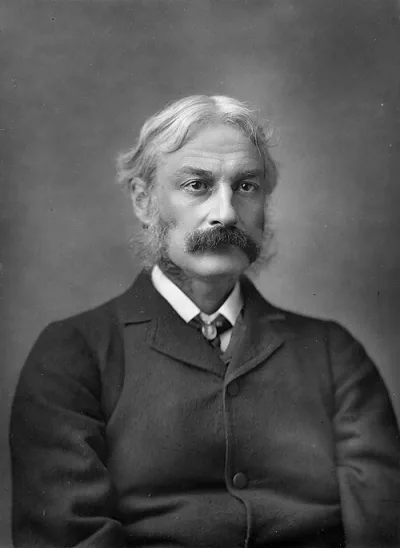
Andrew Lang
Andrew Lang (1844-1912) was a Scottish poet, novelist, critic, and anthropologist, best known for collecting folk and fairy tales.
💡 Why Read This Book?
Reading The Making of Religion today offers a unique opportunity to delve into the historical roots of spiritualism and the afterlife. This book provides valuable insights into how religious beliefs have evolved and how they continue to shape our understanding of the supernatural. Whether you are a scholar, a spiritual seeker, or simply curious about the occult, this text will enrich your perspective and deepen your appreciation for the mystical dimensions of human experience.
⭐ Reader Reviews
Honest opinions from readers who have explored this book.
❓ Frequently Asked Questions
What is The Making of Religion about?
The Making of Religion by Andrew Lang explores the origins and development of religious beliefs, with a particular focus on spiritualism and the afterlife. It draws from archaeological and anthropological data to provide a historical context for modern religious practices.
Who should read this book?
This book is ideal for academics, spiritual seekers, and anyone interested in the occult. It offers valuable insights into the historical foundations of religious thought and the enduring fascination with the supernatural.
Is The Making of Religion available for free?
Yes, The Making of Religion is available for free in the public domain through Esoteric Library. You can download it in various formats or read it online.
🔮 Key Themes & Symbolism
Esoteric Origins of Religion
Lang examines the hidden knowledge and symbolism that underpin religious beliefs and practices, offering readers a profound understanding of the spiritualism that defines various religious traditions. This theme explores the mystical foundations of religion, revealing the esoteric threads that tie together the collection of human spirituality.
Symbolism in Religious Rituals
The Making of Religion examines the detailed symbolism embedded in religious rituals, providing insight into the deeper meanings and connections that lie beneath the surface of organized religion. Lang's work offers a comprehensive overview of the esoteric traditions that have shaped human spirituality, making it an essential read for anyone interested in the mystical origins of religious practices.
Philosophical Significance of Religion
Lang's exploration of the mystical origins of religion invites readers to contemplate the philosophical significance of religious experiences. This theme encourages readers to consider the deeper meanings and connections that define spiritualism, urging them to seek a more profound understanding of the esoteric foundations of religious belief.
💬 Memorable Quotes
Direct passages from the work, attributed to the author.
“The rituals of religion are imbued with hidden symbolism, waiting to be deciphered by the seeker of truth.”
— Lang emphasizes the importance of understanding the esoteric meanings behind religious rituals, inviting readers to explore the deeper layers of spiritual practice.
“The study of religion reveals the hidden knowledge that has shaped human spirituality throughout history.”
— Lang's work invites readers to look at the esoteric foundations of religious belief, offering a comprehensive overview of the mystical traditions that have defined human spirituality.
💡 Key Ideas
Editorial paraphrase of the work's core concepts — not direct quotes.
Religion is the soul of humanity, revealing the mystical connections that bind us to the divine.
This quote underscores the esoteric significance of religion, highlighting its role in connecting humans to the spiritual realm.
In the collection of human spirituality, the threads of esoteric knowledge tie a pattern of profound significance.
This passage highlights the mystical origins of religious beliefs, encouraging readers to contemplate the deeper connections that define spiritual experiences.
The mystical origins of religion offer a pathway to understanding the divine mysteries that lie at the heart of human experience.
This quote emphasizes the esoteric significance of religious practices, urging readers to seek a deeper understanding of the spiritualism that underlies all religious traditions.
🌙 Esoteric Significance
Tradition
The Making of Religion belongs to the Hermetic tradition, which emphasizes the pursuit of hidden knowledge and the exploration of the mystical foundations of religious belief. This book is a valuable resource for practitioners of Hermeticism, as it examines the esoteric threads that tie together the collection of human spirituality.
Symbolism
Key symbols in The Making of Religion include the rituals and practices that define various religious traditions. Lang's work offers a comprehensive overview of the esoteric meanings behind these symbols, providing insight into the deeper connections that lie beneath the surface of organized religion.
Modern Relevance
The Making of Religion remains relevant today, as modern practitioners and scholars continue to explore the mystical origins of religious belief. This book is an invaluable resource for anyone seeking to understand the esoteric foundations of spiritualism, offering a wide range of mystical insights and hidden knowledge.
👥 Who Should Read This Book
Beginners exploring the mysteries of religion will find The Making of Religion an excellent starting point, as it provides a comprehensive overview of the esoteric traditions that have shaped human spirituality. Scholars of religion will appreciate Lang's meticulous research and insightful analysis, making this book an invaluable resource for academic study. Spiritual seekers and practitioners will benefit from the profound exploration of the mystical origins of religious practices, offering a deeper understanding of the symbolism and rituals that define spiritual experiences.
📜 Historical Context
The Making of Religion was written during a time of great intellectual and spiritual ferment, when scholars and seekers alike were exploring the hidden knowledge and symbolism that underpin religious practices. Andrew Lang's work emerged from this rich historical context, offering a profound exploration of the esoteric foundations of religion. The book's influence can be seen in the ongoing quest for understanding the mystical origins of religious belief, making it a key work in the study of spiritualism and occult philosophy.
📔 Journal Prompts
Reflect on the mystical origins of your own religious beliefs. What hidden knowledge or symbolism do you find most significant?
How do the rituals and practices of your religious tradition connect you to the divine?
Consider the esoteric threads that tie together the collection of human spirituality. What deeper meanings do you find in religious experiences?
Explore the philosophical significance of religious belief. How does the study of religion reveal the hidden knowledge that has shaped human spirituality?
Contemplate the esoteric foundations of spiritualism. What insights can be gained from the mystical origins of religious practices?
🗂️ Glossary
Hermeticism
A mystical and esoteric tradition that emphasizes the pursuit of hidden knowledge and the exploration of the divine mysteries.
Symbolism
The use of symbols to represent abstract ideas or concepts, often found in religious rituals and practices.
Spiritualism
The belief in the existence of spirits and the pursuit of spiritual experiences and knowledge.
Esoteric
Relating to knowledge that is intended for a small group of people with specialized knowledge of arcane subjects.
Mysticism
The practice of contemplation and the pursuit of direct, personal experience of the divine or ultimate reality.
This book appears in 2 collections
🔮 Readers Also Liked
Browse all →
More by Andrew Lang
All books →



From the “Spiritualism” Collection
View all →




More Free Spiritualism & Afterlife Books
View all →