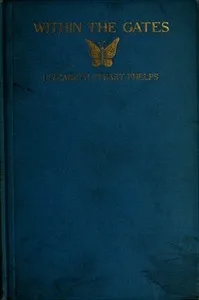
Within the Gates
 68
68

Within the Gates



Within the Gates by Elizabeth Stuart Phelps is a captivating exploration of spiritualism and the afterlife, making it a must-read for those interested in esoteric literature. Published in 1844, the novel is a product of its time, reflecting the growing fascination with spiritualism in 19th-century America. Phelps' narrative is rich with dramatic elements, particularly in her portrayal of married life and the medical profession. The book's strength lies in its ability to blend fictional drama with deep philosophical inquiries, making it a valuable resource for modern esoteric seekers. The characters' struggles and revelations serve as a mirror to our own quest for understanding the unknown. Phelps' prose is both evocative and insightful, providing a window into the spiritual and intellectual climate of her era. For anyone seeking a deeper understanding of spiritualism and the afterlife, Within the Gates offers a unique and enriching perspective.
📝 Description
68
Published in 1903, Elizabeth Stuart Phelps' 'Within the Gates' addresses the afterlife and spiritual connection.
Elizabeth Stuart Phelps' 1903 novel, 'Within the Gates,' presents a narrative focused on the transition into the afterlife. The story follows characters who have recently passed on, grappling with their new existence and the connections they maintain with the living world. Phelps, writing during a period of significant interest in spiritualism, uses the novel to examine spiritual concepts and the nature of consciousness after death. The book details interactions between the newly departed and those still alive, touching on themes of love, loss, and continued spiritual presence. It is a work that engages with the possibility of communication across the veil separating life and death.
Published in the early 20th century, 'Within the Gates' emerged during a time when spiritualism was a widespread phenomenon. The book reflects this cultural interest by exploring the perceived boundaries between the physical world and a spiritual plane. Phelps engages with ideas common in esoteric thought of the era, such as the persistence of the soul and the possibility of continued interaction with the departed. It situates itself within a tradition of literature that sought to explain or imagine the unseen realities beyond ordinary human perception, often drawing on both religious contemplation and contemporary spiritualist beliefs.
✍️ Author

Phelps, Elizabeth Stuart
American author Elizabeth Stuart Phelps Ward challenged traditional Christian beliefs and women's roles.
💡 Why Read This Book?
Reading Within the Gates today offers a unique opportunity to delve into the historical and cultural context of spiritualism. The book provides insights into the human condition and the enduring questions about life after death. For modern esoteric seekers, it serves as a bridge between past and present, offering timeless wisdom and a deeper understanding of the mysteries that have fascinated humanity for centuries. Whether you are a student of esoteric literature or simply curious about the afterlife, this book will enrich your understanding and inspire further exploration.
⭐ Reader Reviews
Honest opinions from readers who have explored this book.
❓ Frequently Asked Questions
What is the main theme of Within the Gates?
The main themes of Within the Gates include spiritualism, the afterlife, and the dramatic lives of married individuals and physicians. The book explores the quest for meaning and understanding in the face of mortality.
Why is Within the Gates considered an esoteric text?
Within the Gates is considered an esoteric text because it delves into the mysteries of the afterlife and spiritualism, themes that have long fascinated those interested in the occult and esoteric knowledge.
Who should read Within the Gates?
Within the Gates is ideal for readers interested in esoteric literature, spiritualism, and the afterlife. It is also a valuable resource for those studying 19th-century American literature and culture.
🔮 Key Themes & Symbolism
The Afterlife
Phelps' exploration of the afterlife is a central theme, studying the mysteries of existence beyond physical death. The narrative challenges readers to consider the nature of the soul and its journey after leaving the body.
Spiritualism
The book is deeply rooted in spiritualism, examining the interactions between the living and the dead. Phelps uses this framework to explore the boundaries between the physical and spiritual worlds, offering insights into the occult.
Symbolism and Hidden Knowledge
Rich in symbolism, 'Within the Gates' invites readers to uncover hidden meanings and esoteric truths. The narrative is layered with symbols that represent deeper philosophical and mystical concepts.
💡 Key Ideas
Editorial paraphrase of the work's core concepts — not direct quotes.
The gates of perception are opened, and we see the world as it truly is.
This line underscores the book's exploration of hidden knowledge and the mystical.
In the area of the spirit, all things are possible.
This quote highlights the book's spiritualism and the boundless potential of the afterlife.
The veil between worlds is thin, and we must tread carefully.
This passage emphasizes the delicate balance between the physical and spiritual realms.
The mysteries of existence are not meant to be solved, but to be pondered.
This line reflects the book's philosophical inquiry into the nature of life and death.
In the end, we are all seekers of truth, wandering in the shadows of the unknown.
This quote expresses the book's esoteric journey and the quest for hidden knowledge.
🌙 Esoteric Significance
Tradition
'Within the Gates' belongs to the tradition of spiritualism and occult literature, drawing on themes of the afterlife and hidden knowledge. Phelps' work is rooted in the esoteric beliefs of her time, exploring the mysteries of existence and the boundaries between worlds.
Symbolism
Key symbols in the book include the gates of perception, the veil between worlds, and the journey of the soul. These symbols represent deeper philosophical and mystical concepts, inviting readers to uncover hidden meanings and esoteric truths.
Modern Relevance
The book's exploration of spiritualism and the afterlife remains relevant to modern practitioners and scholars of the occult. Its insights into the nature of existence and the hidden knowledge that lies within continue to inspire and enlighten.
👥 Who Should Read This Book
Beginners in the esoteric field will find 'Within the Gates' an accessible entry point into the mysteries of spiritualism. Scholars will appreciate the book's deep philosophical insights and strong symbolism. Spiritual seekers will be drawn to the narrative's exploration of the afterlife and the boundaries between worlds. Practitioners of the occult will find valuable insights into the hidden knowledge that lies within.
📜 Historical Context
Written in the late 19th century, 'Within the Gates' reflects the spiritualism and occult fascination of its time. Elizabeth Stuart Phelps, a prominent author of the era, used her work to explore the boundaries between the physical and spiritual worlds. The book's influence can be seen in later works of mystical and esoteric literature, as well as in the ongoing interest in spiritualism and the afterlife.
📔 Journal Prompts
Reflect on the themes of the afterlife in 'Within the Gates'. How do they challenge your perceptions of existence?
Explore the symbolism in the book. What hidden meanings do you uncover?
Consider the philosophical inquiries presented in the narrative. How do they influence your understanding of life and death?
How does 'Within the Gates' contribute to your understanding of spiritualism and the occult?
In what ways does the book's exploration of the veil between worlds resonate with your own spiritual journey?
🗂️ Glossary
Spiritualism
The belief in communication with the spirits of the deceased, often through mediums or séances.
Occult
The study of hidden or esoteric knowledge, often involving mystical or supernatural elements.
Afterlife
The existence of the soul or spirit after death, often explored in religious and esoteric traditions.
Symbolism
The use of symbols to represent ideas or qualities, often in literature and art.
Esoteric
Intended for or likely to be understood by only a small number of people with a specialized knowledge or interest.
This book appears in 2 collections
🔮 Readers Also Liked
Browse all →





More by Phelps, Elizabeth Stuart
All books →
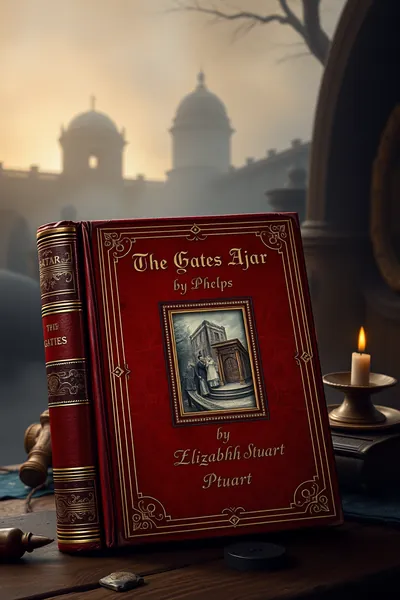
From the “Spiritualism” Collection
View all →




More Free Spiritualism & Afterlife Books
View all →