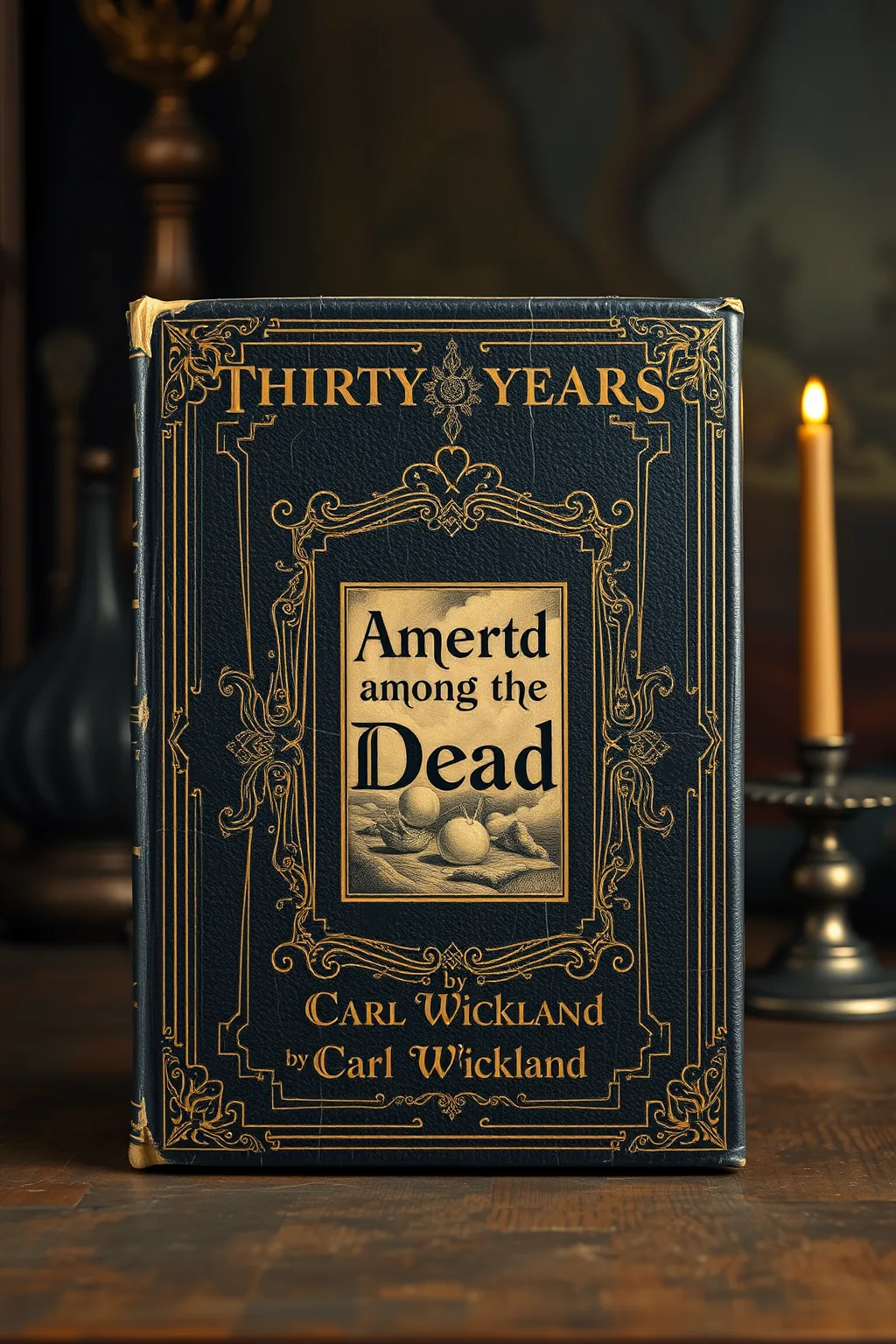
Thirty Years Among the Dead
 79
79

Thirty Years Among the Dead


Sophia Crane, Associate Editor — 'Thirty Years Among the Dead' is a cornerstone text for anyone delving into the esoteric landscape of spiritualism and the afterlife. Wickland's methodical approach, blending psychiatric rigor with mediumistic evidence, offers a unique and often startling perspective on the nature of consciousness and its persistence beyond physical dissolution. The raw transcripts and detailed case analyses provide profound esoteric insights, illuminating the concept of spiritual obsession and its cure. While challenging, this work is essential for scholars of psychical research, practitioners of spiritual healing, and seekers of deeper understanding into the unseen architecture of existence.
📝 Description
79
First published in 1924, Carl Wickland's 'Thirty Years Among the Dead' documents his clinical investigations into spirit obsession.
Carl Wickland, a psychiatrist, spent three decades investigating the impact of spirits on human mental states. His book, 'Thirty Years Among the Dead,' details these findings, based on his work with mediums, particularly his wife Anna. The text includes transcribed séances and accounts of spirit communications that Wickland believed directly influenced individuals suffering from mental afflictions.
Wickland's approach was to confront and banish the obsessing spirits during séances, aiming to free the afflicted individuals. He presented these cases as evidence of a direct, often malevolent, interaction between the deceased and the living. The book aims to show how spiritualist phenomena could explain certain psychological conditions, arguing that the 'dead' were actively interfering with the lives of the living.
Published in the era of Spiritualism's peak popularity, 'Thirty Years Among the Dead' aligns with a tradition that sought to bridge the gap between the physical and spiritual worlds through empirical observation and mediumistic practice. This book fits within a broader esoteric current that viewed spiritual phenomena not merely as curiosities but as explanations for human experience, including mental and physical illness. Wickland's work, while framed in psychiatric terms, engages directly with concepts of discarnate entities influencing the living, a recurring theme in occult and spiritualist literature of the late 19th and early 20th centuries.
✍️ Author
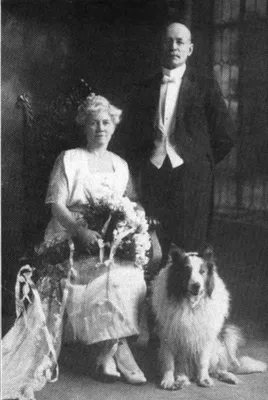
Carl Wickland
Carl August Wickland (born Carl August Wicklund, 14 February 1861 – 13 November 1945) was a 20th-century Swedish-American psychiatrist and psychical researcher. == Life and career == Carl Wickland (Wiklund) was born in 1861 at Liden, Västernorrland Provin…
💡 Why Read This Book?
For seekers of esoteric knowledge and practitioners of spiritual healing, 'Thirty Years Among the Dead' offers unparalleled insights into the mechanics of spiritual influence and the challenges of the afterlife. It provides concrete evidence and case studies for those questioning the nature of mental illness and its potential spiritual origins. Scholars of psychical research will find a rich historical document, while anyone interested in the persistent connection between the living and the departed will discover a profound, albeit unsettling, exploration.
⭐ Reader Reviews
Honest opinions from readers who have explored this book.
❓ Frequently Asked Questions
What is the primary thesis of 'Thirty Years Among the Dead'?
The book's central thesis posits that many severe mental illnesses are not solely biological or psychological, but are significantly influenced or caused by 'obsessing' spirits from the afterlife. Wickland details his efforts to diagnose and treat these conditions through spiritual means.
Who was Carl A. Wickland and what was his background?
Carl A. Wickland was a Swedish-American psychiatrist and psychical researcher who dedicated much of his life to studying the interaction between the living and the spirit world. His work was heavily influenced by his wife, Anna Wickland, who served as a powerful medium.
What kind of evidence does Wickland present?
Wickland presents detailed case studies, transcripts of séances, messages from spirits communicated through mediums (primarily his wife), and descriptions of his therapeutic methods aimed at freeing individuals from spirit obsessions.
Is this book suitable for beginners in esoteric studies?
While highly informative, the book's clinical and detailed nature might be challenging for absolute beginners. However, for those with a serious interest in spiritualism, mediumship, and the nature of the afterlife, it offers a foundational and empirical perspective.
What is the historical significance of this book?
Published in 1924, 'Thirty Years Among the Dead' is a significant document of the Spiritualist movement and early psychical research. It reflects the prevailing interest in the afterlife and the potential for communication with the deceased during that era.
🔮 Key Themes & Symbolism
The Nature of Spirit Obsession
This theme studies Wickland's groundbreaking concept of 'obsessing' spirits, entities from the afterlife that purportedly attach themselves to the living, influencing their thoughts, emotions, and behaviors. The book meticulously documents how these entities, often trapped in their own lower spiritual states, can manifest as symptoms of severe mental distress in humans. Wickland argues that understanding the motivations and conditions of these spirits is crucial for effective treatment and spiritual liberation, presenting a shift in thinking in the understanding of psychological ailments by attributing them to external, spiritual interference.
Mediumship as a Diagnostic and Therapeutic Tool
Central to Wickland's work is the role of mediumship, particularly that of his wife Anna, as a vital bridge between the physical and spiritual realms. The book showcases how mediumistic sessions were employed not only to gather evidence of spirit presence but also as a primary diagnostic method to identify the specific spirits involved in obsessions. Furthermore, these sessions served as a therapeutic arena, where Wickland and the medium would confront, counsel, and often sever the spiritual ties, facilitating the healing and progression of both the incarnate and discarnate souls involved in the entanglement.
The Persistence of Consciousness and the Afterlife
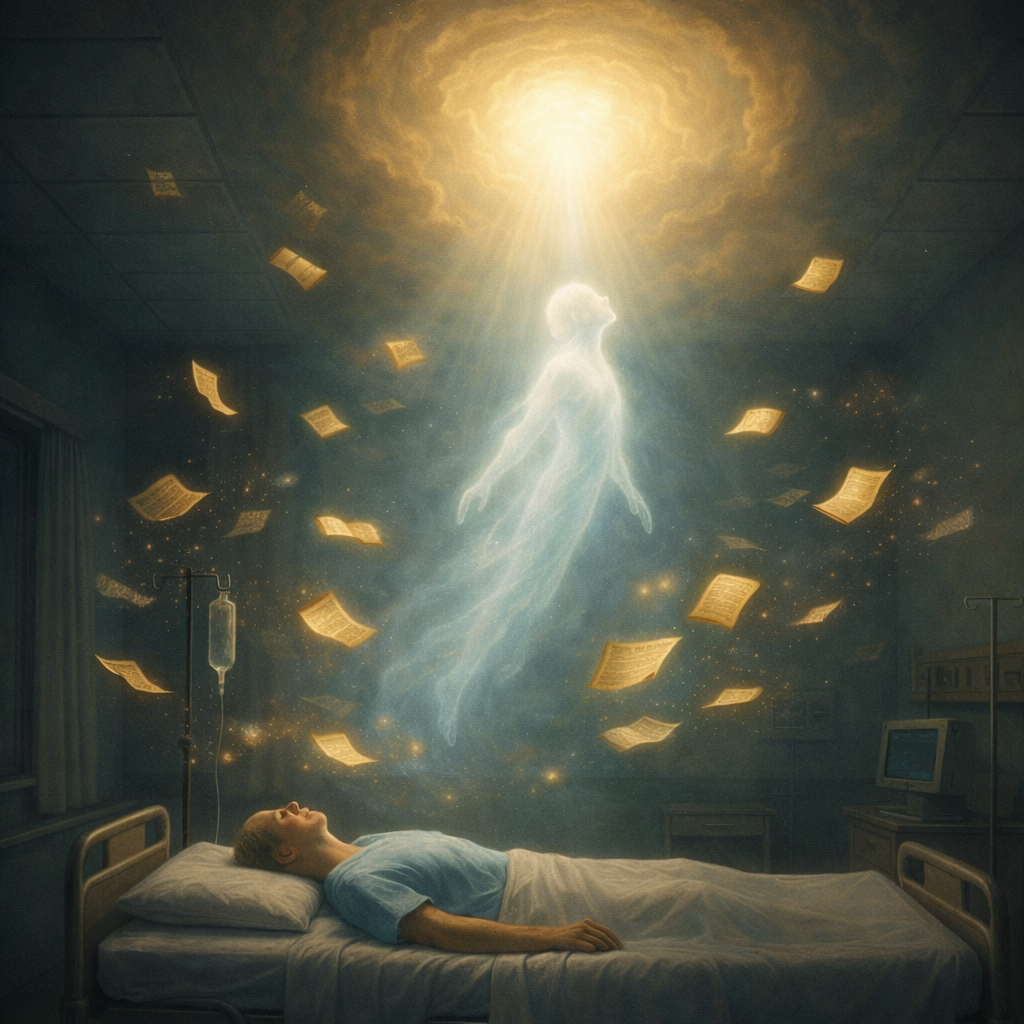
Beyond the specific focus on obsession, 'Thirty Years Among the Dead' offers a profound commentary on the nature of consciousness and the continuity of life after death. Wickland's extensive observations suggest a complex spiritual ecosystem, where souls continue to evolve, learn, and interact post-mortem. The book implies that the afterlife is not a static paradise or hell, but a dynamic realm where unresolved issues and karmic patterns persist, influencing the living. This exploration challenges conventional notions of death and immortality, presenting a compelling argument for the ongoing existence and interconnectedness of all souls.
💬 Memorable Quotes
Direct passages from the work, attributed to the author.
“The veil between the worlds is thin, but the understanding is often thicker.”
— This poignant observation points to the accessibility of spiritual realms, yet underscores the human tendency to remain bound by material perceptions and disbelief, hindering genuine connection and insight.
“To heal the living, one must often reach the dead.”
— This captures Wickland's core methodology, emphasizing that true healing for certain afflictions requires addressing the spiritual influences from the deceased rather than solely focusing on the physical or psychological symptoms.
“Ignorance is the most persistent of all prisons.”
— This statement applies to both the living and the dead, suggesting that a lack of knowledge and spiritual awareness traps individuals in cycles of suffering and limitation, both in this life and the next.
💡 Key Ideas
Editorial paraphrase of the work's core concepts — not direct quotes.
The spirits themselves are often victims of their own ignorance.
This quote highlights Wickland's empathetic view of discarnate entities, suggesting they are not inherently malicious but often confused or suffering, perpetuating negative cycles due to a lack of spiritual understanding.
The greatest darkness is often self-imposed.
This quote suggests that individuals, through their own choices, beliefs, and spiritual inertia, can create internal barriers that prevent light and healing from entering their lives, mirroring the states of trapped spirits.
🌙 Esoteric Significance
Tradition
This work is deeply rooted in the Western esoteric tradition, specifically within the framework of Spiritualism and early Psychical Research. It draws parallels with Gnostic ideas of hidden knowledge and the influence of unseen forces on the material world. Its focus on soul progression, karmic entanglement, and the hierarchical structure of the spirit world also appeals to Hermeticism and certain branches of Theosophy, presenting a practical, clinically observed approach to concepts often explored in more theoretical esoteric texts.
Symbolism
The 'dead' in Wickland's title are not merely deceased individuals but symbolic representations of unresolved issues, karmic burdens, and spiritual ignorance that can 'haunt' the living. The 'obsession' itself symbolizes the entanglement of consciousness across different states of being. The séance room becomes a symbolic crucible where the material and spiritual intersect, and the act of communication symbolizes the potential for liberation and understanding. The journey described is one of shedding spiritual darkness and ascending towards higher consciousness, a fundamental symbolic arc in many esoteric paths.
Modern Relevance
In an age where mental health is increasingly discussed, Wickland's work offers a provocative, albeit controversial, alternative perspective. It challenges purely materialistic explanations for psychological suffering, suggesting that unresolved spiritual issues and external influences may play a significant role. For contemporary practitioners of energy healing, shamanism, and spiritual counseling, 'Thirty Years Among the Dead' provides a historical precedent and a framework for understanding and addressing energetic blockages and spirit attachments, encouraging a more holistic approach to well-being that integrates physical, mental, and spiritual dimensions.
👥 Who Should Read This Book
This profound text is recommended for a diverse audience. **Beginners** with a genuine curiosity about the afterlife and the nature of consciousness will find a historical and empirical grounding. **Scholars** of psychical research, religious studies, and the history of psychology will discover a vital primary source document. **Seekers** of spiritual truth and those questioning the conventional understanding of mental illness will find compelling arguments and case studies. **Practitioners** of spiritual healing, mediumship, or energy work will gain invaluable insights into the dynamics of spirit interaction and therapeutic interventions. It is for anyone who dares to look beyond the material veil.
📜 Historical Context
Published in 1924, 'Thirty Years Among the Dead' emerged during the zenith of the Spiritualist movement, a period marked by widespread fascination with contacting the deceased and exploring the nature of the afterlife. Following the immense loss of life during World War I, the desire for solace and communication with departed loved ones intensified, fueling the popularity of séances and mediums. Psychical research was gaining academic attention, with institutions dedicated to investigating paranormal phenomena. Wickland's work, while grounded in psychiatric practice, firmly sits within this cultural milieu, reflecting the era's earnest, and sometimes fervent, quest to understand life beyond the corporeal form and the potential for interdimensional communication.
📔 Journal Prompts
Reflect on a time you felt an 'unexplained' influence on your thoughts or emotions. Could this be interpreted through the lens of spiritual obsession?
Consider the concept of 'spiritual ignorance' as described by Wickland. How does a lack of spiritual understanding impact individuals in both life and the afterlife?
What are your personal beliefs about the nature of the afterlife and the potential for communication between the living and the deceased?
If you were to communicate with a 'spirit' from your past, what questions would you ask, and what wisdom do you hope to impart?
How might a holistic approach to mental well-being incorporate spiritual or energetic dimensions, as suggested by Wickland's work?
🗂️ Glossary
Obsessing Spirits
Discarnate entities or spirits from the afterlife that, according to Wickland, attach themselves to living individuals, influencing their thoughts, emotions, and behaviors, often leading to mental distress or illness.
Séance
A meeting or gathering where individuals attempt to make contact with spirits, typically conducted by a medium who facilitates communication between the physical and spiritual realms.
Medium
An individual believed to possess the ability to communicate with spirits or entities from the afterlife, acting as an intermediary between the living and the deceased.
Discarnate
Having no physical body; referring to souls or spirits that have transitioned from physical life and exist in a non-corporeal state.
Spiritualism
A religious movement that asserts that the spirits of the dead can communicate with the living, often through a medium, and that the afterlife is a continuation of existence where souls evolve.
This book appears in 2 collections
🔮 Readers Also Liked
Browse all →




From the “Spiritualism” Collection
View all →



More Free Spiritualism & Afterlife Books
View all →