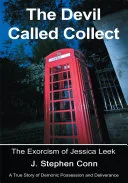
The Devil Called Collect
 75
75

The Devil Called Collect
The stark, almost journalistic account of the March 11, 1980, phone call is the undeniable core of *The Devil Called Collect*. Pastor Conn presents Jessica Leek's desperate plea and the subsequent terrifying manifestation of multiple demonic entities with a chilling directness. The raw fear and the spiritual battle that unfolds over the phone line are palpable, offering a visceral glimpse into a specific type of spiritual crisis. The limitation, however, lies in the brevity and the lack of deeper theological or psychological exploration that might contextualize such an extreme event. While the detailed recounting of the demonic names and blasphemies is impactful, the book could benefit from more extensive analysis of the spiritual principles at play, particularly regarding Jessica's prior involvement with witchcraft. The moment Jessica identifies the voices by name is particularly striking, underscoring the confrontational nature of the encounter. It’s a potent, albeit brief, testimony to spiritual conflict.
📝 Description
75
In 1980, Pastor J. Conn received a collect call that turned into a terrifying spiritual confrontation.
The Devil Called Collect recounts an extraordinary event from March 11, 1980. Pastor J. Stephen Conn received a late-night collect call from a young woman named Jessica Leek. She claimed a stranger had given her the number, and she sought help, entangled in witchcraft. The conversation took a disturbing turn when demonic voices began speaking through Jessica, identifying themselves by name and issuing direct threats.
The book details the pastor's response to this intense encounter. It addresses themes of spiritual warfare and the struggle against malevolent spiritual forces. The narrative focuses on the application of faith and prayer as a means of deliverance from demonic influence. It presents a firsthand account of a specific instance of apparent demonic possession and spiritual conflict.
This account fits within certain evangelical and charismatic Christian traditions that emphasize the reality of demonic entities and spiritual conflict. It engages with concepts of spiritual warfare and deliverance ministries, which were topics of discussion in some religious circles during the early 1980s. The book touches upon beliefs regarding the power of prayer, invocation of divine names, and the role of a spiritual leader in confronting perceived dark spiritual forces.
💡 Why Read This Book?
• Understand the dynamics of spiritual warfare as depicted in a specific 1980 encounter, learning about the alleged methods of demonic communication and invocation. • Gain insight into the role of faith and prayer in deliverance, as Pastor Conn applies spiritual authority in response to the collect call. • Explore the concept of spiritual infestation and possession through a documented case, examining the manifestation of multiple entities speaking through one individual.
⭐ Reader Reviews
Honest opinions from readers who have explored this book.
❓ Frequently Asked Questions
When was Pastor J. Stephen Conn's book 'The Devil Called Collect' first published?
The book 'The Devil Called Collect' by J. Conn was first published in December 2007.
What is the central event described in 'The Devil Called Collect'?
The book details a collect phone call received by Pastor J. Stephen Conn at 2 AM on March 11, 1980, from a young woman named Jessica Leek, who was involved in witchcraft and being tormented by demonic voices.
What specific supernatural phenomenon is central to the narrative?
The central phenomenon is the manifestation of multiple demonic entities speaking through the young woman, blaspheming, threatening, and identifying themselves by name during the phone call.
What was the young woman's alleged involvement prior to the call?
The woman, Jessica Leek, was described as being deeply involved in witchcraft before making the desperate call for help.
What is the alleged source of the number Jessica Leek called?
Jessica Leek received Pastor Conn's number from a stranger while hitch-hiking, indicating a seemingly chance encounter leading to a significant spiritual event.
What is the tone of the book regarding the described events?
The book adopts a factual, testimonial tone, recounting the events as a spiritual encounter and deliverance experience.
🔮 Key Themes & Symbolism
Demonic Manifestation
The work vividly portrays the phenomenon of multiple demonic entities speaking through a single individual, a core element of the March 11, 1980, encounter. The text specifies that these entities not only blasphemed and threatened but also identified themselves by name, indicating a level of consciousness and intent. This detailed description serves to illustrate the perceived reality and nature of demonic possession within the narrative, highlighting the terror and spiritual crisis faced by Jessica Leek.
Spiritual Warfare and Deliverance
Central to the book is the concept of spiritual warfare, where Pastor J. Stephen Conn engages with the demonic forces plaguing Jessica Leek. The narrative emphasizes the application of spiritual authority, prayer, and faith as tools for deliverance. The collect call itself becomes a battlefield, with the pastor acting as an intercessor against the perceived malevolent influences attempting to control the young woman.
The Occult and Its Consequences
The book directly links Jessica Leek's desperate situation to her involvement in witchcraft. This connection frames her experience as a consequence of engaging with occult practices, which the narrative suggests opens individuals to demonic influence. The story serves as a cautionary tale within certain religious frameworks, illustrating the perceived dangers of studying such practices and the potential need for spiritual intervention.
Divine Intervention and Faith
The intervention of Pastor Conn, initiated through a seemingly chance collect call, represents divine orchestration in the face of spiritual oppression. The narrative underscores the power of faith and direct invocation of divine authority to combat demonic forces. The resolution of the immediate crisis, as described in the book, hinges on the pastor's spiritual actions and Jessica's plea for help.
💬 Memorable Quotes
Direct passages from the work, attributed to the author.
“Numerous demonic voices unexpectedly came from her lips.”
— This captures the shocking and terrifying nature of the event, emphasizing the loss of personal control and the invasion of the individual by external, malevolent entities.
“Blaspheming, threatening, and identifying themselves by name.”
— This detail underscores the specific malevolent actions and the perceived intelligence and agency of the demonic forces involved in the encounter.
“Afraid, alone, and deeply involved in witchcraft.”
— This expresses Jessica Leek's precarious state, highlighting her isolation and spiritual entanglement as precursors to her desperate call for assistance.
“All Jessica knew about the man she was calling was that his number had been given to her by a stranger.”
— This points to the seemingly providential nature of the contact, suggesting a guiding hand beyond human agency in connecting Jessica with Pastor Conn.
💡 Key Ideas
Editorial paraphrase of the work's core concepts — not direct quotes.
A collect telephone call from a young woman desperately pleading for help.
This paraphrased concept highlights the urgency and vulnerability of Jessica Leek's situation, framing the initial contact as a critical moment of spiritual distress.
🌙 Esoteric Significance
Tradition
This work aligns most closely with traditions of Christian spiritual warfare and deliverance ministry, which, while rooted in Abrahamic faiths, engage with concepts of unseen spiritual realms and entities. It departs from more Gnostic or Hermetic traditions by focusing on a specific, interventionist deity and the direct confrontation of 'evil' entities rather than esoteric self-knowledge or cosmic principles. The emphasis is on a personal God actively intervening through chosen intermediaries against adversarial spiritual forces.
Symbolism
The 'collect call' itself functions symbolically, representing a desperate cry for help reaching across a spiritual divide, initiated by vulnerability and facilitated by chance or providence. The demonic voices identifying themselves by name symbolize the assertion of individual malevolent identities and the attempt to exert personal dominion over the victim. The pastor's invocation of faith and divine authority symbolizes the protective and conquering power of the divine realm against such spiritual incursions.
Modern Relevance
Contemporary Christian ministries focused on deliverance, spiritual warfare, and inner healing often draw upon testimonies and methodologies similar to those presented in this book. Thinkers and practitioners within charismatic and Pentecostal circles continue to engage with the reality of demonic influence and the necessity of spiritual intervention. The book's narrative style and focus on a specific, dramatic encounter remain relevant for audiences seeking practical examples of spiritual conflict and resolution within a faith-based framework.
👥 Who Should Read This Book
• Individuals interested in contemporary Christian accounts of spiritual warfare and deliverance, seeking documented case studies. • Students of comparative religion or sociology of religion studying specific manifestations of spiritual beliefs and practices. • Readers drawn to personal testimonies of extraordinary spiritual encounters and the application of faith in crisis situations.
📜 Historical Context
Published in 2007, *The Devil Called Collect* revisits an event from March 11, 1980, a period when public discourse on the paranormal and spiritual warfare was gaining traction, particularly within certain Christian denominations. The early 1980s saw a rise in 'satanic panic' narratives and increased attention to deliverance ministries, influenced by figures and movements within evangelicalism. While authors like Hal Lindsey had popularized eschatological themes, works focusing on direct accounts of demonic encounters and spiritual warfare practices were also becoming more prevalent. This book fits within that milieu, offering a specific, anecdotal account. Unlike the more academic or theological approaches to demonology, Conn's work presents a firsthand testimony, potentially resonating with those who found such direct testimonies more compelling than theoretical discussions. The reception of such works often varied widely, embraced by believers and dismissed by skeptics, rarely entering mainstream academic debate.
📔 Journal Prompts
The nature of the demonic voices identifying themselves by name.
Pastor Conn's spiritual authority during the collect call.
Jessica Leek's prior involvement with witchcraft.
The concept of a 'collect call' as a spiritual lifeline.
The role of isolation in Jessica's vulnerability.
🗂️ Glossary
Collect Call
A telephone call where the person receiving the call agrees to pay for the charges. In the narrative, it signifies a desperate, unplanned connection where the recipient bears the cost of the conversation.
Witchcraft
Practices associated with alleged use of magic, often involving spells, rituals, and communication with supernatural entities, viewed within the context of the book as potentially opening individuals to negative spiritual influences.
Demonic Voices
In the context of the book, these are utterances attributed to malevolent spiritual entities (demons) that manifest through a person, characterized by blasphemy, threats, and self-identification.
Spiritual Warfare
The concept of conflict between spiritual forces of good and evil, often involving prayer, faith, and divine authority as weapons against perceived malevolent spiritual entities.
Deliverance Ministry
A practice within certain religious traditions aimed at freeing individuals from demonic possession, influence, or oppression through spiritual means.
Intercessor
One who pleads on behalf of another. In this context, Pastor Conn acts as an intercessor, praying and applying spiritual authority for Jessica Leek's protection and freedom.
Blaspheming
Speaking in a way that insults or shows contempt for God or sacred things. In the narrative, this is attributed to the demonic voices.