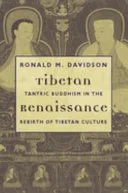
Tibetan Renaissance



📝 Description
 83
83

Ronald M. Davidson's Tibetan Renaissance details the period between 950 and 1200 CE.
This book examines the transformation of Tibetan society from a state of near collapse to a flourishing Buddhist culture. Ronald M. Davidson shows how the translation and dissemination of esoteric Buddhist texts fundamentally altered Tibetan life and established it as a major center of Buddhist thought across Asia. During the period known as the Tibetan Renaissance, monks and yogins engaged in a massive translation effort, bringing numerous Indian Buddhist texts into Tibet. These texts, particularly those related to esoteric Buddhism, became the framework for rebuilding Tibetan religious, cultural, and political structures.
Many of these translators gained significant secular power, sometimes acting as feudal lords. While their adherence to monastic vows varied, these figures were instrumental in consolidating authority within religious institutions. This process laid groundwork for later theocratic developments. Davidson's work also provides detailed depictions of the diverse individuals, including monks, priests, itinerant preachers, yogins, and aristocratic families, who drove these societal and cultural shifts. These portraits highlight the dynamic tensions and significant changes that defined medieval Tibet.
This work situates the development of Tibetan Buddhism within the broader esoteric traditions that flourished across Asia. It focuses on the specific period when Tibetan practitioners actively adopted and adapted Indian Vajrayana materials, not merely as religious doctrine but as tools for societal organization. The book traces how these practices influenced political structures and the rise of religious authority, moving beyond simple hagiography to analyze the social and political implications of esoteric transmission.
⭐ Reader Reviews
Honest opinions from readers who have explored this book.