The Dark Night Of The Soul 1908

 83
83

The Dark Night Of The Soul 1908
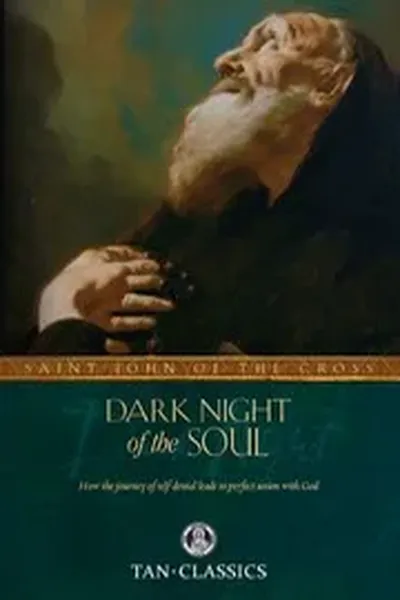
The 1908 edition of Saint John of the Cross's *The Dark Night of the Soul* offers a stark and unflinching account of spiritual progression. Its strength lies in its rigorous, unvarnished depiction of the soul's arduous path toward divine union. The text does not shy away from the spiritual desolation that can accompany this process, presenting it not as a failing, but as a necessary crucible. Benedict Zimmerman's editorial hand, alongside David Lewis's translation, provides a scholarly framework for understanding this intense spiritual journey. A particular point of resonance is the book's exploration of how the soul, stripped of all sensible and spiritual consolations, must learn to 'stand' in the bare presence of God. Its limitation, for the modern reader perhaps, is the dense theological language and the specific context of 16th-century Catholic spirituality, which requires careful contextualization. Nevertheless, the raw honesty of the spiritual struggle it describes remains potent. This edition serves as a vital, accessible portal into one of Christian mysticism's most challenging yet rewarding texts.
📝 Description
83
This 1908 edition presents Saint John of the Cross's seminal 16th-century treatise on mystical theology.
Saint John of the Cross, a Spanish Carmelite friar, wrote *The Dark Night of the Soul* in the late 16th century. This 1908 version offers a specific translation and edition of that work. The book details the spiritual process of purification through suffering and detachment, which the author calls 'the dark night.' This period of trial, he writes, is necessary for the soul to achieve union with God. It involves shedding ego and worldly attachments, and even spiritual consolations, to prepare for divine presence. The text emerged during a time of significant religious and intellectual activity in Europe and is considered a key document in the study of ascetical theology and mystical experience. It was written in conjunction with figures like Teresa of Ávila and within the tradition of Catholic mysticism focused on direct experience of the divine.
This edition is particularly useful for those studying Christian contemplative traditions, Western esotericism, or comparative religion. Its availability in the public domain makes it a valuable resource for academics and independent researchers. The work is foundational for understanding the challenges and transformative power of spiritual development on the path to divine union.
Saint John of the Cross's *The Dark Night of the Soul* is a cornerstone of Christian mysticism, particularly within the Carmelite tradition. It articulates a path of spiritual growth characterized by the soul's experiential encounter with God through periods of aridity and detachment. This emphasis on direct, unmediated divine experience aligns with broader esoteric currents that seek inner transformation and union with ultimate reality, moving beyond purely intellectual or ritualistic forms of spirituality. The book's focus on the transformative power of suffering and emptiness places it within a long lineage of contemplative practices aimed at the dissolution of the self.
💡 Why Read This Book?
• Gain direct insight into the spiritual purification process described by Saint John of the Cross, understanding the 'dark night' as a necessary stage for divine union, a concept central to his writings. • Explore the specific challenges of detachment from sensory and spiritual consolations, as detailed throughout the text, learning how to persevere when spiritual comfort wanes. • Appreciate the historical significance of this 1908 edition, recognizing its role in preserving and disseminating Saint John of the Cross's profound mystical theology from the 16th century.
⭐ Reader Reviews
Honest opinions from readers who have explored this book.
❓ Frequently Asked Questions
What is the 'dark night' according to Saint John of the Cross?
The 'dark night' refers to a period of spiritual desolation and purification where the soul detaches from worldly affections and even spiritual consolations to achieve a deeper union with God.
Who translated and edited the 1908 version of The Dark Night of the Soul?
The 1908 edition features a translation by David Lewis and editorial work by Benedict Zimmerman, making this significant 16th-century text accessible to later generations.
Is The Dark Night of the Soul still relevant today?
Yes, its exploration of spiritual struggle, detachment, and the pursuit of divine union continues to resonate with individuals seeking deeper spiritual experiences across various traditions.
What is the main goal of the spiritual process described in the book?
The ultimate goal is the soul's transformation and profound union with God, achieved through a process of purification that involves letting go of all attachments, even spiritual ones.
Why is this book considered culturally important?
It is recognized for its significant contribution to Christian mysticism and contemplative prayer, serving as a foundational text that has shaped spiritual thought for centuries.
Can I use this text for academic study?
Absolutely. This edition, being in the public domain in the US, is a valuable primary source for scholars of religious history, theology, and esoteric studies.
🔮 Key Themes & Symbolism
The Nocturnal Purification
The core of the work details the soul's journey through 'la noche oscura,' a spiritual purification involving detachment from sensory and spiritual pleasures. This process, though arduous, is presented as essential for divesting the soul of ego and attachment, preparing it for direct experience of the divine. Saint John of the Cross emphasizes that this is not a passive suffering but an active surrender to God’s transformative will.
Union with God
The ultimate aim of the dark night is the soul's complete union with God. This union is depicted not as a mere intellectual understanding but as an intimate, transformative encounter. The text describes the soul moving from a state of longing and emptiness to one of divine indwelling and divine love, a state of perfect alignment with the divine will.
Detachment and Faith
A central tenet is the necessity of detachment from all things, including spiritual consolations that can become subtle attachments. The soul must learn to live by faith, hope, and charity, even when these virtues provide no sensible comfort. This radical detachment is the hallmark of the advanced spiritual life, leading to profound inner peace and stability.
The Role of Suffering
Suffering is not presented as an end in itself but as a purifying agent. The text explores how the trials and desolation experienced during the dark night serve to break down the soul's imperfections and self-will. This embrace of suffering, understood within the context of Christ's Passion, is crucial for spiritual growth and conformity to the divine.
💬 Memorable Quotes
Direct passages from the work, attributed to the author.
“In the union of prayer, God communicates Himself to the soul by a most loving spiritual unction.”
— This highlights the transformative nature of deep prayer, where God's presence is not just felt but actively 'unctions' or anoints the soul, leading to profound spiritual nourishment.
“The soul that is advancing in the way of God must be stripped of the love of all things.”
— This speaks to the radical detachment required for spiritual progress, suggesting that even affection for spiritual experiences can hinder the soul's ultimate surrender to God.
“The dark night is a night of the senses and a night of the spirit.”
— This concise statement differentiates the two phases of purification: the initial stage of detaching from worldly desires, and the deeper stage of detaching from spiritual consolations.
“The soul that is seeking God must not be discouraged by the difficulties it encounters.”
— This offers encouragement to those undergoing spiritual trials, emphasizing perseverance and faith even when the path feels arduous and devoid of comfort.
💡 Key Ideas
Editorial paraphrase of the work's core concepts — not direct quotes.
To arrive at the unimpaired possession of wisdom, you must put yourself in a state of knowledge, that is, you must be in darkness.
This quote expresses the paradox of spiritual growth, where the soul must embrace ignorance and a lack of perceived knowledge to attain true divine wisdom.
🌙 Esoteric Significance
Tradition
While rooted in Catholic mysticism, *The Dark Night of the Soul* significantly informs Western esoteric traditions by providing a framework for understanding spiritual purification and direct divine experience. It aligns with Hermetic principles of transformation through trials and Gnostic emphasis on inner gnosis, albeit through a distinctly Christian lens. Its methodical approach to the soul's journey offers a practical guide for those seeking inner alchemy.
Symbolism
The primary symbol is the 'dark night' itself, representing the soul's journey through unknowing and detachment towards divine illumination. Light and darkness are used paradoxically, where true spiritual light emerges from apparent darkness. Water is also a recurring motif, symbolizing purification and the soul's thirst for God, often depicted as a spring or fountain.
Modern Relevance
Contemporary practitioners of contemplative prayer, mindfulness, and various forms of Western esotericism draw upon John of the Cross's insights. His emphasis on detachment, surrender, and the transformative power of suffering continues to resonate with spiritual seekers exploring inner development, psychological integration, and the pursuit of a deeper connection to the divine or ultimate reality.
👥 Who Should Read This Book
• Students of Christian Mysticism: Those seeking to understand the foundational texts and practices of the Christian contemplative tradition, especially the Carmelite path. • Practitioners of Esoteric Psychology: Individuals interested in the transformative process of the psyche, detachment from egoic structures, and the pursuit of inner union. • Comparative Religion Scholars: Researchers examining the universal themes of spiritual purification, divine longing, and the challenges of spiritual ascent across different religious and philosophical systems.
📜 Historical Context
Saint John of the Cross authored *The Dark Night of the Soul* in the latter half of the 16th century, a period marked by the Counter-Reformation and intense spiritual exploration within Catholicism. He was a key figure in the Carmelite reform movement, alongside Teresa of Ávila, seeking a return to primitive monastic ideals. His writings emerged during a time when mystical theology was flourishing, but also subject to scrutiny by the Inquisition. While figures like Martin Luther were radically altering the field of Christian theology in Northern Europe, John of the Cross offered a profound articulation of the interior life from within the Catholic tradition. His work was not without controversy, and his own life involved imprisonment and persecution. This 1908 edition represents a later scholarly effort to preserve and disseminate his teachings, ensuring his legacy as a pillar of Christian mysticism.
📔 Journal Prompts
The soul's detachment from sensory and spiritual satisfactions: how does this concept challenge your current spiritual practice?
Reflect on the paradox of finding God in the 'darkness' of unknowing.
Consider the concept of 'passive nights' and the soul's surrender to divine action.
The necessity of faith and hope when spiritual consolations cease: explore a personal instance.
Saint John of the Cross's depiction of the 'dark night' as a preparation for union: what does this imply about the nature of divine love?
🗂️ Glossary
Dark Night of the Soul
A spiritual process of purification wherein the soul undergoes detachment from worldly and spiritual consolations to achieve a deeper union with God, often characterized by desolation and emptiness.
Union with God
The ultimate goal of the spiritual life, described as an intimate and transformative communion between the soul and the Divine, characterized by love, peace, and conformity to God's will.
Detachment
The voluntary renunciation of attachment to all things, including spiritual experiences, desires, and affections, as a means of freeing the soul for God.
Spiritual Consolations
Feelings of divine presence, joy, or spiritual warmth experienced during prayer or contemplation, which the soul must eventually detach from to advance.
Faith
The theological virtue of believing in God and what He has revealed, particularly important during the dark night when sensible assurance is absent.
Hope
The theological virtue of expecting God's promises, a vital support for the soul enduring spiritual dryness and desolation.
Charity
The theological virtue of divine love, the ultimate aim of the spiritual journey and the foundation of union with God.
This book appears in 1 collection
🔮 Readers Also Liked
Browse all →









From the “Dark Night of the Soul” Collection
View all →






More Free Occult Philosophy Books
View all →