The Dark Night of the Soul

 71
71

The Dark Night of the Soul
Ingrid Hansen's The Dark Night of the Soul offers a refreshing directness, eschewing academic jargon for raw personal reflection. The strength lies in its unvarnished honesty; the essays feel like eavesdropping on a soul grappling with fundamental questions of existence and purpose. Hansen's insistence on finding God's placement 'now' is particularly striking, a potent antidote to the pervasive 'what if' and 'if only' mentality. However, the book's brevity and essayistic nature mean that some concepts, like the specific 'heartache of God' mentioned, feel introduced rather than fully explored. The lack of explicit detail on the year-long writing process, beyond the mention of one month being dedicated to the 'heartache' essays, leaves one wanting more context on the evolution of her thought. Still, for its immediate, grounded spiritual affirmations, it serves a valuable purpose.
📝 Description
71
Ingrid Hansen's The Dark Night of the Soul, published in April 2012, collects introspective essays on faith and purpose.
First appearing in April 2012, The Dark Night of the Soul is a compilation of short, personal essays by Ingrid Hansen. Written over a year, these pieces reflect Hansen's thoughts on faith, purpose, and living in the present. She presents her writing as a direct expression of her experiences during a period of deep contemplation, rather than a formal study.
This book is for readers who seek spiritual encouragement and practical advice for everyday life. It appeals to those who value devotional writing that focuses on personal development and active, mindful engagement with their surroundings. Readers facing difficulties or looking for a closer spiritual connection may find the accessible essays and relatable perspectives helpful. Hansen encourages readers to embrace the present moment as the main site for spiritual and personal action.
Published in 2012, Hansen's work engages with a long tradition of introspective spiritual writing. While not tied to a specific historical esoteric movement, it echoes themes found in medieval mysticism and modern devotional literature. The emphasis on present-moment awareness and finding purpose in current circumstances connects with broader interests in mindfulness and existential reflection prevalent in contemporary spiritual discourse.
💡 Why Read This Book?
• You will learn to reframe challenges by focusing on present opportunities, a technique honed through Hansen's year-long writing process, as detailed in the book's genesis. • You will feel empowered to actively embrace your current circumstances, drawing inspiration from Hansen's emphasis on 'today' as the seed for all dreams. • You will gain a more intimate understanding of finding spiritual presence in daily life, a core theme explored through the book's introspective essay format.
⭐ Reader Reviews
Honest opinions from readers who have explored this book.
❓ Frequently Asked Questions
When was 'The Dark Night of the Soul' by Ingrid Hansen first published?
The Dark Night of the Soul by Ingrid Hansen was first published on April 27, 2012, marking its initial release into the public sphere.
What is the primary message of Ingrid Hansen's 'The Dark Night of the Soul'?
The book's central message is to embrace the present moment and actively engage with the opportunities God has provided, rather than dwelling on what is lacking.
What kind of writing style can I expect from 'The Dark Night of the Soul'?
You can expect a direct, introspective, and personal writing style. The essays are short and written from the author's direct experience and reflection.
How long did it take Ingrid Hansen to write 'The Dark Night of the Soul'?
Ingrid Hansen wrote the essays over the course of a year, with a specific period of one month dedicated to the essays titled 'The heartache of God until the end'.
Is 'The Dark Night of the Soul' a theological text or a personal reflection?
It is primarily a collection of personal reflections and short essays, offering spiritual encouragement and practical perspectives on faith and daily living, rather than a formal theological argument.
Who is the author, Ingrid Hansen?
Ingrid Hansen is the author of 'The Dark Night of the Soul,' a collection of introspective essays first published in 2012.
🔮 Key Themes & Symbolism
Embracing the Present Moment
Hansen's core thesis revolves around the transformative power of fully inhabiting the 'now.' She posits that dwelling on past regrets or future anxieties distracts from the immediate spiritual and practical work at hand. The book emphasizes that 'today' is not merely a stepping stone but the fertile ground where purpose is cultivated and dreams are realized. This concept is explored through short, impactful essays that encourage an active, conscious engagement with one's current reality and divine placement.
Divine Placement and Purpose
A significant theme is the idea that individuals are placed in their current circumstances by a divine will. Hansen argues against questioning this placement and instead advocates for understanding and fulfilling the purpose within it. This perspective encourages a surrender to a higher plan while simultaneously promoting proactive engagement with one's immediate responsibilities and opportunities. The essays suggest that recognizing this divine arrangement is key to unlocking personal growth and spiritual fulfillment.
Action Over Aspiration
The work champions a philosophy of action rooted in the present, contrasting it with passive dreaming or longing. Hansen encourages readers to shift their focus from what they lack or have not done to what they can do 'now.' This active stance is presented as the fuel for all aspirations, suggesting that true progress and fulfillment are achieved through diligent engagement with the present moment and its inherent possibilities, rather than through mere wishful thinking.
The Heartache of God
While not fully elaborated in the original blurb, the mention of essays dedicated to 'The heartache of God' suggests a deep dive into divine sorrow or suffering as perceived by the author. This theme likely explores the divine empathy with human struggle or perhaps a reflection on the pain inherent in the spiritual path itself. It points to a more complex emotional and spiritual landscape within Hansen's reflections, moving beyond simple affirmations to acknowledge deeper, perhaps melancholic, spiritual truths.
💬 Memorable Quotes
Direct passages from the work, attributed to the author.
“I am thinking about where God has placed me now.”
— This powerful statement expresses Hansen's core message of acceptance and active engagement with one's current circumstances, urging a shift from discontent to purposeful action within divine design.
“The essay 'The heartache of God until the end were written in a month.'”
— This refers to a specific period and focus within the book's creation, indicating a concentrated effort to explore a profound, potentially sorrowful, aspect of the divine or spiritual path.
💡 Key Ideas
Editorial paraphrase of the work's core concepts — not direct quotes.
Today must be fully loved and embraced for it is the seed, promise and fuel of every dream!
This quote highlights the central theme that present action and love are the essential foundations for future aspirations, framing the current moment as the crucial incubator for all potential.
I am not thinking about the opportunities I do have.
This is a paraphrased concept reflecting Hansen's emphasis on recognizing and seizing present opportunities, rather than lamenting missed chances or future uncertainties.
I am thinking about what I can do.
This quote emphasizes a proactive, empowered mindset, focusing on agency and capability within the present moment as the path to fulfillment and progress.
🌙 Esoteric Significance
Tradition
While not explicitly aligned with a single esoteric tradition, Hansen's work appeals to the contemplative and mystical branches of Western spirituality. It carries the Gnostic emphasis on inner knowledge and divine presence within the self, and shares with Christian mysticism a focus on direct personal experience of the divine. The book departs from more ritualistic or dogmatic traditions by centering entirely on the individual's internal reflection and immediate engagement with life's circumstances as the primary spiritual practice.
Symbolism
The central symbolic motif is 'today' itself, elevated from a mere temporal marker to a sacred space of divine encounter and personal action. 'God' functions not as a distant deity but as an immanent presence, a guiding force that 'places' individuals. The contrast between 'dreams I don't have' and 'opportunities I do have' symbolizes the esoteric principle of manifesting reality through present-moment focus versus passive longing, a concept found in various hermetic and occult philosophies.
Modern Relevance
Hansen's emphasis on present-moment awareness and finding purpose in the everyday is highly relevant to contemporary mindfulness movements and positive psychology. Thinkers and practitioners in fields ranging from secular meditation to spiritual coaching often draw upon similar concepts of intentional living and active engagement with one's reality. The book's accessible, personal tone makes it a touchstone for individuals seeking practical spiritual guidance outside of more complex or dogmatic systems.
👥 Who Should Read This Book
• Individuals seeking practical spiritual encouragement: Those looking for direct, relatable guidance on finding purpose and faith in their daily lives will appreciate Hansen's grounded approach. • Explorers of contemplative traditions: Readers interested in personal spiritual growth and introspective practices, similar to those found in Christian mysticism or modern mindfulness, will find resonance. • Seekers of present-moment focus: Anyone wanting to shift from dwelling on the past or future to actively engaging with and finding meaning in their current circumstances.
📜 Historical Context
Ingrid Hansen's The Dark Night of the Soul, published in 2012, emerged in an era where personal spirituality and self-help continued to thrive, often blending secular mindfulness techniques with traditional religious or metaphysical concepts. While not directly tied to a specific historical esoteric school like Hermeticism or Theosophy, Hansen’s work taps into the enduring literary tradition of devotional writing and introspective spiritual guidance, a lineage stretching back to figures like Thomas à Kempis and Julian of Norwich. The book's focus on present-moment awareness and finding purpose in daily life aligns with broader cultural currents of the early 21st century, which saw increased interest in mindfulness practices and existential reflection. Unlike the more structured occult systems that gained traction in the late 19th and early 20th centuries, Hansen’s approach is highly personal and essayistic, offering accessible reflections rather than arcane teachings. The work's reception was primarily within independent publishing circles, reflecting a growing demand for authentic spiritual voices outside established religious or academic institutions.
📔 Journal Prompts
The opportunities I do have: identifying and embracing them.
My current placement: understanding its divine significance.
The seed of today: cultivating future dreams through present action.
The heartache of God: reflecting on divine empathy and spiritual struggle.
What I can do now: listing actionable steps for immediate engagement.
🗂️ Glossary
The Dark Night of the Soul
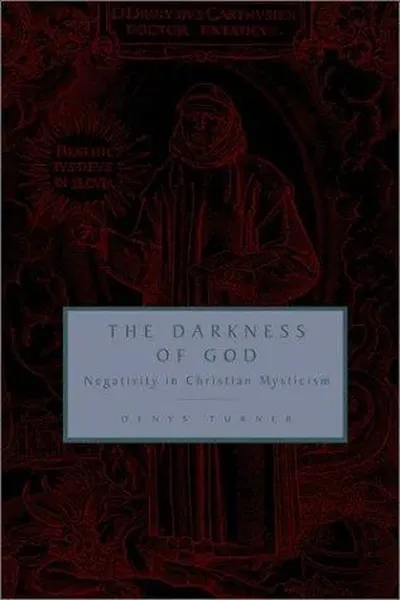
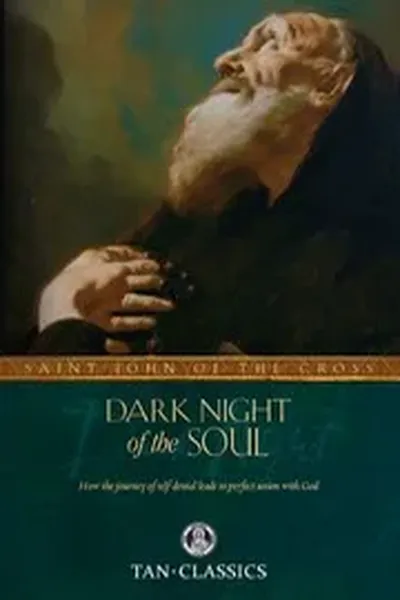
A term popularized by St. John of the Cross, referring to a period of spiritual desolation and purification. In Hansen's work, it takes on a more personal, less formally theological meaning related to intense introspection.
Embraced
In Hansen's context, this refers to actively accepting, loving, and engaging with the present moment and one's circumstances, rather than passively enduring them.
Seed
Metaphorically represents the present moment or current actions, from which future growth, dreams, and possibilities emerge and are cultivated.
Promise
Refers to the potential inherent in the present moment and in one's current actions, suggesting that 'today' holds the blueprint for future fulfillment.
Fuel
Describes the essential energy or driving force provided by fully engaging with the present 'today,' enabling the realization of dreams and aspirations.
Divine Placement
The concept that an individual's current life circumstances and location are divinely ordained, serving a specific purpose for their spiritual growth.
Heartache of God
A specific concept explored in Hansen's essays, likely referring to divine sorrow, empathy with human suffering, or the inherent difficulties within the spiritual journey.
This book appears in 1 collection
🔮 Readers Also Liked
Browse all →









From the “Dark Night of the Soul” Collection
View all →







More Free Sacred Texts & Gnosticism Books
View all →