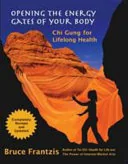
Opening the Energy Gates of Your Body
 72
72

Opening the Energy Gates of Your Body
Frantzis’s "Opening the Energy Gates of Your Body" offers a refreshingly direct approach to the often-obscured world of chi kung. Unlike many texts that rely on mythic language, this book is grounded in anatomical and energetic mechanics, providing clear instructions and illustrative diagrams. Its strength lies in its systematic breakdown of foundational practices, particularly the "opening the gates" exercises, which are detailed enough to be followed without immediate access to a teacher. A notable limitation, however, is the occasional dense prose that can, at times, obscure the very simplicity the author aims for. The section detailing the "Dragon and Tiger" movements, while conceptually sound, could benefit from more dynamic visual cues for readers less familiar with kinetic sequencing. Still, for those seeking a practical, no-nonsense guide to cultivating internal energy, it provides a robust framework.
This book serves as a solid manual for diligent practitioners.
📝 Description
72
Bruce Kumar Frantzis's 2006 book presents a practical system for cultivating internal energy, commonly called chi or prana.
This book details a structured, step-by-step method for developing physical and energetic vitality. It moves beyond theory to provide exercises that build awareness and control over the body's subtle energy flows. The approach is accessible to newcomers to energy work but also offers depth for those already familiar with qigong or similar practices.
It is for individuals seeking concrete ways to improve physical health, reduce stress, and increase their life force. Athletes interested in mind-body integration, those wanting to maintain vigor as they age, and anyone feeling the strain of modern life will find useful applications. The book suits those who prefer direct experience with spiritual principles over abstract thought.
The book draws from the Taoist internal arts tradition, with practices rooted in ancient China. Frantzis bases his work on Taoist nei kung, a systematic method for building internal power and health. Its publication in 2006 coincided with a rise in Western interest in Eastern mind-body disciplines, following earlier popularizers of Taoist techniques.
💡 Why Read This Book?
• You will learn specific, illustrated techniques for "opening the energy gates," a core concept from Taoist nei kung, enabling you to directly influence your body's vital energy flow as detailed in Frantzis's foundational exercises. • Gain practical methods for cultivating and circulating chi, presented with clear anatomical and energetic principles that move beyond abstract notions, directly addressing stress and aging as described in the book's 2006 publication context. • Discover how to develop a stable energetic container through postures like "standing like a tree," a method rooted in ancient Taoist practice, to enhance physical health and sports performance as Frantzis outlines.
⭐ Reader Reviews
Honest opinions from readers who have explored this book.
❓ Frequently Asked Questions
What is the primary goal of the "energy gates" mentioned in the book?
The primary goal is to systematically unlock and activate specific points and pathways within the body. This facilitates the unimpeded flow of vital energy (chi or prana), leading to improved health, vitality, and stress reduction as explained in the book's foundational exercises.
Is "Opening the Energy Gates of Your Body" suitable for complete beginners in qigong?
Yes, the book is specifically designed for beginners. Bruce Kumar Frantzis provides detailed, step-by-step instructions and illustrations for fundamental exercises, making the principles of chi kung accessible without prior experience.
What are some of the foundational postures taught in the book?
The book teaches foundational postures such as "sitting like a turtle" and "standing like a tree." These are presented as crucial for creating a stable energetic foundation and preparing the body for more advanced energy work.
How does the book address stress and aging?
It addresses stress and aging by providing exercises that increase life energy and improve the body's resilience. By cultivating and circulating chi, practitioners can combat the negative effects of stress and the natural decline associated with aging, as detailed in the publisher's blurb.
What is the origin of the practices described by Bruce Kumar Frantzis?
The practices described are rooted in the ancient Taoist tradition of nei kung, a systematic approach to developing internal power and health. Frantzis draws upon thousands of years of Chinese energetic cultivation methods.
Can these exercises improve athletic performance?
Yes, the book suggests that by increasing life energy and improving mind-body connection through these exercises, athletes can boost their performance. The enhanced flow of chi can lead to greater power, stamina, and focus.
🔮 Key Themes & Symbolism
Cultivating Vital Energy (Chi)
The central theme is the practical cultivation and circulation of vital energy, or chi. Frantzis moves beyond mere theory, offering actionable methods derived from Taoist nei kung. He explains how to "charge" the body's energy system and dissolve energetic blockages, emphasizing that this is an experiential path. The book details how consistent practice leads to tangible increases in life force, impacting everything from physical health to mental clarity, a core tenet of traditional Chinese energetic arts.
The Body as an Energetic System
Frantzis frames the body not just as a biological machine but as a sophisticated energetic system with specific 'gates' and pathways. The work elucidates how these energetic channels, when properly opened and maintained, are crucial for overall well-being. Understanding and interacting with this system is presented as fundamental to health, stress management, and longevity, reflecting a holistic view prevalent in many ancient esoteric traditions.
Foundational Postures and Movement
Specific postures, like "standing like a tree" and "sitting like a turtle," are presented as foundational. These aren't just static poses but methods for establishing an energetic container and fostering internal awareness. The book details how controlled movement, breath, and intention work in concert to move and develop chi, providing a structured program for practitioners to build strength and energetic integrity from the ground up.
Combating Stress and Aging
A significant aspect of the book is its application towards mitigating the effects of modern stress and the natural aging process. By enhancing the body's energetic resources and promoting a smoother flow of chi, Frantzis suggests practitioners can build resilience, maintain vigor, and slow down age-related decline. This practical focus makes the esoteric principles of energy work directly relevant to everyday health concerns.
💬 Memorable Quotes
Direct passages from the work, attributed to the author.
“The fundamental principles of chi gung are explained.”
— This statement highlights the book's intent to make complex energetic practices accessible. It suggests a departure from overly obscure or dogmatic presentations, aiming for clarity and practicality in explaining foundational chi kung concepts.
“Increase life energy, improve health, boost sports performance, and combat stress and aging.”
— This expresses the primary benefits advertised for practicing the techniques presented. It positions the book as a practical guide for holistic self-improvement, addressing physical, mental, and preventative health concerns through energy cultivation.
“Detailed illustrations to increase life energy.”
— This emphasizes the visual component of the book. The inclusion of detailed illustrations is presented as a key feature, ensuring that practitioners can accurately follow the physical movements and energetic principles required to cultivate life energy.
“A comprehensive exercise program.”
— This suggests that the book offers more than isolated techniques. It provides a structured, complete system of exercises designed to systematically develop the practitioner's energetic capabilities over time, supporting sustained progress.
“Open the energy gates of your body.”
— This is the core directive and metaphor of the book. It refers to specific practices aimed at unlocking crucial energetic junctures within the body, facilitating the free flow of vital force for enhanced well-being.
🌙 Esoteric Significance
Tradition
The work is firmly rooted in the Taoist tradition, specifically drawing from the lineage of nei kung (internal alchemy/energy cultivation). It represents a modern transmission of ancient Chinese practices focused on developing the body's internal energetic systems for health, longevity, and spiritual development. Frantzis's approach, while adhering to core Taoist principles, often emphasizes a direct, pragmatic, and almost scientific breakdown of these energetic mechanisms, making it accessible to those outside traditional Eastern cultural contexts.
Symbolism
A key symbolic concept is the "energy gates" themselves – metaphorical and energetic points along the body's meridians, akin to acupuncture points but understood as conduits for larger flows of chi. The postures, such as "standing like a tree" (Zhan Zhuang) and "sitting like a turtle," are symbolic of stability and rootedness, representing the foundational energetic states required for cultivating internal power. The dynamic movements, like those found in the "Dragon and Tiger" set, symbolize the flow and transformation of energy within the body.
Modern Relevance
Contemporary practitioners of somatic therapies, Qigong instructors seeking deeper theoretical and practical frameworks, and those in fields like sports science exploring mind-body integration often reference Frantzis's work. His systematic approach to energy cultivation finds echoes in modern somatic experiencing and bioenergetic analysis, appealing to those who seek empirically verifiable results from esoteric practices. Schools focusing on Taoist internal arts continue to utilize his foundational texts.
👥 Who Should Read This Book
• Individuals seeking a practical, step-by-step guide to cultivating vital energy (chi) from a Taoist perspective, moving beyond abstract concepts to actionable exercises. • Athletes and fitness enthusiasts interested in enhancing physical performance, recovery, and mind-body connection through internal energy development techniques. • Anyone concerned with the effects of stress and aging who desires concrete methods to increase vitality, resilience, and overall well-being using principles rooted in ancient Chinese practices.
📜 Historical Context
Published in 2006, "Opening the Energy Gates of Your Body" arrived during a period of significant Western engagement with Eastern contemplative and energetic practices. Bruce Kumar Frantzis’s work draws directly from the Taoist tradition of nei kung, a lineage with roots stretching back thousands of years. This era saw numerous authors, such as Mantak Chia, popularizing similar internal alchemy and energy cultivation techniques for a global audience. Frantzis's approach distinguishes itself by its systematic, almost mechanistic, breakdown of these ancient arts, aiming for a level of clarity and accessibility that could appeal to Western sensibilities, often wary of purely spiritual or mystical claims without tangible results. The book positioned itself within this growing market for practical mind-body disciplines, offering a structured alternative to more esoteric or less defined methods. Its emphasis on concrete exercises and observable effects provided a bridge for individuals interested in the pragmatic benefits of energy work.
📔 Journal Prompts
Reflect on the "energy gates" as described in the text and their potential for opening.
Consider the "standing like a tree" posture and its energetic implications for your body.
How does the concept of dissolving blockages apply to your current stress levels?
Analyze the "Dragon and Tiger" movements in relation to your own kinetic awareness.
Evaluate the "comprehensive exercise program" for its potential to combat aging effects.
🗂️ Glossary
Chi Gung (Qigong)
An ancient Chinese practice involving coordinated body posture and movement, breathing, and meditation used for health, spirituality, and martial arts training. It aims to cultivate and balance the body's vital energy, or chi.
Nei Kung
A Taoist practice focused on cultivating internal energy, strength, and awareness. Often translated as 'internal work' or 'internal skill,' it is a systematic approach to developing the body's energetic system.
Energy Gates
Specific points or areas within the body, as described by Frantzis, that act as portals for the flow of vital energy (chi). Opening these gates is crucial for unimpeded energetic circulation.
Chi (Qi)
The fundamental vital life force or energy believed to flow through all living things in traditional Chinese culture and medicine. It is central to practices like Qigong and Tai Chi.
Standing Like a Tree (Zhan Zhuang)
A foundational Qigong posture involving standing in a specific stance, often with knees bent and arms raised, to cultivate internal energy, stability, and rootedness.
Dissolving Blockages
A process within energy work aimed at releasing stagnant or obstructed chi within the body's energetic pathways, thereby restoring free flow and improving health.
Prana
A Sanskrit term referring to the vital life force or energy that is believed to permeate the universe, particularly in yogic and Hindu traditions. It is conceptually similar to the Chinese concept of chi.
This book appears in 1 collection
🔮 Readers Also Liked
Browse all →









From the “Qi Gong” Collection
View all →







More Free Occult Philosophy Books
View all →