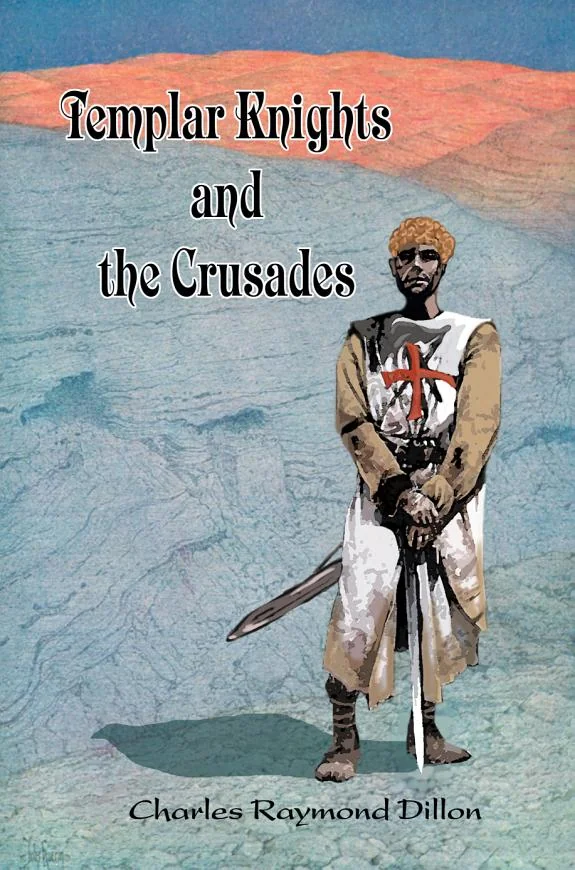
Templar Knights and the Crusades
 82
82

Templar Knights and the Crusades
Charles Dillon's "Templar Knights and the Crusades" offers a straightforward account of the order's martial and devotional journey. The work excels in detailing the practicalities of the Templars' early existence, particularly their reliance on alms and their initial nine-member structure. Dillon effectively portrays the transition from humble escorts to a powerful military force engaged in the sieges of the Holy Land. A notable strength lies in its unvarnished depiction of the harsh realities of the Crusades. However, the book's exploration of the more esoteric aspects, while present, feels somewhat underdeveloped, lacking the depth found in specialized occult studies. The section discussing their role in defending strongholds, while informative, could benefit from more vivid tactical descriptions. Ultimately, Dillon provides a solid historical foundation for understanding the Templars' rise and their military endeavors.
📝 Description
82
Charles Dillon's 2005 book examines the Knights Templar's military and esoteric history.
Charles Dillon's "Templar Knights and the Crusades" begins with the order's humble beginnings in 1119 as a small group of nine knights. Their initial mission was to protect Christian pilgrims traveling to the Holy Land, a task they funded through donations. The book details their growth into a powerful military order, officially known as the "Order of the Poor Knights of Christ and the Temple of Solomon," which played a significant role in the medieval Crusades.
Dillon chronicles the Templars' active involvement in the Crusades, detailing their battles and sieges for control of key territories like Jerusalem. He highlights their unique position as both religious devotees and frontline combatants. The author places the Templars within the larger context of the Crusades, discussing the religious and geopolitical reasons behind these campaigns and how the Templars influenced their outcomes. The book also addresses the esoteric interpretations and mysteries that have surrounded the Templars, considering their alleged links to hidden knowledge and secret societies, and how these legends affect modern views of the order.
This book engages with the enduring mystique surrounding the Knights Templar, a subject that has long occupied esoteric traditions. While detailing their documented military and financial history, Dillon also touches upon the speculative avenues concerning their alleged possession of hidden knowledge or their connection to secret societies. These interpretations, often stemming from post-Templar lore, have become a significant part of the order's legacy, influencing modern occult and secret society studies. The book acknowledges these layers of meaning that extend beyond the historical record, placing it within a broader fascination with concealed histories and mystical lineages.
💡 Why Read This Book?
• Gain a foundational understanding of the Knights Templar's transformation from nine pilgrim escorts to a prominent military order, as detailed in their initial reliance on alms. • Appreciate the specific military context of the Crusades, including the sieges and battles for control of Jerusalem, as described in the book's account of their campaigns. • Explore the early historical development of the "Order of the Poor Knights of Christ and the Temple of Solomon," understanding its foundational purpose before its extensive military involvement.
⭐ Reader Reviews
Honest opinions from readers who have explored this book.
❓ Frequently Asked Questions
What was the initial purpose of the Knights Templar?
The Knights Templar initially formed as a nine-man group dedicated to protecting Christian pilgrims traveling to the Holy Land. Their early sustenance came entirely from the alms and donations provided by these pilgrims.
When was "Templar Knights and the Crusades" first published?
The book "Templar Knights and the Crusades" by Charles Dillon was first published in April 2005.
How did the Templars fund their operations?
In their early stages, the Templars relied heavily on alms and donations from pilgrims they escorted. As their influence grew, they developed other sources of revenue and amassed considerable wealth.
What role did the Templars play in the Crusades?
During the Crusades, the Templars evolved into warrior monks who actively participated in battles and sieges. They were instrumental in defending key sites like Jerusalem and other strongholds in the Holy Land.
What is the "Order of the Poor Knights of Christ and the Temple of Solomon"?
This is the formal name adopted by the Knights Templar as they grew from their initial small group into a more established and influential order during the medieval period.
Did the Templars only fight Muslims during the Crusades?
While their primary engagement in the Holy Land was against Muslim forces for control of sacred sites, the Templars' activities were part of broader Crusades involving various conflicts and political dynamics.
🔮 Key Themes & Symbolism
From Alms to Arms
This theme charts the remarkable transformation of the Knights Templar from their humble beginnings. Initially a small group of nine noblemen subsisting on pilgrim alms, they rapidly evolved into a powerful military order. The work details how their dedication to protecting travelers in the Holy Land paved the way for their military prowess and eventual influence on the Crusades, fundamentally altering their operational scope and economic basis.
Guardians of the Holy Land
The book focuses on the Templars' critical role in the Crusades, particularly their commitment to defending sacred sites. It highlights their involvement in intense military campaigns, including sieges and battles aimed at securing control over Jerusalem and other religiously significant locations. This theme underscores their dual identity as devout monks and formidable warriors engaged in the struggle for Christendom's foothold in the East.
The Warrior Monk Ideal
Central to the narrative is the concept of the warrior monk, embodied by the Templars. The work explores the synthesis of monastic vows and military duty, a spiritual and physical discipline that defined the order. It examines how this combination of asceticism and combat capability allowed them to become a significant force, working through the brutal realities of medieval warfare while adhering to religious precepts.
Mysteries and Legends
Beyond the documented history, the book touches upon the enduring mystique surrounding the Knights Templar. It acknowledges the legends and speculative theories that have emerged over centuries, often linking the order to hidden knowledge, esoteric practices, and secret societies. This theme invites consideration of how the Templars' historical actions have fueled later occult and conspiratorial interpretations.
💬 Memorable Quotes
Direct passages from the work, attributed to the author.
“The Knights Templars began as a nine-man team of well-intentioned noblemen who became warrior monks.”
— This foundational statement highlights the order's modest origins and its radical transformation into a formidable religious-military institution, emphasizing the surprising shift from piety to martial engagement.
“For sustenance, they relied on alms from the pilgrims.”
— This detail underscores the early financial precariousness and devotional focus of the Templars, illustrating their initial dependence on the very people they were sworn to protect.
“Follow the monk warriors as they became a multitude, the Order of the Poor Knights of Christ and the Temple of Solomon...”
— This captures the dramatic growth and formalization of the Templar order, signifying their transition from a small fraternity to a large, officially recognized institution with a specific, powerful identity.
“...and went on the Crusades to battle the Moslems for the hold sites of Jerusalem and the Holy Land.”
— This directly states the primary objective and context of the Templars' military actions, framing their involvement in the Crusades as a direct struggle for control of religiously significant territories.
“See them battle the Moslems as they lay siege to strongholds and c”
— This phrase points to the book's focus on the active, often violent, military engagements of the Templars, emphasizing their role in tactical operations like sieges against enemy fortifications.
🌙 Esoteric Significance
Tradition
The work itself is primarily historical, but it touches upon the Templars, a subject deeply embedded in Western esoteric traditions. These traditions, including Hermeticism and Gnosticism, often reinterpret the Templars not just as military monks but as guardians of secret knowledge or initiatory lineages. Dillon's book provides the historical bedrock upon which many esoteric interpretations are built, offering a contrast between the documented martial history and the speculative mystical claims that surround the order.
Symbolism
While Dillon's focus is historical, the Templars themselves are rich with symbolism. The Cross, particularly the red cross on their habit, signifies martyrdom and Christian devotion. The Temple of Solomon, from which they derive their name, is a potent symbol of sacred geometry, hidden wisdom, and divine presence, often interpreted esoterically as a blueprint for spiritual construction. The Baphomet imagery, though historically debated and often attributed later, represents a complex, sometimes alchemical or dualistic, divine entity within certain occult circles.
Modern Relevance
Contemporary esoteric practitioners and groups, particularly within Freemasonry and various Rosicrucian orders, continue to draw inspiration from the Templar legend. The idea of the Templars as keepers of ancient secrets or as a model for chivalric and spiritual ideals persists. Thinkers exploring Templar history for hidden meanings often reference their perceived connection to the Knights Templar, seeking to understand their alleged role in preserving esoteric knowledge through the medieval period.
👥 Who Should Read This Book
• Students of medieval history and military orders seeking a factual overview of the Knights Templar's formation and role in the Crusades. • Enthusiasts of the Holy Land's historical and religious significance, interested in the military campaigns for its control. • Readers curious about the origins of the "Order of the Poor Knights of Christ and the Temple of Solomon" and their initial purpose as pilgrim escorts.
📜 Historical Context
Charles Dillon's "Templar Knights and the Crusades" emerged in 2005, a period where interest in medieval military orders remained high, fueled by both academic scholarship and popular culture. The work is situated within a long tradition of historical writing on the Crusades, dating back to figures like Joseph-François Michaud in the 19th century, who also chronicled the military and religious fervor of the era. Dillon's book engages with the established narrative of the Crusades, a series of campaigns initiated by Pope Urban II in 1095 to reclaim the Holy Land. While not explicitly engaging with competing esoteric schools of thought within the text itself, the subject matter—the Templars—has long been a fertile ground for occult interpretations, often contrasting with purely historical accounts. The book's reception is not marked by specific censorship or major controversy, aligning with a broader academic interest in the factual underpinnings of the Templar legend.
📔 Journal Prompts
The initial nine-man team's reliance on alms.
The transformation into the "Order of the Poor Knights of Christ and the Temple of Solomon."
The Templars' role in sieges for Jerusalem.
The warrior monk ideal as presented in the text.
The historical context of the Crusades and its impact.
🗂️ Glossary
Knights Templar
A medieval Catholic military order, officially known as the Poor Fellow-Soldiers of Christ and of the Temple of Solomon. They were among the most famous Christian military orders.
Crusades
A series of religious wars sanctioned by the Latin Church in the medieval period, primarily aimed at recovering the Holy Land from Muslim rule.
Pilgrims
Individuals who undertake a religious journey, often to a sacred place. In this context, Christian pilgrims traveling to the Holy Land.
Alms
Money or food given to the poor and needy, especially as an act of religious charity. The Templars initially depended on these donations.
Holy Land
The region of Palestine considered sacred by Jews, Christians, and Muslims. Its control was a primary objective of the Crusades.
Siege
A military operation in which enemy forces surround a town or building, attempting to capture it by assault or by starvation.
Warrior Monks
Religious individuals who also participate in combat. The Knights Templar are a prime example, blending monastic vows with military service.
This book appears in 1 collection
🔮 Readers Also Liked
Browse all →







From the “Templar Knights” Collection
View all →




![EBOOK COLLECTION ( PART 8) [ CSI][h 33t]](/img/thumb/ebook-collection-part-8-csi-h-33t.webp)
More Free Esoteric History & Biography Books
View all →