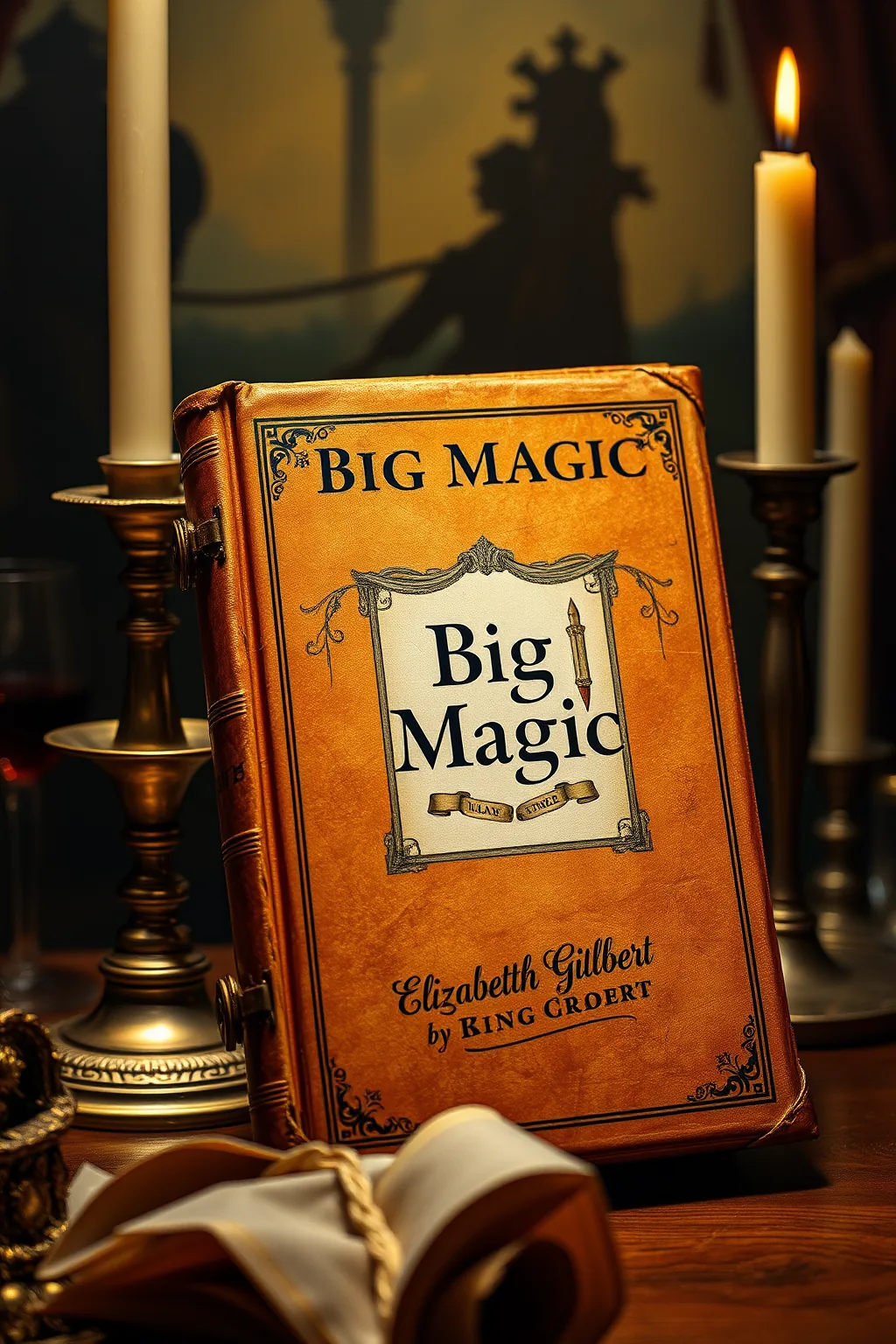
Modern Vampirism: Its Dangers and How to Avoid Them

 80
80

Modern Vampirism: Its Dangers and How to Avoid Them
A. Osborne Eaves's "Modern Vampirism" presents a peculiar, almost unnerving, perspective on psychic predation that distinguishes itself from typical occult fare. The author's assertion that vampirism extends beyond the physical to a 'mental' or energetic drain is both its most intriguing and potentially weakest point. While the exploration of astral bodies and psychic shielding offers practical advice for the occult practitioner, the book's foundational premise feels more like speculative fiction than established esoteric doctrine. The strength lies in its earnest, if bizarre, attempt to codify defenses against unseen psychic attack, drawing parallels between folkloric vampirism and contemporary anxieties about energetic depletion. However, the lack of verifiable biographical information on Eaves and the somewhat disjointed presentation, mixing poetic interludes with direct instruction, can make it difficult to ascertain the author's true authority. It is a curious artifact of early 20th-century occultism, offering a unique lens on psychic defense.
📝 Description
80
A. Osborne Eaves's 1920s text, Modern Vampirism, defines psychic drain as a distinct threat.
Published in the early 20th century, A. Osborne Eaves's "Modern Vampirism: Its Dangers and How to Avoid Them" approaches the concept of vampirism as an energetic and psychic drain, rather than solely a folkloric or literal one. Eaves distinguishes between the traditional blood-drinking vampire and what he terms 'mental vampirism.' This latter form involves individuals feeding on the vital energies of others through manipulation and psychic means.
The booklet details methods of psychic defense against these energetic predators. Eaves discusses practices related to astral projection and mental influence, framing them within an occult philosophical context. This work is aimed at those interested in esoteric subjects, particularly those focusing on psychic self-preservation and the less conventional aspects of occult thought. Readers seeking practical advice on energetic boundaries, even when presented through an unusual historical lens, will find this text of interest.
Eaves's work emerged during a period of heightened interest in spiritualism and esoteric psychology in the late Victorian and Edwardian eras. This milieu saw many texts investigating psychic phenomena and spiritual protection. While echoing themes found in contemporaries like Helena Blavatsky and Arthur Edward Waite, Eaves's specific focus on 'mental vampirism' as an actionable threat offered a distinct perspective within this speculative occult tradition.
💡 Why Read This Book?
• Gain practical techniques for psychic shielding, as outlined in Eaves’s specific methods for defending your energetic field against 'mental vampirism,' a concept distinct from traditional blood-drinking lore. • Understand the early 20th-century occult perspective on astral bodies and psychic interaction, examining how Eaves conceptualized these phenomena during a period of burgeoning spiritualist interest. • Explore the unique distinction between 'sanguinarianism' and 'mental vampirism' as presented in the text, offering a novel interpretation of energetic vampirism within occult philosophy.
⭐ Reader Reviews
Honest opinions from readers who have explored this book.
❓ Frequently Asked Questions
What is 'mental vampirism' according to A. Osborne Eaves?
A. Osborne Eaves describes 'mental vampirism' as a form of psychic or energetic predation where an individual drains the vital or mental energy of another without physical contact, distinguishing it from literal blood-drinking (sanguinarianism).
When was 'Modern Vampirism: Its Dangers and How to Avoid Them' first published?
The book was first published on March 10, 2019, though its content originates from the early 20th century, reflecting the period's esoteric thought.
Does this book offer practical advice for self-defense?
Yes, the book purports to offer methods for 'psychic shielding' and energetic self-preservation against various forms of psychic attack and energetic drain.
Who was A. Osborne Eaves?
Little is known about A. Osborne Eaves. The author remains an enigmatic figure, with no other known works or biographical details available, adding to the mystery of this text.
Is 'Modern Vampirism' about literal vampires?
While it references traditional vampirism (sanguinarianism), the primary focus is on 'mental vampirism,' an energetic or psychic drain, explored through occult and philosophical concepts rather than literal folklore.
What historical period does this book reflect?
The book reflects the esoteric and occult interests prevalent in the early 20th century, a time when spiritualism, psychic phenomena, and the exploration of the astral plane were popular subjects.
🔮 Key Themes & Symbolism
Psychic Vampirism
The core theme is the concept of 'mental vampirism,' presented not as a folkloric tale but as a tangible psychic phenomenon. Eaves details how individuals can drain others' vital energies, affecting their mental and emotional well-being. This exploration extends beyond mere energetic depletion, touching on the psychological impact and the subtle ways such parasitic relationships can manifest in daily life, demanding awareness and defense.
Astral Projection and Influence
The work explores the nature of the astral body and its role in inter-personal psychic interactions. Eaves posits that the astral plane is a medium through which psychic influence and vampiric energies can be transmitted. Understanding the astral body becomes crucial for recognizing and combating these subtle forms of attack, offering a framework for comprehending non-physical interactions and defenses.
Energetic Self-Defense
A significant focus is placed on 'psychic shielding' and the practical methods for safeguarding one's energetic and mental integrity. Eaves outlines techniques intended to fortify the individual against psychic intrusion and energy siphoning. This theme underscores the book's practical application within esoteric practice, aiming to equip readers with the tools to maintain their spiritual and psychological autonomy.
Occult Philosophy and Literature
This booklet represents a curious intersection of occult philosophy and early 20th-century esoteric thought. It engages with concepts like the vital force and psychic attack, placing it within the broader context of contemporary spiritualist and occult literature. The work's mix of prose and poetry also reflects a stylistic approach common in certain esoteric writings of the era.
💬 Memorable Quotes
Direct passages from the work, attributed to the author.
“Vampirism is not a thing of the night alone, but a constant peril of the day, a drain upon the soul.”
— This interpretation highlights Eaves's central thesis: that vampirism is not confined to folklore or literal blood-drinking, but extends to a pervasive psychic and energetic drain that affects individuals daily.
“The astral body, a phantom twin, can be both a shield and a vulnerability.”
— This statement emphasizes the dual nature of the astral body as described by Eaves. It can serve as a point of psychic vulnerability to attack, but also, when understood and controlled, as a means of defense.
“To shield the mind is to deny the parasite its sustenance.”
— This concisely captures the practical advice offered regarding psychic defense. By strengthening mental and energetic barriers, one can prevent 'mental vampires' from feeding on their vital force.
“Poetry and prose alike may illuminate the shadow-play of psychic interaction.”
— This suggests Eaves's approach to explaining complex esoteric concepts. The author uses both narrative and lyrical forms to explore the often-unseen dynamics of psychic influence and vampirism.
“The true vampire feeds not on blood, but on will and spirit.”
— This interpretation focuses on the core distinction Eaves makes between physical and psychic vampirism, asserting that the most insidious form attacks the very essence of a person's being.
🌙 Esoteric Significance
Tradition
This work appears to draw from the broader currents of Western Esotericism prevalent in the late 19th and early 20th centuries, particularly Theosophical and Hermetic ideas concerning subtle bodies and psychic energies. It doesn't adhere strictly to a single lineage but synthesizes concepts of astral projection and energetic interaction, framing them within a practical, almost self-help oriented occult context focused on defense against psychic predation.
Symbolism
The central symbol is the 'vampire,' reinterpreted not just as a folkloric creature but as a symbol for psychic parasites. The 'astral body' functions as a symbolic representation of the soul's non-physical vehicle, capable of interaction and vulnerability. 'Psychic shielding' acts as a symbolic and practical metaphor for maintaining energetic and psychological boundaries against unseen hostile forces.
Modern Relevance
Contemporary discussions around energy vampires, psychic boundaries, and energetic self-care in New Age and modern occult circles echo the concerns addressed by Eaves. Thinkers and practitioners focusing on energy work, psychic self-defense, and the psychology of manipulation often find resonance with Eaves's early articulation of these concepts, even if the terminology has evolved.
👥 Who Should Read This Book
• Students of early 20th-century occult literature seeking unique perspectives on psychic phenomena and the nature of consciousness. • Practitioners of esoteric arts interested in historical methods of psychic defense and energetic boundary setting. • Researchers examining the evolution of concepts like 'energy vampires' and psychological manipulation within occult and spiritualist traditions.
📜 Historical Context
Crafted at the dawn of the 20th century, "Modern Vampirism" emerges from a fertile period for esoteric thought, deeply influenced by the spiritualist movement and the rise of occult societies like the Hermetic Order of the Golden Dawn. Authors such as Helena Blavatsky and Annie Besant were popularizing concepts of unseen energies, astral planes, and psychic development, creating a receptive audience for works exploring the occult. Eaves's booklet sits within this milieu, offering a peculiar take on vampirism that transcends mere folklore to address 'mental vampirism' and psychic defense. While figures like Aleister Crowley were exploring darker aspects of occultism, Eaves seems to focus on a more defensive, almost practical, application of esoteric principles. The work's obscure authorship and singular focus differentiate it from more widely circulated texts of its time, making its specific reception difficult to trace, but its themes align with a broader fascination with psychic phenomena.
📔 Journal Prompts
The parasitic nature of 'mental vampirism' as described by Eaves.
Astral body vulnerabilities and defensive strategies.
The effectiveness of Eaves's proposed 'psychic shielding' techniques.
Comparing folkloric vampires to Eaves's 'modern' interpretation.
Personal experiences with energetic drain or psychic influence.
🗂️ Glossary
Sanguinarianism
The practice or belief in drinking blood, typically associated with traditional folklore vampires, contrasted by Eaves with mental vampirism.
Mental Vampirism
Eaves's term for the psychic or energetic draining of an individual's vital force or mental energy by another, without physical contact.
Astral Body
In esoteric traditions, the non-physical counterpart to the physical body, believed to be capable of astral projection and psychic interaction.
Psychic Shielding
Techniques and practices aimed at protecting one's energetic field and mental state from external psychic influences or attacks.
Vital Force
The life-energy or animating principle believed to sustain living organisms, which Eaves suggests can be preyed upon by mental vampires.
Esoteric
Relating to or concerning the occult, mystical, or supernatural; intended for or understood by only a small number of people with a specialized knowledge.
Occultism
Belief in and study of supernatural, mystical, or magical powers and phenomena, especially those considered hidden or secret.
This book appears in 1 collection
🔮 Readers Also Liked
Browse all →









From the “Vampirism” Collection
View all →






More Free Occult Philosophy Books
View all →