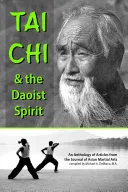
Tai Chi and the Daoist Spirit
 74
74

Tai Chi and the Daoist Spirit
Michael DeMarco, Arieh Lev Breslow, and Douglas Wile's "Tai Chi and the Daoist Spirit" offers a welcome antidote to purely functional interpretations of Taijiquan. The anthology's strength lies in its consistent focus on the spiritual and philosophical roots, particularly its deep dive into Daoist influence. The exploration of how concepts like *wu wei* (non-action) might manifest in both combative strategy and energetic flow is particularly insightful. However, the collection occasionally suffers from a lack of editorial cohesion; some chapters feel more academic than accessible, potentially alienating readers seeking practical application alongside theory. A standout section discusses the historical development of *qigong* as a precursor to more formalized martial arts, grounding abstract spiritual aims in concrete historical evolution. This book provides a valuable scholarly perspective, though it demands a dedicated reader willing to engage with dense material. It succeeds in illuminating the profound spiritual dimension of practices often reduced to mere physical exercise.
📝 Description
74
Published in 1992, Tai Chi and the Daoist Spirit examines the deep links between Chinese martial arts and Daoism.
This anthology investigates the connection between Taijiquan, a Chinese martial art, and Daoist spiritual traditions. It shows how Daoist philosophies and practices, such as qigong and daoyin, influenced the development of martial arts, contributing to their focus on health and long life. The book presents a unified perspective, linking the physical movements of martial arts to internal energy work and spiritual exploration.
The collection is for people who practice Tai Chi, Qigong, or other internal martial arts and want to understand their philosophical roots better. Students and scholars of Daoism, Chinese religious history, and comparative spirituality will also find it valuable. Anyone interested in the intersection of physical training, energetic healing, and metaphysical ideas will discover a wealth of information.
The book follows the evolution of these practices through different historical periods in China. It emphasizes how spiritual goals and the pursuit of well-being have long been part of martial training. Taijiquan is shown not just as a fighting method but as a cultural product shaped by philosophical changes and the lasting Daoist outlook. The anthology offers a historical view of how ancient energy exercises became complex martial forms.
This work is situated within the study of Daoism and its manifestation in physical disciplines. It highlights how Daoist concepts of harmony with nature, vital energy (qi), and spiritual cultivation are not confined to textual study but are actively embodied in practices like Taijiquan. The book bridges the gap between philosophical Daoism and its practical application in martial arts, showing how these traditions offer a path for personal transformation and a deeper connection to universal principles.
💡 Why Read This Book?
• Gain a nuanced understanding of Taijiquan's philosophical lineage, moving beyond mere physical technique to appreciate its Daoist spiritual underpinnings, as discussed in chapters analyzing *daoyin* practices. • Explore the historical connection between Chinese martial arts and the Daoist pursuit of health and longevity, learning how ancient energetic theories influenced the development of styles like Taijiquan since its early iterations. • Discover how core Daoist principles, such as *wu wei* and the cultivation of *qi*, are interpreted and applied within the context of physical cultivation and spiritual development, offering a unique perspective on embodied wisdom.
⭐ Reader Reviews
Honest opinions from readers who have explored this book.
❓ Frequently Asked Questions
When was "Tai Chi and the Daoist Spirit" first published?
The anthology "Tai Chi and the Daoist Spirit" was first published on August 8, 2022, bringing together contemporary scholarship on the subject.
Who are the main authors contributing to "Tai Chi and the Daoist Spirit"?
The primary contributors and editors listed for "Tai Chi and the Daoist Spirit" are Michael DeMarco, Arieh Lev Breslow, and Douglas Wile.
What is the primary focus of "Tai Chi and the Daoist Spirit"?
The book focuses on the deep-rooted connection between Chinese martial arts, particularly Taijiquan, and the spiritual traditions of Daoism, exploring their impact on health and longevity.
Does the book discuss specific Daoist practices beyond Tai Chi?
Yes, "Tai Chi and the Daoist Spirit" extensively discusses Daoist theories and practices, including human energetics like qigong and other physical exercises such as daoyin.
What kind of reader would benefit most from "Tai Chi and the Daoist Spirit"?
Practitioners of Tai Chi and Qigong, scholars of Daoism and Chinese religious history, and anyone interested in the intersection of physical discipline, spirituality, and energetic cultivation would find this book valuable.
What historical aspects of martial arts does the book cover?
The anthology covers how various Chinese martial art styles, most significantly Taijiquan, evolved alongside deep-rooted spiritual traditions and the quest for health and longevity.
🔮 Key Themes & Symbolism
Daoist Energetics and Health
This theme examines the core Daoist principles that inform the energetic cultivation practices associated with Tai Chi and Qigong. It examines how concepts like the flow of *qi* (vital energy) and the practice of *daoyin* (exercises for guiding energy) are intrinsically linked to the pursuit of physical health, vitality, and longevity. The anthology explores the historical development of these practices within Daoism, illustrating how they were seen not merely as physical regimens but as integral components of a spiritual path toward balance and well-being.
Martial Arts as Spiritual Discipline
The anthology re-frames martial arts, particularly Taijiquan, as more than just combative systems. It posits them as profound spiritual disciplines deeply influenced by Daoist philosophy. Chapters discuss how principles such as *wu wei* (non-action or effortless action) and the pursuit of harmony with natural forces are integrated into martial techniques and training methodologies. This perspective highlights how the practice of martial arts can serve as a vehicle for self-cultivation, mental discipline, and spiritual realization.
Historical Evolution of Practices
A significant focus is placed on tracing the historical trajectory of these practices. The work examines how various Chinese martial styles, with Taijiquan as a prime example, emerged and evolved over centuries. It contextualizes this development within broader spiritual and philosophical currents, particularly the enduring influence of Daoism. Understanding this historical evolution provides insight into the layered meanings and purposes embedded within these traditions, from ancient energetic exercises to sophisticated martial forms.
The Quest for Longevity
The anthology consistently returns to the Daoist aspiration for longevity and immortality as a driving force behind the development and practice of certain martial arts and energetic exercises. It explores how the meticulous training, philosophical underpinnings, and energetic theories found in practices like Tai Chi and Qigong are all oriented towards extending life and enhancing its quality. This theme underscores the holistic approach to existence inherent in these traditions, where physical practice serves a higher spiritual and existential aim.
💬 Memorable Quotes
Direct passages from the work, attributed to the author.
“Taijiquan developed and evolved along with deep rooted traditions of spirituality and the quest for health and longevity.”
— This statement highlights that Tai Chi is not solely a physical practice but is interwoven with spiritual pursuits and the ancient desire for a long, healthy life, rooted deeply in Chinese cultural history.
“Much in this volume deals with Daoist theories and practices, particularly its influences ranging from human energetics (qigong) to practical combative arts.”
— This indicates the book's core focus on Daoism, specifically how its theories and practices, including the cultivation of vital energy through qigong and the development of martial applications, are central to understanding Tai Chi's origins.
“The chapters in this anthology present an encompassing perspective of how some Chinese martial art styles—and most significantly taijiquan—developed.”
— This suggests the collection offers a broad and thorough view, emphasizing Taijiquan's significant role in the evolution of Chinese martial arts, providing a comprehensive overview for the reader.
“The work explores influences ranging from human energetics (qigong) and other physical exercises (daoyin), to practical combative arts.”
— This points to the diverse influences examined, showing how internal energy work like qigong and exercises like daoyin are connected to the development of martial applications within the scope of the book.
“The quest for health and longevity is a significant thread throughout the development of these practices.”
— This interpretation emphasizes that the desire for a long and healthy life was a fundamental motivation and guiding principle in the historical formation and ongoing practice of these Chinese arts.
🌙 Esoteric Significance
Tradition
This work is deeply rooted in the Daoist tradition, exploring its philosophical tenets and practical applications as they manifest in physical disciplines. It departs from purely secular interpretations of Tai Chi and Qigong, positioning them as integral aspects of a Daoist path toward harmony, longevity, and spiritual cultivation. While not strictly a manual of esoteric practice, it illuminates the metaphysical worldview that underpins these arts, aligning with the Daoist emphasis on living in accordance with the natural order (the Dao).
Symbolism
Central symbols explored include *qi*, the vital life force that practitioners learn to cultivate and direct. The concept of Yin and Yang, fundamental to Daoist cosmology, is implicitly present in the balance and dynamic interplay of movements within Tai Chi. The pursuit of longevity itself acts as a symbolic quest for spiritual integration and transcendence of mortal limitations, reflecting the Daoist aspiration for immortality or prolonged, harmonious existence.
Modern Relevance
Contemporary practitioners of Qigong, Tai Chi, and Neidan (internal alchemy) often seek a deeper understanding of the philosophical and spiritual roots of their practice, making this anthology highly relevant. Thinkers and schools focusing on embodied spirituality, holistic health, and the integration of mind-body practices find valuable context here. It informs modern discussions on the efficacy of contemplative movement practices for both physical well-being and psychological integration, bridging ancient wisdom with contemporary needs.
👥 Who Should Read This Book
['• Advanced Tai Chi and Qigong practitioners seeking to deepen their theoretical knowledge and understand the spiritual dimensions of their practice, moving beyond rote memorization of forms.', '• Scholars of East Asian religions and philosophy interested in the tangible expressions of Daoist thought in physical culture and historical practices.', '• Individuals exploring comparative spirituality and the intersection of physical discipline with metaphysical inquiry, looking for concrete examples of mind-body integration.']
📜 Historical Context
Published in 2022, "Tai Chi and the Daoist Spirit" enters a scholarly landscape that has long recognized the philosophical underpinnings of Chinese martial arts. However, its specific focus on the deep integration with Daoist spirituality distinguishes it. The era saw continued academic interest in embodied cognition and the history of religion, fields this anthology bridges. Contemporary scholars like Benjamin Penny were exploring Daoist practices, providing a backdrop for works like this that synthesize martial arts history with religious studies. The book's meticulous examination of *qigong* and *daoyin* as foundational practices speaks to scholarship tracing the lineage of these arts back centuries, potentially to figures like Zhang Sanfeng, though such attributions are often debated within the field. The reception of such works typically involves academic circles interested in comparative religion and the history of physical culture, appreciating the nuanced connections drawn between physical training and spiritual attainment.
📔 Journal Prompts
The integration of *qigong* and *daoyin* within Taijiquan's historical development.
Daoist theories concerning *qi* and their practical application in energetic cultivation.
The concept of *wu wei* as it relates to combative strategy and internal balance.
The pursuit of longevity as a spiritual goal within Daoist-influenced martial arts.
The evolution of Chinese martial arts alongside spiritual traditions.
🗂️ Glossary
Taijiquan
A Chinese internal martial art practiced for both its defensive applications and its health benefits. Often translated as 'Supreme Ultimate Fist,' it emphasizes slow, flowing movements, deep breathing, and the cultivation of internal energy.
Daoism
A philosophical and religious tradition originating in China, emphasizing living in harmony with the Dao (the Way), a fundamental principle of the universe. It values spontaneity, simplicity, and naturalness.
Qigong
A system of coordinated body posture and movement, breathing, and meditation used for health, spirituality, and martial arts training. It involves the cultivation and circulation of *qi* (vital energy).
Daoyin
Ancient Chinese exercises that involve specific movements, postures, and breathing techniques aimed at guiding and strengthening the body's vital energy (*qi*), often considered a precursor to Qigong.
Qi
A fundamental concept in Chinese philosophy and medicine, referring to the vital life force or energy that flows through all living things. Its cultivation is central to practices like Qigong and Tai Chi.
Wu Wei
A central Daoist concept often translated as 'non-action' or 'effortless action.' It refers to acting in accordance with the natural flow of things, without forcing or striving, achieving results through minimal effort.
Longevity
In the context of Daoism and these practices, longevity refers not just to a long lifespan but to a life lived in balance, health, and spiritual harmony, often with the aspiration for extended vitality.