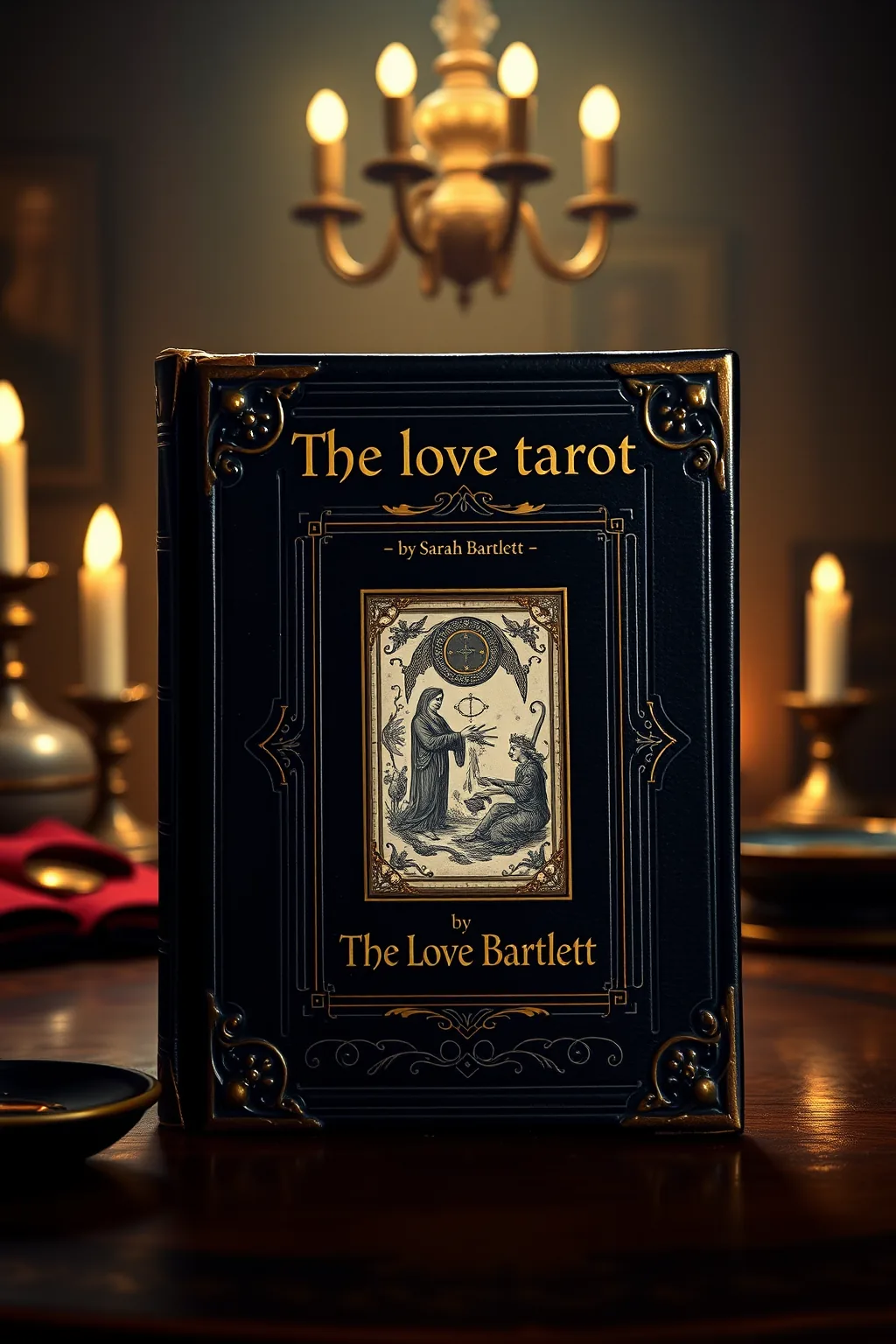
The love tarot
 73
73

The love tarot
Sarah Bartlett’s *The Love Tarot* approaches its subject with a commendable directness, eschewing flowery language for practical application. The strength of the book lies in its curated selection of spreads, particularly those designed to untangle the knotty issues of compatibility and long-term relationship dynamics. For instance, the detailed breakdown of how cards like The Lovers or the Two of Cups manifest in a reading offers concrete guidance. However, the work sometimes feels a touch dated in its presentation of relationship models, reflecting the era of its initial publication. While the core interpretive principles remain sound, a modern reader might seek more contemporary perspectives on diverse relationship structures. Nonetheless, for those seeking a focused, accessible guide to using the Tarot for matters of the heart, Bartlett's offering remains a solid, if somewhat conventional, resource.
📝 Description
73
Sarah Bartlett's 1995 book applies Tarot archetypes to romantic relationships.
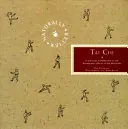
Sarah Bartlett's *The Love Tarot*, published in 1995, offers a structured method for examining romantic connections using the Tarot. It moves past simple card meanings to show how the archetypal energies of the Major and Minor Arcana can illuminate partnership dynamics, attraction, and emotional bonds. The book presents specific Tarot spread frameworks designed to address questions about love, compatibility, and personal growth within romantic contexts.
This volume is primarily for individuals interested in using Tarot divination for their love lives. It suits those with some Tarot knowledge who want to deepen their understanding of its application in relationships. Readers seeking practical guidance, tools for self-reflection, and more detailed interpretations of love-related card readings will find it valuable. Tarot practitioners can also use it to expand their collection of relationship-focused spreads and interpretive methods.
Published in the mid-1990s, *The Love Tarot* appeared as interest in esoteric practices and self-help literature grew. Bartlett's work helped make Tarot more accessible outside traditional occult groups. This period saw many authors adapt older divinatory systems for modern psychological and relational concerns. The book fits this trend by focusing on the universally relevant experience of love and partnership.
💡 Why Read This Book?
• Gain specific techniques for interpreting Tarot cards within the unique context of romantic relationships, moving beyond generic meanings to understand compatibility and partnership dynamics as presented in the book's specialized spreads. • Understand how archetypal energies, such as those represented by the Major Arcana cards like The Lovers, can be applied to analyze the evolution and challenges of personal connections, offering insight not readily found in general Tarot guides. • Acquire practical tools for self-reflection on your own relationship patterns by utilizing the relationship-focused Tarot spreads detailed in the text, enabling a deeper personal exploration of love and connection.
⭐ Reader Reviews
Honest opinions from readers who have explored this book.
❓ Frequently Asked Questions
When was Sarah Bartlett's The Love Tarot first published?
Sarah Bartlett's *The Love Tarot* was first published in 1995, positioning it within the wave of accessible esoteric literature that gained prominence in the mid-1990s.
Does The Love Tarot require prior knowledge of Tarot?
While prior knowledge of Tarot is beneficial, *The Love Tarot* aims to be accessible. It explains how to apply card meanings specifically to relationship questions, though familiarity with basic card meanings will enhance the reader's experience.
What kind of Tarot spreads are included in The Love Tarot?
The book features several specialized spreads designed for romantic inquiries, including those focused on compatibility, understanding a partner's feelings, and navigating relationship challenges.
Is The Love Tarot suitable for professional readers?
Yes, professional Tarot readers can find value in *The Love Tarot* for its focused approach to relationship readings and its collection of specific spreads that can be integrated into client sessions.
What is the primary focus of The Love Tarot?
The primary focus of *The Love Tarot* is to provide a comprehensive guide on using the Tarot for understanding and interpreting romantic relationships, covering aspects from initial attraction to long-term partnership.
Does the book discuss specific Tarot decks?
The book generally uses the Rider-Waite-Smith (RWS) tradition as a basis for its interpretations, as this is a common framework. However, the principles can often be adapted to other decks with similar imagery.
🔮 Key Themes & Symbolism
Relationship Archetypes
Bartlett examines how the archetypal figures and energies within the Tarot, particularly the Major Arcana, represent different facets of romantic relationships. Cards like The Lovers are explored not just for their general meaning but for their specific implications regarding choice, union, and duality within a partnership. This theme reframes the Tarot as a symbolic map of relational dynamics, offering insights into the core energies at play between individuals.
Compatibility Analysis
A significant focus is placed on using Tarot spreads to assess compatibility between partners. The book details methods for laying out cards to reveal areas of harmony, potential friction, and the overall energetic alignment of a couple. This goes beyond superficial readings to explore deeper psychological and spiritual connections, using the cards to highlight both shared strengths and areas requiring conscious effort.
Navigating Romantic Challenges
The Love Tarot provides interpretive frameworks for addressing difficulties and questions that arise within romantic relationships. It guides readers on how to use card readings to identify the root causes of conflict, understand underlying emotional currents, and find constructive paths forward. The emphasis is on the Tarot as a tool for insight and personal growth, fostering resilience and understanding in love.
Love Divination
Fundamentally, the book is a practical guide to love divination. It equips readers with specific questions to ask the Tarot and methods for interpreting the resulting spreads to gain clarity on matters of the heart. This includes forecasting potential developments, understanding the energies surrounding a relationship, and seeking guidance on personal actions within the romantic sphere.
💬 Memorable Quotes
Direct passages from the work, attributed to the author.
“The Lovers card signifies choice, union, and the integration of opposites.”
— This highlights a core concept in Bartlett's approach: viewing relationship cards not just as static symbols but as dynamic forces representing key decisions and the merging of distinct energies within a partnership.
“Use specific spreads to explore the emotional range of a relationship.”
— This emphasizes the practical, applied nature of the book, suggesting that the Tarot offers structured methods, or 'spreads,' for systematically investigating the often-complex emotional currents between individuals.
“Understanding compatibility through the Tarot requires looking at the interplay of energies.”
— This interpretation underscores that Bartlett sees Tarot compatibility as more than just matching symbols; it's about the dynamic interaction and synthesis of the archetypal energies the cards represent.
“Seek guidance on navigating challenges by examining the cards' advice.”
— This suggests the Tarot is viewed as a source of wisdom and actionable advice, particularly useful when facing difficulties in romantic connections, prompting the reader to actively engage with the card's messages.
“The Minor Arcana reveal the day-to-day dynamics of love.”
— This points to the book's comprehensive use of the Tarot, indicating that beyond the grand themes of the Major Arcana, the suits and numbers of the Minor Arcana offer granular details about the practical unfolding of relationships.
🌙 Esoteric Significance
Tradition
Bartlett's work draws primarily from the Western esoteric tradition, specifically the lineage influenced by the Rider-Waite-Smith (RWS) Tarot imagery, which itself has roots in Hermeticism and ceremonial magic. While not strictly adhering to a single school, it applies divinatory techniques common in modern occultism to a specific, practical application – relationship analysis. It departs from more complex magical or Kabbalistic interpretations by focusing on accessible psychological and relational insights.
Symbolism
The book leverages key Tarot symbols within the context of love. The Lovers card, for instance, is interpreted as representing significant choices, union, and the integration of dualities within a relationship. The Cups suit, inherently linked to emotions and relationships, is explored for its nuances in depicting affection, desire, and emotional fulfillment or lack thereof. The symbolism of the court cards is also examined for how they represent different relational roles and personalities.
Modern Relevance
In contemporary esoteric circles, Bartlett's approach continues to inform how Tarot is used for relationship counseling and self-exploration. Modern practitioners, particularly those focused on practical divination and psychological astrology, often utilize the relationship-specific spreads and interpretive frameworks she popularized. Her work remains a touchstone for those seeking to apply Tarot to personal development and interpersonal dynamics in a structured, accessible manner.
👥 Who Should Read This Book
• Individuals exploring their romantic lives who seek a structured, divinatory tool: Readers can gain specific methods for asking the Tarot about compatibility, relationship dynamics, and personal growth within love. • Tarot students and practitioners aiming to specialize in relationship readings: This book offers specialized spreads and interpretive nuances for love-related inquiries that go beyond general Tarot guides. • Those interested in the psychological application of archetypes: Readers can learn how Tarot symbolism, particularly from cards like The Lovers, can illuminate relationship dynamics and personal choices.
📜 Historical Context
Published in 1995, Sarah Bartlett's *The Love Tarot* arrived during a significant period for esoteric publishing. The mid-90s witnessed a boom in accessible guides to divination and self-discovery, fueled by a growing public interest in spirituality outside traditional religious structures. Works like this contributed to the popularization of Tarot beyond occult circles, adapting its ancient symbolism for modern psychological and relational concerns. Bartlett's approach aligns with contemporaries who were explaining practices like astrology and Tarot for a broader audience. While not directly engaging with academic occult scholarship of the time, such as that of scholars like Ronald Hutton who were examining the history of Western magic, *The Love Tarot* represented a popular interpretation and application of Tarot, focusing on a universally relevant human experience: love.
📔 Journal Prompts
The archetypal energies of the Major Arcana in relation to partnership.
Specific relationship spreads for assessing compatibility.
Interpreting the Cups suit for emotional connection.
Navigating romantic challenges using card advice.
The symbolic meaning of The Lovers card in a relationship context.
🗂️ Glossary
Major Arcana
The set of 22 trump cards in a Tarot deck, often representing significant life lessons, spiritual journeys, and major archetypal forces that influence life events.
Minor Arcana
The 56 cards in a Tarot deck divided into four suits (Wands, Cups, Swords, Pentacles), typically representing everyday events, challenges, and circumstances.
Spread
A specific arrangement of Tarot cards laid out for interpretation, designed to address particular questions or areas of focus, such as relationships or career.
Archetype
A universal, inherited pattern of thought or image derived from the collective unconscious, often represented by figures or symbols in mythology and the Tarot.
Compatibility
The degree to which two individuals are suited to each other, assessed through shared values, emotional connection, and harmonious interaction, often explored in relationship readings.
Divination
The practice of seeking knowledge of the future or the unknown by supernatural means, in this context, through the interpretation of Tarot cards.
Rider-Waite-Smith (RWS) Deck
A highly influential Tarot deck first published in 1909, known for its detailed pictorial scenes on the Minor Arcana, which serve as a common reference point for many modern Tarot interpretations.
🔮 Readers Also Liked
Browse all →
More by Sarah Bartlett
All books →
More Free Occult Philosophy Books
View all →