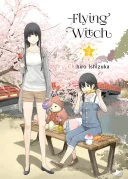
Flying Witch 2
 84
84

Flying Witch 2
Chihiro Ishizuka’s Flying Witch 2, released in 2017, presents a continuation of Makoto Kowata’s witch-in-training saga, focusing on the quiet magic woven into everyday life. The strength of this volume lies in its unwavering commitment to atmosphere; the cherry blossom festival scene, for instance, is rendered with a delicate touch that makes the setting palpable. Ishizuka’s art style perfectly captures the gentle wonder of Makoto’s world. A minor limitation is the episodic nature, which, while fitting the genre, means plot progression is minimal. The passage where Akane instructs Makoto on new flying methods and simple spellcraft is particularly illustrative of the book's charm, demonstrating magic as an accessible skill rather than an arcane mystery. The work remains a tranquil escape, offering a serene glimpse into a life where the mundane and magical coexist harmoniously.
📝 Description
84
Flying Witch 2, published in 2017, follows Makoto Kowata's continued training as a young witch.
This 2017 volume of Flying Witch continues the quiet story of Makoto Kowata, a witch apprentice learning to balance magic with her everyday life. The narrative focuses on Makoto's relationships with her family and how she incorporates simple witchcraft into her daily routines. The story moves at a gentle pace, typical of slice-of-life manga, with an emphasis on developing characters and building a calming atmosphere.
Readers who enjoy understated fantasy and stories centered on characters will find this installment appealing. It is especially suited for those who like "iyashikei" (healing) anime and manga, which aim for peaceful and comforting experiences. This book offers an alternative to high-action narratives, providing a serene look at everyday magic and connections that feel real. It appeals to an audience that appreciates gentle humor and the subtle enhancement of ordinary moments with a touch of the extraordinary.
Published in 2017, Flying Witch 2 fits into a contemporary interest in nature-based spirituality and the incorporation of magical elements into ordinary existence. While not directly aligned with specific historical esoteric movements, the series reflects a broader cultural turn towards finding wonder in the natural world and simple acts. This approach contrasts with more dramatic fantasy depictions, instead focusing on a gentle integration of the mystical into the mundane, aligning with the "iyashikei" subgenre's emphasis on restorative experiences.
💡 Why Read This Book?
• Gain insight into the concept of "natural enchantment," learning how everyday occurrences and the natural world can be imbued with magical significance, as exemplified by Makoto's experiences. • Understand the familial dynamics of witchcraft, observing how skills like flying and spellcraft are passed down through generations, mirroring the lessons Akane imparts to Makoto. • Experience the unique "iyashikei" (healing) narrative style, which offers a peaceful, character-focused story that prioritizes atmosphere and comfort over dramatic conflict, exemplified by the gentle pacing of the 2017 release.
⭐ Reader Reviews
Honest opinions from readers who have explored this book.
❓ Frequently Asked Questions
When was Flying Witch 2 originally published?
Flying Witch 2 was first published on June 27, 2017, continuing the narrative established by its predecessor.
What is the primary genre of Flying Witch 2?
The primary genre is slice-of-life fantasy, with strong "iyashikei" (healing) elements, focusing on the everyday magical experiences of a young witch.
Who are the main characters featured in Flying Witch 2?
The main characters are Makoto Kowata, a witch in training, her sister Akane, and their cousin Chinatsu, whose interactions drive the gentle narrative.
What kind of magic is depicted in Flying Witch 2?
The magic depicted is subtle and integrated into daily life, focusing on "natural enchantment," simple spellcraft, and flying techniques, rather than overt, powerful sorcery.
Does Flying Witch 2 require reading the first volume to understand?
While it can be enjoyed on its own, understanding the established relationships and Makoto's background from Flying Witch 1 enhances the experience of this 2017 installment.
What is the overall tone of Flying Witch 2?
The overall tone is peaceful, warm, and comforting, emphasizing the beauty found in ordinary moments and the gentle presence of magic.
🔮 Key Themes & Symbolism
Natural Enchantment
The series champions 'natural enchantment,' a concept where magic is not separate from the mundane but intrinsically linked to everyday life and the environment. This perspective, evident throughout Flying Witch 2, suggests that true magical practice involves appreciating and interacting with the natural world. For instance, the setting of a local cherry blossom festival becomes a locus for subtle magical encounters. This theme encourages readers to find wonder in their own surroundings, aligning with a broader contemporary interest in nature-based spirituality and mindfulness.
Witchcraft as Skill
Flying Witch 2 portrays witchcraft not as an innate, mystical gift but as a learnable skill. Makoto's journey is one of continuous learning, with her sister Akane acting as a mentor. The depiction of learning new flying techniques and easy spellcraft emphasizes practice and dedication. This approach explains magic, presenting it as an accessible craft that can be honed, much like any other talent. It speaks to the idea of passing down practical knowledge, a common theme in many traditional crafts and esoteric disciplines.
Familial Magic
The bond between Makoto and Akane, as well as their cousin Chinatsu, forms a significant part of Flying Witch 2. Magic is presented as something that can be shared and nurtured within a family context. Chinatsu’s adoration of her witch cousins highlights the aspirational aspect of magic, especially for younger generations. This familial dynamic underscores the idea that magical traditions can be preserved and continued through close relationships, fostering a sense of community and belonging around shared practices, a concept found in many historical esoteric lineages.
The Mundane and Magical
A central theme is the seamless integration of the magical into the ordinary. Flying Witch 2 excels at showing how supernatural elements coexist with everyday life without causing undue disruption. Makoto’s daily routines, interspersed with magical activities, reflect this balance. This perspective challenges the notion of magic as something separate or exotic, instead presenting it as a natural extension of existence. This approach appeals to contemporary sensibilities that seek to find deeper meaning and enchantment in the fabric of daily life.
💬 Memorable Quotes
Direct passages from the work, attributed to the author.
“Makoto encounters someone with a grievance against her sister, Akane, at a cherry blossom festival.”
— This sets up a mild conflict and provides an opportunity for Akane to demonstrate her capabilities and mentor Makoto, grounding the magical elements in relatable social interactions.
“Akane teaches Makoto new flying techniques and simple spellcraft.”
— This highlights the educational aspect of Makoto's training and showcases the practical, approachable nature of the magic within the series. It emphasizes skill acquisition over innate power.
“Chinatsu is charmed by the witches' talents and makes an unexpected request.”
— Chinatsu represents the perspective of an outsider drawn to magic, symbolizing curiosity and the potential for future practitioners. Her request likely propels further narrative development or character interaction.
“The story unfolds with a gentle pace, focusing on atmospheric details and character relationships.”
— This interpretation emphasizes the deliberate pacing and focus on mood and interpersonal connections, which are key elements defining the series' unique charm and appeal.
💡 Key Ideas
Editorial paraphrase of the work's core concepts — not direct quotes.
The narrative focuses on Makoto's integration into a new town and her learning process.
This paraphrased concept points to the core of Makoto's journey: adapting to her environment and developing her magical abilities through everyday experiences, a hallmark of the 'iyashikei' genre.
🌙 Esoteric Significance
Tradition
Flying Witch 2 does not align strictly with any single historical esoteric tradition like Hermeticism or Theosophy. Instead, it draws inspiration from a modern, synthesized view of witchcraft that emphasizes nature, intuition, and personal practice. It leans towards a Neo-Pagan or Wiccan-adjacent sensibility where magic is seen as an intrinsic part of the natural world, accessible through harmony with it. The series departs from more dogmatic or ritualistic traditions by focusing on the everyday and the personal, offering a contemporary, accessible interpretation of magical living.
Symbolism
The cherry blossoms, prominent in the narrative, symbolize ephemerality, beauty, and renewal – concepts often explored in spiritual traditions. Flying, a core activity for Makoto, represents freedom, transcendence, and the ability to gain perspective, akin to shamanic journeys or astral projection in other esoteric paths. The broomstick itself, a classic witch symbol, is here presented as a practical tool for daily travel, clarifying its occult associations and grounding it in the series' blend of the magical and mundane.
Modern Relevance
Contemporary thinkers and practitioners interested in nature-based spirituality, eco-spirituality, and the integration of mindfulness into daily life find resonance in Flying Witch 2. Its depiction of accessible, non-dogmatic magic appeals to those exploring personal spirituality outside traditional religious frameworks. The series' emphasis on gentle living and finding enchantment in the ordinary aligns with modern wellness movements and the growing desire for sustainable, harmonious lifestyles, making its themes relevant to current discussions on well-being and connection to nature.
👥 Who Should Read This Book
• Aspiring practitioners of nature-based spirituality: Readers interested in finding magic within the natural world and everyday life will appreciate the "natural enchantment" theme. • Fans of "iyashikei" manga and anime: Those seeking calming, character-driven stories with a gentle pace and comforting atmosphere will find this volume particularly satisfying. • Students of comparative folklore and mythology: Readers interested in how modern media reimagines traditional witch archetypes in a contemporary, accessible context will find value here.
📜 Historical Context
Published in 2017, Flying Witch 2 emerged in a manga landscape where slice-of-life narratives continued to thrive, often incorporating fantastical elements. The "iyashikei" (healing) genre, which emphasizes comfort and tranquility, was gaining international recognition, and works like Chihiro Ishizuka's series fit perfectly within this trend. While not directly engaging with specific esoteric revival movements, the series taps into a broader cultural undercurrent of interest in nature-based spirituality and the integration of the magical into the mundane. This contrasts with more overtly occult or ritualistic depictions of witchcraft found in other media. Its gentle, character-focused approach distinguished it from the high-action fantasy prevalent in Shonen manga. Reception of the series generally highlighted its calming atmosphere and charming art style, contributing to its appeal among a dedicated readership seeking escapism.
📔 Journal Prompts
Makoto's integration into a new town and her learning process.
Akane teaching Makoto new flying techniques and simple spellcraft.
Chinatsu's fascination with witchcraft and her unexpected request.
The concept of 'natural enchantment' as depicted in everyday scenes.
The balance between the mundane and magical elements in Makoto's life.
🗂️ Glossary
Witch in Training
An individual, like Makoto Kowata, who is learning and developing their magical abilities and understanding of witchcraft under guidance.
Natural Enchantment
A concept where magic is found within and derived from the natural world and everyday phenomena, rather than solely from arcane rituals or spells.
Iyashikei
A Japanese genre of anime and manga focused on providing a 'healing' or comforting experience for the viewer/reader, often through gentle storytelling and atmosphere.
Spellcraft
The practice or art of creating and casting spells; in Flying Witch 2, this is depicted as accessible and often simple techniques.
Flying Techniques
Specific methods or skills related to magical flight, taught and practiced by witches in the series, such as Makoto learning from Akane.
Cherry Blossom Festival
A cultural event celebrating the blooming of cherry blossoms, serving as a setting for character interactions and subtle magical occurrences in the book.
Grievance
A real or imagined wrong or other cause for complaint or resentment, as depicted in the encounter Makoto has with someone upset with Akane.
This book appears in 1 collection
🔮 Readers Also Liked
Browse all →








From the “Spellcraft” Collection
View all →


More Free Occult Philosophy Books
View all →