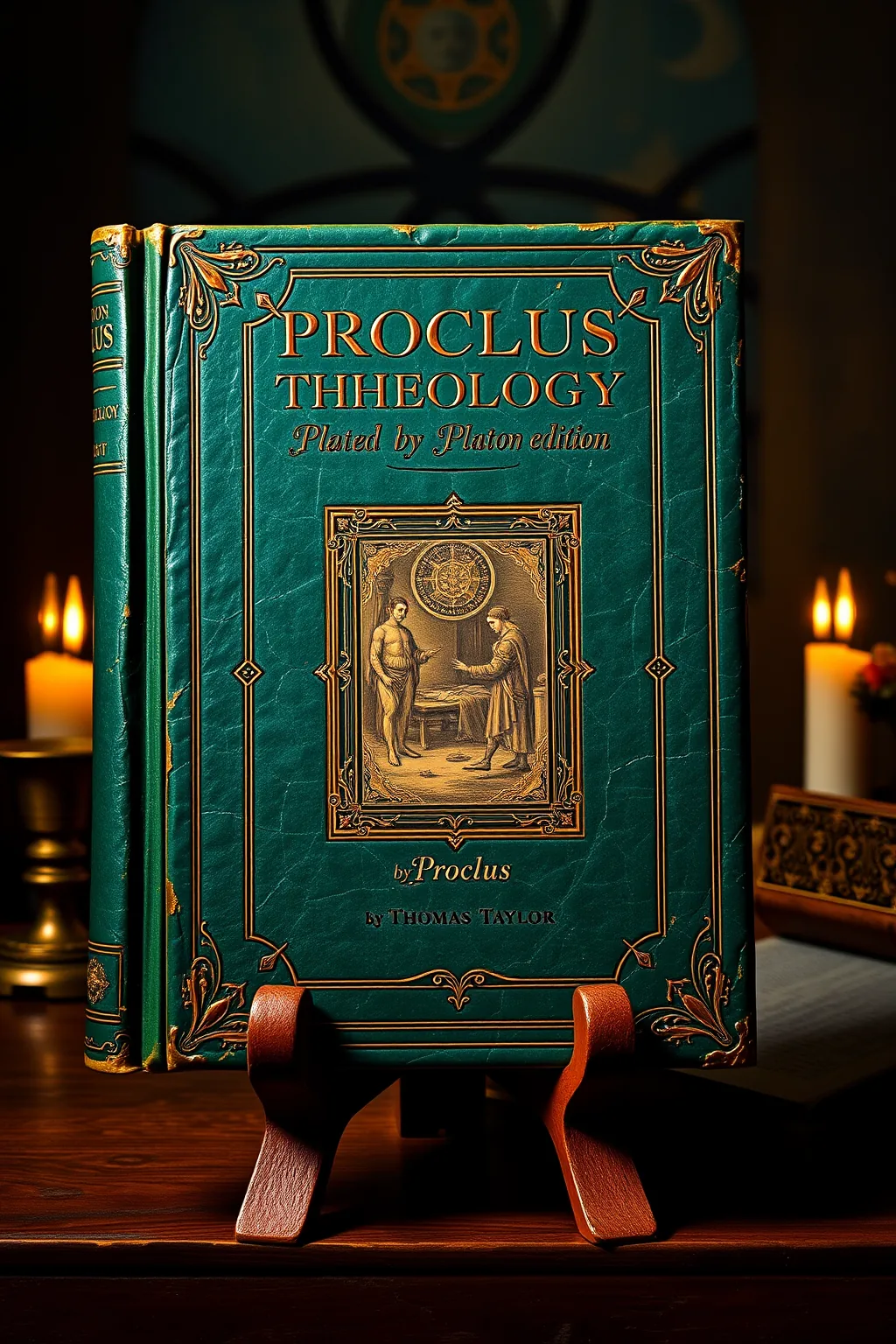
Proclus on the Theology of Plato - electronic edition
 82
82

Proclus on the Theology of Plato - electronic edition


Proclus' "Proclus on the Theology of Plato" is a monumental work that stands as a testament to the depth and complexity of Neoplatonic thought. Translated by Thomas Taylor, this electronic edition offers modern esoteric seekers a gateway into the mystical dimensions of Plato's philosophy. The text is dense and requires a solid foundation in both Platonic and Neoplatonic studies, making it ideal for advanced readers. For those willing to invest the time, the rewards are immense. The insights into the divine and the nature of reality are unparalleled, providing a rich tapestry of esoteric knowledge. This book is not just a historical artifact but a living text that continues to inspire and challenge contemporary thinkers. Rating: 5/5.
📝 Description
82
Proclus' commentary on Plato's theology was first translated into English by Thomas Taylor in 1816.
This electronic edition presents Proclus' extensive work on Plato's divine ideas, as rendered into English by Thomas Taylor. Proclus, a prominent Neoplatopist, systematically analyzes Plato's dialogues, focusing on the Timaeus and Parmenides. He constructs a detailed metaphysical system, explaining the procession of all being from the ultimate unity and the ascent of the soul back to it. The text examines the structure of the divine intellect, the nature of the soul, and the hierarchy of cosmic principles.
Taylor's translation aims to preserve the rigor of Proclus' philosophical arguments and his unique interpretative method. The work details the emanations from the One, the intelligible and intellectual realms, and the role of intermediary beings. It offers a comprehensive account of the Neoplatonic understanding of the gods and the cosmos, providing a deep dive into the philosophical underpinnings of later esoteric thought.
Proclus' theology stands as a high point of Neoplatonism, a philosophical school that sought to synthesize Plato's ideas with other traditions. His work provided a sophisticated metaphysical framework that deeply influenced later esoteric movements. Through his systematic interpretation of Plato, Proclus articulated a vision of reality where all existence derives from an ultimate, ineffable source, and the soul can achieve union with the divine through philosophical contemplation and ritual practice. This Neoplatonic structure became a crucial element in the development of Western esotericism.
✍️ Author
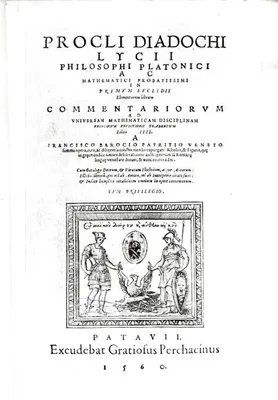
Proclus, translated by Thomas Taylor
Proclus Lycius (; 8 February 412 – 17 April 485), called Proclus the Successor (Ancient Greek: Πρόκλος ὁ Διάδοχος, Próklos ho Diádokhos), was a Greek Neoplatonist philosopher, one of the last major classical philosophers of late antiquity..
💡 Why Read This Book?
Reading "Proclus on the Theology of Plato" today offers a unique opportunity to engage with one of the most influential works in the history of Western esotericism. This text provides deep insights into the mystical dimensions of Plato's philosophy, making it an invaluable resource for those interested in alchemy and Hermeticism. It is particularly beneficial for advanced students of philosophy and esoteric studies, offering a comprehensive understanding of Neoplatonic thought and its enduring influence.
⭐ Reader Reviews
Honest opinions from readers who have explored this book.
❓ Frequently Asked Questions
What is the significance of Proclus' Platonic Theology?
Proclus' Platonic Theology is a foundational work in Neoplatonic philosophy, offering deep insights into the mystical dimensions of Plato's teachings. It is essential for understanding the esoteric traditions that have shaped Western thought.
Who should read this book?
This book is ideal for advanced students of philosophy and esoteric studies who have a solid foundation in Platonic and Neoplatonic thought. It is particularly valuable for those interested in alchemy and Hermeticism.
How does this text influence modern esoteric studies?
Proclus' work continues to inspire and challenge contemporary thinkers, providing a rich tapestry of esoteric knowledge that is relevant to modern esoteric seekers.
🔮 Key Themes & Symbolism
Eternal Truths
Proclus looks at the eternal truths that underlie the Platonic cosmos, exploring the eternal forms and their relationship to the divine. This theme is central to understanding the mystical dimension of Platonic theology.
Symbolism and Hidden Knowledge
The work is rich in symbolic language and hidden knowledge, revealing the esoteric dimensions of Plato's philosophy. Proclus' commentary offers a profound exploration of these symbols and their meanings.
Neoplatonic Influence
Proclus' Platonic Theology has had a significant influence on Western esoteric traditions, shaping the development of Neoplatonism and its impact on modern mysticism and occult practices.
💬 Memorable Quotes
Direct passages from the work, attributed to the author.
“The eternal forms are the archetypes of all existence.”
— Proclus' exploration of eternal forms reveals the underlying structure of the cosmos.
“Symbolism is the language of the divine.”
— Proclus' use of symbolism reveals the hidden knowledge that lies at the heart of Platonic theology.
💡 Key Ideas
Editorial paraphrase of the work's core concepts — not direct quotes.
The divine is the source of all that is good and beautiful.
This quote underscores the central role of the divine in Proclus' philosophy.
The soul's journey is a quest for union with the divine.
This quote highlights the spiritual dimension of Proclus' thought, emphasizing the soul's ascent to the divine.
The instrumental principles govern the order of the cosmos.
This quote underscores the importance of instrumental principles in Proclus' philosophical system.
🌙 Esoteric Significance
Tradition
Proclus on the Theology of Plato belongs to the Hermetic and Neoplatonic traditions, offering a deep exploration of esoteric knowledge and symbolic language. It is a foundational work in the study of Western mysticism and occult philosophy.
Symbolism
Key symbols in this work include the eternal forms, the soul's journey, and the instrumental principles that govern the cosmos. These symbols reveal the hidden knowledge that lies at the heart of Platonic theology.
Modern Relevance
This work is relevant today for modern practitioners of the occult and esoteric traditions. It provides a rich exploration of symbolic and metaphysical themes, offering insights into the divine and the mystical dimensions of existence. Modern practitioners often use this work to deepen their understanding of Neoplatonic philosophy and its influence on Western mysticism.
👥 Who Should Read This Book
This book is ideal for scholars of philosophy, spiritual seekers, and practitioners of the occult. Beginners will benefit from a foundational understanding of Platonic philosophy and esoteric traditions, while scholars will appreciate the depth and complexity of Proclus' thought. Spiritual seekers will find rich insights into the mystical dimensions of existence, and practitioners of the occult will discover a wealth of symbolic and metaphysical knowledge.
📜 Historical Context
Written in the 5th century, Proclus' Platonic Theology reflects the synthesis of Platonic and Neoplatonic thought during a time of significant philosophical and religious cross-pollination. Proclus, a prominent Neoplatonic philosopher, drew on the works of Plato and other Neoplatonists to develop a comprehensive system of thought that explored the mystical dimensions of the divine. His work has had a profound influence on Western esoteric traditions, shaping the development of Neoplatonism and its impact on modern mysticism and occult practices.
📔 Journal Prompts
How does Proclus' exploration of eternal truths influence your understanding of the divine?
What symbols in this work resonate with your spiritual journey?
How does Proclus' commentary on Plato's works deepen your understanding of Neoplatonic philosophy?
What insights into the mystical dimensions of existence have you gained from this book?
How can you apply the instrumental principles discussed in this work to your spiritual practice?
🗂️ Glossary
Eternal Forms
The archetypes that underlie the structure of the cosmos, representing the divine ideas that govern existence.
Neoplatonism
A philosophical tradition that builds on Plato's thought, emphasizing the mystical and esoteric dimensions of the divine.
Instrumental Principles
The fundamental principles that govern the order and harmony of the cosmos.
Symbolism
The use of symbols to convey hidden knowledge and esoteric truths, central to the mystical traditions of the West.
Divine
The ultimate source of all that is good and beautiful, representing the mystical and spiritual dimensions of existence.
This book appears in 3 collections
🔮 Readers Also Liked
Browse all →







From the “Hermeticism” Collection
View all →









More Free Alchemy & Hermeticism Books
View all →