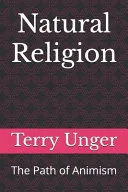
Natural Religion
 75
75

Natural Religion
Terry Unger's Natural Religion - The Path of Animism arrives with a bold assertion: that the divine is not a distant entity but an intrinsic force woven into the fabric of all existence. The book’s strength lies in its earnest attempt to bridge ancient animistic sensibilities with modern scientific concepts like frequency and vibration. The introduction of Utiseti, a meditative practice presented as a pathway to experiencing this immanent spirit, is a compelling element. However, the work occasionally falters in its presentation of complex subjects. For instance, while reincarnation is discussed as fact, the supporting data, as presented, may leave skeptics wanting more rigorous empirical evidence beyond anecdotal interpretations. The critique of greed, while valid, sometimes feels like an extended commentary rather than a fully integrated part of the animistic framework. Despite these points, Unger offers a valuable perspective for those seeking to reconnect with a palpable sense of the sacred in the mundane. The book offers a grounded, if occasionally assertive, vision of spiritual immanence.
📝 Description
75
Terry Unger's Natural Religion posits a universal spirit animating all existence, accessible through practice.
Terry Unger's Natural Religion presents a framework for reconnecting with the divine within all things. The book argues that a universal spirit is present everywhere, animating every aspect of existence. It introduces Utiseti, a specific meditative practice, and explains how to apply it in modern life.
This work is for individuals seeking a deeper spiritual understanding and their place in the cosmos. It will appeal to those interested in animistic ideas, vibrational cosmology, and the practical use of spiritual concepts daily. Readers who question traditional religious structures and desire a more direct experience of the divine will find this book resonant.
The book examines societal problems like greed and their effect on the human spiritual state. It proposes a return to a more complete, animistic view of the world. Key concepts include immanent divinity, the interconnectedness of all through spirit, and the practical application of spiritual principles.
Emerging in a period of renewed interest in animism and indigenous spiritualities, Natural Religion engages with themes of universal spirit and reincarnation. These ideas were common in esoteric circles from the late 19th century onward. The book's discussion of frequency and vibration connects with concepts explored by figures like Nikola Tesla and later New Age writers.
💡 Why Read This Book?
• You will learn to perceive the divine not as external but as an inherent aspect of all matter, a core tenet of the animistic path explored in the book. • You will gain practical insights into the Utiseti meditation technique, offering a specific method for experiencing the universal spirit discussed throughout the text. • You will understand the interconnectedness of concepts like frequency, vibration, and reincarnation, as presented within the book's framework of natural religion.
⭐ Reader Reviews
Honest opinions from readers who have explored this book.
❓ Frequently Asked Questions
What is Utiseti as described in Natural Religion?
Utiseti is a meditative practice featured in Terry Unger's Natural Religion, designed to help individuals connect with the immanent divine spirit present in all things. The book provides modern methods for its application.
How does Natural Religion approach the concept of reincarnation?
The book presents reincarnation not as a speculative theory but as a factual aspect of existence, supported by written data within its discussion of natural religion and spiritual continuity.
What is the main criticism of human behavior in the book?
Terry Unger critically examines greed and its detrimental effects on the human condition, contrasting it with the principles of natural religion and animism that emphasize interconnectedness.
What is the core message about the divine in Natural Religion?
The central message is that the divine is omnipresent, residing within all things. It advocates for a return to basics in humanity's relationship with the sacred, viewing all elements as possessing the same spirit.
When was Natural Religion - The Path of Animism first published?
Terry Unger's Natural Religion - The Path of Animism was first published on May 29, 2025.
Does the book discuss scientific theories alongside spiritual ones?
Yes, Natural Religion discusses concepts like frequency and vibration, framing them as integral to understanding the spiritual interconnectedness of all things, bridging scientific ideas with animistic philosophy.
🔮 Key Themes & Symbolism
Immanent Divinity
The book champions the concept of an omnipresent divine spirit that resides within every object, plant, animal, and human. This perspective challenges traditional dualistic views of the sacred being separate from the material world. It suggests that understanding this inherent divinity is key to restoring humanity's fundamental relationship with the sacred, viewing the gods not as distant figures but as pervasive presences.
The Path of Animism
Natural Religion posits animism as the foundational spiritual path for humanity. It argues that recognizing the spirit within all things is a return to essential human wisdom. This animistic framework provides a lens through which to understand the interconnectedness of life and the inherent sacredness of the natural world, encouraging a respectful and reciprocal relationship with all existence.
Vibrational Cosmology
The work integrates concepts of frequency and vibration as fundamental aspects of reality, linking them to the universal spirit. It suggests that all existence operates on a vibrational level, and understanding these frequencies is crucial for spiritual awareness and connection. This perspective frames spiritual phenomena and the interconnectedness of life through a lens that bridges esoteric thought with modern scientific inquiry into wave mechanics.
Critique of Greed
A significant theme is the examination of greed as a corrupting force that severs humanity's connection to the divine and the natural world. The book analyzes how acquisitiveness and materialism alienate individuals from the immanent spirit and contribute to societal imbalance. It implicitly advocates for a return to simpler, more connected ways of living aligned with animistic principles.
💬 Memorable Quotes
Direct passages from the work, attributed to the author.
“All things have the same spirit within them, and the Gods are everywhere.”
— This central tenet captures the book's animistic and pantheistic viewpoint, asserting a unified spiritual essence animating the entirety of creation and a pervasive divine presence.
“Utiseti is a form of meditation featured in the book.”
— This highlights Utiseti as a practical tool offered by the author for individuals to actively engage with and experience the immanent divine spirit discussed throughout the work.
“Frequency and vibration are discussed as fact, not fiction.”
— This indicates the author's intention to present these concepts not as abstract theories but as verifiable components of reality, integral to understanding the spiritual mechanics of the universe.
“Natural Religion is a road map for humanity to get back to the basics of our relationship to the divine.”
— This framing emphasizes the book's purpose as a guide, aiming to reorient readers toward a more fundamental and authentic spiritual connection with existence.
💡 Key Ideas
Editorial paraphrase of the work's core concepts — not direct quotes.
Greed effects the human condition.
This paraphrase points to the book's critical analysis of how excessive materialism and acquisitiveness negatively impact individual and collective spiritual well-being.
🌙 Esoteric Significance
Tradition
This work aligns with panentheistic and animistic traditions, which view divinity as both inherent within and extending beyond the created universe. It departs from strictly Hermetic or Kabbalistic systems by emphasizing the immanence of spirit in all matter and life forms, rather than focusing on specific divine emanations or angelic hierarchies.
Symbolism
While not heavily reliant on traditional esoteric symbols, the book's core symbolism lies in the concept of 'spirit within all things,' representing the unified animating force. The 'Gods everywhere' can be interpreted through animistic lenses as the personification of natural forces and elements, each imbued with this universal spirit.
Modern Relevance
The work appeals to contemporary eco-spiritual movements, practitioners of earth-based spiritualities, and those disillusioned with organized religion. Its emphasis on immanent divinity and vibrational interconnectedness finds echoes in quantum mysticism and certain therapeutic modalities that explore consciousness and energetic healing.
👥 Who Should Read This Book
• Seekers of immanent spirituality: Individuals who feel a disconnect with transcendent deities and wish to explore the presence of the divine within nature and everyday life. • Students of comparative religion: Those interested in animistic perspectives and how they offer an alternative to Abrahamic or Eastern religious structures. • Practitioners of meditation: Individuals looking for new or complementary techniques, like Utiseti, to deepen their spiritual awareness and connection.
📜 Historical Context
Terry Unger's Natural Religion - The Path of Animism, published in 2025, emerges in an era marked by a resurgence of interest in indigenous spiritualities and a growing dissatisfaction with purely materialistic worldviews. While not directly a product of the early 20th-century Theosophical movement or the Hermetic Order of the Golden Dawn, it taps into similar currents of thought concerning universal consciousness and the interconnectedness of all life. The book's exploration of vibrational cosmology echoes ideas discussed by figures such as Nikola Tesla, whose work on electromagnetism and energy capture gained esoteric interpretations, and later New Age thinkers like Walter Russell. Unlike the more formal, ritualistic approaches of established Western esoteric orders, Unger's work offers a direct, immanent, and animistic path. Its reception, while contemporary, positions itself against secularization by advocating for a pervasive, observable divinity in the natural world.
📔 Journal Prompts
The presence of spirit in inanimate objects: What everyday items might embody the concept of 'all things have the same spirit'?
Reflecting on Utiseti: How can the principles of Utiseti be integrated into daily observations of the natural world?
Vibrational understanding: How might the concept of frequency and vibration influence one's perception of interpersonal relationships?
The critique of greed: What personal habits or societal structures exemplify the detrimental effects of greed discussed in the book?
Reconnecting with the divine: Identify three specific ways to acknowledge the omnipresent Gods in your immediate environment.
🗂️ Glossary
Animism
A belief system attributing a spirit or soul to inanimate objects, plants, animals, and natural phenomena. It posits that these entities are alive and possess consciousness and agency.
Utiseti
A specific meditative practice introduced in the book, designed to foster a direct experience of the immanent divine spirit within all things.
Immanent Divinity
The concept that the divine is present within the universe and all its constituent parts, rather than being solely external or transcendent.
Frequency and Vibration
Concepts used to describe the energetic nature of reality, suggesting that all existence operates on an energetic, wave-like basis, influencing spiritual connection and consciousness.
Natural Religion
The book's framework for understanding spirituality as inherent in the natural world and human experience, emphasizing a direct relationship with the divine found everywhere.
The Human Condition
Refers to the fundamental aspects of human existence, including our spiritual, emotional, and social states, often examined in relation to societal influences like greed.
Omnipresent Gods
The idea that divine beings or the divine essence are present in all places simultaneously, a core concept of the book's animistic perspective.