The Chinese Gnosis By J. Van Rijckenborgh And Catharose De Petri Complete
 71
71

The Chinese Gnosis By J. Van Rijckenborgh And Catharose De Petri Complete



The Chinese Gnosis by J. Van Rijckenborgh and Catharose De Petri is a seminal work for those interested in the esoteric and gnostic traditions. The authors' unique interpretation of the Tao Te Ching offers a fresh perspective on an ancient text, making it relevant for modern spiritual seekers. The book's strength lies in its ability to bridge the gap between Eastern and Western spiritual thought, providing readers with a holistic understanding of gnosticism. The commentary is insightful and thought-provoking, encouraging readers to reflect on their own spiritual journeys. For those seeking a deeper understanding of the Tao and its gnostic implications, this book is an invaluable resource. It challenges conventional interpretations and invites readers to explore the deeper layers of spiritual wisdom. The authors' expertise and passion for the subject are evident throughout, making The Chinese Gnosis a must-read for anyone interested in esoteric studies.
📝 Description
71
Published in 1970, The Chinese Gnosis reinterprets the Tao Te Ching through a Gnostic lens.
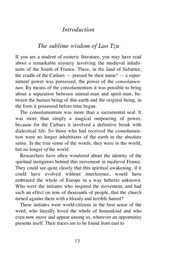
This work examines the Tao Te Ching not as a philosophical text, but as a Gnostic scripture. The authors, J. Van Rijckenborgh and Catharose de Petri, argue for a hidden spiritual message within Lao Tzu's teachings. They focus on concepts like self-surrender and the awakening of the inner spiritual principle. The book aims to reveal what it describes as the path to redemption and enlightenment through this reinterpretation.
Readers encounter a system of symbolism and mystical ideas drawn from both Taoist and Gnostic traditions. The authors present their interpretation as a means to understand the deeper, esoteric dimensions of ancient Chinese thought. The text emphasizes the practical application of these ideas for spiritual transformation.
The Chinese Gnosis emerges from the Theosophical and Gnostic revival movements of the early 20th century. It places itself within a tradition that seeks universal spiritual truths across diverse cultures, finding parallels between Eastern philosophies and Western Gnostic traditions. This approach often involves reinterpreting classical texts through a specific esoteric framework, aiming to uncover a hidden, universal doctrine. The book connects the Taoist concept of the Tao with Gnostic ideas of a divine principle and the path to spiritual liberation.
💡 Why Read This Book?
Reading The Chinese Gnosis today offers a unique opportunity to explore the intersection of ancient Chinese wisdom and modern esoteric thought. This book provides readers with a deeper understanding of the Tao Te Ching and its gnostic implications, helping them on their spiritual journey. By delving into the hidden meanings and spiritual insights contained within the text, readers can gain a greater sense of self-awareness and inner peace. The book's emphasis on 'wu wei' and self-surrender as paths to enlightenment makes it a valuable guide for anyone seeking spiritual growth.
⭐ Reader Reviews
Honest opinions from readers who have explored this book.
❓ Frequently Asked Questions
What is the main focus of The Chinese Gnosis?
The main focus of The Chinese Gnosis is the esoteric interpretation of the Tao Te Ching, presenting it as a gnostic text that offers a path to spiritual redemption and enlightenment.
Who should read this book?
This book is ideal for those interested in gnosticism, Taoist philosophy, and esoteric studies. It is suitable for both experienced spiritual seekers and those new to these fields.
What makes this interpretation of the Tao Te Ching unique?
This interpretation is unique because it blends ancient Chinese wisdom with modern esoteric thought, providing a fresh perspective on the Tao Te Ching and its spiritual implications.
🔮 Key Themes & Symbolism
Gnostic Redemption
The Chinese Gnosis interprets the Tao Te Ching as a gnostic text, focusing on the path to spiritual redemption through self-surrender and the awakening of the inner self. This theme highlights the hidden knowledge that can lead to enlightenment and the release of the divine spark within each individual.
Symbolism and Mysticism
The book examines the detailed symbolism of the Tao Te Ching, exploring concepts such as wu wei (non-action) and the idea of the Other. These symbols are integral to understanding the mystical underpinnings of Eastern philosophy and their connection to broader esoteric traditions.
Eastern and Western Esotericism
The Chinese Gnosis bridges the gap between Eastern mysticism and Western esoteric traditions, offering a unique perspective on the interconnectedness of spiritual wisdom across cultures. This theme emphasizes the universal quest for hidden knowledge and spiritual enlightenment.
💬 Memorable Quotes
Direct passages from the work, attributed to the author.
“Every pupil on the path must read and reread the Tao Teh Ching.”
— This emphasizes the importance of continuous study and reflection on the Tao Te Ching for spiritual growth.
“Self-surrender in wu wei is the key to liberation.”
— Wu wei, or non-action, is a central concept in Taoism that emphasizes effortless action and alignment with the natural flow of the universe.
“The text contains everything that the searcher for the truth needs.”
— This statement underscores the completeness and depth of the Tao Te Ching as a guide to spiritual enlightenment.
💡 Key Ideas
Editorial paraphrase of the work's core concepts — not direct quotes.
The Other, for whom Tao is destined, is caught in you.
This quote highlights the gnostic belief in the divine spark within each individual, waiting to be awakened through spiritual practices.
You can release him by letting him awaken in you.
This quote points to the gnostic idea of releasing the divine self through inner awakening and self-surrender.
🌙 Esoteric Significance
Tradition
The Chinese Gnosis belongs to the gnostic tradition, which emphasizes the search for hidden knowledge and spiritual redemption. It integrates Eastern mysticism, particularly Taoism, with Western esoteric thought, offering a unique perspective on the interconnectedness of spiritual wisdom across cultures.
Symbolism
Key symbols in the book include wu wei (non-action), the concept of the Other (the divine spark within each individual), and the idea of self-surrender as a path to liberation. These symbols are integral to understanding the mystical underpinnings of the Tao Te Ching and their connection to broader esoteric traditions.
Modern Relevance
The Chinese Gnosis remains relevant today for modern practitioners of Eastern mysticism and Western esotericism. It offers insights into the path to spiritual enlightenment and the integration of Eastern and Western spiritual traditions. Many contemporary seekers and scholars continue to explore the ideas presented in this book, finding them applicable to their own spiritual journeys.
👥 Who Should Read This Book
Beginners interested in Eastern mysticism and gnosticism will find The Chinese Gnosis to be an enlightening introduction to these complex subjects. Scholars of esoteric traditions will appreciate the clear insights and unique interpretations offered by the authors. Spiritual seekers looking to deepen their understanding of the Tao Te Ching and its mystical dimensions will find this book invaluable. Practitioners of Eastern and Western spiritual traditions will benefit from the integration of these ideas and the exploration of their interconnectedness.
📜 Historical Context
The Chinese Gnosis was written during a time when there was a growing interest in Eastern philosophies and their mystical dimensions. The authors, J. Van Rijckenborgh and Catharose de Petri, were influential figures in the Lectorium Rosicrucianum, a spiritual movement that sought to integrate Eastern and Western esoteric traditions. This book was important for its time as it provided a unique interpretation of the Tao Te Ching, bridging the gap between Eastern mysticism and Western gnosticism. Its influence can be seen in the continued exploration of the esoteric dimensions of Eastern philosophy and the integration of these ideas into modern spiritual practices.
📔 Journal Prompts
How does the concept of wu wei (non-action) apply to your daily life and spiritual practices?
Reflect on the idea of the Other within you. How can you cultivate its awakening?
What insights have you gained from reading the Tao Te Ching as a gnostic text?
How does The Chinese Gnosis bridge the gap between Eastern and Western esoteric traditions?
What symbols in the book resonate with you the most, and why?
🗂️ Glossary
Gnosis
Hidden knowledge that leads to spiritual enlightenment and redemption. In gnosticism, it refers to the awakening of the divine spark within each individual.
Tao Te Ching
A foundational text of Taoism, attributed to Lao Tzu. It explores the principles of the Tao, or the natural way of the universe.
Wu Wei
The concept of non-action or effortless action, aligning with the natural flow of the universe. It is a central idea in Taoism.
The Other
The divine spark or inner self that is waiting to be awakened through spiritual practices and self-surrender.
Lectorium Rosicrucianum
A spiritual movement founded by J. Van Rijckenborgh and Catharose de Petri, integrating Eastern and Western esoteric traditions.
This book appears in 9 collections
🔮 Readers Also Liked
Browse all →








From the “Occultism” Collection
View all →







More Free Sacred Texts & Gnosticism Books
View all →