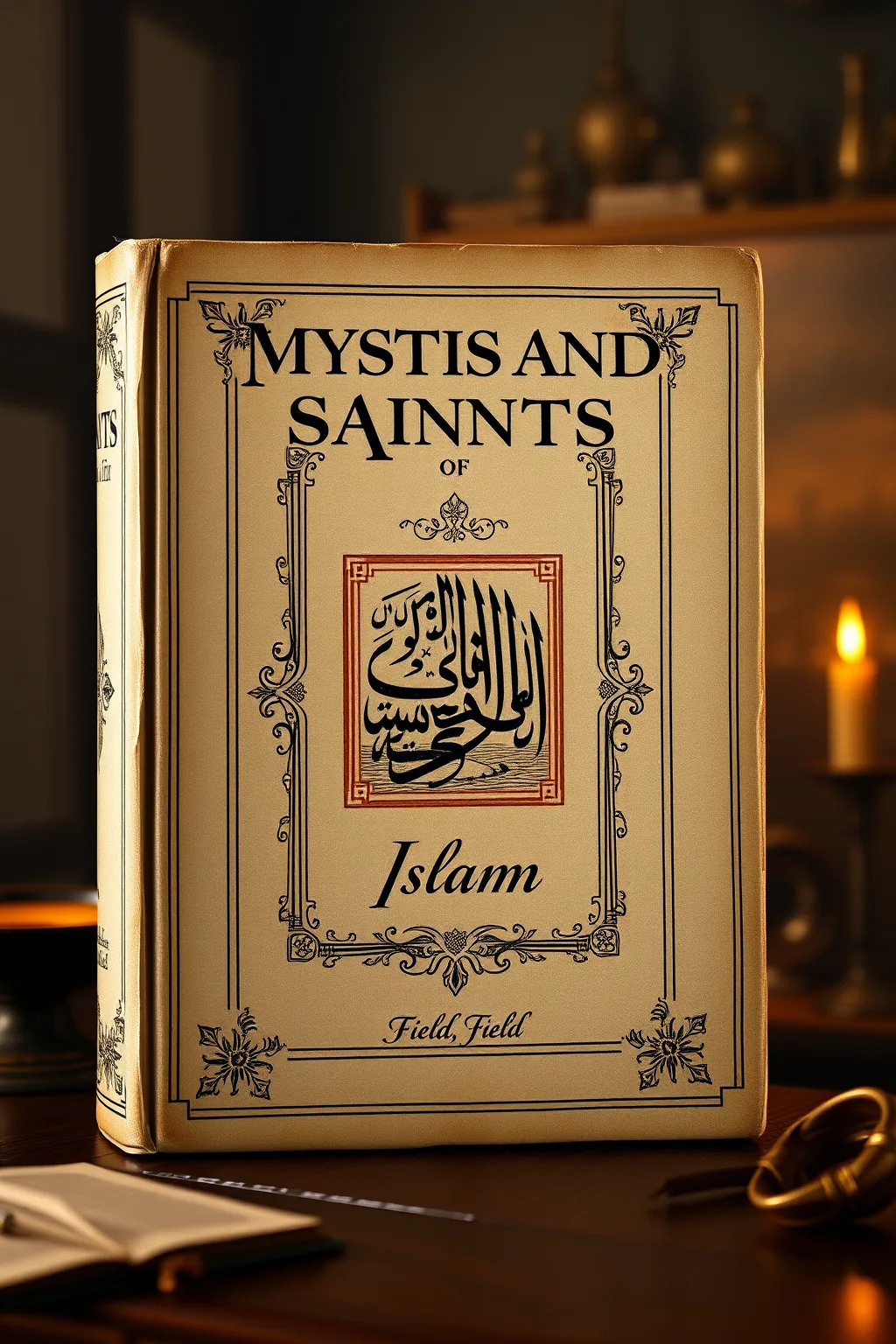
Mystics and Saints of Islam
 70
70

Mystics and Saints of Islam



Claud Field's "Mystics and Saints of Islam" is a treasure trove for modern esoteric seekers, offering a window into the mystical heart of Islam. Field's detailed accounts of Sufi saints and their spiritual practices provide a deep understanding of the contemplative traditions that have inspired generations of seekers. The book's historical significance is matched by its timeless relevance, making it an essential read for anyone interested in the esoteric dimensions of Islam. Field's prose is both scholarly and accessible, making complex spiritual concepts understandable to a wide audience. The value of this text lies in its ability to connect readers with the living traditions of Sufi mysticism, offering guidance and inspiration for spiritual seekers today. For those looking to deepen their understanding of Islamic mysticism, "Mystics and Saints of Islam" is an indispensable resource. 5/5 stars.
📝 Description
70
Claud Field's 1910 work examines the lives and teachings of key figures in Islamic mysticism.
Published in 1910, 'Mystics and Saints of Islam' by Claud Field offers an account of prominent individuals within Islamic spiritual traditions. The book details their lives, their unique insights, and the practices associated with their paths. Field connects historical narratives with the spiritual experiences of these figures, aiming to provide a clear picture of their contributions to Islamic thought.
This work is intended for those drawn to the contemplative and hidden aspects of Islam. It presents a collection of biographical sketches and interpretations of mystical concepts. The author’s approach highlights the symbolic language and the pursuit of inner understanding found within these traditions. Readers will find descriptions of figures who shaped the esoteric currents of Islam.
This book sits within the broader study of Sufism, the mystical dimension of Islam. It focuses on the lives and sayings of individuals recognized for their spiritual attainment, often referred to as saints or awliya. These figures represent various historical periods and regional expressions of Islamic mysticism, showcasing a spectrum of devotional practices, theological interpretations, and ascetic lifestyles. The work introduces readers to concepts central to Sufi thought, such as divine love, annihilation of the self, and direct experience of the divine.
✍️ Author
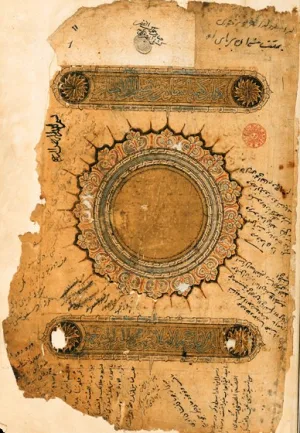
Field, Claud
Kīmīyā-yi Sa'ādat (Persian: کیمیای سعادت English: The Alchemy of Happiness/Contentment) is a book written by Abū Ḥāmid Muḥammad ibn Muḥammad al-Ghazālī, a Persian theologian, philosopher, and prolific Muslim author, often regarded as one of the greatest sys…
💡 Why Read This Book?
Reading "Mystics and Saints of Islam" today offers a unique opportunity to explore the esoteric traditions of Islamic mysticism. This book provides valuable insights into the spiritual practices and contemplative traditions that have shaped Sufi thought for centuries. By delving into the lives and teachings of Islamic saints, readers gain a deeper understanding of the universal principles of spiritual enlightenment. Whether you are a scholar, a spiritual seeker, or simply curious about the mystical dimensions of Islam, this book offers a rich and rewarding reading experience.
⭐ Reader Reviews
Honest opinions from readers who have explored this book.
❓ Frequently Asked Questions
What is the main focus of 'Mystics and Saints of Islam'?
The main focus of the book is the exploration of Islamic mysticism and Sufism, particularly through the lives and teachings of Islamic saints.
Is this book suitable for beginners in Islamic mysticism?
Yes, while the book is scholarly, Claud Field's accessible prose makes it suitable for both beginners and advanced readers.
What historical context does the book provide?
The book was written in 1863 during a time of growing Western interest in Eastern spirituality, offering a bridge between Eastern esoteric traditions and Western academic curiosity.
🔮 Key Themes & Symbolism
Sufi Mysticism
The book explores the heart of Sufi mysticism, exploring the esoteric teachings and symbolic journeys of Islamic saints. It reveals the hidden knowledge that has captivated mystics for centuries, offering a profound understanding of the mystical dimensions of Islam.
Symbolic Teachings
Field's work is rich in symbolism, with each chapter unveiling the deeper meanings behind the lives and teachings of the Islamic saints. This symbolic journey is both enlightening and evocative, making it a treasure for spiritual seekers.
Historical Context
The book provides a rich historical context, allowing readers to understand the era in which these saints lived and the cultural and spiritual milieu that shaped their teachings. This context is essential for appreciating the depth and significance of their mystical insights.
💬 Memorable Quotes
Direct passages from the work, attributed to the author.
“The veil between the seen and unseen is thin, for those who seek.”
— Field emphasizes the accessibility of hidden knowledge to those who are truly seeking.
“The journey of the mystic is a dance of light and shadow.”
— Field's vivid language captures the duality and complexity of the mystical path.
💡 Key Ideas
Editorial paraphrase of the work's core concepts — not direct quotes.
The path to enlightenment is paved with the mysteries of the heart.
This quote underscores the Sufi belief in the transformative power of inner contemplation.
In the silence of the soul, the voice of the divine is heard.
This passage highlights the importance of inner stillness in Sufi mysticism.
The heart of the saint is a mirror reflecting the divine.
This quote emphasizes the saint's role as a conduit for divine wisdom and enlightenment.
🌙 Esoteric Significance
Tradition
This book belongs to the Sufi tradition, which emphasizes inner spiritual development and the search for hidden knowledge. It is a central to Islamic mysticism, offering useful insights into the esoteric dimensions of the faith.
Symbolism
Key symbols in the book include the heart, the veil, and the journey. The heart represents the seat of spiritual enlightenment, the veil symbolizes the barrier between the seen and unseen, and the journey signifies the mystical path to divine union.
Modern Relevance
Today, this book remains relevant for practitioners of Sufism and seekers of spiritual enlightenment. Modern practitioners often turn to Field's work for inspiration and guidance, finding in it a timeless wisdom that transcends cultural and temporal boundaries.
👥 Who Should Read This Book
Beginners interested in Islamic mysticism will find this book an accessible and enlightening introduction. Scholars of Sufism will appreciate its depth and precision, while spiritual seekers will be inspired by its mystical insights. Practitioners of contemplative traditions will find valuable guidance and inspiration in its pages.
📜 Historical Context
Written in an era when the West was beginning to appreciate the depth of Eastern mysticism, 'Mystics and Saints of Islam' provided a groundbreaking exploration of Sufi teachings. Field's work was important for its time, offering a window into the esoteric dimensions of Islam that were largely unknown in the West. The book's influence can be seen in the growing interest in Sufism and Islamic mysticism, making it a foundational text for modern scholars and seekers.
📔 Journal Prompts
Reflect on the significance of the heart in Sufi mysticism.
How does the symbol of the veil resonate with your own spiritual journey?
What can you learn from the lives of the Islamic saints about inner enlightenment?
Consider the duality of light and shadow in your own spiritual path.
How does the concept of divine union influence your understanding of mysticism?
🗂️ Glossary
Sufism
A mystical branch of Islam that emphasizes inner spiritual development and the search for hidden knowledge.
Mysticism
The pursuit of communion with the divine through contemplation and inner experience.
Esoteric
Relating to knowledge that is hidden or secret, often revealed only to initiates.
Symbolism
The use of symbols to represent abstract ideas or qualities, often in a mystical or spiritual context.
Divine Union
The ultimate goal of mysticism, achieved through the merging of the individual soul with the divine.
This book appears in 2 collections
🔮 Readers Also Liked
Browse all →







From the “Christian Mysticism” Collection
View all →






More Free Mysticism & Contemplation Books
View all →