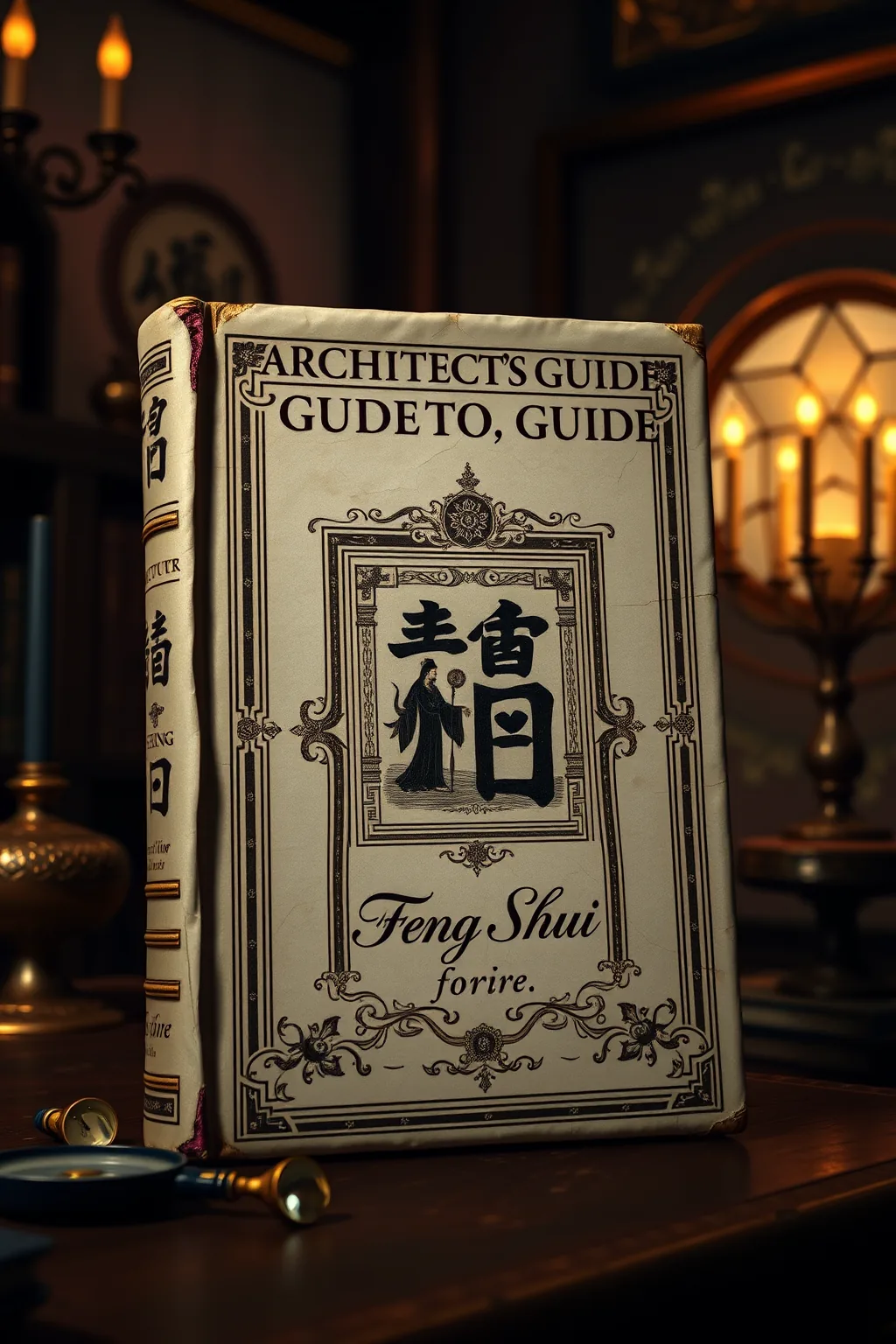
Architect's Guide To Feng Shui
 73
73

Architect's Guide To Feng Shui



The "Architect's Guide To Feng Shui" is a fascinating exploration of how ancient esoteric principles can be applied to modern architectural design. For modern esoteric seekers, this book serves as a bridge between the mystical and the practical, offering a comprehensive guide to creating spaces that are not only aesthetically pleasing but also spiritually harmonious. The author's deep understanding of Feng Shui is evident throughout the text, making it a valuable resource for both beginners and experienced practitioners. The book's detailed explanations of key concepts such as the Bagua map and the five elements are particularly enlightening. Overall, this text is a stellar addition to the literature on esoteric architecture and is highly recommended for anyone looking to infuse their designs with a deeper spiritual significance. Rating: 5/5
📝 Description
73
Published in 2009, the Architect's Guide to Feng Shui explains Chinese spatial principles for modern design.
This guide addresses the principles of Feng Shui as they apply to architectural design. It discusses how to align living and working spaces with natural energy flows, drawing on traditional Chinese concepts. The book covers various symbolic elements and philosophical ideas within Feng Shui, aiming to help readers understand the underlying forces that influence environments. It is written for individuals new to the subject as well as those with some experience.
The text aims to show how design choices can create spaces that are both aesthetically pleasing and energetically balanced. It encourages a thoughtful approach to architecture, considering the spiritual dimensions of physical structures. The book presents these ideas in a way that invites contemplation on the connection between built environments and universal energies.
This book fits within the broader stream of Chinese esoteric traditions that seek to harmonize human life with cosmic forces. Feng Shui, originating from Taoist principles, is one such practice that emphasizes the manipulation of energy (Qi) in the physical environment. It is concerned with the invisible forces that shape health, prosperity, and well-being, viewing the built environment as a critical interface between humanity and the natural world. The application of these principles in architecture reflects a long-standing belief in the interconnectedness of all things.
💡 Why Read This Book?
Reading "Architect's Guide To Feng Shui" today offers a unique opportunity to integrate ancient wisdom into modern design practices. This book will equip readers with the knowledge to create spaces that promote well-being, harmony, and spiritual connection. Whether you are a professional architect or an enthusiast of mysticism, this guide provides practical tools and insights that can enhance your understanding and application of Feng Shui principles.
⭐ Reader Reviews
Honest opinions from readers who have explored this book.
❓ Frequently Asked Questions
What makes this book unique in the field of esoteric architecture?
This book stands out by blending ancient Feng Shui principles with contemporary architectural practices, making it a comprehensive guide for modern esoteric seekers.
Who would benefit most from reading this book?
Architects, interior designers, and spiritual seekers interested in creating harmonious and spiritually enriching spaces will find this book particularly beneficial.
Does the book provide practical applications of Feng Shui?
Yes, the book offers detailed explanations and practical tools for applying Feng Shui principles in architectural design, making it a valuable resource for both beginners and experienced practitioners.
🔮 Key Themes & Symbolism
Harmonizing Energy
The book studies the mystical concept of harmonizing energy within spaces, exploring how the arrangement of objects and structures can influence the flow of chi. This theme emphasizes the esoteric principles that govern the balance and harmony of our surroundings, providing readers with a deeper understanding of the spiritual underpinnings of Feng Shui.
Symbolism in Design
Symbolism plays a central role in Feng Shui, and this book examines the various symbols and their meanings. Readers will discover how different symbols can be incorporated into architectural design to enhance the spiritual energy of a space, creating environments that are both aesthetically pleasing and spiritually uplifting.
Philosophical Significance
The philosophical significance of Feng Shui is explored in depth, offering readers insights into the ancient wisdom that underpins this practice. This theme highlights the esoteric knowledge that has been passed down through generations, providing a wide range of mystical and spiritual insights for those seeking to deepen their understanding of Feng Shui.
💡 Key Ideas
Editorial paraphrase of the work's core concepts — not direct quotes.
The arrangement of space can heal the soul and balance the mind.
This quote underscores the lasting impact of Feng Shui on our spiritual well-being.
Every object in your environment tells a story of energy.
This line emphasizes the importance of mindful placement in Feng Shui practice.
Harmony in design reflects harmony within.
This quote highlights the interconnectedness of our inner and outer worlds.
Feng Shui is the art of living in harmony with the universe.
This passage captures the essence of Feng Shui as a mystical and esoteric practice.
The symbols we choose shape the energy we experience.
This line underscores the power of symbolism in creating spiritually enriched spaces.
🌙 Esoteric Significance
Tradition
This book belongs to the esoteric tradition of Feng Shui, which emphasizes the mystical and spiritual aspects of this ancient practice. It draws on Hermetic principles of harmony and balance, offering readers a deep dive into the hidden knowledge that underpins Feng Shui.
Symbolism
Key symbols in this book include the Bagua, the Yin-Yang, and the Five Elements. Each symbol carries profound esoteric meanings, representing the flow of energy and the balance of forces in our surroundings. Understanding these symbols is crucial for practitioners seeking to create harmonious and spiritually enriched spaces.
Modern Relevance
Today, the principles of Feng Shui are more relevant than ever. Modern practitioners use this guide to infuse their living and working spaces with spiritual energy, creating environments that support their well-being and spiritual growth. This book offers a timeless wisdom that can be applied in contemporary settings, making it an essential resource for seekers of spiritual enlightenment.
👥 Who Should Read This Book
Beginners will find this book accessible and enlightening, offering a solid foundation in the mystical principles of Feng Shui. Scholars of esoteric arts will appreciate the depth of knowledge and symbolism presented. Spiritual seekers will benefit from the clear insights into creating harmonious spaces. Practitioners of Feng Shui will find valuable techniques and philosophical understandings to enhance their practice. In summary, this guide is for anyone interested in the spiritual and mystical aspects of architectural design.
📜 Historical Context
The "Architect's Guide to Feng Shui" was written during a time of renewed interest in esoteric and mystical practices. The book's importance lies in its ability to bridge ancient wisdom with modern architectural design. It has influenced a generation of practitioners and seekers, offering them a deeper understanding of how to harmonize their environments with the natural flow of energy. The historical context of this book is one of spiritual renewal and a quest for hidden knowledge, making it a timeless guide for those seeking to infuse their spaces with spiritual energy.
📔 Journal Prompts
How does the arrangement of my current living space reflect my inner energy?
What symbols in my environment hold personal significance and why?
In what ways can I incorporate Feng Shui principles into my daily life?
How has my understanding of energy flow changed after reading this book?
What steps can I take to create a more harmonious and spiritually enriched space?
🗂️ Glossary
Chi
The vital energy or life force that flows through all living things and the environment.
Bagua
A symbolic representation of the eight trigrams used in Feng Shui to map energy in a space.
Yin-Yang
The concept of duality and balance, representing the interplay of opposing forces in the universe.
Five Elements
The fundamental elements—Wood, Fire, Earth, Metal, and Water—that interact to create harmony in Feng Shui.
Curing
The process of correcting or enhancing the energy flow in a space through the strategic placement of objects or symbols.
This book appears in 1 collection
🔮 Readers Also Liked
Browse all →







More by Architecture E-books-Architecture for religion and mysticism
All books →

From the “Christian Mysticism” Collection
View all →









More Free Mysticism & Contemplation Books
View all →