What are the Desert Fathers?
The Desert Fathers were early Christian monks and ascetics who lived primarily in the deserts of Egypt, Syria, and Palestine from the 3rd to the 5th centuries CE. They sought spiritual perfection through prayer, fasting, solitude, and renunciation of worldly possessions and comforts. Their lives and teachings, often conveyed through anecdotes and maxims, formed the bedrock of Christian monasticism and profoundly influenced theological and spiritual development throughout history.
Best Books for Complete Beginners
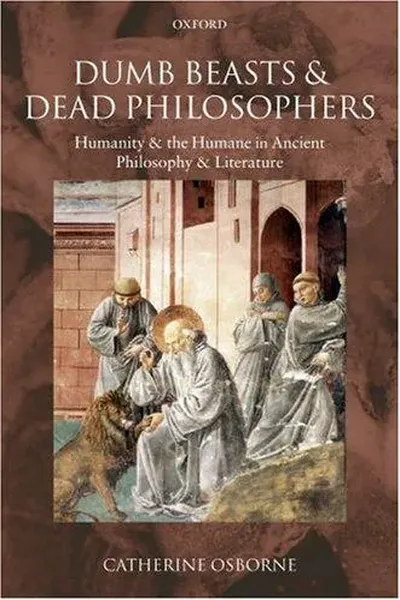
For those new to the Desert Fathers, starting with accessible compilations is recommended. *Historia Lausiaca* by Palladius offers a collection of stories and lives, providing an overview of many key figures and their practices. *Weisheit aus der Wüste* by Yushi Nomura and Henri J. M. Nouwen presents selections in a more devotional style. *Vom Weg zum reinen Herzen* by Ulrike Wick-Alda offers practical spiritual guidance derived from their traditions. *Dumb Beasts and Dead Philosophers* by Catherine Osborne provides a modern, critical lens on early asceticism. *Als die Religion noch nicht langweilig war* by Hans Conrad Zander offers a narrative introduction to early monasticism.
Intermediate Reading
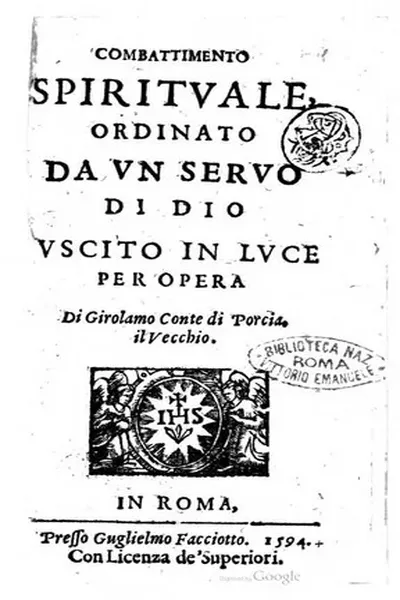
Moving beyond introductory material, examine more specific theological and historical contexts. *Leben des Antonius* by Atanasio (santo, vescovo di Alessandria) is a foundational biography of one of the most significant figures. *Briefe aus der Wüste* by Ponticus Evagrius offers direct spiritual instruction from a prominent desert monk. *Il Combattimento Spirituale* by Lorenzo Scupoli, though later, draws heavily on desert ascetic principles. *Eschatologie im ägyptischen Mönchtum* by Dēmētrios Moschos explores specific theological themes within Egyptian monasticism. *Two Studies on Syrian Mysticism and Asceticism* broadens the geographical scope.
Classical / Advanced Texts
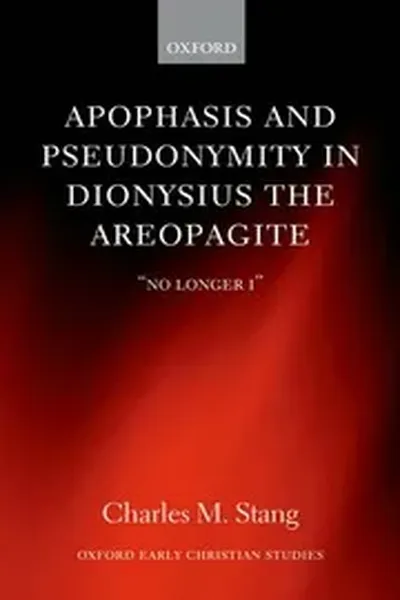
Advanced study involves engaging with primary sources and detailed scholarly analysis. *Apophasis and Pseudonymity in Dionysius the Areopagite* (2012) offers a deep dive into a figure heavily influenced by the desert tradition. *Historia Monachorum* by Tyrannius Rufinus (edited by Eva Schulz-Flügel) is another crucial early account of monastic life. *Die Mönchsregeln der Pachomianer* by Christoph Joest presents foundational monastic rules. *Das Ideal der Wüstenaskese und seine Rezeption in Gallien bis zum Ende des 6. Jahrhunderts* by Maria-Elisabeth Brunert examines the transmission of desert ideals. *Christians and Platonists* by Theodore Sabo explores philosophical influences.
Reading Order — Step by Step
Begin with foundational narratives and biographies. Weeks 1-2: Read Palladius's *Historia Lausiaca* and Atanasio's *Leben des Antonius* for broad context and key figures. Month 2: Explore more direct teachings with Evagrius Ponticus's *Briefe aus der Wüste* and Lorenzo Scupoli's *Il Combattimento Spirituale*. Investigate specific monastic rules with *Die Mönchsregeln der Pachomianer*. Month 3+: Engage with scholarly analyses like *Apophasis and Pseudonymity in Dionysius the Areopagite* and texts examining geographical or thematic aspects, such as *Two Studies on Syrian Mysticism and Asceticism*.
Frequently Asked Questions
Which Desert Fathers book should I read first?
Begin with Palladius's *Historia Lausiaca*. It offers a broad collection of lives and anecdotes, serving as an excellent introduction to the key figures and themes of desert monasticism without requiring prior knowledge.
What is the difference between Desert Fathers and Desert Mothers?
The 'Desert Fathers' traditionally refers to the male ascetics of early Christianity. However, there were also significant female monastics, often termed 'Desert Mothers,' whose lives and spiritual contributions are increasingly recognized, though sometimes less documented in primary sources.
Are the Desert Fathers important for Orthodox Christianity?
Yes, the Desert Fathers are foundational figures for Orthodox Christianity. Their ascetic practices, emphasis on prayer, and mystical theology form a core part of Orthodox spiritual tradition and monasticism.
How did the Desert Fathers influence Western Christianity?
The Desert Fathers profoundly influenced Western Christianity through figures like John Cassian, who transmitted their teachings to Gaul. Their emphasis on spiritual struggle, prayer, and monastic discipline shaped medieval monasticism and continues to inform spiritual writing.
What were the main challenges faced by the Desert Fathers?
They faced physical challenges like harsh desert conditions, scarcity of resources, and illness. Spiritually, they battled demonic temptations, internal distractions (logismoi), and the struggle for constant prayer and detachment from worldly desires.
Is there a connection between the Desert Fathers and Gnosticism?
While some figures within early monasticism had Gnostic leanings or were influenced by Gnostic ideas, the dominant tradition of the Desert Fathers was orthodox Christian. Texts like *Garden of the gnostics by Nawawi* explore these intersections, but the core Desert Father tradition emphasized different theological paths.
What is the significance of the 'Apophthegmata'?
The 'Apophthegmata' are collections of sayings and short stories attributed to the Desert Fathers. They are significant because they provide direct, often practical, spiritual instruction and insights into the daily lives and struggles of these early monks.
Are there any books on Islamic mystics related to the Desert Fathers?
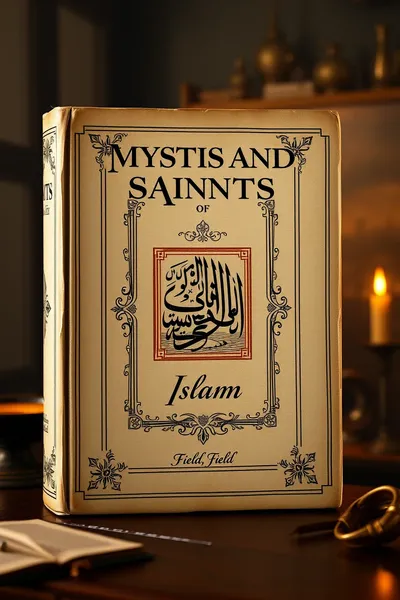
Yes, the provided catalog includes titles like *Mystics and Saints of Islam* by Claud Field and *The Mystics of Islam* by Reynold Alleyne Nicholson. These explore Sufi traditions, which share thematic and practical resonances with early Christian desert asceticism.