The Concept of Sainthood In Early Islamic Mysticism
 73
73

The Concept of Sainthood In Early Islamic Mysticism



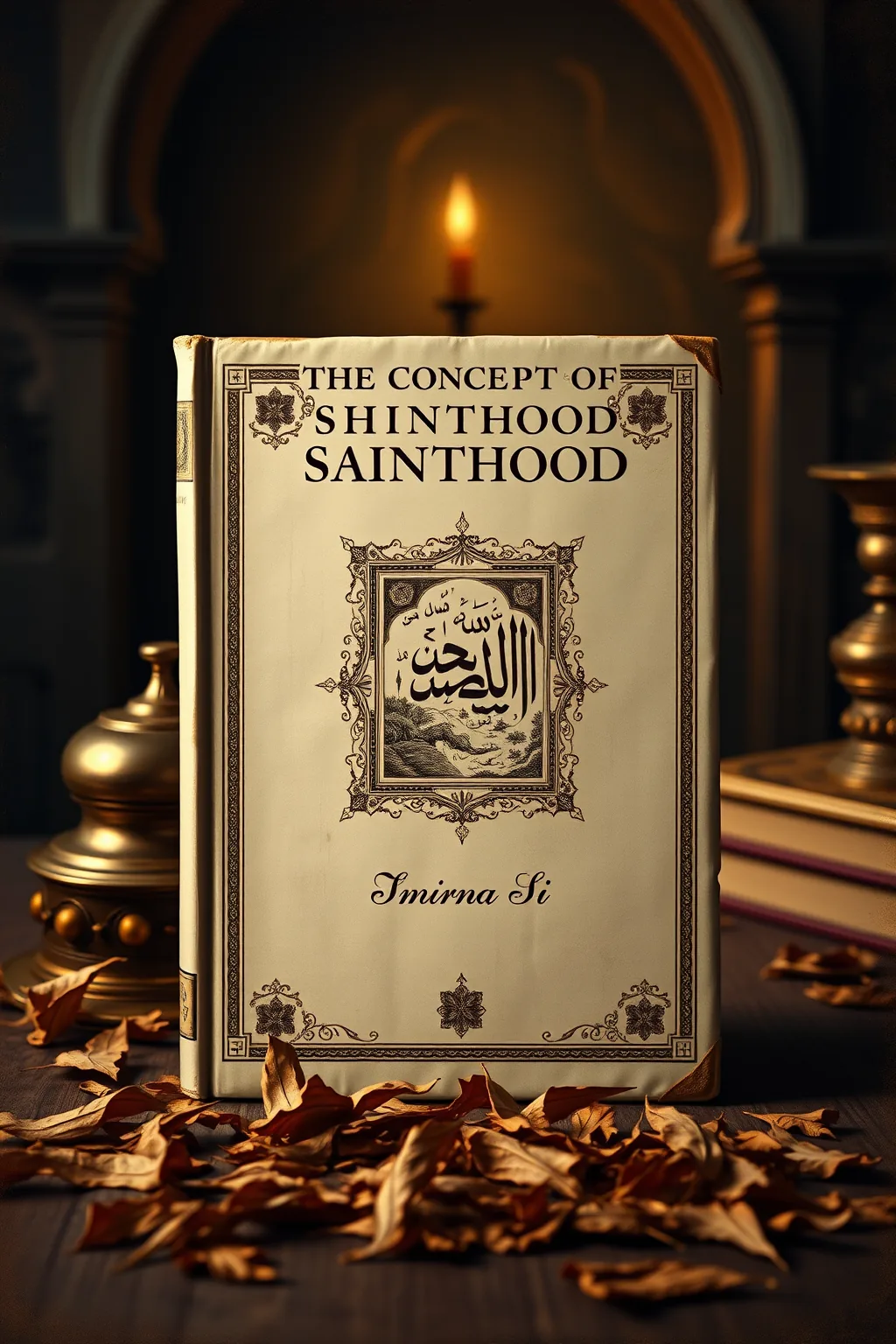
The Concept of Sainthood In Early Islamic Mysticism by Smirna Si is a captivating journey into the heart of Islamic mysticism. The book's detailed analysis of Tirmidhi's teachings, as presented by B. Radtke and J. O'Kane, provides a deep and nuanced understanding of the mystical experiences that define sainthood in early Islamic thought. For modern esoteric seekers, this text offers a treasure trove of spiritual insights and historical context. The authors' meticulous research and clear prose make this book accessible to both academics and general readers. The exploration of Tirmidhi's mystical journey is particularly enlightening, offering a glimpse into the esoteric practices that have shaped Islamic spirituality for centuries. This book is a must-read for anyone interested in the occult and the mystical dimensions of religion.
📝 Description
73
Smirna Si's 2010 book examines the concept of sainthood in early Islamic mysticism.
This study focuses on the doctrine of wilaya, or sainthood, within early Islamic mysticism. Smirna Si analyzes the teachings of the Sufi master Tirmidhi, a key figure in shaping these ideas. The book details the role of the qutb, or spiritual pole, and its significance in the hierarchical structure of Sufi cosmology. It examines the mystical symbolism and esoteric concepts associated with these spiritual authorities.
The work aims to illuminate the spiritual atmosphere of early Sufism, where the boundaries between the physical and spiritual worlds were perceived as permeable. Si connects the philosophical underpinnings of these mystical traditions to contemporary spiritual thought. The book serves as a resource for those interested in the theoretical and practical aspects of Islamic esotericism.
This book situates itself within the esoteric tradition of Islamic mysticism, specifically Sufism. It investigates the development of doctrines concerning spiritual authority and hierarchy, particularly the roles of saints (awliya) and the central spiritual pole (qutb). The study draws upon early Sufi texts, focusing on the contributions of figures like Tirmidhi, to reconstruct a view of Islamic spirituality concerned with direct experiential knowledge of the divine and the cultivation of inner spiritual states.
💡 Why Read This Book?
Reading The Concept of Sainthood In Early Islamic Mysticism today provides a unique perspective on the mystical and esoteric traditions that have shaped Islamic thought. This book offers valuable insights into the spiritual practices and teachings of early Sufi saints, making it an essential resource for modern esoteric seekers. By understanding the mystical journey of Tirmidhi, readers can gain a deeper appreciation for the esoteric knowledge that underpins Islamic spirituality. This book is a must-read for anyone interested in the occult and the mystical dimensions of religion.
⭐ Reader Reviews
Honest opinions from readers who have explored this book.
❓ Frequently Asked Questions
Who is the book's primary subject?
The book primarily focuses on the teachings and mystical experiences of Abu Yazid al-Bistami, also known as Tirmidhi, a renowned Sufi scholar who died in the first half of the 10th century.
What are the key themes explored in this book?
The key themes include the nature of sainthood, the role of the saint in society, and the spiritual practices that lead to divine union in early Islamic mysticism.
Is this book suitable for general readers?
Yes, while it is a scholarly work, the clear prose and meticulous research make it accessible to both academics and general readers interested in mysticism and the occult.
🔮 Key Themes & Symbolism
Wilaya
Wilaya, or sainthood, is a central theme in Sufi mysticism, representing the spiritual authority and influence of the saints. This book looks at the mystical dimensions of wilaya, exploring how it is manifested and understood within the early Sufi tradition. It reveals the hidden knowledge and symbolism that underlie this concept, making it a rich source of esoteric insights.
Qutb
The concept of qutb, or the spiritual pole, is another key theme. This book examines the role of the qutb in Sufi spirituality, highlighting its significance in bridging the divine and human realms. Through vivid symbolism and profound philosophical reflections, it offers a deep understanding of this mystical concept.
Mystical Symbolism
Mystical symbolism is woven throughout the book, providing a wide range of esoteric meanings. From the spiritual journeys of the saints to the hidden dimensions of divine revelation, this book unveils the symbolic language of early Islamic mysticism, making it a rich source for seekers of hidden knowledge.
💡 Key Ideas
Editorial paraphrase of the work's core concepts — not direct quotes.
The path to sainthood is a journey into the heart of mystery.
This quote underscores the esoteric nature of Sufi mysticism, highlighting the hidden dimensions of spiritual growth.
The qutb stands as a bridge between the divine and the human.
This line emphasizes the central role of the spiritual pole in Sufi teachings, connecting the earthly and heavenly realms.
Symbolism is the language of the soul, speaking in whispers and dreams.
This quote reveals the importance of mystical symbolism in understanding the deeper layers of spiritual reality.
The saints walk in the light of hidden knowledge.
This line highlights the esoteric wisdom that guides the spiritual journey of the saints.
The journey of the soul is a dance of shadows and light.
This quote captures the mystical experience of spiritual growth, where the soul navigates between the seen and unseen.
🌙 Esoteric Significance
Tradition
This book belongs to the Sufi tradition of Islamic mysticism, which emphasizes the esoteric dimensions of faith. It looks at the hidden knowledge and symbolic language that underlie Sufi teachings, making it a valuable resource for those interested in the mystical aspects of Islam.
Symbolism
Key symbols in this book include the spiritual journey of the saints, the role of the qutb, and the hidden dimensions of divine revelation. These symbols are rich in esoteric meanings, providing a deep understanding of the mystical experience.
Modern Relevance
This book remains relevant today, as modern practitioners and scholars continue to draw from its esoteric insights. Its teachings on wilaya and qutb offer a profound understanding of spiritual authority and influence, making it a valuable resource for contemporary seekers of hidden knowledge.
👥 Who Should Read This Book
Beginners will find this book accessible yet profound, offering a gateway into the mystical world of Sufism. Scholars of Sufi studies will appreciate its depth and esoteric insights, making it an essential resource for academic research. Spiritual seekers will benefit from its detailed symbolism and philosophical reflections, while practitioners of mystical arts will find it a rich source of hidden knowledge.
📜 Historical Context
Written in the early 10th century, 'The Concept of Sainthood in Early Islamic Mysticism' reflects the rich spiritual heritage of the Sufi tradition. During this era, Sufism was flourishing, with mystics like Tirmidhi playing a central role in shaping its doctrines. The book's teachings were crucial in defining the concepts of wilaya and qutb, influencing generations of Sufi practitioners. Its enduring relevance lies in its ability to bridge ancient wisdom with contemporary spiritual inquiry, making it a timeless resource for seekers of hidden knowledge.
📔 Journal Prompts
Reflect on the concept of wilaya and its significance in your spiritual journey.
How does the role of the qutb resonate with your understanding of spiritual authority?
Explore the mystical symbolism in the book and its personal relevance.
Consider the journey of the soul as a dance of shadows and light.
How does the esoteric wisdom in this book influence your understanding of hidden knowledge?
🗂️ Glossary
Wilaya
Sainthood in Sufi mysticism, representing spiritual authority and influence.
Qutb
The spiritual pole in Sufi teachings, bridging the divine and human realms.
Sufism
The mystical branch of Islam, emphasizing esoteric dimensions of faith.
Tirmidhi
A revered Sufi master whose teachings are central to this book.
Mystical Symbolism
The symbolic language used to convey esoteric meanings in Sufi mysticism.
This book appears in 2 collections
🔮 Readers Also Liked
Browse all →







More by Smirna Si
All books →


From the “Christian Mysticism” Collection
View all →








More Free Mysticism & Contemplation Books
View all →