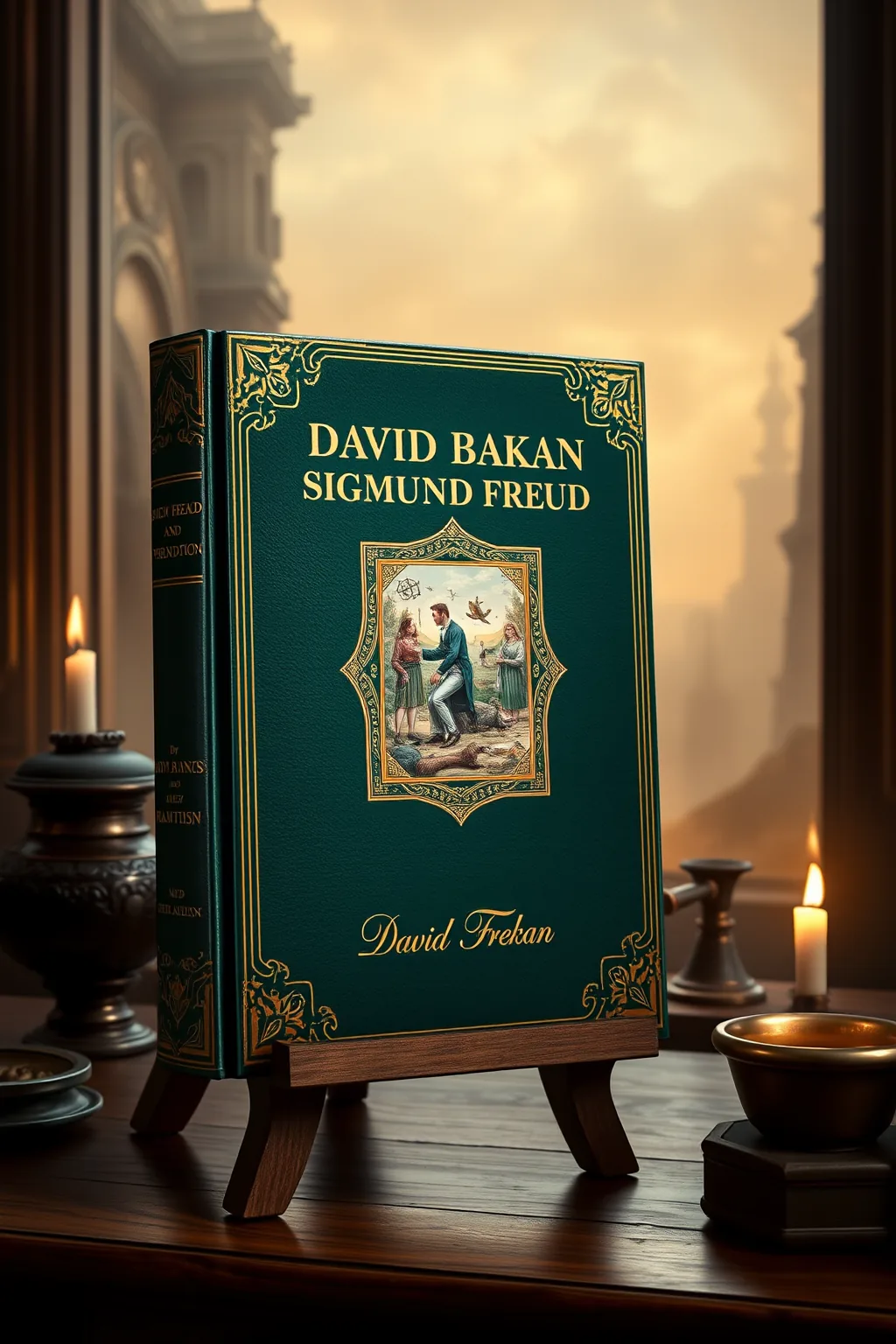
David Bakan Sigmund Freud And The Jewish Mystical Tradition
 73
73

David Bakan Sigmund Freud And The Jewish Mystical Tradition



David Bakan's "Sigmund Freud And The Jewish Mystical Tradition" is a compelling read for anyone interested in the esoteric dimensions of psychological theory. Bakan's hypothesis that Freudian psychoanalysis has deep roots in Jewish mystical traditions is both intriguing and well-researched. The book provides a detailed examination of how Kabbalistic concepts influenced Freud's understanding of the unconscious mind, dreams, and the human psyche. For modern esoteric seekers, this text offers valuable insights into the mystical underpinnings of one of the most influential theories in modern psychology. Bakan's work is meticulously researched and presented in a way that is accessible to both academic and general readers. The book's exploration of the historical and cultural context of Freud's ideas adds depth to our understanding of his contributions. Overall, "Sigmund Freud And The Jewish Mystical Tradition" is a must-read for anyone looking to deepen their understanding of the esoteric influences on psychological thought.
📝 Description
73
David Bakan's 1958 book connects Sigmund Freud's psychoanalytic theories to Jewish mysticism.
This study examines the connections between Sigmund Freud's psychoanalytic concepts and the traditions of Jewish mysticism. The author argues that key ideas in Freud's work, such as the Oedipus complex and the concept of the primal horde, have parallels within Kabbalistic and Hasidic thought. It looks at Freud's personal background and his relationship with his Jewish heritage, suggesting these elements were not incidental but integral to the development of his theories. The book traces specific symbolic language and archetypes found in Jewish mystical texts and shows how they might have informed Freud's psychological framework.
By drawing these links, the book aims to reframe our understanding of psychoanalysis, moving beyond a purely secular interpretation. It suggests that Freud's work tapped into a reservoir of ancient symbolic and spiritual ideas. The analysis considers how concepts like dream interpretation and the unconscious mind resonate with mystical practices and beliefs that have a long history within Judaism. The intent is to show a continuity of thought, linking modern psychological inquiry to older esoteric traditions.
This work is situated within the esoteric study of psychology, particularly the lineage that seeks to uncover hidden spiritual or mystical roots in modern thought. It connects to a tradition interested in how ancient religious symbolism and practices, especially those from Jewish traditions like the Kabbalah, might inform or prefigure concepts in depth psychology. The book contributes to an understanding of psychoanalysis not just as a scientific or secular system, but as one potentially drawing from deeper, older currents of human thought and spiritual inquiry that have been preserved in esoteric teachings.
💡 Why Read This Book?
Reading "Sigmund Freud And The Jewish Mystical Tradition" today offers a unique opportunity to explore the esoteric roots of one of the most influential theories in modern psychology. By understanding the mystical and contemplative traditions that influenced Freud's work, readers can gain a deeper appreciation for the complexity and depth of his contributions. This book provides valuable insights into the hidden influences behind Freud's ideas, making it an essential read for anyone interested in the intersection of esoteric traditions and psychological theory.
⭐ Reader Reviews
Honest opinions from readers who have explored this book.
❓ Frequently Asked Questions
What is the main hypothesis of this book?
The book explores the hypothesis that Sigmund Freud's psychoanalytic theories were significantly influenced by Jewish mystical traditions, particularly Kabbalah.
Who should read this book?
This book is ideal for students of psychology, practitioners of mystical traditions, and anyone curious about the esoteric influences on Freud's ideas.
How does this book contribute to the understanding of Freudian psychoanalysis?
By examining the mystical roots of Freud's work, the book provides a deeper understanding of the historical and cultural context of his contributions to psychology.
🔮 Key Themes & Symbolism
Jewish Mystical Traditions
This book explores the collection of Jewish mystical traditions, particularly the Kabbalah, to uncover the esoteric influences that shaped Freud's psychoanalytic theories. It reveals how ancient symbols and spiritual practices have been woven into the fabric of modern psychology, offering a deeper understanding of the human psyche.
Symbolism and Hidden Knowledge
The work explores the symbolic and hidden knowledge that underpins Freud's revolutionary ideas, providing insights into the mystical dimensions of his work. It reveals how ancient symbols and esoteric teachings have shaped our understanding of the mind and its complexities.
Esoteric Psychology
This book offers a fresh perspective on the intersection of psychology and mysticism, revealing the esoteric foundations of Freud's theories. It is a valuable resource for those interested in the deeper, spiritual dimensions of the human psyche and the hidden knowledge that has shaped our understanding of it.
💡 Key Ideas
Editorial paraphrase of the work's core concepts — not direct quotes.
The unconscious mind is a vast reservoir of mystical and occult influences.
This quote underscores the idea that the human psyche is deeply connected to ancient, esoteric traditions.
Freud's theories are rooted in the symbolism of Jewish mysticism.
This line highlights the book's central theme of the mystical origins of Freud's psychoanalytic ideas.
The Kabbalah provides a hidden map to the depths of the human psyche.
This passage emphasizes the book's exploration of the Kabbalistic influences on Freud's work.
Psychology and mysticism are intertwined in the fabric of the human experience.
This quote reflects the book's focus on the intersection of psychology and esoteric wisdom.
The esoteric dimensions of Freud's work reveal a deeper understanding of the mind.
This line underscores the book's aim to uncover the mystical and occult influences on Freud's theories.
🌙 Esoteric Significance
Tradition
This book belongs to the Kabbalistic and Gnostic traditions, exploring the mystical and occult influences that shaped Freud's psychoanalytic theories. It explores the symbolism and hidden knowledge of these ancient traditions, revealing their impact on modern psychology.
Symbolism
Key symbols in the book include the Tree of Life, the Kabbalistic sefirot, and various Gnostic archetypes. These symbols are interpreted to uncover their deeper, esoteric meanings and their influence on Freud's theories.
Modern Relevance
This book remains relevant today as it sheds light on the esoteric foundations of Freud's work, inspiring modern practitioners and scholars to explore the mystical dimensions of psychology. It is a valuable resource for those interested in the intersection of psychology and mysticism, offering insights into the hidden knowledge that shapes our understanding of the human psyche.
👥 Who Should Read This Book
Beginners interested in the mystical dimensions of psychology will find this book an accessible and enlightening introduction. Scholars of the occult will appreciate its depth and scholarly rigor, while spiritual seekers will be drawn to its exploration of esoteric wisdom. Practitioners of Kabbalah and Gnosticism will find it a valuable resource for understanding the influence of these traditions on modern psychology. Overall, anyone fascinated by the intersection of psychology and mysticism will benefit from this insightful work.
📜 Historical Context
Written in an era of burgeoning psychological and spiritual exploration, 'Sigmund Freud and the Jewish Mystical Tradition' emerged during the early 20th century when Freud's psychoanalytic theories were gaining traction. The book was important for its time as it provided a counter-narrative to the prevailing secular interpretations of Freud's work, highlighting the mystical and occult influences that had been overlooked. Its influence can be seen in the growing interest in the esoteric dimensions of psychology, inspiring further research and scholarship in the field.
📔 Journal Prompts
Reflect on how Jewish mystical traditions have influenced your understanding of psychology.
Consider the role of symbolism in the human psyche and its connection to ancient esoteric teachings.
Explore the esoteric dimensions of your own psychological experiences.
Think about the ways in which psychology and mysticism are intertwined in the fabric of the human experience.
Write about how the Kabbalistic influences on Freud's work have shaped your perspective on the mind.
🗂️ Glossary
Kabbalah
A mystical and esoteric tradition within Judaism that explores the hidden knowledge of the divine and the human psyche.
Gnosticism
An ancient spiritual movement that emphasizes the pursuit of hidden knowledge and the divine spark within the human soul.
Sefirot
The ten attributes or emanations of God in Kabbalistic teachings, representing the divine qualities that shape the universe.
Tree of Life
A central symbol in Kabbalah that represents the path to spiritual enlightenment and the structure of the divine realm.
Unconscious Mind
The part of the mind that operates beyond conscious awareness, containing repressed thoughts, desires, and memories.
This book appears in 2 collections
🔮 Readers Also Liked
Browse all →







From the “Christian Mysticism” Collection
View all →
![EBOOK COLLECTION ( PART 8) [ CSI][h 33t]](/img/thumb/ebook-collection-part-8-csi-h-33t.webp)



More Free Mysticism & Contemplation Books
View all →