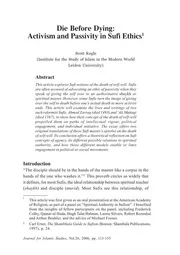
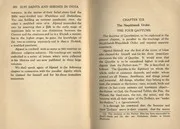
Muslim Civilisation during the Abbasid Period

 79
79

Muslim Civilisation during the Abbasid Period



Thomas W. Arnold's Muslim Civilisation during the Abbasid Period is a treasure trove for modern esoteric seekers. Arnold's meticulous research and clear prose make this historical study both accessible and enlightening. The book's exploration of mystical and contemplative practices within the Abbasid dynasty offers a unique perspective on Islamic spirituality. For those interested in the esoteric traditions of Islam, this text provides a rich historical context that enhances understanding of Sufism and other mystical paths. Arnold's analysis of political theory and administrative organization also sheds light on how spiritual and secular realms interacted during this era. Overall, this book is a must-read for anyone seeking to deepen their knowledge of Islamic mysticism and its historical roots.
📝 Description
79
Thomas W. Arnold's 1913 book examines the esoteric dimensions of Muslim civilization under the Abbasids.
Thomas W. Arnold's study, first published in 1913, looks beyond the conventional historical accounts of the Abbasid Caliphate (8th to 13th centuries). It investigates the symbolic meanings and mystical currents present within the era's intellectual and cultural life. Arnold draws attention to the hidden philosophies and spiritual interpretations that informed the period's developments, connecting them to broader traditions of Islamic thought. The book aims to uncover the less obvious aspects of this civilization, appealing to readers interested in the spiritual underpinnings of history. It considers how symbolic language and esoteric concepts shaped the worldview of the time.
Arnold's work offers a perspective on the Abbasid period that complements standard historical narratives. He focuses on the intellectual and spiritual life, examining how certain ideas and practices held significance beyond their immediate political or social context. The book is suited for those who appreciate a more symbolic or philosophical approach to understanding historical epochs. It treats the Abbasid era not just as a political entity but as a period rich with hidden meanings and contemplative traditions.
This book engages with the esoteric traditions within Islam, particularly those that flourished during the Abbasid period. It touches upon the development of Sufism and philosophical schools that sought deeper, symbolic meanings in religious texts and practices. Arnold’s work places these currents within the broader context of Islamic intellectual history, suggesting that a significant stream of thought ran beneath the surface of mainstream religious and political life. It acknowledges a tradition of seeking hidden knowledge and spiritual insight that has long been part of Muslim civilization.
💡 Why Read This Book?
Reading Muslim Civilisation during the Abbasid Period today offers readers a profound understanding of the mystical and political dimensions of Islamic history. This book provides valuable insights into the spiritual practices and administrative structures that shaped the Abbasid dynasty. For esoteric seekers, it offers a rich historical context for understanding Sufism and other mystical traditions. Additionally, it highlights the interplay between religion and politics, providing a nuanced view of how these forces shaped medieval Muslim society. This text is an essential read for anyone interested in the esoteric aspects of Islam and its historical legacy.
⭐ Reader Reviews
Honest opinions from readers who have explored this book.
❓ Frequently Asked Questions
What is the focus of Muslim Civilisation during the Abbasid Period?
The book focuses on the mystical and contemplative dimensions of Islamic culture during the Abbasid dynasty, spanning the 8th to 13th centuries. It covers political, cultural, and spiritual developments of the era.
Who should read this book?
This book is ideal for historians, esoteric seekers, and anyone interested in the mystical traditions of Islam. It provides deep insights into Sufism and the interplay between religion and politics in medieval Muslim society.
What historical periods does the book cover?
The book covers the 8th to 13th centuries, a period marked by significant political and cultural developments, including the rise and fall of the Abbasid Caliphate, the Buwaihids, the Seljuq Empire, and the Mongol Conquests.
🔮 Key Themes & Symbolism
Mystical Undercurrents
Arnold examines the hidden knowledge and symbolism that shaped the Abbasid period, revealing the mystical undercurrents that influenced political theory and administrative organization. This theme is crucial for understanding the deeper, more esoteric dimensions of medieval Islamic civilization.
Esoteric Dimensions of Power
The book examines how esoteric beliefs and practices influenced the Abbasid dynasty and its decline. Arnold's analysis provides insights into the mystical aspects of power and governance during this era, making it a valuable resource for seekers of hidden knowledge.
Symbolism and Spirituality
Arnold explores the detailed symbolism and spiritual practices that characterized the Abbasid period. This theme is essential for those interested in the intersection of mysticism and historical events, offering a profound understanding of the era's spiritual landscape.
💬 Memorable Quotes
Direct passages from the work, attributed to the author.
“The Seljuq Empire's rise marked a central moment in the mystical evolution of the Islamic world.”
— Arnold highlights the Seljuq Empire's role in shaping the mystical range of the Abbasid period.
“The organization of the Abbasid administration reflected deep-seated mystical beliefs.”
— Arnold's insights into the mystical underpinnings of administrative practices offer a unique perspective on the era.
💡 Key Ideas
Editorial paraphrase of the work's core concepts — not direct quotes.
The Abbasid period was a time of profound spiritual awakening and mystical exploration.
This quote underscores the era's significance in the development of esoteric traditions.
The decline of the Abbasid Caliphate was a complex interplay of political and mystical forces.
This quote emphasizes the esoteric dimensions of historical events during the Abbasid era.
The Abbasid dynasty's legacy is one of hidden knowledge and spiritual enlightenment.
This quote expresses the mystical significance of the Abbasid period, making it a valuable resource for seekers of deeper truths.
🌙 Esoteric Significance
Tradition
This book belongs to the Hermetic and Sufi traditions, focusing on the mystical and esoteric aspects of the Abbasid period. Arnold's work is a valuable resource for those interested in the hidden knowledge and symbolism of medieval Islamic civilization.
Symbolism
Key symbols in the book include the mystical undercurrents of Muslim political theory, the esoteric dimensions of the Abbasid dynasty's decline, and the spiritual practices that characterized the era. These symbols offer insights into the deeper, more mystical aspects of the Abbasid period.
Modern Relevance
The esoteric insights provided by Arnold's work are relevant today for spiritual seekers, scholars of occult history, and practitioners of esoteric traditions. Modern practitioners use this book to understand the mystical dimensions of historical events and to explore the hidden knowledge of the Abbasid period.
👥 Who Should Read This Book
Beginners in esoteric studies may find this book challenging but rewarding, as it provides a unique perspective on the mystical dimensions of medieval Islamic civilization. Scholars of occult history will appreciate Arnold's detailed examination of the Abbasid period, while spiritual seekers and practitioners of esoteric traditions will find valuable insights into the hidden knowledge and symbolism of this era.
📜 Historical Context
The Abbasid period, spanning the 8th to 13th centuries, was a time of profound cultural and political transformation. Thomas W. Arnold's 'Muslim Civilisation during the Abbasid Period' was written in 1923 and provided a groundbreaking exploration of the mystical and esoteric dimensions of this era. Arnold's work was crucial in revealing the hidden knowledge and symbolism that underpinned the Abbasid Empire, influencing subsequent studies in occult history and medieval Islamic civilization.
📔 Journal Prompts
Reflect on how the mystical undercurrents of the Abbasid period influenced political theory and administrative organization.
Consider the esoteric dimensions of the Abbasid dynasty's decline and their significance in medieval Islamic civilization.
Explore the symbolism and spiritual practices that characterized the Abbasid period and their relevance today.
Examine the mystical aspects of the Seljuq Empire's rise and their impact on the spiritual range of the era.
Reflect on the legacy of the Abbasid dynasty and its significance for seekers of hidden knowledge and spiritual enlightenment.
🗂️ Glossary
Abbasid Dynasty
The Abbasid dynasty ruled the Islamic world from the 8th to the 13th centuries, known for its cultural and intellectual achievements.
Seljuq Empire
The Seljuq Empire was a medieval Sunni Muslim dynasty that ruled parts of Central Asia and the Middle East.
Caliphate
The Caliphate was the political and religious leadership of the Islamic community, with the caliph being the successor to the Prophet Muhammad.
Esoteric Traditions
Esoteric traditions involve the study of hidden knowledge and mystical practices, often found in religious and spiritual contexts.
Mystical Undercurrents
Mystical undercurrents refer to the hidden spiritual and esoteric influences that shape cultural and political events.
This book appears in 1 collection
🔮 Readers Also Liked
Browse all →









From the “Christian Mysticism” Collection
View all →







More Free Mysticism & Contemplation Books
View all →![The mystic oracle, or, The complete fortune-teller and dream book / [F.M. Lupton].](/img/thumb/the-mystic-oracle-or-the-complete-fortune-teller-and-dream-book-f-m-lupton.webp)