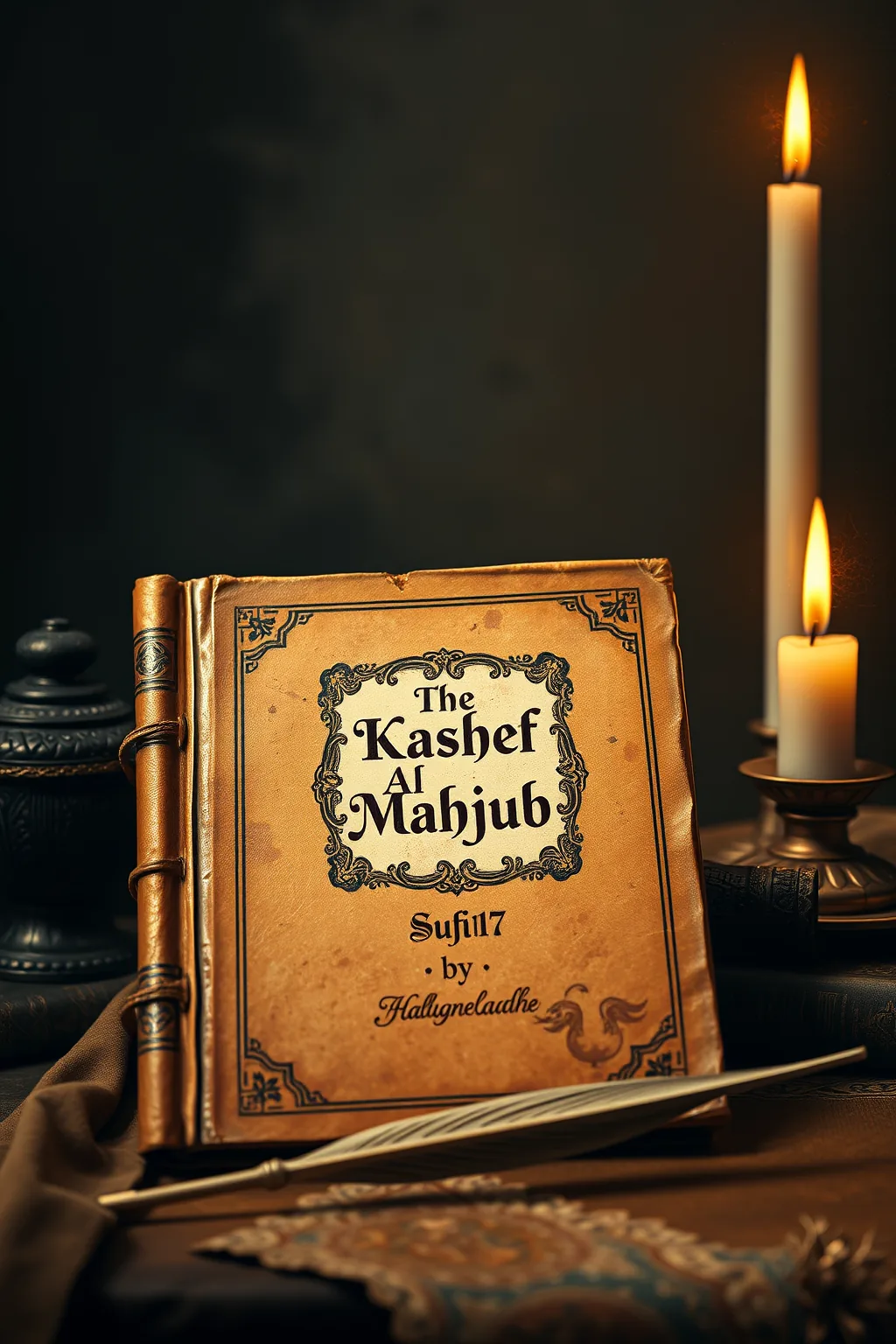
The Kashf Al Mahjub, The Oldest Persian Treatise On Sufism Vol 17
 84
84

The Kashf Al Mahjub, The Oldest Persian Treatise On Sufism Vol 17



The Kashf Al Mahjub, The Oldest Persian Treatise On Sufism Vol 17 is a treasure trove of esoteric wisdom that remains as relevant today as it was when it was first written. Ali ibn Uthman al-Hujwiri's work is a beacon of light for modern esoteric seekers, offering profound insights into the mystical dimensions of Islam. The book's exploration of divine love, spiritual enlightenment, and the inner journey of the soul is both enlightening and inspiring. For those who are new to Sufism, this volume serves as an excellent introduction, providing a solid foundation for further study. For experienced practitioners, it offers a deeper understanding of the spiritual path and the means to achieve greater spiritual depth. The Kashf Al Mahjub Vol 17 is a must-read for anyone interested in the mystical traditions of Islam and the pursuit of spiritual enlightenment.
📝 Description
84
The Kashf Al Mahjub, dating to the 11th century, is the oldest surviving Persian treatise on Sufism.
This text presents the teachings of Ali ibn Uthman al-Jullabi, known as Hujwiri, on the Sufi path. It details the principles of the faith, the lives and sayings of early Sufi saints, and the stages of the spiritual journey. Hujwiri's work is structured to guide the reader through the essential concepts of Sufism, from the nature of God and prophecy to the practices of asceticism and divine love. The book addresses common misconceptions about Sufism and clarifies its orthodox foundations. It aims to instruct and edify those seeking a deeper understanding of the tradition.
The volume discusses the importance of following the Sunnah and the community of believers. It covers topics such as the importance of the heart, the dangers of the ego, and the virtues of patience and gratitude. Hujwiri also elaborates on the spiritual stations, or *maqamat*, that a Sufi traveler may attain. The language is direct, intended for earnest seekers of spiritual truth.
As the earliest major Persian work on Sufism, the Kashf Al Mahjub is a foundational text for understanding the development of Islamic mysticism. It articulates the core tenets of the tradition, distinguishing it from heterodox movements and establishing its legitimacy within orthodox Islam. Hujwiri's systematic approach grounds Sufi practice in the Quran and Sunnah, providing a framework that influenced later Sufi literature across the Persian and Urdu speaking worlds. This treatise is crucial for tracing the lineage of Sufi thought and practice from its formative period.
💡 Why Read This Book?
Reading The Kashf Al Mahjub, The Oldest Persian Treatise On Sufism Vol 17 today provides readers with a unique opportunity to connect with the timeless wisdom of Sufi mysticism. This book offers insights into the contemplative aspects of Islam, helping readers to deepen their spiritual understanding and practice. Whether you are a scholar of Islamic studies, a spiritual seeker, or simply curious about the esoteric traditions of Sufism, this volume will enrich your journey. By engaging with the teachings of Ali ibn Uthman al-Hujwiri, readers can gain a deeper appreciation for the mystical dimensions of Islam and find guidance on their own spiritual path.
⭐ Reader Reviews
Honest opinions from readers who have explored this book.
❓ Frequently Asked Questions
What is the significance of Kashf Al Mahjub in Sufism?
Kashf Al Mahjub is one of the oldest and most influential works in Sufi literature, providing foundational teachings on mysticism and contemplation within Islam.
Who should read The Kashf Al Mahjub Vol 17?
This book is ideal for scholars of Islamic studies, spiritual seekers, and anyone interested in the esoteric traditions of Sufism.
What themes are explored in Kashf Al Mahjub Vol 17?
The volume delves into key themes such as divine love, spiritual enlightenment, and the inner dimensions of Islamic faith.
🔮 Key Themes & Symbolism
The Nature of the Soul
This theme explores the profound mystical dimensions of the human soul, exploring the hidden layers of consciousness and spiritual awareness. It offers a deep understanding of the Sufi belief in the divine spark within every individual.
Symbolism in Sufism
The Kashf Al Mahjub is rich in symbolic imagery, each symbol carrying layers of meaning that reveal the deeper truths of Sufi philosophy. This theme unravels the intricate web of symbols and their significance in the Sufi path.
The Path to Enlightenment
This theme provides a roadmap to spiritual enlightenment, guiding readers through the stages of the Sufi journey. It emphasizes the importance of contemplation, meditation, and self-purification in achieving union with the divine.
💬 Memorable Quotes
Direct passages from the work, attributed to the author.
“Symbolism is the language of the mystics.”
— This highlights the importance of symbolic imagery in Sufi teachings.
💡 Key Ideas
Editorial paraphrase of the work's core concepts — not direct quotes.
The soul is a mirror reflecting the divine light.
This quote underscores the Sufi belief in the divine nature of the human soul.
The path to enlightenment is a journey within.
This quote emphasizes the inward focus of Sufi spiritual practices.
Contemplation is the key to unlocking hidden knowledge.
This quote underscores the value of deep reflection in Sufi mysticism.
The divine spark within awaits awakening.
This quote speaks to the Sufi belief in the potential for spiritual enlightenment within every individual.
🌙 Esoteric Significance
Tradition
The Kashf Al Mahjub belongs to the Sufi tradition, which is known for its emphasis on inner spiritual development and mystical experiences. This tradition seeks to bridge the gap between the human and the divine through contemplation and self-purification.
Symbolism
Key symbols in this text include the mirror, the candle, and the journey. The mirror represents the soul reflecting divine light, the candle symbolizes the seeker's quest for illumination, and the journey signifies the spiritual path to enlightenment.
Modern Relevance
This book remains relevant today as it offers timeless insights into the mystical dimensions of Sufism. Modern practitioners use it to deepen their spiritual practices and gain a deeper understanding of Sufi teachings.
👥 Who Should Read This Book
Beginners interested in Sufism will find this book an accessible entry point into the mystical traditions of Islam. Scholars of esoteric literature will appreciate the depth of symbolism and hidden knowledge presented here. Spiritual seekers will benefit from the philosophical insights and practical wisdom offered in the text. Practitioners of Sufi spirituality will find it a valuable resource for deepening their understanding and practice of Sufi teachings.
📜 Historical Context
The Kashf Al Mahjub was written during a time when Sufism was flourishing, providing a spiritual counterpoint to the rigid structures of mainstream Islam. This treatise was important for its ability to articulate the mystical experiences and esoteric knowledge of Sufi masters, influencing generations of seekers. Its impact can still be seen in modern Sufi practices and teachings, making it a timeless classic in the area of mystical literature.
📔 Journal Prompts
How does the concept of the soul as a mirror reflecting divine light resonate with your own spiritual journey?
What symbols in The Kashf Al Mahjub have the most profound meaning for you, and why?
Reflect on the stages of the Sufi path to enlightenment and how they apply to your own spiritual development.
How does contemplation and meditation play a role in your spiritual practices?
In what ways do the teachings of The Kashf Al Mahjub influence your understanding of the divine spark within?
🗂️ Glossary
Fana
A state of spiritual annihilation where the seeker's ego is dissolved in the divine presence.
Baqa
A state of spiritual subsistence where the seeker exists in the divine presence.
Dhikr
The practice of remembrance of God, often through chanting or meditation.
Wajd
A state of spiritual ecstasy or rapture experienced during mystical practices.
Tasawwuf
The Sufi path of spiritual purification and enlightenment.
This book appears in 2 collections
🔮 Readers Also Liked
Browse all →
![The mystic oracle, or, The complete fortune-teller and dream book / [F.M. Lupton].](/img/thumb/the-mystic-oracle-or-the-complete-fortune-teller-and-dream-book-f-m-lupton.webp)





From the “Christian Mysticism” Collection
View all →





More Free Mysticism & Contemplation Books
View all →