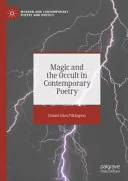
Magic and the Occult in Contemporary Poetry
 72
72

Magic and the Occult in Contemporary Poetry
Pilkington's study, Magic and the Occult in Contemporary Poetry, arrives as a timely intervention, challenging the perceived secularism of much current verse. His argument that "magical poetics" offers a vital counterpoint to mainstream trends is well-supported, particularly in his analysis of how certain contemporary poets engage with symbolic systems and intentionality. The historical tracing, from Yeats's engagement with the occult to modern practitioners, is illuminating. However, the book occasionally struggles to maintain a clear distinction between genuine occult practice influencing poetry and poets merely adopting occult *themes* without deeper engagement. A more rigorous definition of "magical poetics" early on might have strengthened this distinction. Despite this, the work is a significant contribution, offering a compelling case for the enduring power of the arcane in contemporary literary expression.
📝 Description
72
Daniel John Pilkington's 2023 book examines the intersections of magic and contemporary poetry.
Magic and the Occult in Contemporary Poetry, by Daniel John Pilkington, analyzes how esoteric practices connect with modern verse. The book traces the history of 'magical poetics' from earlier examples to its current state in the 21st century, with a particular focus on American poetry. Pilkington suggests that occult or magical approaches to writing offer an alternative to dominant literary trends.
This study is for poets, critics, and academics interested in the philosophical and spiritual aspects of current literature. Readers familiar with movements like the Beats or Language poetry will find it useful for understanding the influence of magical thinking and occult symbolism on poetry today. It also addresses those interested in the avant-garde and its links to mysticism.
The book places contemporary magical poetics within a historical context that includes W.B. Yeats and Surrealism's use of automatic writing and dream states. Pilkington follows the development of occult aesthetics, noting how early 20th-century poetry's engagement with spiritualism and ceremonial magic led to later, varied uses of the arcane. It considers how these historical elements continue and are reinterpreted in post-war and contemporary works.
This book situates 'magical poetics' within a tradition that views language and artistic creation as potentially transformative or ritualistic acts. It acknowledges historical precursors like W.B. Yeats and the Surrealists, who incorporated automatic writing and dream states into their work. Pilkington traces the evolution of occult engagement in poetry from early 20th-century spiritualism and ceremonial magic to contemporary reinterpretations. The core idea is that poetry can function as a form of occult practice, aiming to evoke specific effects beyond mere thematic expression.
💡 Why Read This Book?
• Gain a critical framework for understanding how poets use symbolic language and ritualistic structures to create transformative effects, as explored through the concept of "magical poetics. • Discover how contemporary American poetry engages with occult traditions, offering a vital counterpoint to secular literary trends, a perspective detailed in the book's analysis of post-war verse. • Trace the historical lineage of "occult poetics" from figures like W.B. Yeats to present-day practitioners, providing essential context for modern esoteric literary studies.
⭐ Reader Reviews
Honest opinions from readers who have explored this book.
❓ Frequently Asked Questions
What is 'magical poetics' as defined in Daniel John Pilkington's book?
Pilkington defines 'magical poetics' as a mode of writing that aims to produce transformative effects, akin to ritual. It involves intentionality in language, symbolic power, and viewing the poet-poem-reader relationship as potentially occult.
Which historical figures influenced the concept of magical poetics discussed in the book?
The book traces the influence of figures like W.B. Yeats, whose engagement with spiritualism and ceremonial magic significantly shaped early occult aesthetics in poetry.
Does the book focus on specific contemporary American poets?
Yes, the book investigates the potential for magical poetics within contemporary US poetry, examining how current poets utilize occult symbolism and esoteric perspectives.
What is the relationship between magic and occultism in the context of poetry according to Pilkington?
Pilkington explores both 'magical poetics' and the 'poetry of the occult,' suggesting they offer a vital counterpoint to mainstream poetic trends by engaging with transformative language and esoteric traditions.
When was Magic and the Occult in Contemporary Poetry first published?
The book was first published on October 17, 2025.
What kind of counterpoint does occult poetics offer?
Occult poetics offers a counterpoint to more mainstream poetic trends by exploring themes and techniques associated with magic, ritual, and esoteric symbolism, challenging conventional literary approaches.
🔮 Key Themes & Symbolism
Poetry as Ritual
The work posits that poetry can function as a form of ritual, aiming for transformative effects on the reader and the world. This perspective draws parallels between poetic creation and magical practice, emphasizing intentionality in language and the evocative power of symbols. Pilkington examines how contemporary poets might consciously or unconsciously employ techniques that mirror alchemical processes or spellcasting, thereby infusing their work with an occult efficacy beyond mere aesthetic appreciation.
Historical Roots of Magical Poetics
Pilkington traces the historical development of 'magical poetics,' highlighting key figures and movements that integrated esoteric thought into literary production. This includes examining the influence of Symbolism, Surrealism, and specific poets like W.B. Yeats, who actively explored spiritualism and ceremonial magic. The book demonstrates how these earlier engagements laid the groundwork for contemporary explorations of the occult within poetry, showing a continuous thread of esoteric inquiry in verse.
Occultism as Counter-Narrative
A central argument is that a poetics informed by magic and the occult provides a vital alternative to dominant literary trends. In an era often perceived as secular or materialistic, this approach reintroduces dimensions of mystery, spirituality, and subjective experience. Pilkington suggests that by engaging with esoteric traditions, contemporary poetry can challenge conventional modes of understanding and offer new avenues for meaning and perception.
Symbolism and Intentionality
The book looks at the significance of symbolism within magical poetics, exploring how specific signs, images, and archetypes carry potent meaning. It also emphasizes the role of intentionality – the conscious or unconscious purpose behind the poet's word choices and structural decisions. Pilkington investigates how this deliberate use of language and symbolism can imbue poetry with a power that extends beyond its literal content, akin to the focused will in magical working.
💬 Memorable Quotes
Direct passages from the work, attributed to the author.
“A magical or occult poetics offers a vital counterpoint to more mainstream poetic trends.”
— This statement expresses the book's core thesis: that esoteric approaches to poetry provide a necessary alternative to prevailing literary styles, challenging secular assumptions and reintroducing spiritual or transformative dimensions.
“The book traces the history of ‘magical poetics’ and the poetry of the occult to the present.”
— This highlights the work's historical scope, indicating a comprehensive examination of how esoteric themes and practices have evolved within poetry across different eras, culminating in contemporary manifestations.
“It asks what potential there is for a magical poetics, or a poetics of the occult, today.”
— This frames the central inquiry of the book, focusing on the contemporary relevance and future possibilities of integrating magical and occult frameworks into poetic theory and practice.
“The work defines a magical poetics as a mode of writing that seeks to enact or evoke transformative effects.”
— This provides a functional definition for a key concept, distinguishing magical poetics from mere thematic interest and emphasizing its performative or ritualistic potential within literary creation.
“Pilkington investigates how contemporary poets employ techniques and adopt perspectives that echo alchemical processes or divinatory practices.”
— This points to the specific methodologies explored in the book, illustrating the concrete ways in which modern poets engage with esoteric traditions, moving beyond abstract concepts to tangible poetic strategies.
🌙 Esoteric Significance
Tradition
This work fits within the broader Hermetic tradition's interest in the correspondence between macrocosm and microcosm, and the power of symbolic language to effect change. It departs from purely academic analyses by foregrounding the *practice* of magical poetics – viewing poetry itself as a form of ritual or operative art. While not strictly adhering to a single lineage, it draws upon diverse esoteric currents that emphasize intentionality, symbolic resonance, and the transformative potential of consciousness.
Symbolism
Key symbols explored include the alchemical process, representing transformation and purification within language and the self. The concept of the 'Word' or 'Logos' is also central, echoing Hermetic and Kabbalistic ideas about the creative power of divine utterance. Furthermore, the book examines how archetypal imagery, drawn from various mythologies and esoteric systems, functions as a potent symbolic language capable of accessing deeper layers of consciousness.
Modern Relevance
Contemporary thinkers and practitioners in fields like ecopsychology, consciousness studies, and certain strands of speculative fiction are increasingly interested in the intersection of language, symbolism, and altered states of awareness. Pilkington’s work provides a critical lens for understanding how poets today continue to draw upon esoteric traditions, offering tools for exploring subjective experience and challenging purely materialist worldviews, thereby resonating with those seeking alternative modes of perception.
👥 Who Should Read This Book
• Poets and writers interested in exploring the theoretical underpinnings of how language can enact magical or transformative effects, moving beyond conventional literary analysis. • Academics and critics researching contemporary literary theory, esoteric studies, or the relationship between art and spirituality, seeking a focused study on occultism in verse. • Readers familiar with modernist and postmodernist poetry who wish to understand the persistent influence of occultism and mysticism on 21st-century poetic practices.
📜 Historical Context
Magic and the Occult in Contemporary Poetry emerges from a literary landscape where the spiritual and esoteric have often been marginalized, particularly following the perceived secularization of mid-20th-century modernism. Pilkington’s work revisits the legacy of poets like W.B. Yeats, whose deep engagement with spiritualism and Hermeticism in the early 20th century provided a precedent for integrating occult philosophy into verse. The book also considers how movements like Surrealism, with its emphasis on the unconscious and dream states, prefigured later explorations of altered consciousness in poetry. While competing schools of thought focused on formal innovation or socio-political commentary, Pilkington argues for the enduring relevance of magical thinking. The book implicitly engages with critics who might dismiss such themes as mere aestheticism, positioning occult poetics as a potent counter-narrative, particularly within the context of post-war American poetry.
📔 Journal Prompts
The concept of 'magical poetics' as a counterpoint to mainstream trends.
Reflections on W.B. Yeats's integration of spiritualism and poetry.
Analyzing symbolic language for its potential transformative effects.
The intentionality behind word choice in contemporary verse.
Potential for occult poetics in your own creative practice.
🗂️ Glossary
Magical Poetics
A mode of poetic practice and theory that views language and verse as capable of enacting transformative effects, akin to ritual or magical operation, rather than merely representing reality.
Poetics of the Occult
Literature that explicitly engages with themes, symbols, and philosophies derived from occult traditions, exploring esoteric knowledge and practices within its subject matter.
Hermeticism
A philosophical and religious tradition based primarily upon writings attributed to Hermes Trismegistus, emphasizing divine wisdom, the correspondence between spiritual and material realms, and the pursuit of gnosis.
Symbolic Efficacy
The perceived power of symbols within a text or practice to evoke specific psychological, spiritual, or even material effects, often linked to intentionality and esoteric frameworks.
Logos
In esoteric and philosophical contexts, often refers to the divine Word, principle, or reason that underlies the creation and order of the universe, highlighting the creative power inherent in language.
Alchemical Process
In a literary context, refers to techniques or thematic elements in poetry that mirror the stages of alchemy (e.g., dissolution, purification, conjunction), symbolizing inner transformation and spiritual refinement.
Gnosis
Spiritual knowledge or insight, particularly in Gnostic traditions, often understood as direct, intuitive apprehension of divine truths, distinct from rational or empirical knowledge.
This book appears in 1 collection
🔮 Readers Also Liked
Browse all →









From the “Spellcraft” Collection
View all →



More Free Occult Philosophy Books
View all →